获利回吐

Search documents
公募新规将至,有些机构已经提前动作
Sou Hu Cai Jing· 2026-02-28 01:59
Group 1 - The core viewpoint of the article emphasizes that market movements are often misleading, and understanding the underlying trading behaviors is crucial for making informed investment decisions [1][3][11] - The article discusses the concept of "profit-taking," where investors who have made gains begin to cash out, which can lead to market adjustments despite a seemingly stable or rising price [5][6][8] - It highlights the importance of quantitative data in identifying hidden trading behaviors, allowing investors to see beyond surface-level market trends and make better decisions [8][17] Group 2 - The article illustrates that during times of negative news, such as a significant drop in stock prices, it is essential to analyze the underlying trading actions, like "short covering," which indicates that larger investors may be positioning themselves for future gains [11][14] - It emphasizes that quantitative data can help investors avoid emotional reactions to market fluctuations, leading to more stable and sustainable investment strategies [17][18] - The article concludes that leveraging quantitative analysis can enhance investment capabilities by providing a clearer understanding of market dynamics and reducing reliance on subjective judgment [17]


德事隆股价受多重因素影响下跌,市场关注宏观政策与基本面
Jing Ji Guan Cha Wang· 2026-02-23 16:51
Core Viewpoint - The stock price of Derstlong (TXT.N) declined by 2.55% on February 23, 2026, closing at $98.20, influenced by various market and company-specific factors [1]. Group 1: Market Conditions - On the same day, all three major U.S. stock indices fell, with the Dow Jones down by 1.39% and the Nasdaq down by 1.13%, indicating increased market risk aversion and a shift of funds away from industrial stocks [2]. - The aerospace and defense sector experienced an overall decline of 1.07% [2]. Group 2: Company Fundamentals - As of February 23, the company's price-to-earnings (P/E) ratio (TTM) stood at 19.22, which is higher than some industrial peers, suggesting potential profit-taking pressure after a year-to-date stock price increase of 12.65% [3]. - The trading volume was low, with a total turnover of only $29.21 million and a volume ratio of 0.52, indicating reduced trading activity and amplifying stock volatility [4]. Group 3: Industry Policy Environment - The Trump administration announced on February 20 that it would impose a global import tariff of 10% under Section 122 of the Trade Act of 1974, effective February 24, with a threat to increase it to 15%. This poses a risk of rising supply chain costs for industrial manufacturing companies, raising concerns about the profit outlook for export-oriented firms like Derstlong [5]. Group 4: Stock Price Movement - The stock exhibited a volatility range of 3.09% on the day, hitting a low of $97.55 and breaching the psychological barrier of $100. Over the past five days, the stock has only increased by 0.11%, with weakening short-term moving average support leading to intensified technical selling pressure [6].
AI硬件一片大涨,能炒多高关键看一点
Sou Hu Cai Jing· 2026-02-23 02:42
Core Viewpoint - The A-share market is experiencing rapid fluctuations, particularly in the AI hardware sector, where segments like CPO and liquid-cooled servers have seen significant surges, leading to a volatile trading environment for investors [1] Group 1: Understanding Market Behavior - Many investors still perceive trading as a simple buy-sell dynamic, but through quantitative big data analysis, it can be categorized into four core behaviors: "bullish dominance," "profit-taking," "bearish dominance," and "short covering," which reflect the true intentions of capital [3] - The appearance of a stock may show steady price increases, but quantitative data can reveal that "profit-taking" behavior is dominant, indicating that funds are quietly cashing out profits rather than pushing the market higher [5] - Investors often misinterpret market signals, as seen when a friend entered the AI sector during a perceived strong uptrend, only to face losses due to underlying "profit-taking" actions that were not visible through price movements alone [5][7] Group 2: Recognizing Market Signals - Stocks may exhibit price stability during "profit-taking" events, but subsequent adjustments can occur, highlighting the importance of recognizing these behaviors to avoid being misled by superficial price trends [7] - Conversely, when negative news is released, a stock may rise instead of fall, indicating that the market has already priced in the bad news, with "short covering" behavior suggesting that funds are entering the market opportunistically [9] - A stock that opened significantly lower but showed signs of "short covering" over several days can lead to a subsequent price increase, demonstrating the value of understanding underlying trading behaviors [12] Group 3: Multi-Dimensional Market Analysis - Investors often face challenges in the market due to a narrow focus on price movements, neglecting other critical dimensions such as capital flow and behavioral patterns [14] - The value of quantitative big data lies in its ability to deconstruct the market from multiple perspectives, enabling investors to develop a probability-based mindset and reduce the influence of subjective emotions [14] - Establishing an independent judgment system based on quantitative analysis is essential for long-term survival in the market, moving beyond simplistic notions of "up is good, down is bad" [14]

AI风起搅动市场,数据看清真实脉络
Sou Hu Cai Jing· 2026-02-21 23:52
Core Insights - The article emphasizes that the core of the market lies not in the news but in the actual trading behaviors, which can be better understood through quantitative data analysis [1][20]. Group 1: Trading Characteristics Behind Price Movements - The article discusses how price increases can be misleading, as they may be driven by "profit-taking" behaviors, indicating that the enthusiasm of major funds is declining despite rising prices [6][10]. - Quantitative data reveals that even during price increases, if "profit-taking" dominates trading, it suggests that the market may soon experience volatility due to the participation of less informed investors [7][10]. Group 2: Trading Logic Under Illusions of Prosperity - It is common for prices to rise while the underlying trading data shows "profit-taking," indicating that funds are cashing out, which can lead to unexpected price fluctuations [7][10]. - The article highlights that relying solely on news and price trends can mislead investors, as quantitative data can provide a clearer picture of the actual trading dynamics [10]. Group 3: Details of Trading During Price Declines - During price declines, the initial reaction is often panic; however, quantitative data may indicate "short covering," suggesting that previously bearish investors are re-entering the market [12][15]. - The presence of "short covering" during price drops indicates that there is still active participation from funds, contrary to the belief that investors are retreating due to negative news [15][18]. Group 4: Cognitive Upgrade Through Quantitative Data - The article asserts that ordinary market participants often fall into the trap of being swayed by news and emotions, leading to impulsive decisions [20][21]. - The core value of quantitative data lies in its ability to help investors see beyond subjective biases, allowing for a more rational understanding of market dynamics and fostering a more stable investment mindset [20][21].
传媒板块掀涨停潮,交易真相藏细节
Sou Hu Cai Jing· 2026-02-19 23:34
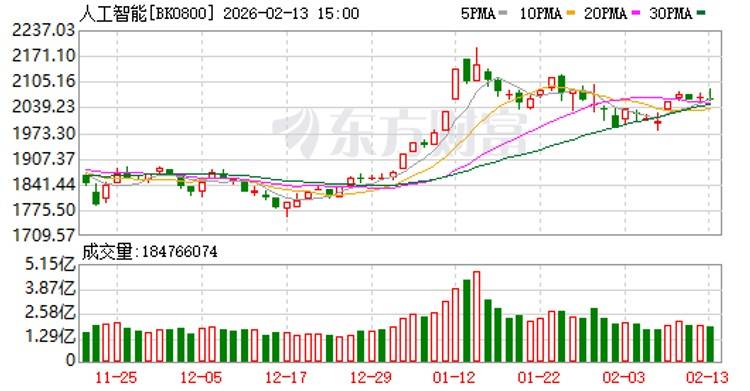
Group 1 - The media sector has seen a significant surge, with multiple stocks experiencing strong performance and daily trading volume exceeding 180 billion, marking a near two-year high in market share [1] - Investors are cautioned to look beyond surface-level market enthusiasm and focus on the underlying trading intentions of capital, as the direction of the market is primarily driven by actual fund movements rather than mere news or hype [1] - Quantitative data analysis is highlighted as a valuable tool for investors to gain insights into market dynamics, helping them to avoid subjective biases and understand the true intentions of capital [1] Group 2 - The article emphasizes the importance of recognizing "profit-taking" signals when prices are rising, as this indicates that previous investors may be cashing out, which can lead to a slowdown in price momentum [2] - A case study illustrates that during a period of price increase, five out of eight trading days were dominated by "profit-taking" behavior, suggesting that despite rising prices, significant capital was exiting the market, leading to potential corrections [5] - The concept of "short covering" is introduced as another critical signal, indicating that previously bearish investors are starting to buy back, which can stabilize or reverse downward price trends [5][6] Group 3 - The article provides examples of "short covering" where, despite price declines, the majority of trading days showed signs of buying activity from short sellers, indicating a potential rebound in prices [11] - Quantitative data is presented as a means to objectively assess market conditions, allowing investors to see behind price movements and avoid being influenced by emotional reactions to market fluctuations [14] - The use of quantitative analysis is portrayed as a way to equip investors with a clearer understanding of market realities, enabling them to make more informed decisions without relying on complex terminology or gut feelings [14]
玻纤板块疯涨,别被消息牵着走
Sou Hu Cai Jing· 2026-02-19 13:39
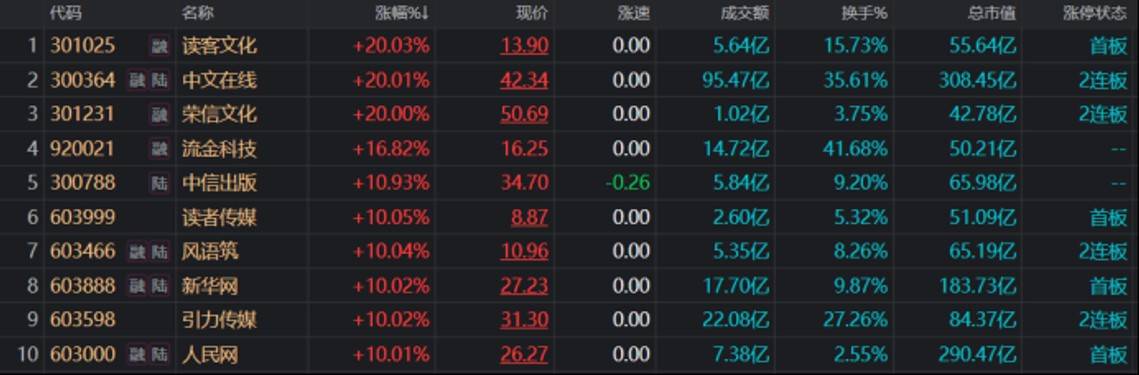
Group 1 - The core idea is that market movements are driven by institutional trading behavior rather than news, which often serves as a tool for institutions to realize their profits [3][20] - Many investors mistakenly believe that positive news will lead to price increases and negative news will lead to declines, but the opposite can occur as institutions may sell into positive news and buy during negative news [3][4] - Quantitative data can reveal hidden trading behaviors, such as profit-taking or short covering, which are not visible through price movements alone [4][10][19] Group 2 - The article emphasizes that ordinary investors often follow their instincts and react to news, leading to poor investment decisions such as chasing highs or panic selling [20] - Quantitative data can help investors identify true market intentions and avoid being misled by superficial price changes [20] - Institutions use news to manipulate market perceptions, and understanding this dynamic is crucial for investors to avoid being "retail fodder" [20]
ETF份额剧变,量化数据看清新增量的偏爱
Sou Hu Cai Jing· 2026-02-17 01:53
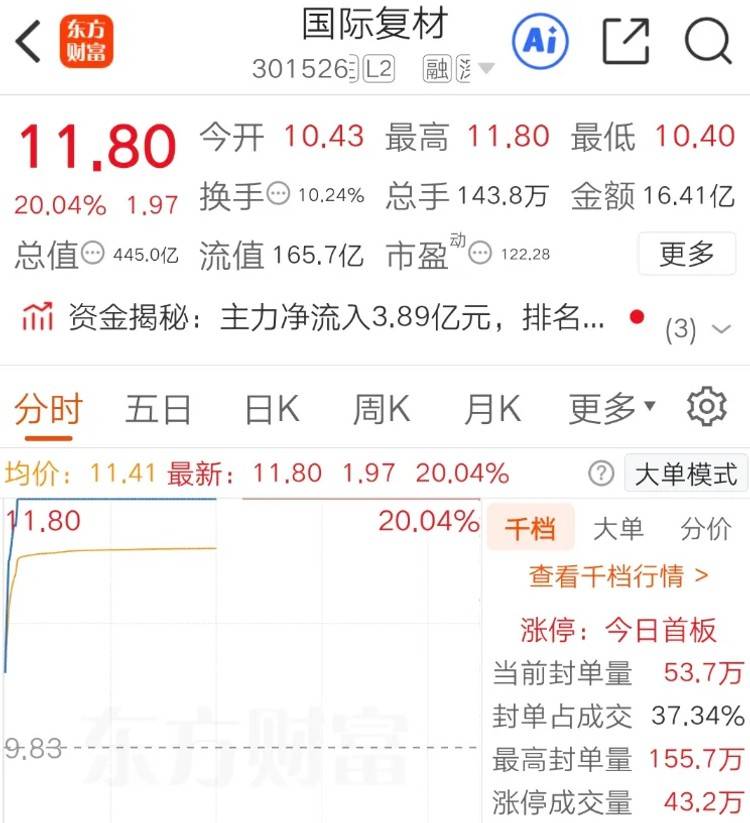
Group 1 - The core message emphasizes the importance of understanding the underlying trading behaviors behind market movements rather than reacting to superficial price changes [1] - Many investors fall into the trap of making decisions based solely on market trends, leading to losses when they chase after rising stocks or sell off during declines [1][2] - Quantitative data can reveal four core trading behaviors: bullish dominance, profit-taking, bearish dominance, and short covering, which help in understanding the true market intentions [2][5] Group 2 - The article illustrates that even when a stock appears to be on an upward trend, it may be dominated by profit-taking behavior, indicating potential price adjustments ahead [5][11] - It highlights that profit-taking does not necessarily lead to a market decline, as large funds may realize profits during upward trends, similar to a store clearing inventory during a sale [6][12] - The article also points out that negative news does not always result in market downturns; sometimes, it can create opportunities for investors who recognize the underlying buying activity [12][14] Group 3 - The core value of quantitative thinking is to help investors avoid subjective judgments based on emotions and news, instead relying on objective data to understand market behaviors [15][17] - By utilizing quantitative data, investors can maintain a rational perspective and avoid making impulsive decisions based on market fluctuations [16][17] - The article encourages a shift from emotional trading to a more analytical approach, which is essential for responsible capital management [17]
卡梅科股价下跌3% 受大盘拖累及获利回吐影响
Xin Lang Cai Jing· 2026-02-16 19:19
Company Overview - Cameco's stock price dropped by 3.00% on February 13, 2026, closing at $112.90, influenced by market conditions and investor sentiment [1] - The company reported strong financial performance for FY2025, with revenue increasing by 8.87% to $2.492 billion and net profit rising by 236.36% to $422 million [1] Industry Conditions - Despite Cameco's stable production, there are ongoing concerns about the fragility of global uranium supply [2] - Factors such as the nearing end of production for existing mines and the lifecycle stage of operating mines may exacerbate supply-demand tensions [2] - The market is currently more focused on the impact of production cuts from competitors like Huaneng on overall industry supply elasticity [2]
牛市却难逃亏损厄运,原因很残酷
Sou Hu Cai Jing· 2026-02-16 17:41
Core Insights - The article highlights that 90% of the 250 million stock market participants in China are currently at a loss, attributing this to a lack of understanding of the market's true operational logic rather than mere bad luck or indecisiveness [1] Group 1: Market Behavior Analysis - The phenomenon of "profit-taking" is identified as a common behavior where funds are realized, often unnoticed by ordinary investors, indicating a subtle shift in market dynamics [2][6] - Quantitative big data can accurately capture the characteristics of "profit-taking" behavior, allowing for early detection of market changes that are not visible to the naked eye [8] Group 2: Quantitative Data Insights - The article discusses the "short covering" behavior, which occurs when funds that were previously on the sidelines begin to adjust their strategies in response to negative market news, often leading to a market reversal [10] - Quantitative data can reveal "short covering" characteristics even when market sentiment is fearful, enabling investors to make more rational decisions rather than being swayed by panic [11] Group 3: Value of Quantitative Big Data - The primary challenge for ordinary investors is not the scale of their capital but rather being influenced by emotions and misleading information; quantitative big data offers a solution by providing objective data that reflects true market behavior [14] - By relying on data-driven insights, investors can avoid emotional pitfalls and establish a more rational trading rhythm, ultimately building long-term trading confidence [14]

大佬点破行情关键,政策同频成最大助力
Sou Hu Cai Jing· 2026-02-16 16:01
Group 1 - The core viewpoint of the article emphasizes the synchronized resonance between the economic cycles and policies of China and the United States, highlighting the combined effects of "loose fiscal and monetary policies" domestically and overseas [1] - Experts identified key asset allocation directions, including the renminbi exchange rate, industrial products like non-ferrous chemicals, and the A-share market, supported by a weak recovery in the domestic economy and a mid-term decline in the US dollar index [1] - The article suggests that macroeconomic news serves as a catalyst for market fluctuations, but the true determinants of market trends are the underlying trading behaviors driven by capital flows [1] Group 2 - Quantitative analysis reveals four core types of trading behaviors: "bullish dominance," "profit-taking," "bearish dominance," and "short covering," each reflecting different characteristics of capital participation [3] - The article illustrates that despite positive market movements, quantitative data can indicate a prevailing "profit-taking" behavior, suggesting that the apparent upward trend may not be sustainable [5][7] - In contrast, during negative market expectations, quantitative data can uncover overlooked signals, such as "short covering," indicating that some capital is beginning to participate, which may lead to market recovery [11][14] Group 3 - The value of quantitative data lies in its ability to help investors avoid subjective emotional biases and establish an objective understanding of market dynamics based on data-driven insights [16] - In a complex macroeconomic environment, relying solely on news for decision-making can lead to misconceptions, while quantitative tools provide a more stable and objective perspective for maintaining rationality in investment strategies [16]