迪士尼效应

Search documents
今年的国庆消费,很不一样
虎嗅APP· 2025-10-12 03:02
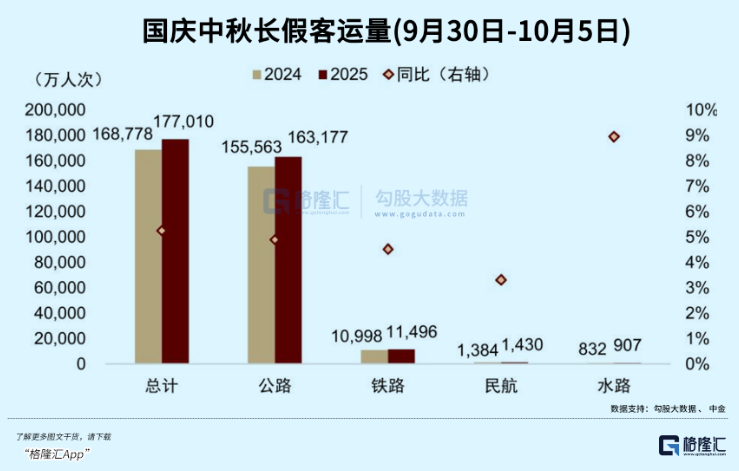
Core Viewpoint - The article discusses the contrasting experiences of tourism during the recent holiday period, highlighting a significant increase in travel numbers but a decline in per capita spending, indicating a shift in consumer behavior towards local tourism and budget-consciousness [12][14][46]. Group 1: Travel Data and Trends - During the holiday from October 1 to October 8, the total cross-regional movement of people reached approximately 2.432 billion, averaging 304 million per day, a year-on-year increase of 6.2% [12]. - The actual number of domestic travelers during the 8-day holiday was 888 million, an increase of 123 million compared to the previous year's 7-day holiday [14]. - The majority of travel was local, with 2.24 billion people traveling by road, indicating that many travelers were either visiting local attractions or returning home rather than traveling long distances [20][22]. Group 2: Consumer Spending Patterns - Total spending on domestic travel during the holiday was approximately 809 billion, an increase of 108.2 billion from the previous year [27]. - Per capita daily spending was 113.9 yuan, a decline of 13% year-on-year, and only 95.9% of the level seen in 2019 [28]. - The average daily expenditure suggests that many travelers spent significantly less, with some spending as little as 28 yuan on additional expenses after basic costs [30][32]. Group 3: Shift in Tourist Demographics - The increase in local tourism is attributed to a rise in local visitors, while the number of out-of-town tourists has decreased, leading to a bustling atmosphere in popular attractions primarily due to local visitors [23][68]. - The trend of camping and outdoor activities has surged, with tent rental orders increasing by 410% year-on-year, reflecting a shift towards more budget-friendly travel options [39]. Group 4: Impact on the Tourism Industry - The tourism industry is experiencing a decline in profitability despite an increase in visitor numbers, as evidenced by the poor performance of several hospitality and restaurant stocks during the holiday period [48]. - The article highlights that the overall consumer sentiment among the middle class has decreased, leading to a more frugal approach to spending on travel and leisure activities [60][71].


今年的国庆消费,很不一样
Hu Xiu· 2025-10-10 13:07
Core Insights - The overall travel data during the holiday period shows a significant increase in the number of travelers, with a total of 2.432 billion cross-regional movements, averaging 304 million per day, a year-on-year increase of 6.2% [10] - Despite the increase in travel numbers, many smaller tourist cities experienced a lack of visitors, indicating a shift towards local tourism rather than long-distance travel [27][22] - The average daily spending per person during the holiday was 113.9 yuan, a decline of 13% year-on-year, suggesting a decrease in overall consumer spending in the tourism sector [31][52] Travel Trends - The number of travelers during the holiday increased by 1.23 billion compared to last year, with a total of 888 million trips taken [12][17] - The majority of travel was local, with 2.24 billion trips made by road, indicating that many people opted for nearby destinations rather than traveling far [21][22] - The rise in local tourism has led to a significant increase in camping and outdoor activities, with tent rental orders surging by 410% compared to last year [42] Consumer Behavior - There is a noticeable trend of younger travelers being more budget-conscious, opting for camping over traditional hotel stays, which has resulted in over 60% of hotel rooms remaining unoccupied during the holiday [48][65] - The shift in consumer behavior reflects a broader trend of reduced spending among the middle class, with a 35% decrease in consumption expectations [74][77] - The overall spending in the tourism sector has not kept pace with the increase in visitor numbers, indicating that while more people are traveling, they are spending less [53][91] Industry Performance - The tourism industry is facing challenges, with many companies reporting declines in stock prices, reflecting the overall downturn in profitability despite increased visitor numbers [55] - The restaurant and hospitality sectors are particularly affected, with significant drops in revenue reported in major cities like Chengdu, where restaurant income fell by 34% [79][82] - The current economic climate has led to a paradox where tourism appears busy, but the profitability of businesses in the sector is declining, highlighting a potential "Disney effect" where certain industries thrive during economic downturns but struggle with profitability [86][91]