选举经济学

Search documents
英伟达万亿预期,还能否托住美股?
财富FORTUNE· 2026-03-18 13:06
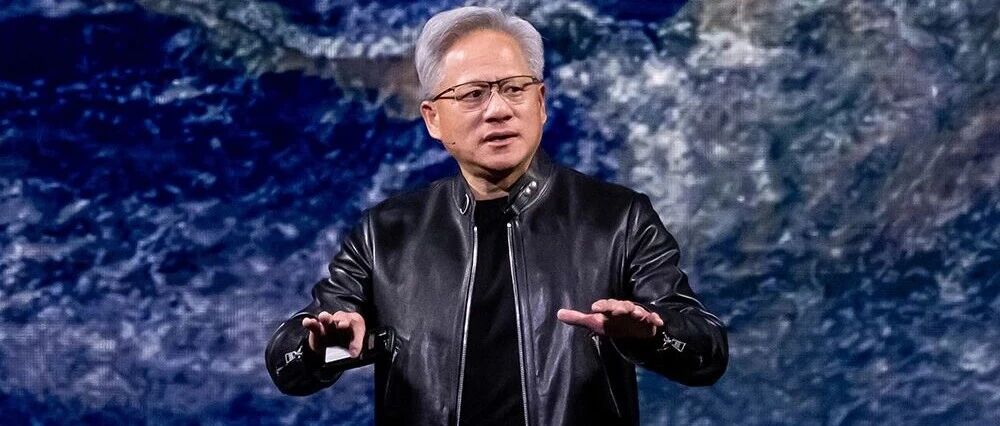
Core Viewpoint - The article highlights the significant growth potential in AI computing demand, projecting it to reach at least $1 trillion by 2027, driven by advancements in generative AI and reasoning capabilities [1][3]. Group 1: Market Dynamics - NVIDIA's CEO Jensen Huang announced a substantial increase in demand projections from $500 billion to at least $1 trillion over the next two years, indicating a massive growth opportunity in the AI sector [1][3]. - The market's reaction to Huang's announcement was cautious, with NVIDIA's stock initially rising over 4% but ultimately closing down 0.7%, reflecting a broader wariness among investors despite the bullish AI narrative [3][4]. - The Nasdaq index has faced downward pressure, down 4% year-to-date, with a need for a 21% increase by year-end to match the average annual return of the past decade [6]. Group 2: Geopolitical and Economic Influences - Rising oil prices, now above $100 per barrel due to Middle Eastern tensions, are contributing to inflation concerns, which may limit the Federal Reserve's ability to lower interest rates, impacting tech stock valuations [4][6]. - Consumer purchasing power is being eroded by high energy costs, posing challenges for tech giants reliant on digital advertising and e-commerce subscriptions [4][6]. Group 3: Supportive Forces for the Market - Algorithmic advancements, such as the introduction of "Attention Residuals," are enhancing training efficiency, potentially increasing demand for NVIDIA's products as algorithms become more capable [5]. - Political factors, particularly the need for a strong stock market ahead of midterm elections, may lead to government interventions to stabilize the market in the face of geopolitical risks [5][6]. Group 4: Sector Rotation and Investment Sentiment - Energy stocks have risen nearly 30% this year, outperforming tech and consumer discretionary sectors, indicating a shift in investor sentiment towards physical assets amid rising oil prices [7]. - The article suggests that the market is transitioning from a single narrative-driven bull market in AI to a more volatile environment that will test investment strategies [7].


不出中国所料!特朗普刚对全球征税,高兴不到一天,三大噩耗砸脸来了!
Sou Hu Cai Jing· 2025-08-17 15:52
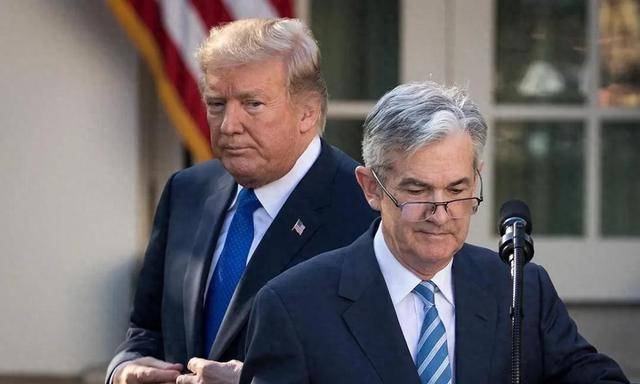
Group 1 - The article discusses the immediate negative consequences following Trump's global tariff announcement, highlighting a significant drop in U.S. employment data with only 14,000 new jobs added, which is insufficient to sustain a small town [3] - The Federal Reserve, led by Powell, is under pressure from Trump to lower interest rates but remains unresponsive, indicating a lack of willingness to assist the President in his economic strategies [3][5] - Russia's response to U.S. tariffs is characterized by defiance, with Putin indicating a willingness to negotiate while simultaneously continuing military actions in Ukraine, showcasing a strategic duality in their approach [7] Group 2 - The article suggests that Trump's recent aggressive stance is a result of the U.S. struggling to effectively counter China, leading to a temporary shift in focus towards Russia [5][8] - India's diplomatic maneuvering is noted, as it appears to be cautiously balancing its relations with both the U.S. and Russia, indicating a complex geopolitical landscape [5][7] - The overarching theme is that Trump's tariff actions are seen as a tactic for electoral gain rather than a genuine economic strategy, reflecting a self-serving approach to international relations [8]
特朗普再轰央行掌门,逼宫声震华府,货币政策成选战棋子
Sou Hu Cai Jing· 2025-06-28 09:15
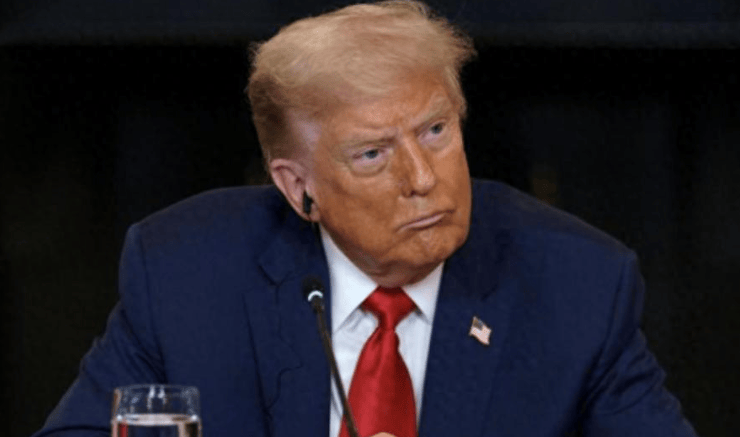
Core Viewpoint - The ongoing conflict between former President Trump and Federal Reserve Chairman Jerome Powell highlights the tension between political influence and the independence of central banking in the U.S. [1][3][5] Group 1: Political Pressure on the Federal Reserve - Trump's criticism of Powell, whom he appointed, reflects his frustration with high interest rates, which he believes hinder economic growth and market performance [3][5] - The current economic landscape, characterized by persistent inflation and geopolitical instability, necessitates Powell's cautious approach to monetary policy [3][5][6] - Trump's calls for Powell's resignation serve as a form of political intimidation, aiming to create pressure for a shift in monetary policy that aligns with his electoral strategy [3][5][6] Group 2: Implications for Central Bank Independence - The independence of the Federal Reserve is crucial for long-term economic stability, as it protects against short-term political interference [5][6][8] - Trump's actions represent a broader challenge to institutional integrity, as he seeks to undermine the established balance between political power and technical governance [5][6][8] - The potential erosion of the Federal Reserve's independence could lead to a loss of confidence in the U.S. dollar as a global reserve currency, prompting international investors to diversify their holdings [8]