选贤任能

Search documents
爱廉说丨尚贤使能
Zhong Yang Ji Wei Guo Jia Jian Wei Wang Zhan· 2026-02-26 23:49
Core Viewpoint - The article emphasizes the importance of the principle of "selecting the virtuous and capable" in governance, which has historical roots in Chinese culture and continues to hold relevance today [12][14]. Group 1: Historical Context - The principle of "selecting the virtuous and capable" has been practiced since ancient times, as evidenced by the governance of Emperor Yao, who prioritized moral character and ability over noble birth [5][6]. - Historical figures such as Shun and Tang the Great exemplified this principle by appointing talented individuals based on their merits, laying a foundation for future governance practices [5][6]. - The evolution of talent selection methods, from hereditary systems to merit-based approaches, reflects a continuous struggle between traditional practices and the need for capable governance [12][14]. Group 2: Development of Selection Systems - The Han Dynasty established the "recommendation system" to identify and promote virtuous individuals, which evolved into a more structured approach under Emperor Wu [8][10]. - The Nine-Rank System during the Wei, Jin, and Northern and Southern Dynasties aimed to balance family background, morality, and talent, although it eventually favored aristocratic lineage [9]. - The imperial examination system (Keju) introduced during the Sui and Tang Dynasties marked a significant shift towards meritocracy, emphasizing academic achievement over noble birth [10][11]. Group 3: Modern Implications - The Communist Party of China has integrated the principle of "selecting the virtuous and capable" into its talent selection system, aligning it with modern governance needs [12][14]. - Recent statements by leaders highlight the ongoing commitment to identifying and utilizing loyal and capable individuals for governance, reinforcing the historical significance of this principle in contemporary politics [13][14]. - The article suggests that the revival and adaptation of traditional values can provide a solid foundation for achieving national rejuvenation and effective governance in modern China [14].

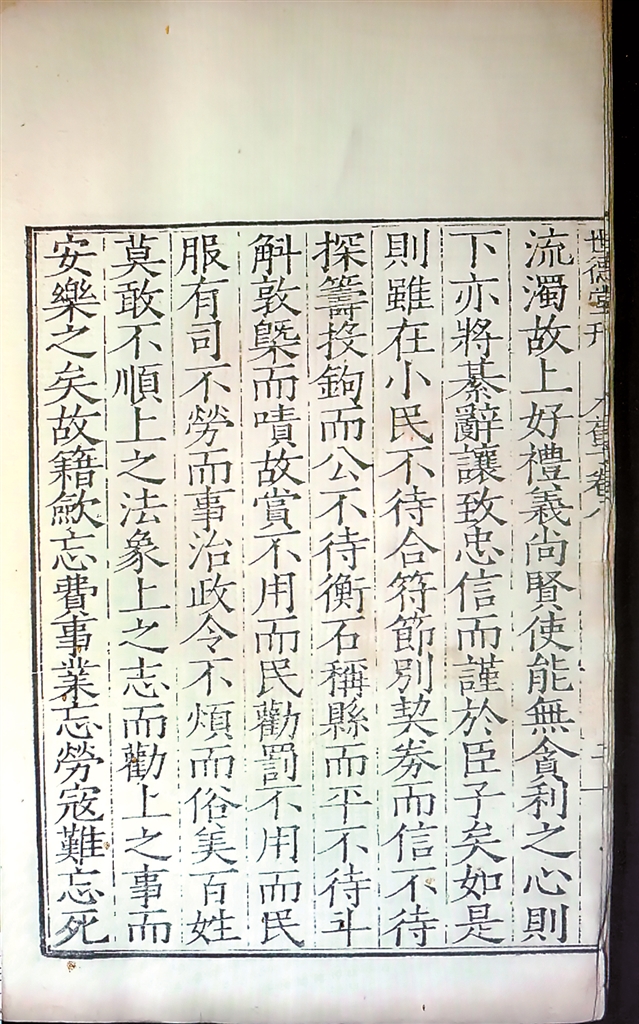
政者正也,任贤为要
Xin Lang Cai Jing· 2026-01-09 00:11
Core Viewpoint - The essence of governance is to select virtuous and capable individuals for key positions, ensuring public trust and effective administration [2][4][6]. Group 1: Governance Principles - The concept of "zheng" (正) in governance emphasizes righteousness and justice, which are essential for maintaining order and public trust [3][4]. - Five principles for governance include: prioritizing the public good, maintaining fairness, adhering to the middle way, following the law, and seeking harmony [3][4]. Group 2: Historical Context - Historical texts emphasize the importance of selecting virtuous individuals for governance, linking this practice to the stability and prosperity of the state [5][6]. - Examples from history, such as the governance of Qi under Guan Zhong, illustrate the effectiveness of appointing capable individuals in achieving national strength and unity [6]. Group 3: Modern Implications - In contemporary governance, the emphasis on selecting high-quality officials is crucial for the development of the nation and the realization of the Chinese Dream [7]. - The focus on building a loyal and just legal system is highlighted as essential for safeguarding social fairness and justice [7].
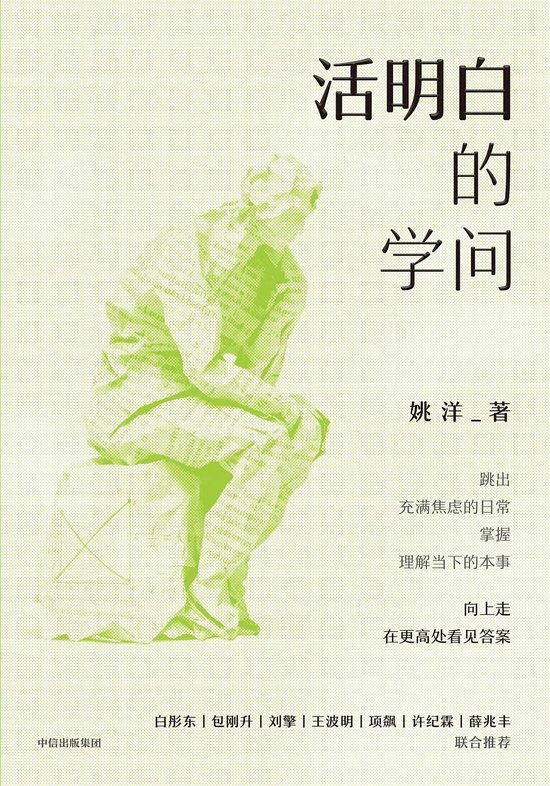
北大教授姚洋谈“内卷”,我们未来的出路在这里
Xin Lang Cai Jing· 2026-01-04 09:31
Group 1 - The source of anxiety in society is linked to the market dynamics and the disconnection between price and value, with educational returns decreasing for both genders [5][26][29] - The phenomenon of alienation arises from the existence of employment relationships, where individuals become mere production factors rather than complete beings [6][27] - The government can intervene to address issues of involution and competition by reforming educational systems and reducing unnecessary pressures on students [28][30] Group 2 - The concept of socialism aims to correct the issues of capitalism by focusing on enhancing individual capabilities and ensuring that every person can participate equally in market competition [29][30] - Fairness and justice are essential societal demands, with various forms of equality, including outcome equality, starting point equality, and procedural equality [31][32] - The relationship between fairness and justice is complex, as fairness is often based on established norms, while justice requires a theoretical framework to define what is considered just [33] Group 3 - A good political system is crucial for ensuring social fairness and justice, requiring respect for citizens' rights, open access to political positions, and improvement of public welfare [36][37] - The selection of capable and virtuous individuals for leadership roles is essential for effective governance, emphasizing the importance of moral character and ability [39][40] - The current era calls for a balance between absorbing Western civilization and preserving Chinese cultural values, suggesting a pragmatic approach of "Chinese body, Western use" [41][42]