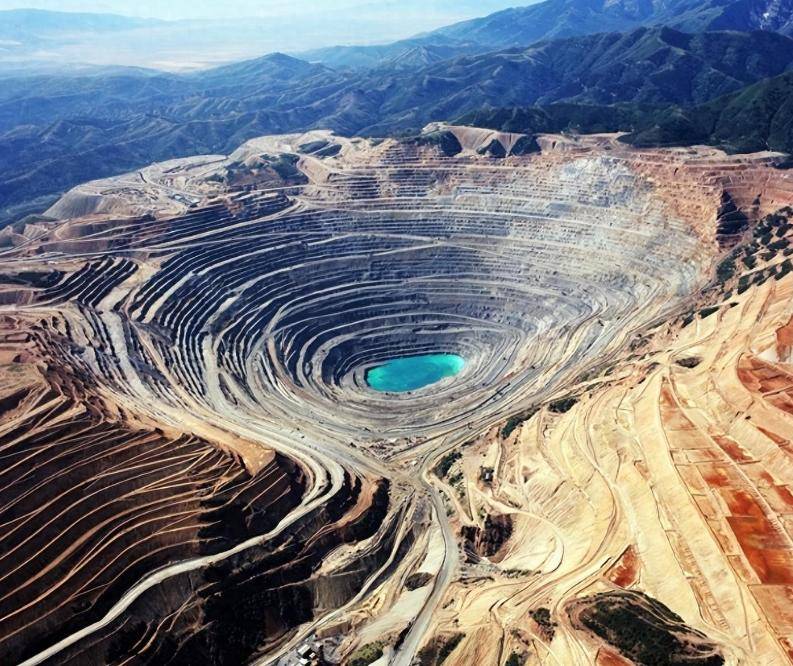
铜资源短缺

Search documents
深度剖析:我国为何非常缺铜?
Sou Hu Cai Jing· 2025-12-17 06:40
Core Viewpoint - China is currently facing a severe shortage of copper resources, which poses a significant challenge to its industrial development [1][9]. Group 1: Copper Resource Shortage Dilemma - China is the fastest-growing country in terms of copper demand, driven by rapid industrial development, particularly in the power and communications sectors [6]. - Despite being the largest producer and consumer of refined copper, China's copper mine reserves are insufficient to meet domestic demand, leading to increased imports [6]. - From 2010 to 2020, China's refined copper imports rose from 2.92 million tons to 3.627 million tons, an increase of 707,000 tons over ten years [6]. Group 2: Characteristics of China's Copper Mining - China's copper resources are concentrated in the southwest, northwest, and eastern regions, but most deposits are small-scale, with only 2.7% being large deposits [14]. - The average grade of copper ore in China is lower than the global average of 0.87%, with many deposits having been extensively mined [15]. - The complex terrain in which copper mines are located increases extraction costs and difficulties, necessitating significant investment in infrastructure and technology [15]. Group 3: Response Strategies - To address the copper shortage, China has accelerated overseas acquisitions of copper mines, with direct investments exceeding $16 billion from 2011 to 2021 [19]. - A notable example is the acquisition of the Las Bambas copper mine in Peru by China Minmetals Group for $7.005 billion, which significantly contributes to China's copper supply [21]. - China is also focusing on recycling existing copper resources from waste electrical appliances and construction debris, which can alleviate the shortage [22].

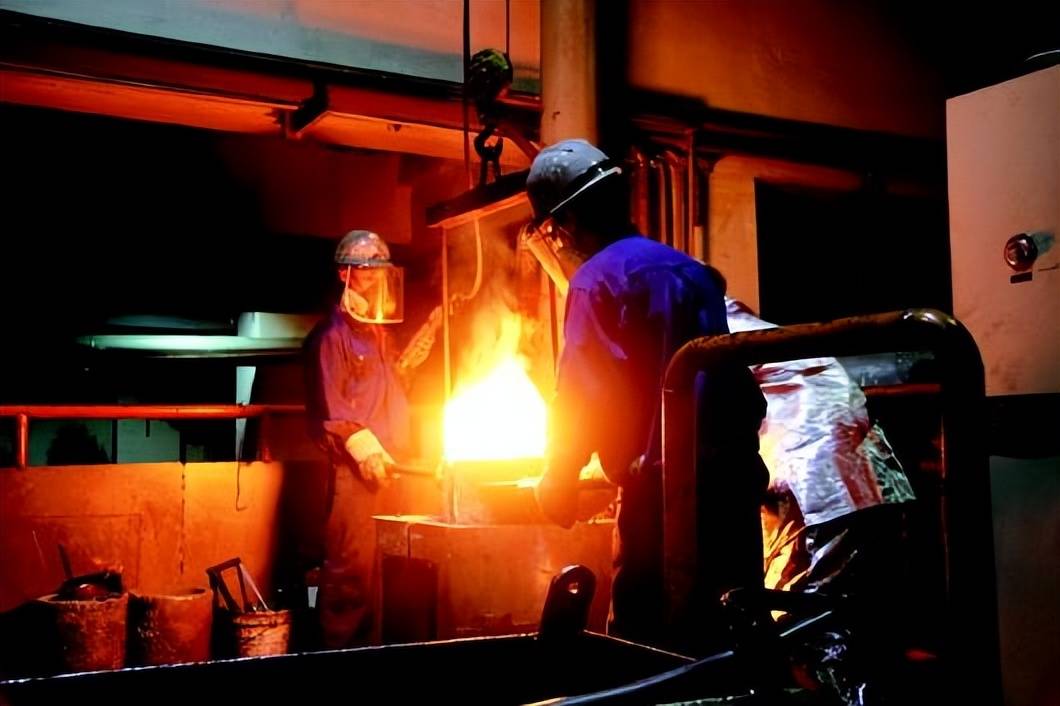
铜,不够用了
3 6 Ke· 2025-10-20 00:16
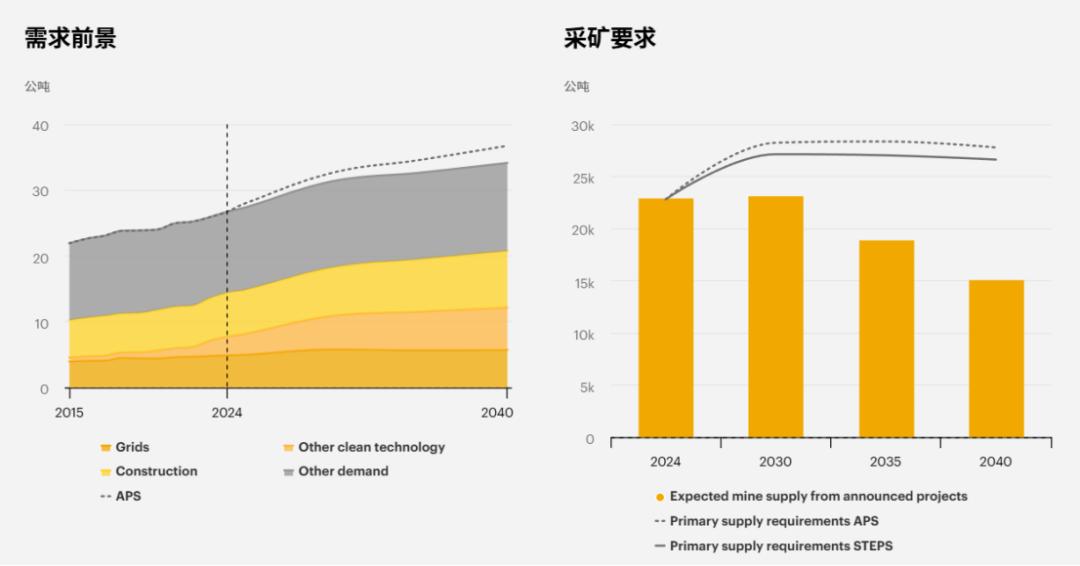
Core Insights - Copper is becoming an essential resource in the modern semiconductor industry, particularly in the context of the global AI computing power race and the energy transition [1][3] - The demand for copper is expected to surge due to its critical role in various applications, including semiconductor manufacturing and green energy technologies [9][10] - The global copper supply chain faces significant challenges, including production difficulties, transportation risks, and climate change impacts, leading to a potential systemic shortage by the 2030s [12][15][16] Group 1: Copper's Role in Semiconductor Industry - Copper is primarily used for manufacturing interconnect lines in semiconductors, acting as the "vascular system" of chips to ensure efficient electronic signal flow [4][8] - The unique physical properties of copper, such as lower resistivity and higher thermal stability compared to aluminum, make it irreplaceable in high-performance chips [5][6] - The adoption of the "Damascene Process" has enabled the large-scale application of copper in semiconductor manufacturing, overcoming previous limitations [6][7] Group 2: Demand Drivers - The demand for copper is being driven by the explosive growth in AI computing and the renewable energy sector, fundamentally changing the demand landscape [9] - For instance, the NVIDIA H100 chip consumes copper at a rate 100 times higher than traditional electronic devices, highlighting the increasing copper requirements in advanced technology [10][11] - Electric vehicles (EVs) are also contributing significantly to copper demand, with varying copper usage across different vehicle types [10][11] Group 3: Supply Challenges - The global copper supply is facing a long-term imbalance due to the slow pace of new mine development, with only 12 large copper mines under construction expected to add 3 million tons by 2030, while demand is projected to increase by 8 million tons [13] - Geographical disparities in copper resources and processing capabilities create vulnerabilities in the supply chain, with South America holding a significant portion of the world's copper reserves [14] - Climate change poses a major risk to copper supply, particularly in water-scarce regions where mining operations are heavily reliant on water resources [15] Group 4: Geopolitical Factors - Recent geopolitical developments, such as the proposed 50% tariff on imported copper by the U.S., are likely to disrupt global copper trade dynamics [16] - Countries are increasingly adopting resource nationalism and export restrictions, further complicating the global copper supply landscape [16]

中国缺铜实锤:储量仅占全球4%,消耗世界第一,对外依存76%
Sou Hu Cai Jing· 2025-07-22 04:33
Group 1 - China's copper resource shortage is a significant issue, with only 4% of global copper reserves, lower than Japan [1][3] - The country consumes over 40% of the world's copper resources annually, with consumption exceeding 12 million tons in 2023, more than the combined total of the US and EU [3][5] - High dependency on imports at 76% means that for every 10 tons of copper, over 7 tons are imported, creating vulnerabilities in the supply chain [5][7] Group 2 - Geopolitical risks and supply chain disruptions can lead to price surges, as seen during the 2022 pandemic, affecting manufacturing and consumer prices [5][7] - The government is increasing efforts in copper recycling, with 2 million tons recovered in 2023, accounting for 20% of demand, and investing in new exploration technologies [7][9] - Experts predict a 30% increase in copper consumption by 2030, potentially raising import dependency above 80%, which poses a threat to national resource security [7][9]