长期机构投资者

Search documents
二级市场不应“太积极”,田轩:应降低科创企业信披频率,为长期创新释放空间
Xin Lang Cai Jing· 2026-01-15 07:18
Group 1 - The core task during the "14th Five-Year Plan" period focuses on vigorously developing the real economy and achieving high-level technological self-reliance and strength [3][20] - The capital market must undergo systematic reforms to better serve national strategies, particularly in the context of artificial intelligence as a key driving force [3][20] - There is an urgent need to construct a "less aggressive secondary market" that reduces short-term speculation and volatility, shifting towards a more stable state that emphasizes long-term value [3][20] Group 2 - To shape a "less aggressive secondary market," four specific paths are proposed: 1. Enhance the stability of control rights in listed companies through measures like the AB share system and staggered boards to protect founding teams from short-term capital interference [7][21] 2. Reasonably guide stock liquidity, as excessive liquidity may attract short-term arbitrage investors, potentially suppressing long-term innovation, with research indicating that high liquidity can lead to an approximately 11% decline in innovation output [7][24] 3. Cultivate long-term institutional investors who can provide patient capital and promote business focus, leading to significant improvements in innovation efficiency, as evidenced by over 400 case studies [11][27] 4. Optimize information disclosure and external supervision mechanisms to alleviate management's focus on short-term stock prices and quarterly performance, allowing for a more conducive environment for long-term strategic implementation [14][29] Group 3 - The goal of shaping a "less aggressive secondary market" is not to suppress market vitality but to guide the capital market from being transaction-driven to innovation-driven, thereby supporting the transformation and upgrading of the real economy and technological self-reliance [16][31]

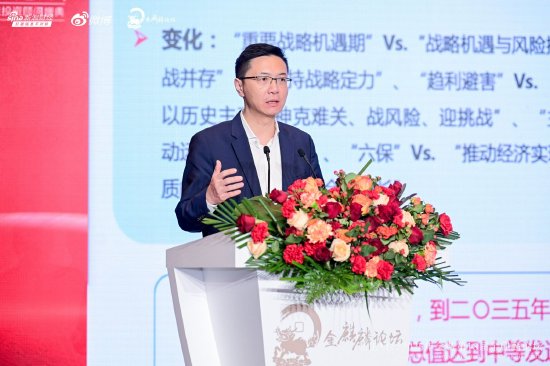
田轩:我们需要什么样的资本市场
Zheng Quan Ri Bao· 2025-12-26 05:19
Core Viewpoint - The report emphasizes the need for a capital market that supports technological innovation and the development of the real economy, focusing on two main aspects: a more inclusive venture capital market and a "less aggressive" secondary market [2][13]. Group 1: Inclusive Venture Capital Market - A more inclusive venture capital market is essential to support technological innovation, which is characterized by long cycles, high uncertainty, and high failure rates [4]. - The report highlights the importance of being tolerant towards entrepreneurs and venture capital funds, allowing for failures and encouraging early-stage investments [5]. - The comparison of venture capital fund durations between the U.S. (10-12 years) and China (5-7 years) indicates a need for longer investment horizons to support early-stage and high-risk projects [5]. Group 2: Less Aggressive Secondary Market - The secondary capital market is crucial, with approximately 600-700 million individuals involved, and the central government has emphasized its importance in recent policy discussions [6]. - A "less aggressive" secondary market is proposed to provide a quieter environment for high-growth and innovative companies, reducing short-term pressures from investors and analysts [6][7]. - Mechanisms such as strong anti-takeover provisions and controlled board member turnover are suggested to maintain stability and encourage long-term innovation [8]. - The report argues that excessive stock liquidity can attract short-term investors, which may negatively impact a company's innovation efforts [9]. - Long-term institutional investors are needed to better support innovative companies, as they can provide stability and oversight, especially during periods of failure [10]. - Reducing analyst pressure and the frequency of earnings disclosures can help alleviate short-term performance pressures on companies, allowing them to focus on long-term innovation [11][12]. Conclusion - A well-designed capital market that is both inclusive and less aggressive is essential for fostering an environment conducive to technological innovation and supporting the real economy [13].
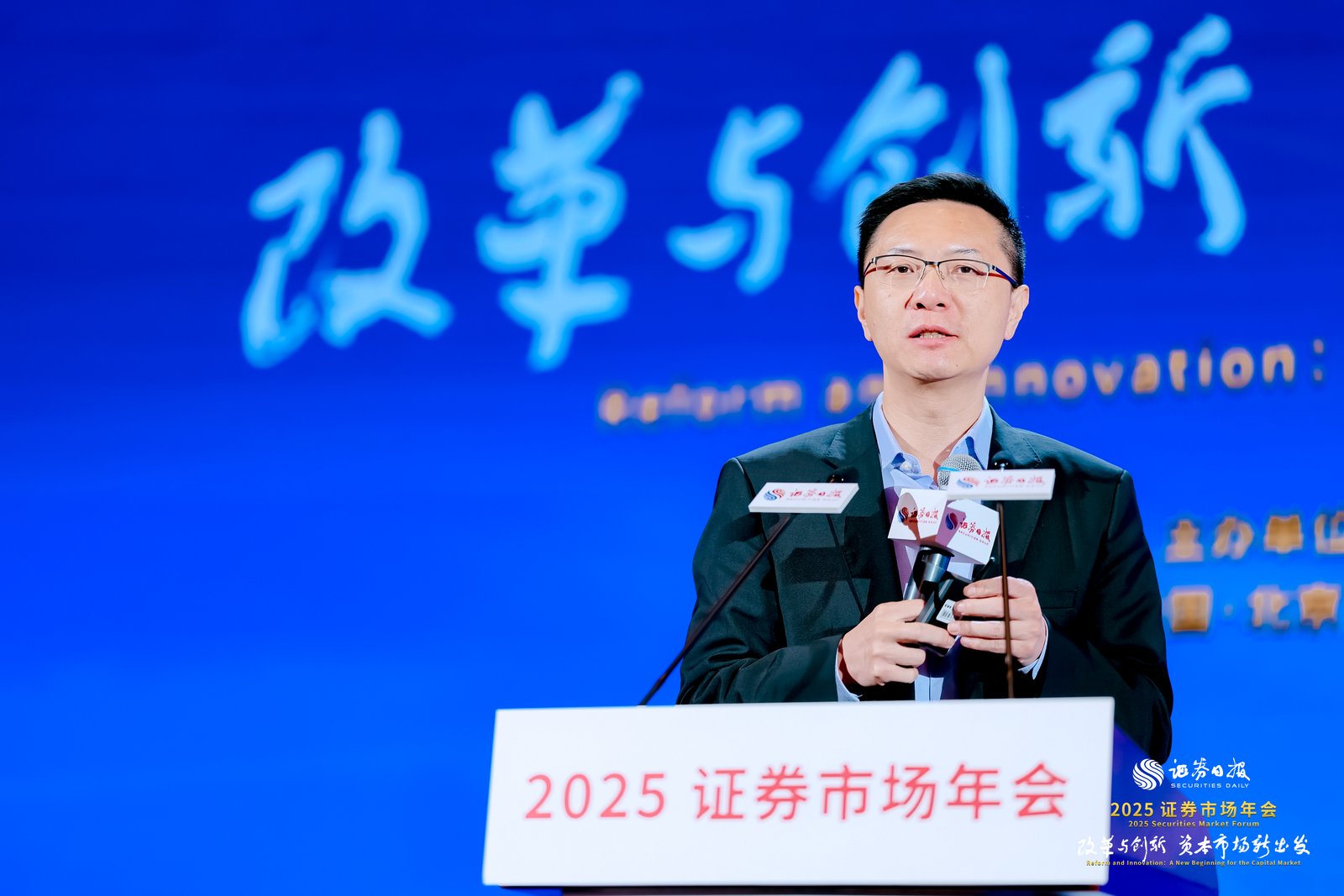
清华田轩:用包容创投、“不太积极”的二级市场激发科技创新
21世纪经济报道· 2025-12-07 09:41
Core Viewpoint - The article emphasizes the need for a more inclusive venture capital market and a "not overly aggressive" secondary market to support high-level technological self-reliance and innovation in China's capital market [1]. Group 1: Front-End Inclusion - The primary focus of financial support for technological innovation is to create a truly inclusive venture capital market, which is centered around the introduction and expansion of "patient capital" [3]. - The concept of "patient capital" has been repeatedly highlighted in several important policy documents from the central government, underscoring the role of venture capital in nurturing new productive forces [3]. - A healthy innovation ecosystem must first embrace "atypical" entrepreneurs who possess unique traits necessary for disruptive innovation, which requires a long-term capital base to support them [4]. Group 2: Back-End Safeguarding - As innovative companies transition from startup to growth and public listing, a critical shift in the capital market environment is necessary [6]. - A "not overly aggressive" secondary market can effectively motivate listed companies to engage in long-term, high-quality technological innovation, countering the pressure for short-term performance [6]. - Strong anti-takeover provisions, such as dual-class share structures, can protect management from short-term acquisition threats, allowing them to invest in long-term R&D projects [7]. - Maintaining moderate stock liquidity is crucial, as excessive liquidity can attract short-term traders, pressuring companies to prioritize immediate profits over long-term innovation [7]. - The introduction of genuine long-term institutional investors is essential, as they can help companies focus on core operations and enhance the efficiency of innovation resource allocation [8]. Group 3: Systemic Innovation - The integration of an inclusive venture capital market and a supportive secondary market forms a cohesive "dual" ecosystem that addresses both the survival of innovation seeds and the amplification of innovation outcomes [8]. - The ultimate mission of comprehensive reform in China's capital market is not merely to pursue short-term market activity but to establish a financial ecosystem that understands and supports long-term technological innovation [8].