
长江江豚保护

Search documents
1426头!江豚数量3年增加177头
Chang Jiang Ri Bao· 2026-01-31 02:20
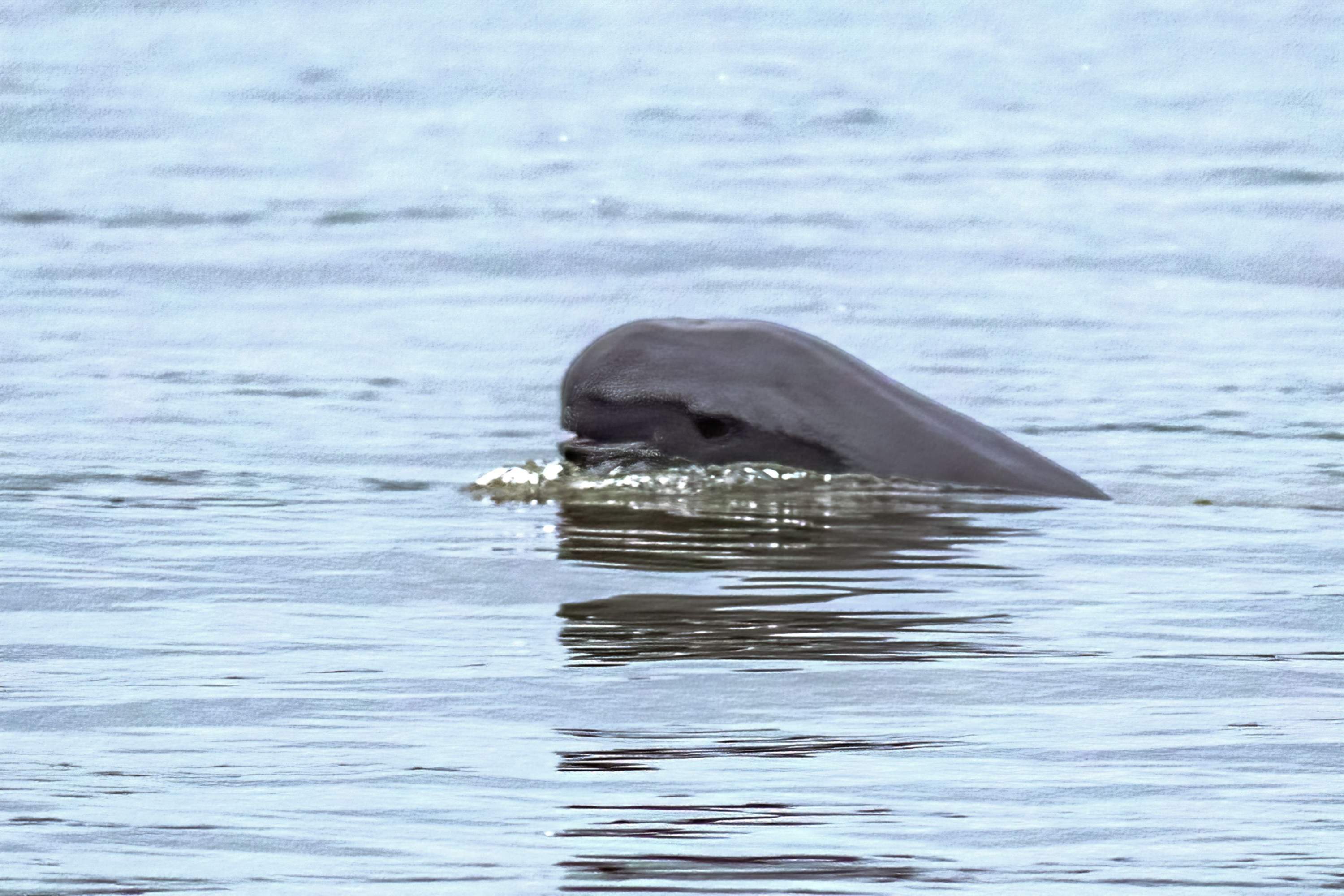
Core Viewpoint - The mid-term evaluation of the Yangtze River's ten-year fishing ban shows positive results, with the population of the Yangtze finless porpoise increasing from approximately 1,249 in 2022 to 1,426 in 2025, marking a rise of 177 individuals and entering a phase of stabilization and growth [1]. Group 1 - The Yangtze finless porpoise, as the only freshwater cetacean in China, serves as an indicator of the ecological health of the Yangtze River and a benchmark for assessing the effectiveness of the ten-year fishing ban [5]. - The population of the Yangtze finless porpoise had previously declined to 1,012 in 2017 due to human activities, down from a peak of 2,700 in the 1990s [5]. - Five designated conservation areas have been established in the middle and lower reaches of the Yangtze River, with over 150 individuals in ex-situ conservation, and more than 10 calves born annually, creating a network for future natural population replenishment [5]. Group 2 - The recently issued "Yangtze Finless Porpoise Rescue Action Plan (2026-2035)" outlines protection goals for the next decade, including increasing the natural population to 1,700 by 2030 and 2,000 by 2035, and the ex-situ population to 220 by 2030 and 300 by 2035 [9]. - The plan emphasizes the need for systematic protection measures, including regulating water activities, cleaning up remaining fishing gear, and restoring natural habitats [9]. - The return of the Yangtze finless porpoise is seen as a significant marker of ecological restoration, with sightings of porpoises in various sections of the Yangtze River, such as Wuhan and Nanjing, symbolizing the river's improving health [9].

多部门首次联合印发新一轮长江江豚拯救行动计划 我国将加强长江江豚系统性保护
Ren Min Ri Bao· 2026-01-20 06:47
Core Viewpoint - The population of the Yangtze finless porpoise has shown a historic rebound, indicating successful conservation efforts, leading to the implementation of a new action plan focused on systematic recovery rather than just rescue [1][2]. Group 1: Conservation Progress - The Yangtze finless porpoise population decreased from 2,700 in the 1990s to 1,012 in 2017, but recent assessments show a population of 1,249 in 2022, marking a 23.4% increase over five years [2][3]. - The new action plan (2026-2035) builds on the previous plan (2016-2025) and aims to provide comprehensive guidance for the protection and restoration of the Yangtze finless porpoise and its habitat [1][4]. Group 2: Action Plan Highlights - The new action plan shifts focus from "rescue protection" to "systematic recovery," emphasizing long-term ecological restoration and sustainable population growth [4][6]. - Key actions include regulating human activities in water bodies, restoring ecological functions, and integrating high-tech solutions with ecological protection [4][5]. Group 3: Innovative Protection Measures - The action plan incorporates advanced technologies such as intelligent acoustic monitoring, environmental DNA technology, satellite remote sensing, and AI image recognition to enhance monitoring and risk assessment [6][7]. - A collaborative protection network involving multiple departments and stakeholders is established to ensure shared responsibility and coordinated action in conservation efforts [6][7].
我国将加强长江江豚系统性保护
Ren Min Ri Bao· 2026-01-20 03:46
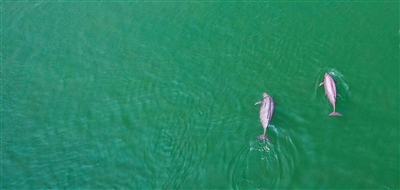
Core Viewpoint - The newly released Yangtze River Dolphin Rescue Action Plan (2026-2035) aims to shift the focus from "emergency protection" to "systematic restoration" of the Yangtze River dolphin population, emphasizing comprehensive ecological protection and restoration efforts [1][4]. Group 1: Current Protection Status - The population of Yangtze River dolphins has shown a historic rebound, increasing from 1,012 individuals in 2017 to 1,249 individuals in 2022, marking a 23.4% growth over five years [2]. - Despite the positive trend, the survival pressure on Yangtze River dolphins remains significant due to overlapping human activities, habitat destruction, and extreme weather conditions [3]. Group 2: Action Plan Highlights - The new action plan is a comprehensive upgrade from the previous plan (2016-2025), focusing on long-term ecological system restoration and sustainable population growth [4][5]. - Key actions include regulating human activities in water bodies, restoring critical habitats, and advancing artificial breeding technologies, with a total of ten major actions outlined [5]. Group 3: Technological and Mechanism Innovations - The action plan incorporates advanced technologies such as intelligent acoustic monitoring, environmental DNA technology, satellite remote sensing, and AI image recognition to enhance monitoring and protection efforts [6]. - A collaborative protection network involving multiple departments and stakeholders is being established to ensure effective implementation and shared responsibility in conservation efforts [6]. Group 4: Future Goals - The action plan sets clear short-term (2026-2030) and long-term (2031-2035) goals for natural populations, captive populations, and artificial breeding, aiming for continuous recovery of the Yangtze River dolphin population [7].
我国将加强长江江豚系统性保护(美丽中国)
Ren Min Ri Bao· 2026-01-20 00:24
Core Viewpoint - The population of the Yangtze finless porpoise has shown a historic rebound, indicating successful conservation efforts, with a shift in focus from "rescue protection" to "systematic restoration" through a new action plan [1][2]. Group 1: Conservation Progress - The Yangtze finless porpoise population decreased from 2,700 in the 1990s to 1,012 in 2017, but recent assessments show a recovery to 1,249 individuals, marking a 23.4% increase over five years [2]. - The new action plan (2026-2035) is a comprehensive upgrade from the previous plan (2016-2025), aiming for systematic protection and restoration of the species and its habitat [1][6]. Group 2: Action Plan Highlights - The action plan emphasizes the core focus on protecting the Yangtze finless porpoise and its habitat, with auxiliary measures including captive breeding and translocation [6][7]. - Specific actions include regulating human activities in water bodies, restoring ecological functions, and implementing advanced monitoring technologies [6][8]. Group 3: Technological Integration - The plan incorporates high-tech solutions such as smart acoustic monitoring networks, environmental DNA technology, satellite remote sensing, and AI image recognition for real-time tracking and health assessment of the population [8]. - This technological integration enhances the precision and timeliness of population dynamics tracking, habitat assessment, and threat identification [8]. Group 4: Collaborative Framework - A multi-departmental collaborative protection network is being established, involving various governmental bodies and encouraging public participation for shared responsibility in conservation efforts [8][9]. - The action plan outlines both short-term (2026-2030) and long-term (2031-2035) goals for natural, translocated, and captive populations, providing a clear strategic blueprint for conservation [9].
国内首次!八部门联合行动,保护长江“微笑天使”
Xin Lang Cai Jing· 2026-01-02 12:18
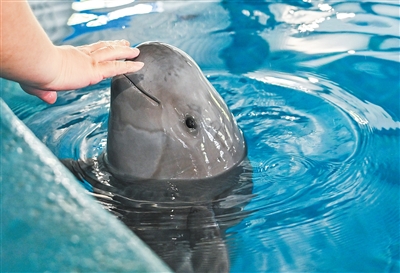
Core Viewpoint - The newly released "Yangtze River Dolphin Rescue Action Plan (2026-2035)" marks a significant milestone in the systematic protection of the Yangtze River dolphin, a key national protected aquatic species, emphasizing multi-departmental collaboration and proactive conservation efforts [1][4][5]. Group 1: Current Status and Historical Context - The Yangtze River dolphin, also known as the "smiling angel" and "panda of the water," is an indicator species for the Yangtze River ecosystem [3]. - The population of the Yangtze River dolphin has increased from 1,012 individuals in 2017 to 1,249 in 2022, reflecting a historic recovery with a growth rate of 23.4% over five years [4][7]. - The previous action plan (2016-2025) focused on urgent conservation needs due to the drastic decline in dolphin numbers, while the new plan aims for long-term ecological restoration and sustainable growth [4][5]. Group 2: New Action Plan Highlights - The new action plan outlines ten major actions covering the entire life cycle and protection chain of the Yangtze River dolphin, including habitat restoration and emergency protection measures [1][7]. - Short-term goals set for 2030 aim to increase the natural population to over 1,700 individuals, while long-term goals for 2035 target a population of over 2,000 [7][8]. - The plan emphasizes a shift from reactive to proactive conservation strategies, integrating advanced technologies such as AI and environmental DNA for monitoring and assessment [8]. Group 3: Collaborative Framework and Implementation - The new plan establishes a multi-departmental collaborative network, enhancing the roles of various governmental and research institutions, as well as public participation in conservation efforts [7][8]. - It aims to create a shared responsibility and coordinated action among different sectors, ensuring effective implementation of conservation measures [8][9].
国内首次!八部门联合行动 保护长江“微笑天使”
Yang Guang Wang· 2026-01-02 11:35
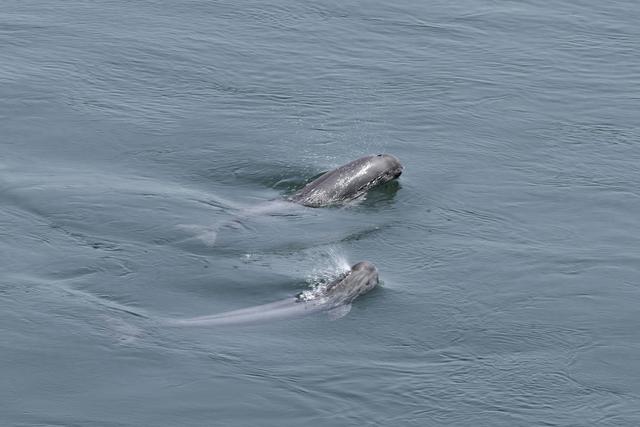
Core Viewpoint - The newly released "Yangtze River Dolphin Rescue Action Plan (2026-2035)" marks a significant milestone in the systematic protection of the Yangtze River dolphin, a key national protected aquatic species, transitioning from reactive rescue to proactive enhancement of conservation efforts [1][2][3]. Group 1: Action Plan Overview - The action plan is the first multi-departmental initiative aimed at the systematic protection of the Yangtze River dolphin, emphasizing the importance of collaborative efforts among various governmental and scientific bodies [1][2]. - It outlines ten major actions covering the entire life cycle and protection chain of the Yangtze River dolphin, calling for broad participation from enterprises, social organizations, and the public [1][3]. Group 2: Population Recovery and Goals - The natural population of the Yangtze River dolphin has increased from 1,012 in 2017 to 1,249 in 2022, reflecting a 23.4% growth over five years, indicating a historic recovery [2][3]. - The action plan sets a near-term goal of restoring the natural population to over 1,700 by 2030 and a long-term goal of exceeding 2,000 by 2035 [3]. Group 3: Technological Integration and Monitoring - The new plan incorporates advanced technologies such as intelligent acoustic monitoring networks, environmental DNA techniques, satellite remote sensing, drone patrols, and AI image recognition to enhance monitoring and assessment of dolphin populations and habitats [5]. - This integration of high-tech solutions aims to improve the precision and effectiveness of tracking population dynamics and identifying threats [5]. Group 4: Collaborative Mechanisms - The action plan emphasizes a multi-faceted collaborative network involving various departments, research institutions, and public participation, enhancing information sharing and coordinated action [4]. - It aims to overcome limitations of traditional monitoring methods by promoting the use of innovative technologies for better data quality and timeliness [4].
我国实施长江江豚拯救行动计划
Xin Lang Cai Jing· 2026-01-01 16:39
Core Viewpoint - The joint issuance of the "Yangtze River Dolphin Rescue Action Plan (2026-2035)" by multiple government departments aims to enhance the systematic protection of the Yangtze River dolphin, which is the only freshwater whale species in China and serves as an indicator of the ecological health of the Yangtze River [1] Group 1 - The Yangtze River dolphin is primarily distributed in the middle and lower reaches of the Yangtze River, Dongting Lake, Poyang Lake, and a few tributaries [1] - The survival status of the Yangtze River dolphin directly reflects the health of the Yangtze River ecosystem [1]
十大行动!我国实施长江江豚拯救行动计划(2026—2035年)
Xin Hua She· 2025-12-31 12:53
Core Viewpoint - The article discusses the joint issuance of the "Yangtze River Dolphin Rescue Action Plan (2026-2035)" by multiple government departments in China, aimed at strengthening the systematic protection of the Yangtze River dolphin, a flagship species reflecting the health of the Yangtze ecosystem [1]. Group 1: Action Plan Overview - The action plan focuses on the protection of the Yangtze River dolphin and its habitat, with a strategy that includes ex-situ conservation and artificial breeding as supplementary measures [1]. - It outlines ten major actions, including the regulation of water-related activities and the restoration of important habitats, along with setting both short-term and long-term goals for natural populations, ex-situ populations, and artificial breeding [1]. Group 2: Conservation Philosophy - The plan adheres to the principles of "coordinated large-scale protection, avoiding large-scale development" and "ecological priority, green development," aiming to stabilize the population growth and effectively protect habitats [1]. - It emphasizes the role of the Yangtze River dolphin as a flagship species that can help promote overall ecological protection and systematic restoration of the Yangtze water area [1]. Group 3: Current Status and Historical Context - The Yangtze River dolphin is the only freshwater whale species in China, primarily found in the middle and lower reaches of the Yangtze River, Dongting Lake, Poyang Lake, and a few tributaries, with its survival status directly reflecting the health of the Yangtze ecosystem [1]. - The natural population of the Yangtze River dolphin has been in rapid decline due to human activities from the late 20th century to the early 21st century, but the trend of rapid decline has been effectively curbed since the ten-year fishing ban on the Yangtze River, leading to a historic halt in the decline [1].
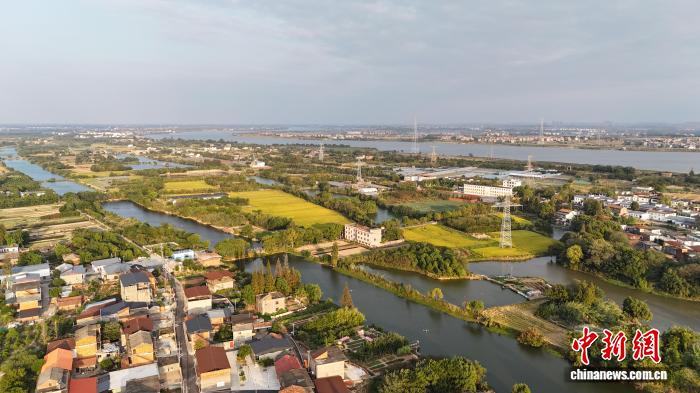
(走进中国乡村)百年渔村有个“江豚湾”
Zhong Guo Xin Wen Wang· 2025-10-24 05:25
Core Viewpoint - The article highlights the transformation of a traditional fishing village in Jiangxi, China, into a conservation area for the Yangtze River dolphin, showcasing the positive environmental and economic impacts of the "Ten-Year Fishing Ban" initiated in 2020 [1][2]. Group 1: Environmental Changes - The fishing village has a history of approximately 400 years, and since the implementation of the "Ten-Year Fishing Ban" in 2020, the water quality of the Gan River has significantly improved, leading to the return of the Yangtze River dolphins [1][2]. - In August 2020, a photographer captured images of groups of dolphins in the Gan River, marking their return to the area after nearly 40 years [2]. Group 2: Economic Development - The village has been designated as a demonstration village for rural revitalization in Nanchang City, focusing on environmental improvement and the development of specialty aquaculture and tourism [2]. - It is projected that by 2024, the village will receive over 50,000 tourists, indicating a shift towards eco-tourism and sustainable economic opportunities for former fishermen [2]. Group 3: Community Involvement - The local community has formed the "Yangtze River Dolphin Protection Association" and a volunteer fishing protection team, consisting of former fishermen who have transitioned from fishing to conservation efforts [2][5]. - The change in identity from fishermen to protectors of the dolphins reflects a broader understanding of ecological preservation as essential to safeguarding their home environment [5].
世界第一头人工繁育长江江豚“淘淘”20岁了
Chang Jiang Ri Bao· 2025-07-06 00:35
Group 1 - The core viewpoint of the articles highlights the successful artificial breeding and conservation efforts for the endangered Yangtze River dolphin, represented by "Tao Tao," who recently celebrated its 20th birthday [1][2] - "Tao Tao" was born on July 5, 2005, and is recognized as the first Yangtze River dolphin successfully bred and surviving in an artificial environment, marking a significant milestone in conservation efforts [1] - The breeding success of "Tao Tao" has led to the growth of its family to five dolphins, including three healthy offspring, which demonstrates the potential for species recovery [1] Group 2 - Researcher Wang Ding from the Chinese Academy of Sciences emphasizes that "Tao Tao's" life story is a vivid representation of successful conservation for endangered species, providing valuable experience for scientific research [2] - The establishment of stable populations of Yangtze River dolphins in specific areas of Wuhan indicates progress in the species' natural population protection [2] - The international recognition of China's conservation practices, as evidenced by representatives from Cambodia and Laos visiting to learn from the Yangtze River dolphin protection efforts, highlights the global significance of these initiatives [2]