
长江流域生态环境保护

Search documents
加强长江流域执法司法工作协同
Ren Min Ri Bao· 2025-08-25 22:40
Core Viewpoint - The recent release of the opinion by 12 departments, including the Supreme People's Court and the National Development and Reform Commission, aims to enhance the collaborative enforcement and judicial work to protect the ecological environment and promote high-quality development in the Yangtze River Basin [1][2]. Group 1: Collaborative Enforcement and Judicial Work - The opinion emphasizes the need for improved communication and consultation among departments, focusing on key areas such as pollution prevention, fishing bans, riverbed sand mining management, and the protection of endangered species [1]. - It calls for unified enforcement and judicial standards to ensure consistent rulings in similar cases, thereby enhancing the standardization of enforcement and judicial practices [1]. Group 2: Ecological Restoration - The opinion mandates inter-departmental collaboration for ecological restoration, ensuring effective maintenance and evaluation of restoration efforts [2]. - It highlights the importance of cross-regional cooperation in implementing restoration plans and emphasizes the need for legal supervision and effect assessment of restoration work [2]. - The document also outlines beneficial experiences regarding the transfer of ecological restoration funds and the execution of restoration by local judicial authorities in affected areas [2].
最高法等十二部门联合印发意见—— 加强长江流域执法司法工作协同
Ren Min Ri Bao· 2025-08-25 21:48
Core Viewpoint - The recent release of the "Opinions on Strengthening Law Enforcement and Judicial Work Coordination to Support Ecological Environment Protection and High-Quality Development in the Yangtze River Basin" aims to enhance the effectiveness of ecological protection through improved collaboration among various governmental departments [1][2]. Group 1: Law Enforcement and Judicial Coordination - The Opinions emphasize the need for enhanced communication and consultation among departments, focusing on key areas such as pollution prevention, fishing bans, riverbed sand mining management, and the protection of endangered species [1]. - It calls for unified standards in law enforcement and judicial practices to ensure consistent rulings in similar cases, thereby improving the standardization of law enforcement and judicial processes [1]. Group 2: Ecological Restoration - The Opinions require inter-departmental collaboration for ecological restoration, ensuring effective maintenance and evaluation of restoration efforts [2]. - It highlights the importance of cross-regional cooperation in implementing restoration plans and mandates the supervision and assessment of these efforts to ensure the damaged ecological environment is effectively restored [2]. - The document also outlines the process for transferring ecological restoration funds across administrative boundaries to facilitate the execution of restoration projects in affected areas [2].
长江保护法实施四年,执法司法协同如何守护“一江碧水”
第一财经· 2025-08-15 05:44
Core Viewpoint - The article discusses the strengthening of law enforcement and judicial coordination across the Yangtze River basin to support ecological protection and high-quality development, emphasizing a system-wide governance approach and the importance of ecological prioritization and green development [3][9]. Summary by Sections Legal Framework and Achievements - The "Yangtze River Protection Law" has been in effect since March 1, 2021, leading to significant achievements in ecological protection through enhanced law enforcement, ecological restoration, and public participation, with 457,400 environmental resource cases adjudicated by courts in the basin [3][4]. Case Studies - A notable case involved the Shanghai court's handling of a bankruptcy restructuring for a port company, which integrated environmental governance into the restructuring process, attracting over 87 million yuan in investments while ensuring ecological commitments [4]. - In a case concerning virtual currency mining machines, a court ruled the sales contract invalid due to excessive energy consumption and carbon emissions, promoting lower carbon production practices [5]. Challenges in Environmental Protection - The article highlights ongoing challenges in environmental law enforcement, including lengthy and costly environmental damage assessments, lack of unified standards, and the complexity of information sharing among various departments [6][9]. - Discrepancies in judicial outcomes for similar environmental offenses were noted, with significant variations in penalties and ecological compensation responsibilities across different cases [7]. Recommendations for Improvement - The article outlines recommendations from the recent opinion issued by 12 government departments, focusing on unified standards for law enforcement, enhanced collaboration across administrative regions, and improved ecological assessment practices [9][10]. - It emphasizes the need for a coordinated approach to environmental governance, including the establishment of a shared database for ecological law enforcement and judicial information to avoid data silos [9][10].

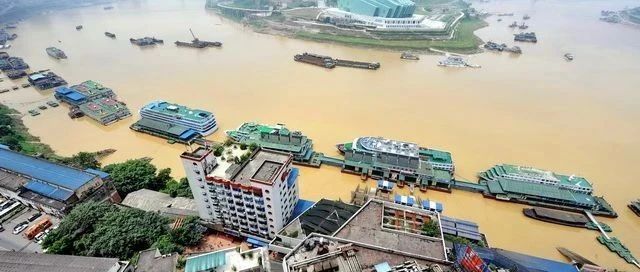
长江保护法实施四年,执法司法协同如何守护“一江碧水”|记者观察
Di Yi Cai Jing· 2025-08-15 03:52
Core Viewpoint - The article discusses the challenges and advancements in the ecological environment protection and judicial practices in the Yangtze River Basin, emphasizing the need for coordinated efforts among various departments to enhance ecological governance and support high-quality development [1][6]. Group 1: Legislative and Judicial Developments - The "Yangtze River Protection Law" has been in effect since March 1, 2021, leading to significant achievements in ecological protection through enhanced law enforcement, ecological restoration, and public participation [1]. - A total of 457,400 environmental resource cases have been adjudicated by courts across 19 provinces and municipalities in the Yangtze River Basin, showcasing the judicial system's role in environmental protection [1]. Group 2: Collaborative Efforts and Case Studies - The Supreme People's Court's Environmental Resource Tribunal has highlighted successful case studies, such as the bankruptcy restructuring of a company in the Yangtze River Delta, which integrated environmental protection commitments into its recovery plan, attracting over 87 million yuan in investments [2]. - Courts in Hunan and Jiangsu have taken significant actions against environmentally harmful practices, such as declaring contracts for energy-intensive virtual currency mining equipment invalid, thereby promoting lower carbon production methods [2]. Group 3: Challenges in Environmental Judicial Practices - The article identifies key challenges in environmental judicial practices, including lengthy and costly environmental damage assessments, which hinder timely case resolutions [3]. - There is a lack of uniformity in judicial standards, as evidenced by discrepancies in sentencing for similar environmental offenses, indicating a need for standardized judicial practices [3]. Group 4: Recommendations for Improvement - The "Opinions" document proposes enhancing cross-regional coordination in environmental resource crime cases, emphasizing systematic governance and professional adjudication [6][7]. - It suggests improving the construction of ecological assessment and evaluation institutions, sharing expert resources, and promoting data collaboration among departments to address existing challenges in environmental governance [6][7].

最高法等12部门联合发布意见 加强长江流域执法司法工作协同
Jing Ji Ri Bao· 2025-08-14 22:08
Core Viewpoint - The Supreme People's Court, the Supreme People's Procuratorate, and the National Development and Reform Commission, along with 12 other departments, jointly issued opinions to enhance law enforcement and judicial collaboration for ecological protection and high-quality development in the Yangtze River Basin [1] Group 1: Overall Requirements - The opinions consist of 18 articles divided into four parts: overall requirements, strengthening linkage, optimizing coordination, and deepening cooperation [1] - It emphasizes the need to advance law-based governance and efficiency, utilizing the strictest systems and laws to protect the ecological environment of the Yangtze River Basin [1] Group 2: Strengthening Law Enforcement and Judicial Collaboration - Specific measures for enhancing law enforcement and judicial collaboration include unifying enforcement standards, supporting joint actions by administrative law enforcement agencies, and improving assessment and identification standards [1] - The establishment of a shared expert database aims to address challenges related to identification difficulties and costs in practice [1] Group 3: Data Sharing and Coordination - The opinions promote cross-departmental big data collaboration for case handling and information sharing regarding ecological law enforcement and judicial data in the Yangtze River Basin [1] Group 4: Legal Responsibility Coordination - There is a focus on coordinating legal responsibilities, clearly defining criminal, civil, and administrative liabilities, and considering leniency for violators who actively engage in ecological restoration and compensation [1] Group 5: Ecological Restoration Collaboration - The opinions call for enhanced inter-departmental collaboration on ecological restoration, scientifically determining and reasonably implementing restoration plans, and ensuring supervision and evaluation of restoration work [1]
用最严密法治保护长江流域生态环境 12部门联合印发意见
Zhong Guo Xin Wen Wang· 2025-08-14 07:13
Core Viewpoint - The Supreme People's Court and 12 other central and national agencies jointly issued an opinion to enhance law enforcement and judicial collaboration for the ecological protection and high-quality development of the Yangtze River Basin [1][2]. Group 1: Overall Requirements - The opinion emphasizes ecological priority and green development, aiming to support major regional strategies like the Yangtze River Economic Belt and Yangtze River Delta integration [2]. - It calls for coordinated and systematic governance, establishing an integrated protection mechanism for the ecosystem [2]. - The opinion stresses the importance of strict legal frameworks to protect the ecological environment of the Yangtze River Basin [2]. Group 2: Strengthening Collaboration - The opinion outlines measures to enhance law enforcement and judicial collaboration, focusing on pollution prevention and other key areas [3]. - It supports joint actions in cross-regional and ecologically sensitive areas to address environmental violations [3]. - The opinion highlights the need for improved technical support and shared expert resources to address environmental assessment challenges [3]. Group 3: Optimizing Coordination - The opinion specifies the need for better coordination between administrative law enforcement and criminal justice regarding environmental cases [4]. - It emphasizes the importance of evidence collection and cooperation among relevant agencies in environmental resource cases [4]. - The opinion calls for a comprehensive approach to legal responsibilities, ensuring that violators fulfill ecological restoration and compensation duties [4]. Group 4: Deepening Cooperation - The opinion promotes regular communication mechanisms to enhance policy consistency and execution [5]. - It encourages joint research and training to improve the capabilities of law enforcement and judicial personnel [5]. - The opinion advocates for the establishment of ecological protection and restoration bases to enhance governance effectiveness [5]. Next Steps - The People's Court will implement the requirements of the opinion to protect the ecological environment and promote high-quality development in the Yangtze River Basin [6].
12部门联合发布意见加强长江流域执法司法工作协同
Xin Hua Wang· 2025-08-14 06:31
Core Viewpoint - The document outlines a collaborative approach among various governmental departments to enhance law enforcement and judicial work in protecting the ecological environment of the Yangtze River Basin and promoting high-quality development [1][2] Group 1: Law Enforcement and Judicial Collaboration - The opinion emphasizes the need for improved communication and coordination among departments, focusing on key areas such as pollution prevention, a ten-year fishing ban, and riverbed sand mining management [1] - It aims to unify law enforcement and judicial standards to enhance the overall level of regulatory compliance [1] - The document supports joint actions by administrative law enforcement agencies in regions with high ecological sensitivity and frequent environmental violations [1] Group 2: Ecological Restoration - The opinion calls for enhanced inter-departmental collaboration on ecological restoration, including the scientific determination and reasonable implementation of restoration plans [1] - It emphasizes the importance of legal supervision and effectiveness evaluation in the implementation of restoration efforts [1] - The establishment of ecological protection and restoration bases is proposed to integrate various functions such as ecological restoration, legal education, and comprehensive governance [1]
长江流域19省区市法院4年审结各类环境资源一审案件45.74万件
Ren Min Ri Bao· 2025-06-02 21:43
Core Points - The meeting in Chongqing focused on the implementation of the Yangtze River Protection Law and its effectiveness in ecological environment protection and high-quality development [1] - Over the past four years, courts in 19 provinces and municipalities along the Yangtze River have adjudicated 457,400 environmental resource cases, including 85,900 criminal cases, 229,200 civil cases, and 142,300 administrative cases [1] - The Supreme People's Court has issued 22 judicial interpretations related to environmental pollution crimes and ecological infringement, and has published 45 guiding cases on ecological environment protection [1] Group 1 - The courts have actively extended judicial protection of the environment from the trial phase to post-judgment environmental restoration [2] - A total of 717 comprehensive ecological environment judicial protection (restoration) bases have been established in key areas such as the Sanjiangyuan and rare fish protection zones [2] - The courts utilize preventive environmental public interest litigation, injunctions, and preliminary execution to prevent ecological damage [2]
汇聚司法合力 奏响“长江之歌”
Zhong Guo Xin Wen Wang· 2025-05-28 10:48
Core Viewpoint - The meeting held in Chongqing emphasizes the judicial efforts in protecting the ecological environment of the Yangtze River and promoting high-quality development, marking the fourth anniversary of the implementation of the Yangtze River Protection Law [1] Group 1: Judicial Function and Achievements - From March 1, 2021, to February 28, 2023, courts in 19 provinces along the Yangtze River adjudicated 457,400 environmental resource cases, showcasing the commitment to legal protection of the ecological environment [2] - The Chongqing court has concluded 7,842 environmental resource cases and approved the enforcement of administrative fines totaling 177 million yuan, demonstrating effective judicial action [2] - Landmark cases such as the "Yunnan Green Peacock case" and the "Guizhou Ancient Tree case" highlight the progress in legal governance along the Yangtze River [2] Group 2: Ecological Restoration Efforts - The courts are extending their judicial protection efforts beyond trial phases to include post-judgment environmental restoration, ensuring timely recovery of damaged ecosystems [4] - Various courts are enhancing judicial protection for critical ecological areas, such as the source of the Yangtze River and the Three Gorges Reservoir, to strengthen ecological barriers [4] - Jiangsu courts have established 77 judicial restoration bases for ecological damage, implementing innovative compensation methods that allow companies to offset fines through environmental technology investments [4] Group 3: Collaborative Judicial Mechanisms - Courts across the Yangtze River basin are collaborating effectively, signing 486 cooperation agreements with various law enforcement agencies to enhance ecological governance [7] - The integration of judicial processes with environmental law enforcement aims to create a multi-faceted governance structure for the protection of the Yangtze River [7] - The Supreme People's Court emphasizes the importance of high-quality judicial services in ensuring the ecological safety and pollution prevention in the Yangtze River basin [7]