
零碳经济特区

Search documents
当曾毓群和71位顶级科学家坐在一起
Xin Lang Cai Jing· 2026-02-12 05:52
Core Viewpoint - The 2026 World Summit of Top Scientists and the World Government Summit held in Dubai focused on "Fundamental Science: Addressing Future Challenges for Humanity," highlighting the intersection of science and politics in addressing global issues [3][31]. Group 1: Energy Transition - A key focus of the summit was on energy, with Ningde Times' chairman, Zeng Yuqun, being the only Chinese entrepreneur present [4][31]. - Zeng predicted that 2030 will mark the beginning of the sustainable energy era, describing the current transition as a revolutionary change comparable to the shift from hunting-gathering to agricultural societies [7][34]. - The cost of lithium iron phosphate batteries and solar energy has decreased by approximately 80% over the past decade, making clean energy not only a climate goal but also a commercially viable choice [7][34]. Group 2: Technological Innovations - Zeng defined the future energy system with three characteristics: distributed, intelligent, and recyclable [8][35]. - Ningde Times has established a vision to contribute significantly to the new energy sector, with ongoing efforts to develop advanced energy technologies [9][36]. - The company has invested over 52 billion yuan in R&D over the past three years, with a patent portfolio of approximately 49,000 [40]. Group 3: Zero Carbon Economy - Zeng proposed the establishment of "Zero Carbon Economic Zones" to promote advanced energy technologies efficiently and economically [8][35]. - Ningde Times is constructing integrated zero-carbon industrial parks across various regions, aiming for a global battery material recycling rate exceeding 95% by 2030 [52][54]. - The company is also leading the development of national standards for battery recycling, achieving a nickel-cobalt-manganese recovery rate of 99.6% and a lithium recovery rate of 96.5% [52]. Group 4: Industry Challenges and Strategies - The lithium battery industry faces significant competition, with the price of lithium iron phosphate cells dropping by 65.79% from January 2023 to August 2025 [43]. - Zeng emphasizes the importance of maintaining R&D focus to avoid losing competitive advantages in the lithium battery sector [43][50]. - Ningde Times has adopted an "open innovation" approach to optimize internal and external innovation capabilities, aiming to break through technological ceilings in the battery industry [44][46].


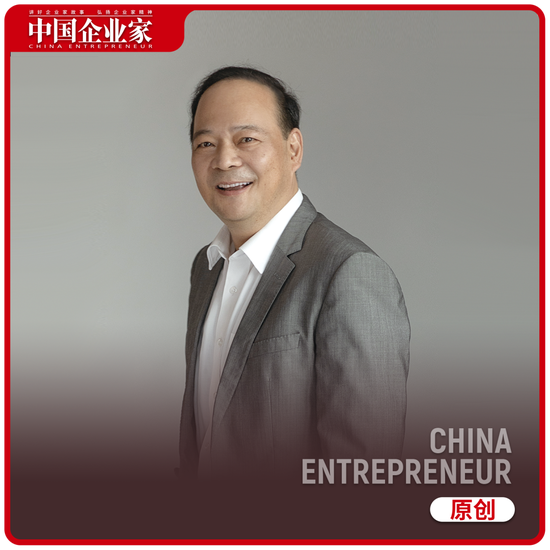
宁德时代董事长曾毓群:未来可持续能源系统呈现三大特征
2 1 Shi Ji Jing Ji Bao Dao· 2026-02-04 14:00
Core Insights - The article discusses the ongoing revolutionary energy transformation from fossil fuels to renewable energy sources, emphasizing the role of advanced technologies in making sustainable energy solutions commercially viable [3][4]. Group 1: Energy Transition - Humanity is undergoing a significant energy revolution, shifting from fossil fuel extraction to harnessing energy from wind and solar power, with storage in batteries [3]. - Ningde Times has deployed "photovoltaic + energy storage" systems in remote mines in Chile and the Democratic Republic of Congo, reducing electricity costs to about one-fourth of diesel generator costs [3]. - In Pakistan, Ningde Times' energy storage solutions are providing reliable power to local cement plants, cutting electricity costs by half when combined with solar power [3]. Group 2: Challenges and Solutions - A major challenge in global energy transition is the high manufacturing costs of new energy products due to excessive regulations in some overseas markets [4]. - The company suggests establishing "zero-carbon economic zones" in certain countries to promote advanced energy technologies more efficiently and economically [4]. Group 3: Future Energy System Characteristics - The future energy system will be characterized by three key features: "distributed," "intelligent," and "circular" [4]. - Distributed power systems, incorporating renewable energy generation and advanced battery storage, will replace centralized fossil fuel systems, especially in areas with weak grid infrastructure [4]. - Ningde Times is developing high-voltage grid-type energy storage technology to address the stability challenges of high renewable energy penetration [4]. Group 4: Intelligent Energy Management - Advanced AI-driven scheduling and optimization will effectively balance energy supply and demand, leading to a more intelligent energy system [5]. - In Shanghai, Ningde Times' energy storage system utilizes AI technology to enhance energy management efficiency for SenseTime's AI data center [5]. Group 5: Circular Economy - The circular economy will be crucial for achieving zero-carbon energy, with materials from zero-carbon energy systems being recyclable [5]. - Ningde Times has achieved a nickel and cobalt recycling rate of 99.6% and a lithium recycling rate of 96.5%, the highest in the industry [5]. - The company has initiated the "Global Energy Circular Economy Plan (GECC)" to promote circular economy practices within the industry [5].
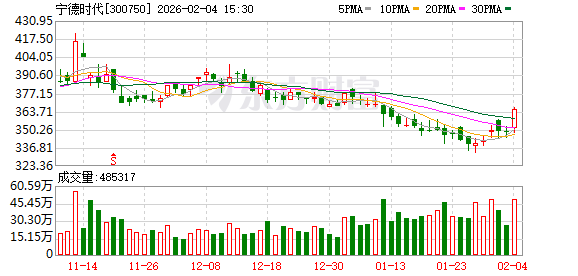
宁德时代曾毓群最新讲话曝光
Di Yi Cai Jing Zi Xun· 2026-02-04 09:27
Core Insights - The article emphasizes the critical role of energy in driving civilization and highlights the ongoing revolutionary energy transformation, comparable to historical shifts from hunting-gathering to agriculture [2][3]. Group 1: Energy Transition - The energy revolution is catalyzed by declining costs, making sustainable energy solutions economically viable in certain scenarios, surpassing traditional energy sources [3]. - In the past decade, the costs of lithium iron phosphate (LFP) batteries and solar energy have decreased by approximately 80% [3]. Group 2: Company Initiatives - In June 2024, CATL established a zero-carbon energy division to transition from a traditional battery manufacturer to a provider of renewable energy solutions [4]. - CATL's "solar + storage" systems have been deployed in Chile and the Democratic Republic of Congo, providing power at one-fourth the cost of diesel generators [4]. - In Pakistan, the combination of distributed solar growth and CATL's storage solutions has halved electricity costs for local cement factories [4]. Group 3: Future Outlook - Despite advancements, CATL acknowledges significant gaps remain in achieving a fully sustainable energy system, with many key technologies still underdeveloped [5]. - CATL plans to promote sustainable energy solutions globally through a technology licensing model, facilitating rapid establishment of battery factories [5]. - The company proposes the creation of "zero-carbon economic zones" to streamline building and equipment regulations, enhancing product affordability [5]. - Future energy system trends are predicted to be distributed, intelligent, and circular, with 2030 marked as the beginning of the sustainable energy era [5].
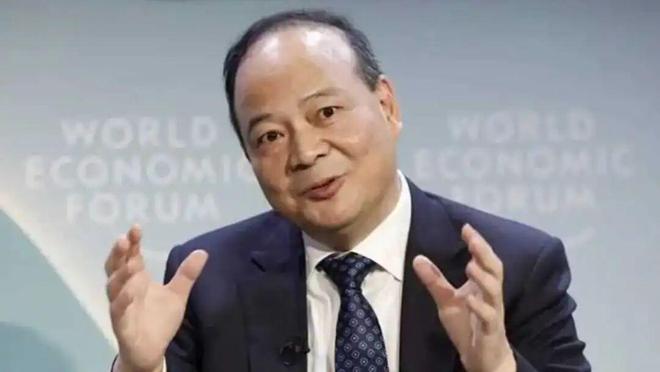
宁德时代曾毓群最新讲话曝光
第一财经· 2026-02-04 09:13
Core Viewpoint - The article emphasizes the critical role of energy in driving civilization and highlights the ongoing energy revolution, which is transitioning from fossil fuels to renewable energy sources like wind and solar power [2][3]. Group 1: Energy Revolution - The energy revolution is compared to historical shifts in human civilization, marking a transition from fossil energy to renewable sources [2]. - The cost reduction in sustainable energy solutions is a key catalyst for this revolution, making them economically viable compared to traditional energy sources [3]. Group 2: Market Trends and Predictions - By 2025, China's new power generation capacity is expected to reach 550 million kilowatts, with wind and solar accounting for 440 million kilowatts, representing 80.2% of the total new capacity [3]. - The share of renewable energy sources in new electricity consumption is projected to be 97.1%, indicating a significant shift towards green energy [3]. Group 3: Technological Advancements - The cost of lithium iron phosphate (LFP) batteries and solar energy has decreased by approximately 80% over the past decade, facilitating the transition to renewable energy [4]. - Despite advancements, there is still a considerable gap in achieving a fully sustainable energy system, with only about 30% of key technologies currently developed [4]. Group 4: Global Collaboration and Solutions - Ningde Times aims to promote sustainable energy solutions globally through a technology licensing model, which has already been implemented in collaboration with Ford in the U.S. [4]. - The establishment of "zero-carbon economic zones" is proposed to facilitate the sharing of best practices and regulatory frameworks similar to those in China [5]. Group 5: Future Energy Trends - The future energy system is predicted to evolve towards three main trends: distributed generation, intelligence, and circular economy, with 2030 being identified as the beginning of the sustainable energy era [6].

事关能源变革,宁德时代曾毓群最新讲话曝光
Di Yi Cai Jing· 2026-02-04 08:50
Core Viewpoint - The energy sector is undergoing a revolutionary transformation, comparable to historical shifts in human civilization, driven by the transition from fossil fuels to renewable energy sources like wind and solar power [1][2]. Group 1: Energy Revolution - The energy revolution is catalyzed by decreasing costs, making sustainable energy solutions economically viable in certain scenarios, transitioning from policy-driven to market-driven adoption [2]. - The cost of lithium iron phosphate (LFP) batteries and solar energy has decreased by approximately 80% over the past decade, according to the International Energy Agency (IEA) and Bloomberg New Energy Finance (BNEF) [2]. Group 2: Company Initiatives - In June 2024, the company established a zero-carbon energy division to shift from a traditional battery manufacturer to a provider of renewable energy solutions [3]. - The company has deployed "solar + storage" systems in Chile and the Democratic Republic of Congo, reducing operational costs to about one-fourth of diesel generators [3]. - In Pakistan, the combination of distributed solar growth and the company's storage solutions has halved electricity costs for local cement factories [3]. Group 3: Future Trends and Strategies - The company acknowledges that significant gaps remain in achieving a fully sustainable energy system, with only about 30% of key technologies currently developed [3]. - To accelerate the energy transition, the company plans to promote sustainable energy solutions globally through a technology licensing model, which has already been implemented in collaboration with Ford in the U.S. [3]. - The company proposes the establishment of "zero-carbon economic zones" to facilitate the circulation of best practices and regulatory frameworks similar to those in China [4]. - Future energy system trends are predicted to be distributed, intelligent, and circular, with 2030 marked as the beginning of the sustainable energy era [4].