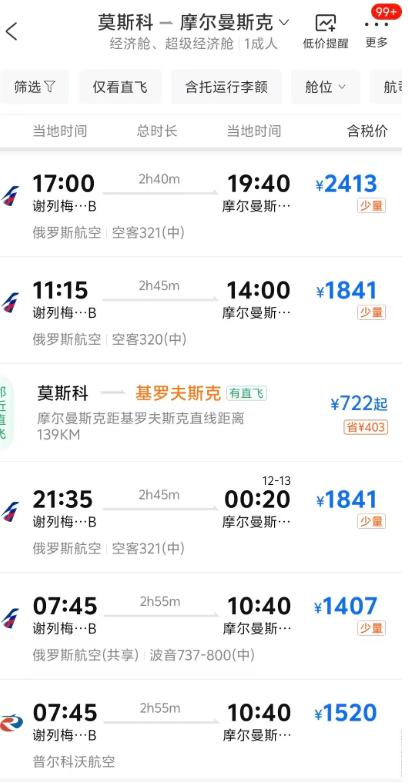
需求溢出导致的局部通胀

Search documents
第一批免签去俄罗斯的中产,傻眼了
36氪· 2025-12-18 00:09
Core Viewpoint - The recent visa-free policy for Chinese tourists to Russia has led to excitement, but the reality of traveling in Russia presents significant challenges and frustrations for these tourists [4][6]. Group 1: Tourist Experiences - Chinese tourists, like Ahao and Lao Chen, faced numerous difficulties upon arrival in Russia, including connectivity issues due to a new regulation that imposes a 24-hour silence period on foreign SIM cards [12][28]. - The lack of international hotel brands and the high prices of local accommodations have made travel more expensive than anticipated, with some hotels charging over 2,000 yuan per night [17][24]. - Tourists have reported significant issues with navigation and payment methods, as popular services like WeChat and Alipay are not functional, leading to reliance on cash [21][22]. Group 2: Economic Context - The economic situation in Russia has led to inflated prices for goods and services, driven by a war-time economy and sanctions, which have altered the pricing logic for tourists [34][50]. - The influx of wealthy Russians, unable to travel abroad, has created a demand surge in local tourism, further driving up prices [47][48]. - Tourists expecting lower prices due to currency depreciation have found themselves competing with local affluent consumers, resulting in a skewed value proposition [50][51]. Group 3: Service Quality - The quality of service in Russia has declined, with tourists experiencing a stark contrast to the high service standards they are accustomed to in other countries [59][63]. - The current market dynamics in Russia, where high-end tourism resources are scarce, have led to a seller's market mentality, resulting in indifferent service towards tourists [62][66]. Group 4: Misaligned Expectations - Many Chinese tourists have turned to Russia as an alternative destination due to flight cancellations to Japan, but the experience is vastly different from what they expected [70][76]. - The attempt to substitute a trip to Japan with a trip to Russia has proven to be misguided, as the cultural and service expectations are not aligned [75][79]. - Tourists who can adapt to the unique challenges of traveling in Russia may still find value in the experience, despite the difficulties faced [83][85].

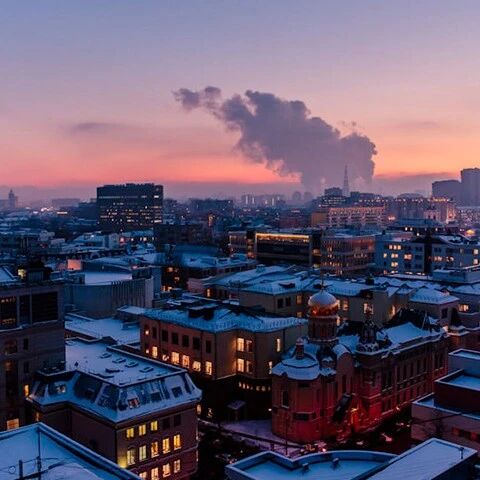
第一批免签去俄罗斯的中国游客,傻眼了
虎嗅APP· 2025-12-16 10:38
Core Viewpoint - The recent implementation of visa-free travel to Russia for Chinese tourists has led to unexpected challenges and frustrations, highlighting the complexities of traveling in a country under sanctions and the resulting economic conditions [4][20][21]. Group 1: Tourist Experiences - The first batch of Chinese tourists, like Ahao, faced significant connectivity issues upon arrival in Moscow due to a new regulation that imposes a 24-hour silence period on foreign SIM cards [8][9]. - Tourists reported a lack of international hotel brands and high prices for local accommodations, with some hotels charging exorbitant rates for basic services [10][14]. - The GPS signal interference in Moscow made navigation difficult, forcing tourists to rely on outdated methods for finding their way [12][13]. Group 2: Economic Conditions - The sanctions have led to a significant increase in local prices, with tourists discovering that the cost of services and accommodations is often higher than in Europe, despite the devaluation of the ruble [19][25][28]. - The influx of wealthy Russians into domestic tourist spots has driven prices up, creating a situation where Chinese tourists are competing with local consumers for limited resources [31][32]. Group 3: Service Quality - Tourists experienced a decline in service quality, with many noting a stark contrast to the high service standards they are accustomed to in China [39][41]. - The current market conditions in Russia, characterized by high demand and limited supply, have resulted in a seller's market where service providers do not feel the need to cater to tourists [42][43]. Group 4: Misconceptions and Adjustments - Many Chinese tourists mistakenly believed they could find cheaper options in Russia, only to realize that the economic landscape has changed dramatically due to sanctions [20][21]. - The experience of traveling in Russia is fundamentally different from that in Japan, with tourists needing to adjust their expectations and approach to the travel experience [50][51][54].
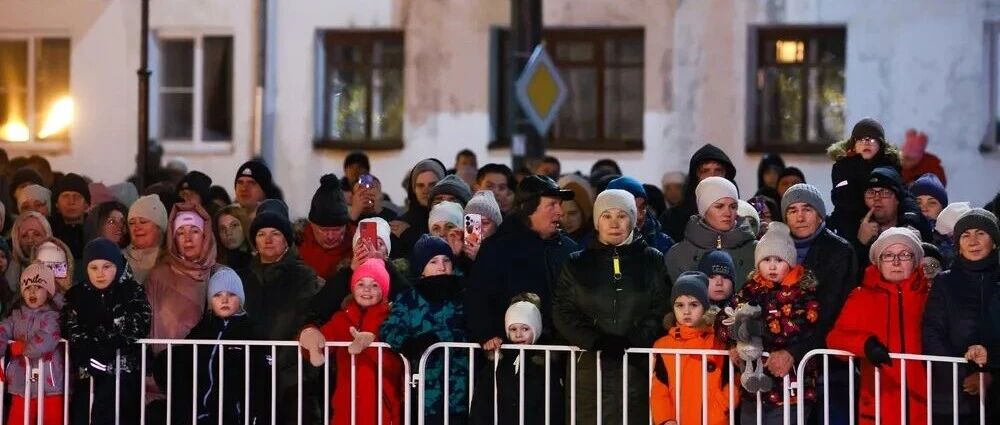
闯荡俄罗斯
投资界· 2025-12-16 07:52
Core Viewpoint - The recent implementation of visa-free travel between Russia and China has generated excitement among Chinese tourists, but the reality of traveling in Russia presents significant challenges and frustrations [4][12]. Group 1: Travel Experience Challenges - Chinese tourists face unexpected difficulties upon arrival in Russia, including a 24-hour silence period for foreign SIM cards, which complicates communication and navigation [5][6]. - The lack of international hotel brands and the high prices of local accommodations have led to a significant increase in travel costs, with some hotels charging exorbitant rates [6][7]. - Tourists experience severe disruptions in navigation due to GPS signal interference, forcing them to rely on traditional methods for finding their way [6][10]. Group 2: Economic and Pricing Dynamics - The economic impact of sanctions has led to inflated prices in Russia, contradicting the expectation of lower costs for Chinese tourists [12][13]. - The influx of wealthy Russians into domestic tourist destinations, such as Sochi, has driven prices up due to increased demand, creating a competitive environment for tourists [13][14]. - Tourists are often paying more for outdated infrastructure and services, leading to a perception of poor value for money [14]. Group 3: Service Quality and Cultural Differences - The service quality in Russia is perceived as lacking compared to expectations set by experiences in other countries, with a notable absence of customer-oriented service [14][15]. - The cultural differences in service attitudes contribute to a sense of alienation for Chinese tourists, who are accustomed to more attentive service [15][16]. Group 4: Market Dynamics and Tourist Behavior - The shift in travel plans due to canceled flights to Japan has led many tourists to seek alternatives in Russia, often without fully understanding the differences in travel experiences [15][16]. - The initial excitement of visa-free travel has been tempered by the harsh realities of navigating a complex and often frustrating travel environment in Russia [12][16].

第一批免签去俄罗斯的中产,傻眼了
3 6 Ke· 2025-12-15 02:26
Core Viewpoint - The recent introduction of visa-free travel from Russia to China has generated excitement among Chinese tourists, but the reality of traveling in Russia presents significant challenges and frustrations [1][11]. Group 1: Tourist Experience - Chinese tourists, like Ah Hao and Lao Chen, face numerous difficulties upon arrival in Russia, including connectivity issues due to a 24-hour silence period for foreign SIM cards [2][3]. - The absence of international hotel brands and the high prices of local accommodations have led to a significant increase in travel costs, with some hotels charging exorbitant rates [3][6][12]. - Tourists experience severe disruptions in navigation due to GPS signal interference, complicating their travel experience [4][5][13]. Group 2: Economic Impact - The war economy has inflated prices in Russia, leading to a mismatch between tourists' expectations of low costs and the reality of high prices for goods and services [12][16]. - The influx of wealthy Russians into domestic vacation spots, such as Sochi, has driven up prices, creating a competitive environment for tourists who are unaware of the local economic conditions [16][17]. - The decline in service quality in the tourism sector reflects a seller's market, where high demand allows service providers to be less accommodating to foreign tourists [18][19]. Group 3: Cultural Differences - Chinese tourists often find the service attitude in Russia starkly different from their expectations, leading to a sense of disappointment [18][19]. - The cultural and operational differences between Russian and Japanese tourism experiences highlight the challenges faced by Chinese tourists seeking alternatives to Japan [21][22]. Group 4: Conclusion - The experiences of early visa-free travelers to Russia serve as a cautionary tale about the complexities of international travel in a rapidly changing geopolitical landscape, emphasizing the need for better preparation and understanding of local conditions [23][24].