非法期货交易

Search documents
金银价波动加剧 直播间“金银锁价”玩法不灵了?
经济观察报· 2026-03-06 06:52
Core Viewpoint - Recent marketing strategies by jewelry merchants include price-lock coupons and deposit payment options to attract consumers, but some merchants refuse to sell when gold and silver prices rise, returning the deposits in full to buyers [1][2]. Group 1: Price Locking Mechanisms - Merchants are offering price-lock coupons that allow consumers to pay a deposit to secure current prices, with the option to pay the remaining balance later [2][4]. - A case study involving a consumer who purchased a silver bar using a price-lock coupon illustrates the mechanics of this promotional strategy, where the final price included a processing fee [2][4]. - There are reports of consumers being denied the ability to purchase at the locked price due to rising market prices, leading to disputes and complaints [4][5]. Group 2: Consumer Experiences and Legal Implications - Consumers have expressed concerns about the integrity of merchants, with instances of merchants refusing to honor locked prices due to market fluctuations [4][5]. - Legal experts indicate that electronic records, such as chat logs, can serve as valid evidence in disputes regarding these transactions, emphasizing the importance of documentation [5][10]. - The distinction between genuine physical transactions and speculative trading is crucial, as it affects the legal standing of these agreements [13][14]. Group 3: Market Dynamics and Merchant Strategies - Some merchants prefer full payment upfront to mitigate risks associated with price fluctuations, ensuring that the price is locked regardless of market changes [9][11]. - The practice of requiring full payment reflects a broader trend in the industry where merchants are cautious about price volatility and consumer behavior [9][11]. - The legal framework surrounding these transactions is evolving, with regulatory bodies emphasizing the need for actual physical delivery to avoid being classified as illegal trading [14][15].


杰我睿黄金兑付危机追踪:清算方案大幅折价,还需签保密协议
Bei Jing Shang Bao· 2026-01-29 14:47
Core Viewpoint - The withdrawal crisis at the Jie Wo Rui platform has left consumers unable to cash out their investments, leading to widespread dissatisfaction and financial loss among users [1][2][19]. Group 1: Crisis Overview - The withdrawal crisis began in late January 2026, affecting multiple consumers who are unable to retrieve their funds or gold stored on the Jie Wo Rui platform [1][19]. - Consumers report that the platform's proposed settlement plan is unsatisfactory, with many refusing to accept the unreasonable discount offers [2][7]. Group 2: Settlement Process - Jie Wo Rui launched a settlement process on January 28, 2026, requiring users to submit personal information and sign multiple agreements to participate in the payout [7][14]. - Despite signing agreements, many consumers have not received any payments, leading to frustration and distrust in the platform's operations [8][19]. Group 3: Business Model and Risks - Jie Wo Rui's business model has evolved from traditional gold recycling to high-risk trading practices, including price locking and price agreement transactions, which are not typical for a jewelry recovery company [15][21]. - The platform's operations are suspected of lacking the necessary financial licenses, raising concerns about the legality of its trading activities [20][21]. Group 4: Consumer Experiences - Consumers have reported significant losses, with one individual stating that their investment of over 300,000 yuan was reduced to a proposed payout of only 14,000 yuan [7][8]. - Many users initially attracted by the platform's high recovery prices and low fees have expressed regret as they became entangled in complex trading schemes [15][21]. Group 5: Regulatory and Legal Implications - The Shenzhen authorities have intervened, forming a task force to address the situation and ensure the company fulfills its responsibilities [19][20]. - Legal experts have advised consumers to document their transactions and communications with the platform, as they may need to pursue legal action for recovery of their funds [22][23].
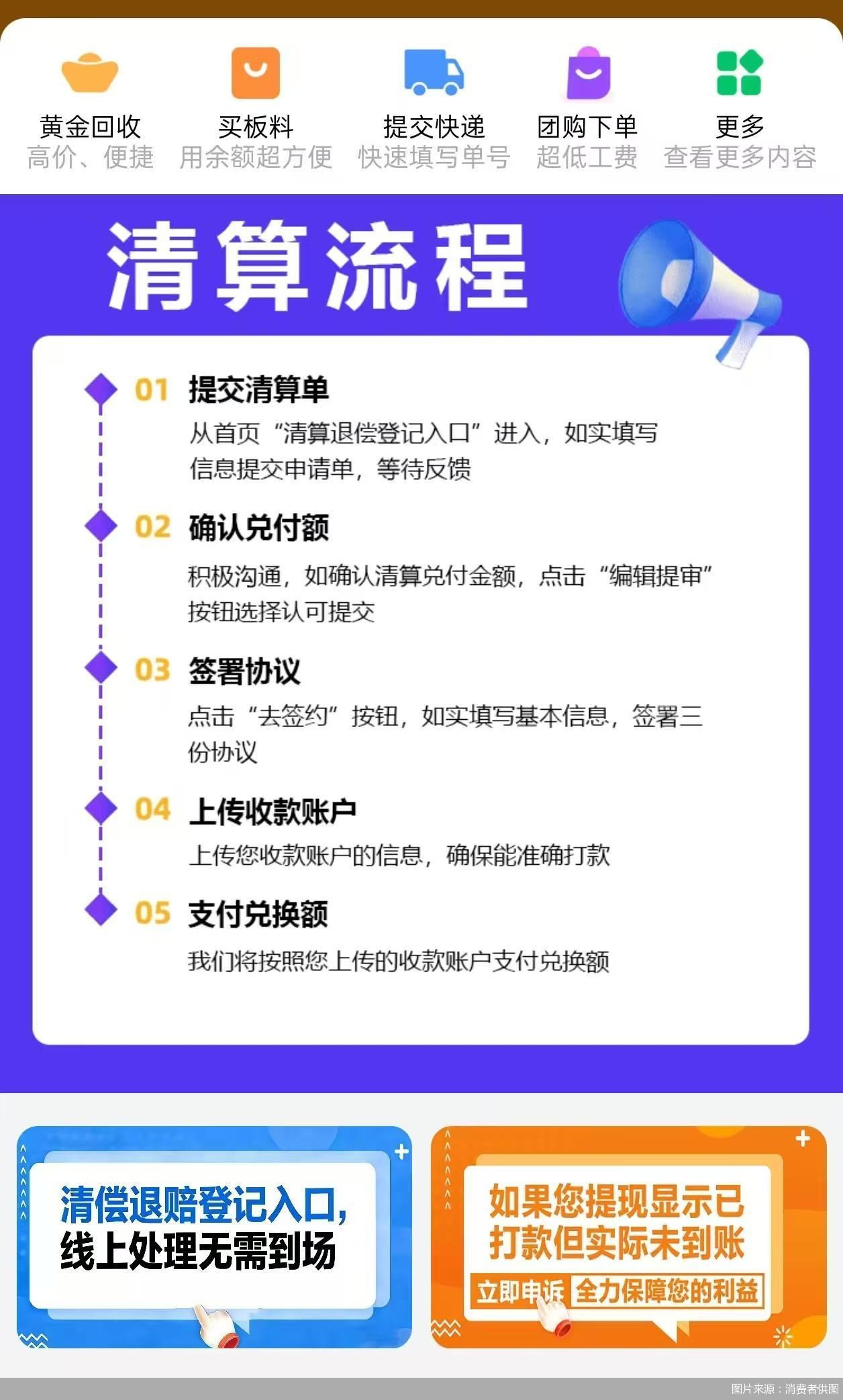
刚刚,官方回应“杰我睿”平台问题
Qi Huo Ri Bao· 2026-01-28 11:13
Core Viewpoint - The recent difficulties faced by Shenzhen Jie Wo Rui Jewelry Co., Ltd. and its associated online platforms in cash withdrawals have raised concerns in the market, affecting investors nationwide. Group 1: Company Overview - Shenzhen Jie Wo Rui was established in 2014, primarily engaged in the wholesale of non-ferrous metals and ores, and developed a mini-program for gold purchasing and recycling services [1]. - The platform allows users to engage in gold trading by paying a minimal deposit, which can lead to significant financial exposure [1]. Group 2: Withdrawal Issues - Investors reported withdrawal difficulties starting from January 19, with some having amounts as high as millions of yuan stuck on the platform [2][1]. - On January 21, the platform limited daily withdrawal amounts to 500 RMB or 1 gram of gold [3]. Group 3: Company Response - On January 24, the platform's management attempted to reassure investors through a video, stating that they would adhere to the official mini-program homepage announcements [4]. - By January 27, Jie Wo Rui acknowledged losses and promised to distribute remaining funds to affected investors in an orderly manner [5]. Group 4: Regulatory Involvement - The local government has intervened, forming a task force to oversee the company's operations and ensure it fulfills its responsibilities [5]. - The task force is currently investigating the complaints raised by investors [6]. Group 5: Market Risks - Market experts have indicated that the pricing business of Jie Wo Rui resembles unlicensed illegal futures trading, which poses significant risks due to high leverage and volatility in gold prices [11].

刚刚,官方回应“杰我睿”平台“跑路”
Qi Huo Ri Bao· 2026-01-28 11:00
Core Viewpoint - The recent issues surrounding the Shenzhen Jie Wo Rui Jewelry Company highlight the risks accumulating in the metal market, particularly with illegal trading practices and investor losses [1][11]. Group 1: Company Overview - Jie Wo Rui Jewelry Company was established in 2014 and primarily engages in the wholesale of non-ferrous metals and ores [1]. - The company developed a mini-program that allows users to buy and recycle gold, facilitating gold trading for registered users [1]. Group 2: Recent Events - Since January 19, investors have reported difficulties in withdrawing funds from the Jie Wo Rui platform, with some individuals having amounts exceeding one million yuan [2][1]. - On January 21, the platform limited daily withdrawal amounts to 500 yuan or 1 gram of gold [3]. - On January 24, the platform's management attempted to reassure investors through a video, stating that they would adhere to the official mini-program's homepage announcements [4]. Group 3: Regulatory Response - On January 25, Jie Wo Rui announced that it had voluntarily requested government oversight of its assets, asserting that there was no possibility of asset transfer [4]. - By January 27, the company acknowledged its financial losses and promised to distribute remaining funds to affected investors in an orderly manner [5]. - The local government has formed a task force to oversee the situation, ensuring the company fulfills its responsibilities and maintains communication with investors [5][6]. Group 4: Market Implications - Market experts have indicated that the pricing business of Jie Wo Rui is essentially an unlicensed illegal futures trading operation, which poses significant risks due to high leverage and volatility in gold prices [11]. - Investors are advised to be cautious of non-regulated platforms that promise high returns with low risks, as these may involve illegal trading practices [11].
水贝黄金预定价平台“杰我睿”暴雷 记者现场调查
Sou Hu Cai Jing· 2026-01-28 09:53
Core Viewpoint - Shenzhen's Jie Wo Rui Jewelry Co., Ltd. is facing operational difficulties, leading to significant investor concerns and difficulties in cash withdrawals from its online platforms [1][3]. Group 1: Company Operations - The company has been reported to have operational anomalies, prompting the establishment of a task force to oversee the situation and ensure the company fulfills its responsibilities [1]. - As of January 28, the company's physical location is closed to the public, and the management is actively communicating with investors regarding asset management and repayment [3]. - The company announced a temporary limit on daily cash withdrawals, allowing only 1 gram of gold or equivalent cash of 500 yuan, with a proposed resolution timeframe of 7 to 15 days [3]. Group 2: Investor Impact - Many investors have reported being unable to withdraw funds since January 20, with some expressing frustration over the company's inability to honor cash withdrawals and gold retrievals [3][6]. - The proposed solutions for investors include accepting a significant discount on their principal for quicker payouts or a longer repayment plan at a reduced rate, excluding certain assets from the repayment [3][6]. - The platform's operations have attracted a wide range of investors, with reported amounts invested varying from tens of thousands to hundreds of thousands of yuan, affecting thousands of investors across multiple provinces [7]. Group 3: Business Model and Risks - The company has been accused of engaging in unlicensed futures trading under the guise of gold recovery and pricing services, creating a direct betting relationship between users and the platform [5][6]. - The lack of third-party oversight and the platform's control over user funds have raised concerns about the potential for significant financial losses if the platform ceases operations or mismanages funds [7]. - Initial estimates suggest that the financial impact of the company's operational issues could reach billions, with a substantial number of investors affected [7].
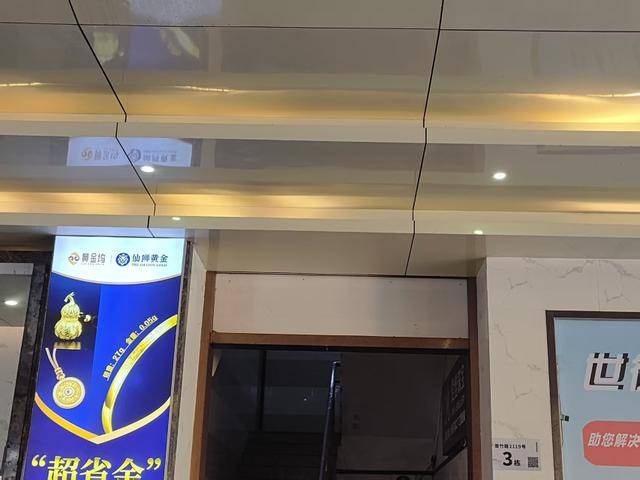
实探丨“只想要回金条”!深圳水贝又有平台“跑路”,记者实探:或祸起类期货私盘!
Xin Lang Cai Jing· 2026-01-28 08:34
Core Viewpoint - The recent surge in international gold prices has led to market chaos, highlighted by the "runaway" incident involving Shenzhen Jie Wo Rui Jewelry Co., which has caused difficulties in fund redemption for investors across the country [1][14]. Company Overview - Shenzhen Jie Wo Rui Jewelry Co., established in 2014, primarily engages in the wholesale of non-ferrous metals and ores. The company has diversified its operations beyond traditional gold and silver sales to include gold storage and pricing services [2][15]. - The company was previously a gold raw material trader in the Shui Bei area, sourcing from upstream suppliers and supplying to downstream small merchants [2][15]. Incident Details - The company has faced significant operational issues, leading to a lockdown of its premises and gatherings of affected investors seeking refunds [2][18]. - Affected investors reported substantial financial losses, with one individual stating an investment of 2 million yuan that is now unrecoverable. They believed they were purchasing physical gold bars but were actually involved in a pricing business that resembles illegal futures trading [5][18]. Pricing Business Model - The pricing business offered by Jie Wo Rui involved a deposit system where customers could lock in gold prices for future transactions, which has been identified as a form of unlicensed futures trading [5][19]. - The platform allowed customers to pay a small deposit to secure a price for gold, with the expectation of future cash settlement based on price fluctuations [5][19]. Regulatory Response - The Shenzhen Luohu District Work Team has formed a task force to address the situation, ensuring that the company's management is actively communicating with investors and managing asset recovery [9][22]. - The task force is currently verifying the claims made by investors and assessing the company's operational status [10][23]. Industry Concerns - The incident has raised alarms within the industry, with fears that similar "runaway" events could occur if gold prices continue to rise, potentially undermining confidence in the market [12][26]. - There have been calls for enhanced risk monitoring and regulatory measures within the Shui Bei market to prevent future occurrences, including the establishment of a whitelist system for traders [13][26]. Legal Implications - The ongoing issues have drawn attention to the legal status of such trading practices, with experts suggesting that the business models employed may constitute illegal operations, potentially leading to criminal liability for those involved [25].

5000元分仓软件,撬动4.37亿期货交易!“招聘操盘手”骗局大揭秘
券商中国· 2026-01-08 03:33
Core Viewpoint - The article discusses the emergence of a new type of financial crime involving a gang that exploited legitimate futures accounts to conduct illegal trading through a split-account software, ultimately profiting from high fees and commissions [1][2]. Group 1: Financial Crime Trends - The Beijing Chaoyang District Prosecutor's Office reported a significant illegal trading case where criminals used split-account software costing 5,000 yuan to conduct illegal futures trading, with a total transaction volume reaching 437 million yuan [2]. - The case led to the conviction of two individuals, Wang and Qian, who were sentenced to one year in prison with a one-year probation and fined for illegal business operations [2]. Group 2: Split-Account Software Mechanism - The split-account software allowed a legitimate futures account to be divided into up to 15 independent trading ports without any real-name registration, enabling clients with poor credit or insufficient trading experience to bypass regulatory scrutiny [3]. - The software facilitated 6,013 trades totaling 437 million yuan from May to August 2024, highlighting the scale of the illegal activities [4]. Group 3: Recruitment and Operational Strategies - The gang lured clients by advertising for "elite traders," promising substantial capital for trading accounts and high profit-sharing arrangements [5]. - The operational model included a risk-hedging strategy where traders could trade without margin, with the company absorbing losses up to 8%, while also having a risk-transfer model requiring traders to deposit significant margins [7]. Group 4: Illegal Futures Brokerage Activities - The gang constructed a complete illegal futures brokerage operation, from virtual account creation to transaction execution and fund settlement, without any legitimate brokerage qualifications [8]. - The actual profits from the illegal activities were determined to be around 1.05 million yuan, despite the high transaction volumes, leading to a prosecution based on the actual funds involved [8].

用5000元分仓软件撬动4.37亿元交易额,组织非法期货交易,两人获刑
Huan Qiu Wang Zi Xun· 2026-01-06 03:16
Core Viewpoint - The article highlights the increasing sophistication and concealment of financial crimes, particularly in the context of illegal futures trading facilitated by a low-cost software tool, which has led to significant financial transactions without proper regulatory oversight [1][4]. Group 1: Financial Crime Trends - Financial crimes are evolving with new methods that enhance their concealment and professionalism, as evidenced by a case involving illegal futures trading with a total transaction amount of 437 million yuan [1][4]. - The use of a 5,000 yuan software tool allowed individuals to split a main account into 15 independent trading ports, bypassing essential identity verification processes required by legitimate futures companies [3][4]. Group 2: Case Details - The illegal trading operation was initiated by individuals with prior experience in the futures industry, who sought to create a trading team and expand into leveraged trading services [3][8]. - The operation involved recruiting traders under the guise of offering substantial capital for trading, while the actual business model was centered around illegal futures trading and collecting excessive fees [7][8]. Group 3: Regulatory Response - The case reflects a broader initiative to strengthen financial regulation in response to emerging financial crimes, aligning with the government's goal of building a robust financial system [1][9]. - The prosecution of the individuals involved was based on the illegal nature of their activities, which included conducting futures trading without the necessary regulatory approvals [9][13]. Group 4: Implications for the Market - The case serves as a warning against the misuse of technology to circumvent financial regulations, emphasizing the need for vigilance in the financial market to prevent similar illegal activities [10][13]. - The actions taken by the authorities aim to enhance compliance awareness among market participants and address regulatory loopholes exposed by such illegal operations [10][13].

华通铂银、华通白银到底正规吗?今天给大家仔细说说!
Sou Hu Cai Jing· 2025-10-27 14:30
Core Viewpoint - The article emphasizes the risks and regulatory challenges associated with spot trading, particularly in commodities like precious metals and oil, highlighting the prevalence of illegal futures trading disguised as spot trading [2][3]. Group 1: Understanding Illegal Futures Trading - Many spot trading violations stem from activities that are essentially illegal futures trading, which can be identified based on specific regulations issued by the State Council [2]. - Key characteristics of illegal futures trading include standardized contracts, centralized trading, and a lack of intention for physical delivery [3]. Group 2: Warning Against Violations and Scams - Investors should be cautious of fraudulent trading and fake platforms that manipulate data and create false market conditions to lure investors into frequent trading, leading to significant financial losses [4]. - Market manipulation and betting models are prevalent in some illegal platforms, where the platform's profits come from investors' losses, creating incentives for price manipulation [4]. Group 3: Regulatory Dynamics and Legal Protections - The government has been continuously cleaning up the spot trading market since 2011, with increasing regulatory measures and law enforcement actions [7]. - Judicial protections have been strengthened, with courts ruling illegal spot trading as void and supporting investor compensation in various cases [7]. Group 4: Identifying and Preventing Violations - Investors must verify the qualifications of trading entities, ensuring they are approved by the China Securities Regulatory Commission [8]. - It is crucial to be wary of marketing tactics that promise guaranteed returns and to ensure that funds are transferred to regulated accounts [8].

帮主郑重:金价飙涨时跑路的水贝金商,藏着比黄金还“烫”的赌局
Sou Hu Cai Jing· 2025-09-20 07:05
Core Viewpoint - The recent surge in gold prices has led to significant financial distress among gold merchants in Shenzhen's Shui Bei area, where many have defaulted on their obligations despite the rising market prices [1][3]. Group 1: Market Dynamics - Gold prices have increased by over 120 yuan in the past six months, reaching a peak of 835 yuan per gram on September 19 [1]. - Merchants were expected to profit from rising gold prices, but many have instead fled with customer deposits due to poor risk management practices [1][3]. Group 2: Lock-in Price Mechanism - The "lock-in price" system was designed to protect merchants from price fluctuations by allowing them to pay a deposit to secure a price for future transactions [3]. - However, some merchants, like Yue Baoxin, failed to hedge their positions in the futures market and instead speculated on price drops, leading to substantial losses when prices rose [3]. Group 3: Regulatory Environment - There are longstanding gray market practices in Shui Bei, where refined gold is traded outside of regulated exchanges, increasing the risk of unmonitored transactions [4]. - The recent implementation of "invisible regulation" in Luohu has reduced oversight on reputable businesses, allowing speculative practices to flourish without scrutiny [4]. Group 4: Risk and Speculation - The low deposit requirement of 2.4% allowed small merchants to leverage large amounts of gold, effectively turning customer deposits into speculative bets rather than legitimate business transactions [3]. - The situation highlights the dangers of greed and speculation in the gold market, where the original intent of risk management tools has been subverted into high-stakes gambling [4].