非遗+文旅融合

Search documents
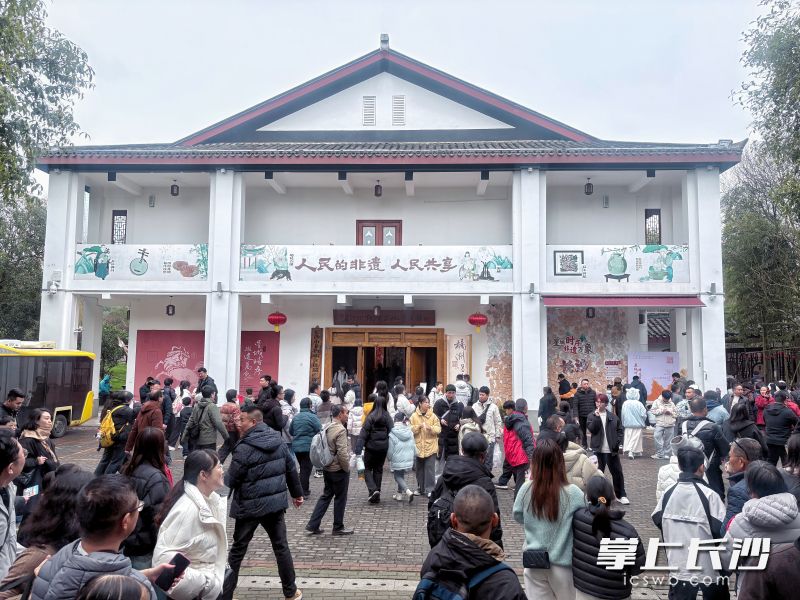
马年新春年味浓!长沙非遗馆好戏连台,单日接待游客1.6万余人次|寻美非遗
Xin Lang Cai Jing· 2026-02-22 06:38
Core Viewpoint - The article highlights the successful cultural activities organized by the Changsha Intangible Cultural Heritage Museum during the Spring Festival, emphasizing the importance of intangible cultural heritage in enhancing community engagement and cultural appreciation [1][10]. Group 1: Visitor Engagement - The museum welcomed over 16,000 visitors from February 21 to February 22, showcasing a variety of cultural activities that allowed attendees to immerse themselves in Hunan culture [1]. - Four experiential activities were conducted, including palm leaf weaving and Chinese knot making, attracting over 1,000 participants, which fostered hands-on learning and cultural understanding [3]. Group 2: Exhibitions and Displays - The "Changsha Seal Carving Exhibition" displayed exquisite seal carving works, merging classical poetry with traditional techniques, which captivated many visitors [5]. - A collaborative event titled "Smoke and Fire Changsha Intangible Cultural Heritage Goodies" featured traditional crafts like palm leaf weaving and traditional Qipao button making, promoting the sale of these cultural items [7]. Group 3: Interactive Activities - Two interactive segments were introduced, including a tea tasting event that served over 100 cups of warm tea, creating a cozy atmosphere and spreading New Year blessings [9]. - The "Seasonal Calendar Printing Experience" allowed visitors to create personalized New Year souvenirs, enhancing their understanding of the 24 solar terms in Chinese culture [9]. Group 4: Future Initiatives - The director of the Changsha Intangible Cultural Heritage Protection Center expressed the intention to continue integrating intangible cultural heritage with tourism, aiming to create more accessible and meaningful cultural experiences for the public [10].

【新春走基层·欢乐闹新春】非遗技艺深体验
Xin Lang Cai Jing· 2026-02-20 23:50
Group 1 - The core idea of the articles highlights the vibrant cultural tourism activities in Dong'a County, Shandong, particularly during the Spring Festival, showcasing traditional crafts and local delicacies, which attract a significant number of visitors [1][2] - The "Intangible Cultural Heritage +” model is being utilized to promote deep integration of culture and tourism, establishing a comprehensive cultural tourism system that includes various museums and experience centers [2] - The projected visitor numbers for the Dong'a Traditional Chinese Medicine Cultural Tourism Area are expected to reach 1.07 million by 2025, with anticipated revenue exceeding 100 million yuan [2] Group 2 - The event features interactive experiences such as custom-made Ejiao gift boxes, allowing visitors to engage with traditional craftsmanship and appreciate the cultural significance of Chinese medicine [1] - Young consumers are increasingly drawn to traditional practices, as evidenced by their participation in activities like moxibustion and traditional Chinese medicine services, enhancing their connection to cultural heritage [2] - Local authorities emphasize the transformation of intangible cultural heritage from mere exhibits to interactive experiences, enriching the cultural landscape and fostering community engagement [2]
央媒看四川丨雪山下的“非遗”藏寨
Xin Lang Cai Jing· 2026-02-19 02:33
Core Insights - The article highlights the recognition of Jikayi Village in Danba County, Sichuan, as a "Best Tourism Village" by the United Nations World Tourism Organization, emphasizing its unique cultural and ecological attributes [3][17] - The village integrates traditional Tibetan architecture and cultural heritage with modern tourism, creating immersive experiences for visitors [4][10] Group 1: Cultural and Ecological Significance - Jikayi Village is situated in a region with rich biodiversity, including rare species like the redwood and various wildlife, contributing to its ecological appeal [3][4] - The traditional Tibetan watchtowers, built using local materials, showcase the craftsmanship of the Gyarong Tibetan culture and have been preserved as part of the village's heritage [4][6][7] Group 2: Tourism Development and Economic Impact - In 2025, Jikayi Village received over 400,000 visitors, generating a tourism revenue exceeding 440 million yuan, indicating a significant economic boost from tourism [17] - The village has adopted a "village collective + homestay + farmers" model, benefiting approximately 90% of the local population from tourism-related activities [17] Group 3: Cultural Experiences and Community Engagement - The village offers various cultural experiences, including traditional Gyarong embroidery and folk dances, enhancing visitor engagement and cultural preservation [15][17] - Seasonal events, such as the Pear Blossom Festival, attract tourists year-round, helping to mitigate the seasonal tourism challenges previously faced by the village [17]
文化中国行丨四川甘孜藏族自治州丹巴县基卡依村:雪山下的“非遗”藏寨
Ren Min Ri Bao· 2026-02-19 02:29
Core Insights - The village of Jikayi in Danba County, Garze Tibetan Autonomous Prefecture, has been awarded the title of "Best Tourism Village" by the United Nations World Tourism Organization, enhancing its recognition and attracting more visitors [1][11] - Jikayi village integrates intangible cultural heritage with tourism, creating an immersive cultural experience for visitors through traditional Tibetan architecture and local crafts [1][9] Group 1: Cultural and Ecological Significance - Jikayi village is located in a unique ecological zone, rich in biodiversity, and is part of the transition area between the Hengduan Mountains and the Tibetan Plateau, home to various rare species [2][3] - The traditional Tibetan watchtowers, built using local materials, exemplify the craftsmanship of the Garze Tibetan culture and have been preserved as part of the village's heritage [2][3] - The village's architecture reflects a harmonious blend of natural geography and cultural identity, with a focus on preserving the integrity of ancient structures [3][10] Group 2: Tourism Development and Community Engagement - The rise in tourism has led to the establishment of numerous guesthouses, with local residents increasingly participating in the tourism industry, benefiting approximately 90% of the villagers [11] - The village has implemented a "village collective + guesthouse + farmer" model to ensure sustainable development and ecological protection while enhancing economic benefits [11] - Seasonal activities have been developed to extend the tourism season throughout the year, addressing previous challenges of seasonal visitor fluctuations [10][11] Group 3: Cultural Heritage and Experience - Local intangible cultural heritage, such as Garze Tibetan embroidery and traditional dance, is actively incorporated into the tourism experience, allowing visitors to engage with the culture [9][10] - The village hosts events like the Pear Blossom Festival, which features cultural performances and interactive experiences, further promoting local traditions [10] - The integration of modern amenities with traditional architecture in guesthouses enhances the visitor experience while maintaining cultural authenticity [5][6]
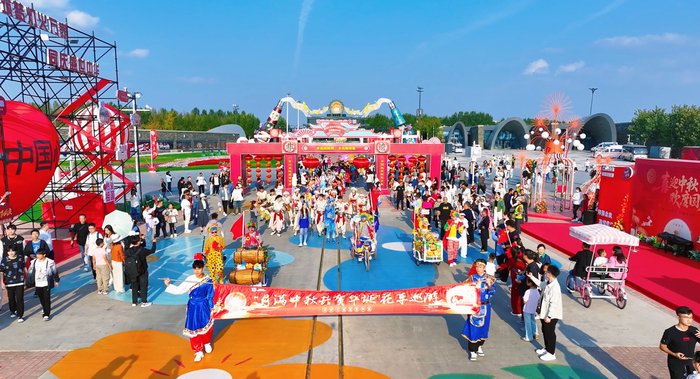
25万人次“狂欢”,326万销售额!南北非遗齐聚“尔滨”
Xin Lang Cai Jing· 2025-10-09 01:45
Core Insights - The "Heilongjiang Province Four Seasons Intangible Cultural Heritage Shopping Week" successfully attracted 250,000 visitors during the National Day and Mid-Autumn Festival, generating sales of 3.2609 million yuan [1][22] - The event showcased a large-scale integration of intangible cultural heritage from across the country, featuring 60 representative inheritors and related enterprises, highlighting the creativity and appeal of traditional culture [1][22] - The event served as a new model for enriching the cultural tourism market during the holiday season, effectively promoting the integration of culture and tourism [3][20] Event Highlights - The event, themed "Inheritors of Southern and Northern Intangible Cultural Heritage Gather in Ice City, Enjoy Cultural Tourism Feast in October," combined various activities including viewing, entertainment, shopping, and food experiences [3][20] - Non-heritage inheritors showcased their skills and unique culinary offerings, attracting significant attention from visitors both online and offline [3][13] - The food area featured popular dishes such as Tianjin steamed buns and Hebei donkey meat buns, leading to long queues and rapid sales [5][20] Cultural Exchange and Interaction - The event included a crafts exhibition where visitors could appreciate various traditional crafts, such as Henan jade carving and Fujian Jian ware [7][20] - Notable inheritors, such as Li Na from Hebei, showcased their works, including paper-cutting Hanfu, which gained international recognition [9][20] - The event featured dynamic performances, including drone shows and traditional fire flower displays, creating a vibrant atmosphere [13][15] Economic Impact and Future Prospects - The event recorded a peak daily visitor count of over 50,000, generating significant media attention and creating a positive online and offline interaction environment [18][20] - The integration of intangible cultural heritage with modern tourism practices is seen as a new growth point for economic development, enhancing consumer engagement and cultural pride [20][22] - Future initiatives will focus on expanding the connection between intangible cultural heritage and modern life, ensuring effective preservation and innovative development of these cultural assets [22]