
面子工程

Search documents
年度反腐大片开播,唐仁健腐败细节曝光!
中国基金报· 2026-01-11 13:43
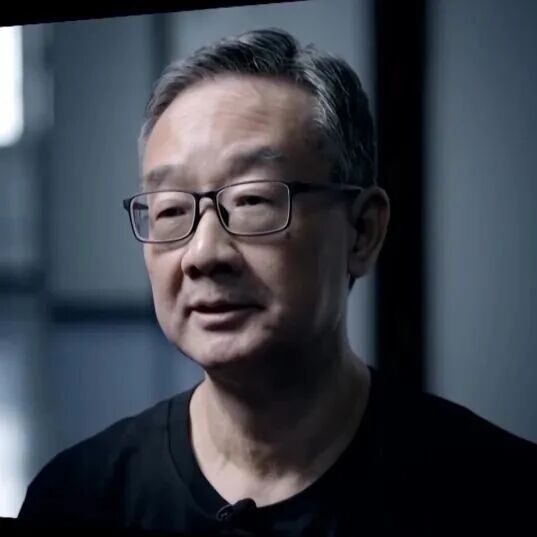
Core Viewpoint - The article highlights the case of Tang Rinjian, a former high-ranking official in China's agricultural sector, who engaged in corrupt practices, including accepting bribes and misusing his power for personal gain, ultimately leading to his expulsion from the party and a suspended death sentence for bribery [2][10]. Group 1: Corruption and Misconduct - Tang Rinjian's obsession with luxury and enjoyment led him to engage in excessive drinking and socializing, ignoring the party's anti-corruption directives [3]. - He used his connections with a businessman, Li Yong, to facilitate corrupt transactions disguised as legitimate business dealings involving antique sales [3]. - Tang's decision-making was heavily influenced by a distorted view of power and performance, leading to the initiation of several impractical projects that resulted in significant waste and inefficiency [5]. Group 2: Abuse of Power - During his tenure, Tang created a "Weekend Happiness" WeChat group to gather business owners, where he effectively solicited bribes under the guise of social gatherings [6]. - He leveraged his position to assist businesses in exchange for personal benefits, including receiving shares in companies and facilitating project approvals [8]. - Tang's actions not only harmed his reputation but also negatively impacted the political climate within the Ministry of Agriculture and Rural Affairs [7]. Group 3: Consequences and Reforms - Following investigations into his conduct, Tang was subjected to disciplinary actions, leading to his expulsion from the party and public office [9]. - The case prompted the Central Commission for Discipline Inspection to implement reforms aimed at addressing the systemic issues revealed by Tang's misconduct [10].

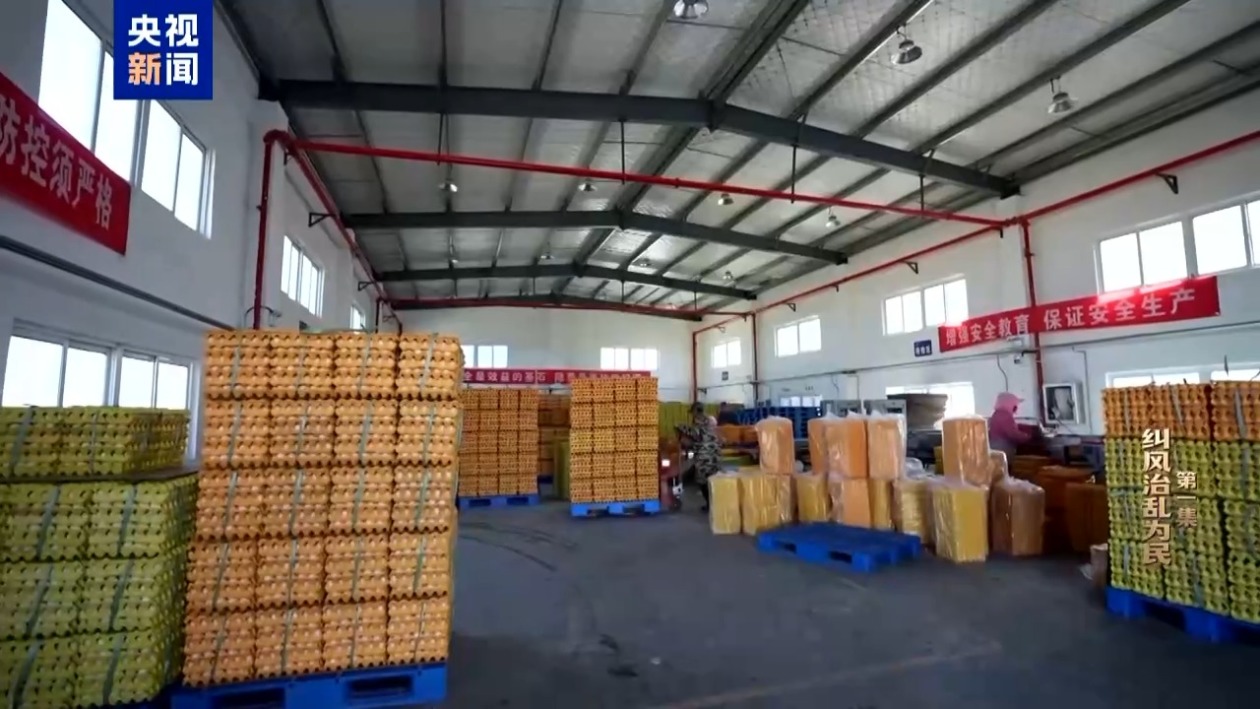
唐仁健大搞“面子工程” 上马8个项目7个停摆
Xin Lang Cai Jing· 2026-01-11 13:08
Group 1 - The core issue highlighted is the intertwining of corruption and poor governance within the party, which poses a significant challenge to the integrity of the party's image and its survival [1] - The documentary emphasizes the need for a comprehensive approach to address both corruption and poor conduct, advocating for simultaneous investigation and rectification to eliminate common root causes [1] - The case of Tang Rinjian illustrates a distorted view of power and performance, where the focus on superficial achievements led to misguided projects that did not consider local needs [3][5] Group 2 - The "Golden Chicken Industry" project, initiated by Tang Rinjian, aimed to establish high-end egg production across eight counties in Gansu, but faced skepticism regarding its feasibility and local market absorption [3][5] - Due to impractical decision-making, seven out of eight projects became non-operational, resulting in underutilized infrastructure and no benefits for the local population [7] - Tang Rinjian expressed deep remorse for the negative impact of his decisions on impoverished farmers, highlighting the stark contrast between their struggles and the failures of the projects [8]
装点门面的钱,能减就减
Xin Hua Wang· 2025-11-07 12:42
Core Points - The newly revised regulations emphasize the need for government agencies to cut unnecessary expenditures and focus on practical spending, particularly discouraging "face projects" that waste public funds [1][2] - Recent reports highlight various cases of wasteful spending, such as extravagant landscape projects and underutilized public facilities, which undermine government credibility and public trust [1] - The essence of "face projects" is linked to a distorted performance outlook and a lack of accountability among officials, leading to superficial spending without addressing actual needs [1] Summary by Sections - **Government Spending Regulations** - The revised regulations aim to tighten control over government spending, ensuring that every penny is spent wisely and transparently [1] - The focus is on eliminating unnecessary expenditures that serve only to enhance appearances rather than deliver real value [1] - **Examples of Wasteful Spending** - Numerous cases have been reported where funds were misallocated to projects that ultimately failed to deliver, such as abandoned scenic projects and underused public restrooms [1] - These projects often disguise themselves as innovative or beneficial but result in significant waste of financial resources [1] - **Accountability and Performance Evaluation** - There is a call for stricter supervision and accountability for those involved in "face projects," with a push for reforms in performance evaluation to prioritize tangible results [2] - The goal is to ensure that government officials focus on practical contributions to society rather than superficial displays of spending [2]
新华时评·整治形式主义丨装点门面的钱,能减就减
Xin Hua She· 2025-11-06 06:09
Core Viewpoint - The newly revised regulations emphasize the importance of frugality in government spending, particularly targeting unnecessary expenditures that serve only to enhance appearances rather than deliver real value to the public [1][2] Group 1: Government Spending and Regulations - The implementation of the revised regulations aims to tighten control over government spending, ensuring that every penny is spent wisely and transparently [1] - Recent reports highlight various cases of wasteful spending on "vanity projects," which often result in incomplete or ineffective outcomes, undermining public trust [1][2] Group 2: Accountability and Performance - The essence of "vanity projects" stems from a skewed performance outlook and a lack of responsibility among some officials, who prioritize flashy spending over actual needs [1] - To combat the impulse to spend for appearances, government agencies must adopt stricter oversight and accountability measures, penalizing those who engage in superficial projects [2] Group 3: Focus on Practical Outcomes - Genuine value comes from investing in practical initiatives that address public needs, such as employment support, education improvement, healthcare enhancement, and social welfare [2] - The goal is to redirect funds towards critical areas that promote technological innovation and industrial upgrades, ensuring that government spending translates into tangible benefits for the populace [2]
城市更新既需要“面子”也需要“里子”
Bei Jing Qing Nian Bao· 2025-05-24 06:18
Core Viewpoint - The recent release of the "Opinions on Continuing to Promote Urban Renewal Actions" by the State Council aims to enhance urban vitality and quality of development while avoiding superficial projects that do not meet actual needs [1][2]. Group 1: Urban Renewal Objectives - Urban renewal is recognized as a vital process for cities, serving both economic and social functions, and is seen as a new engine for urban economic growth [1]. - The new guidelines address eight major tasks related to the renewal of existing buildings, old neighborhoods, and infrastructure, emphasizing a comprehensive approach to urban renewal [1]. Group 2: Implementation Mechanisms - The guidelines stress the importance of avoiding "facade projects" that prioritize visual appeal over practical benefits, ensuring that urban renewal actions are grounded in real community needs [2]. - A robust implementation mechanism is proposed, focusing on demand-driven and project-oriented strategies to ensure scientific and orderly progress in urban renewal projects [3]. Group 3: Policy Support and Community Involvement - Strong policy support is deemed essential, including the promotion of successful redevelopment experiences and increased central investment for urban renewal projects [3]. - Community involvement is highlighted as a critical factor, with recommendations for public consultations and expert input to prevent superficial projects from emerging [3].