预制菜行业规范

Search documents
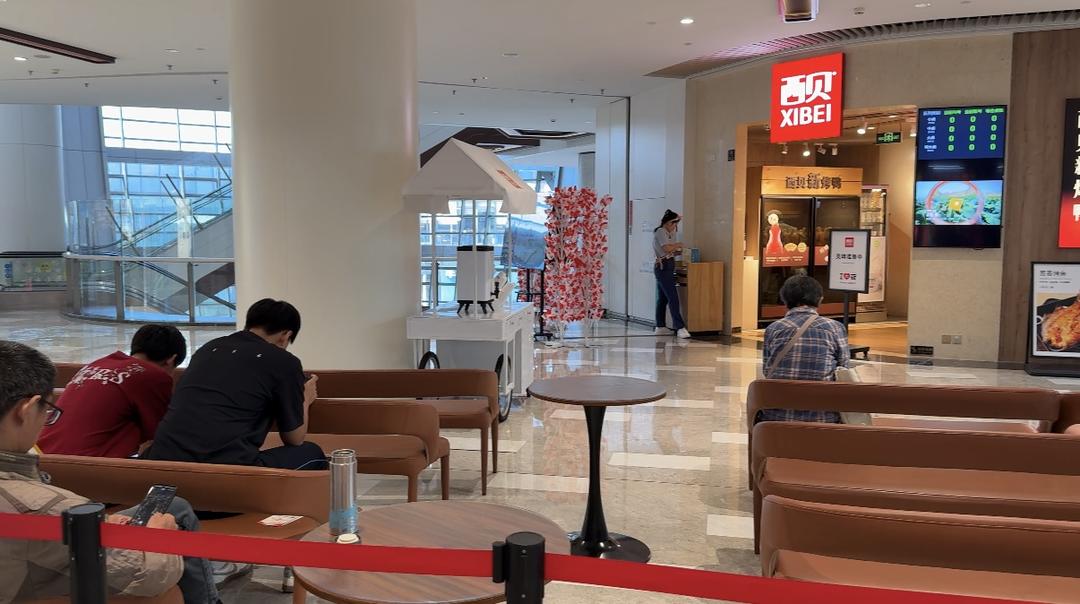
预制菜风波两周后,西贝客流有所回升,仍被问是不是预制菜
Qi Lu Wan Bao Wang· 2025-09-25 14:12
Core Viewpoint - Xibei launched a promotional campaign offering 100 yuan vouchers to customers dining in-store, aimed at restoring customer relations following the controversy over pre-prepared dishes [1][4][6] Group 1: Company Actions - The 100 yuan voucher campaign began on September 24, with the first day seeing over 100 vouchers distributed at the Jinan Henglong Plaza store [4] - The store reported a recovery in customer traffic, with over 70 tables occupied during lunch hours on September 25, indicating a gradual return of patrons [4][6] - Xibei has implemented several corrective measures, including switching to non-GMO cooking oil and ensuring that dishes like lamb skewers are prepared fresh in-store [3][6] Group 2: Consumer Reactions - Customers expressed mixed feelings about pre-prepared dishes, with some prioritizing health and cleanliness over the preparation method, while others were concerned about transparency [3][7] - A recent article published by Xibei's official account was criticized for being overly emotional and was subsequently removed due to backlash [4][5] Group 3: Industry Context - The ongoing debate surrounding pre-prepared dishes highlights two main issues: the need for restaurants to disclose the use of such dishes and how companies should address consumer concerns [7] - Industry experts emphasize the importance of establishing clear standards and regulations for pre-prepared dishes to enhance consumer trust and avoid chaotic competition [7]

西贝道歉后,罗永浩:决定放弃进一步追究
Feng Huang Wang· 2025-09-15 11:33
Core Viewpoint - The conflict between Luo Yonghao and Xibei over the issue of "pre-made dishes" has escalated into a public debate, drawing significant attention within the restaurant industry and beyond [3][8]. Group 1: Background of the Conflict - The controversy began when Luo Yonghao criticized Xibei on social media, claiming that the restaurant primarily serves pre-made dishes at high prices, and called for mandatory labeling of such dishes [3]. - Xibei's founder, Jia Guolong, responded by asserting that their dishes are 100% free of pre-made ingredients and invited public inspection of their kitchens [3][6]. - The strong rebuttal from Xibei intensified the debate, leading Luo to present industry reports and evidence to support his claims, which resulted in a flood of public responses [3][6]. Group 2: Developments and Reactions - On September 15, Xibei issued a public apology, which prompted Luo to announce that he would no longer pursue the matter further, although he continued to question the discrepancies between Xibei's promises and their actual practices [6][8]. - The exchange included personal attacks, with Jia labeling Luo as a "network black society," which Luo countered by accusing Jia of defamation [3][6]. - The incident has raised questions about transparency and consumer trust in the restaurant industry, with Luo emphasizing the need for businesses to be honest about their food sourcing [5][6].

西贝就预制菜致歉,却再引罗永浩质疑:顾客虐你什么了?
Guan Cha Zhe Wang· 2025-09-15 10:28
Core Viewpoint - The company West B is making significant operational changes in response to customer demands and recent controversies regarding the use of pre-prepared dishes, aiming to enhance customer experience and transparency [1][4]. Group 1: Company Adjustments - West B plans to implement nine adjustments across its nationwide stores by October 1, including switching to freshly made dishes and using non-GMO soybean oil for cooking [1]. - The adjustments include changing children's meals to freshly made beef patties and ensuring that all dishes are prepared on-site to improve food safety and quality [1][8]. Group 2: Controversy and Public Response - The controversy surrounding West B intensified after comments made by its founder, which led to public backlash and criticism from notable figures like Luo Yonghao, who accused the company of misleading customers regarding pre-prepared dishes [3][4]. - Following the backlash, West B experienced a significant drop in daily revenue, with reported losses of up to 300,000 yuan on certain days [8]. Group 3: Industry Context - The pre-prepared food sector is under scrutiny, with regulatory bodies pushing for transparency in the use of such products in the restaurant industry [6][7]. - The overall restaurant industry is facing challenges, with West B's revenue declining and average profit margins reported at 5% for the first half of the year [8].

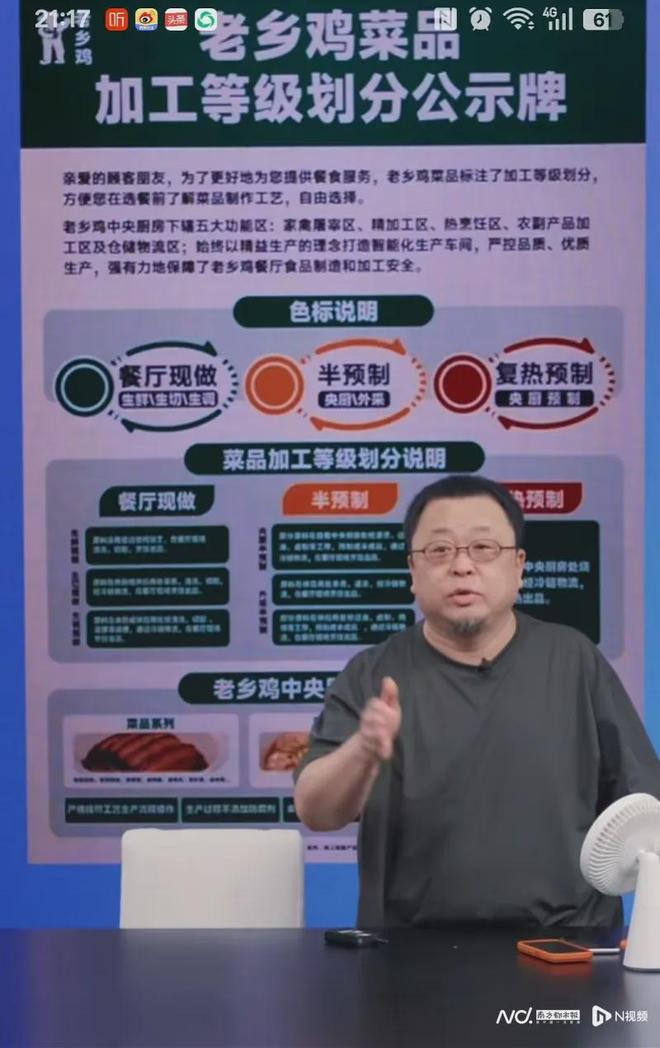
罗永浩:不反对卖预制菜,但反对假装现做
Nan Fang Du Shi Bao· 2025-09-13 04:07
Core Viewpoint - The ongoing public dispute between Luo Yonghao and Xibei Yomiancun highlights consumer concerns regarding the use of pre-prepared dishes in restaurants and the need for transparency in food sourcing and preparation methods [3][8][10] Group 1: Events and Reactions - Luo Yonghao criticized Xibei Yomiancun for allegedly serving expensive pre-prepared dishes during a recent visit, prompting a public outcry and a response from Xibei's founder, who announced plans to sue Luo for damaging the brand's reputation [3][6] - Xibei's management revealed Luo's dining bill, which totaled 785 yuan for 15 dishes, and asserted that all dishes are freshly prepared in-store, with only pre-processed ingredients provided by a central kitchen [3][6] - In response to the controversy, Xibei launched a "Luo Yonghao Menu" and offered a money-back guarantee if customers were dissatisfied, alongside an open kitchen policy [3][6] Group 2: Industry Context and Regulations - The incident has sparked broader public interest in the regulatory framework surrounding the pre-prepared food industry, with recent guidelines issued by multiple government departments defining pre-prepared dishes and clarifying what does not fall under this category [6][8] - The guidelines specify that dishes made in central kitchens do not qualify as pre-prepared food, which has implications for how restaurants like Xibei can market their offerings [6][8] - There is a disconnect between official definitions of pre-prepared food and consumer perceptions, leading to confusion and potential reputational risks for restaurants that may use pre-prepared ingredients [8][10]