食品连锁企业责任

Search documents
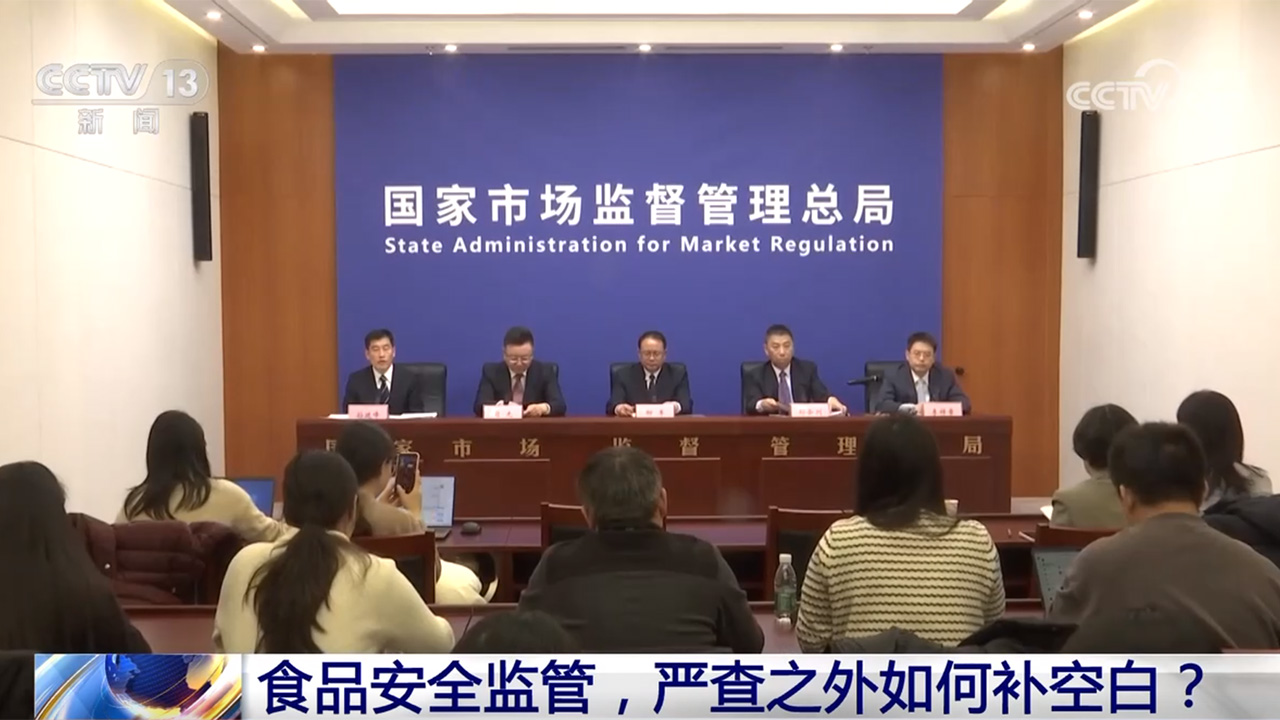
食品安全监管 严查之外如何补空白?
Yang Shi Wang· 2025-12-25 02:21
Core Viewpoint - The article emphasizes the need for enhanced food safety regulations in China, particularly focusing on rural areas, school food safety, and the responsibilities of food chain enterprises and live-streaming platforms in ensuring food quality and safety [1][2][9][10]. Group 1: Food Safety Regulations - The Chinese government is intensifying efforts to combat counterfeit and substandard food products, particularly in rural areas and schools, by implementing new regulations and focusing on key risk areas [1][2]. - The new regulations for food chain enterprises highlight the responsibility of headquarters to ensure food safety at franchise and individual stores, preventing the transfer of accountability [9]. Group 2: School Food Safety - School food safety is a critical issue that affects public health, and the approach involves establishing a closed-loop responsibility system among school administrators, catering staff, and supervisory bodies [3][4]. - The strategy includes preemptive risk management in food procurement and preparation processes, ensuring that safety measures are in place from the outset [3][5]. Group 3: Rural Food Safety Challenges - Rural food safety remains a significant challenge due to weak consumer demand, high price sensitivity, and the prevalence of small food production units with inadequate traceability and accountability mechanisms [6][7][8]. - The lack of regulatory strength at the grassroots level and low public awareness of food safety issues contribute to ongoing problems in rural food management [8]. Group 4: Live-Streaming Food Sales Regulations - New regulations for live-streaming food sales outline the responsibilities of platforms, operators, and managers in ensuring the safety and quality of food sold through these channels, including pre-sale checks and information disclosure [10].
新闻1+1丨食品安全监管 严查之外如何补空白?
Yang Shi Wang· 2025-12-24 22:15
Core Viewpoint - The article emphasizes the need for enhanced food safety regulations in China, particularly focusing on rural areas, school food safety, and the responsibilities of food chain enterprises and live-streaming platforms in ensuring food quality and safety [1][9][10]. Group 1: Food Safety Regulation Focus Areas - The government is intensifying efforts to address counterfeit and substandard food products, particularly in rural areas and schools, while also tackling issues related to food additives and consumer fraud in meat and edible oils [1][2]. - The new regulations aim to cover key risk areas in food safety that are of significant concern to the public, allowing for concentrated regulatory resources to address these issues effectively [2]. Group 2: School Food Safety Management - The management of school food safety is critical for public health, with a focus on establishing a closed-loop responsibility system involving school principals and catering staff as primary responsible parties [4]. - The approach includes preemptive risk management throughout the food supply chain, from procurement to transportation, and emphasizes the use of technology such as "Internet + Bright Kitchen" for monitoring food preparation processes [4][6]. Group 3: Addressing Rural Food Safety Challenges - Rural food safety remains a persistent challenge due to weak consumer demand, high price sensitivity, and the prevalence of small food businesses with inadequate traceability and accountability mechanisms [8]. - The regulatory capacity at the grassroots level in rural areas is limited, and there is a lack of strong food safety awareness among rural consumers, contributing to ongoing issues in food safety management [8]. Group 4: Responsibilities of Food Chain Enterprises - New regulations highlight the responsibility of food chain enterprises' headquarters to ensure food safety at franchise and individual stores, preventing the transfer of accountability to these entities [9]. - The rapid growth of the food chain industry, which has reached approximately 21% of the market, necessitates a clear delineation of responsibilities to maintain food safety standards across all operational levels [9]. Group 5: Live-Streaming Food Sales Regulations - The new rules for live-streaming food sales establish clear responsibilities for online platforms regarding the qualification checks of food sellers and the sources of food products [10]. - Operators of food live-streaming sessions are required to ensure accurate information disclosure and quality assurance of the products they sell, holding them accountable for the safety of the food offered [10].