
农村食品安全治理

Search documents
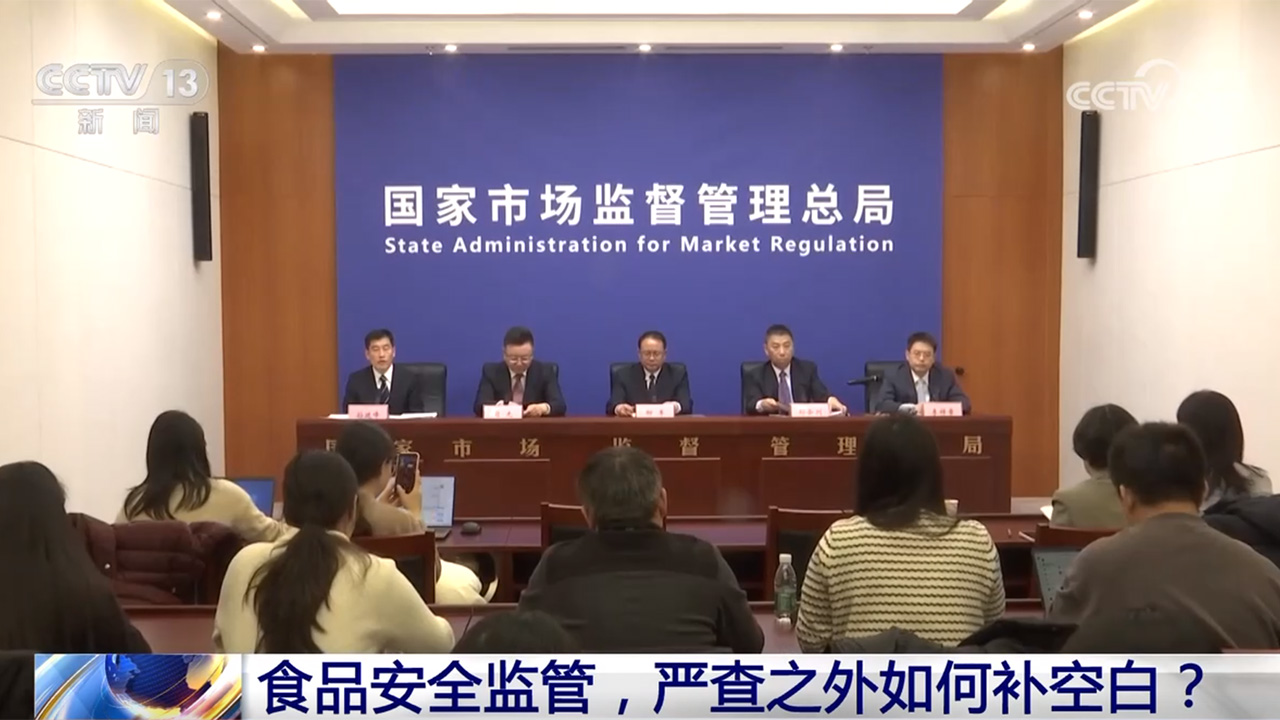
新闻1+1丨食品安全监管 严查之外如何补空白?
Yang Shi Wang· 2025-12-24 22:15
Core Viewpoint - The article emphasizes the need for enhanced food safety regulations in China, particularly focusing on rural areas, school food safety, and the responsibilities of food chain enterprises and live-streaming platforms in ensuring food quality and safety [1][9][10]. Group 1: Food Safety Regulation Focus Areas - The government is intensifying efforts to address counterfeit and substandard food products, particularly in rural areas and schools, while also tackling issues related to food additives and consumer fraud in meat and edible oils [1][2]. - The new regulations aim to cover key risk areas in food safety that are of significant concern to the public, allowing for concentrated regulatory resources to address these issues effectively [2]. Group 2: School Food Safety Management - The management of school food safety is critical for public health, with a focus on establishing a closed-loop responsibility system involving school principals and catering staff as primary responsible parties [4]. - The approach includes preemptive risk management throughout the food supply chain, from procurement to transportation, and emphasizes the use of technology such as "Internet + Bright Kitchen" for monitoring food preparation processes [4][6]. Group 3: Addressing Rural Food Safety Challenges - Rural food safety remains a persistent challenge due to weak consumer demand, high price sensitivity, and the prevalence of small food businesses with inadequate traceability and accountability mechanisms [8]. - The regulatory capacity at the grassroots level in rural areas is limited, and there is a lack of strong food safety awareness among rural consumers, contributing to ongoing issues in food safety management [8]. Group 4: Responsibilities of Food Chain Enterprises - New regulations highlight the responsibility of food chain enterprises' headquarters to ensure food safety at franchise and individual stores, preventing the transfer of accountability to these entities [9]. - The rapid growth of the food chain industry, which has reached approximately 21% of the market, necessitates a clear delineation of responsibilities to maintain food safety standards across all operational levels [9]. Group 5: Live-Streaming Food Sales Regulations - The new rules for live-streaming food sales establish clear responsibilities for online platforms regarding the qualification checks of food sellers and the sources of food products [10]. - Operators of food live-streaming sessions are required to ensure accurate information disclosure and quality assurance of the products they sell, holding them accountable for the safety of the food offered [10].

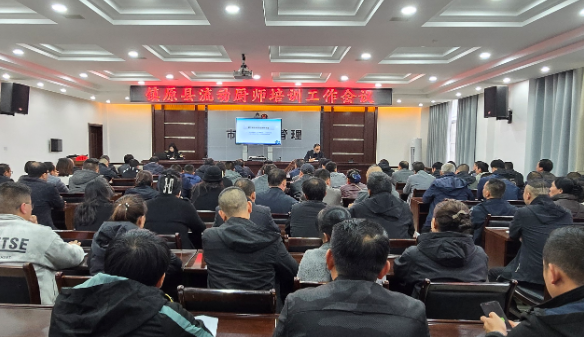
镇原县市场监管局举办全县流动厨师培训班 筑牢农村集体聚餐食品安全防线
Zhong Guo Shi Pin Wang· 2025-10-23 04:25
Core Points - The training session aimed to enhance food safety management for rural collective dining and strengthen the responsibility awareness and risk prevention capabilities of mobile chefs [2] - Over 180 participants, including mobile chefs and deputy directors of market supervision from various townships, attended the training [2] Summary by Sections Training Focus - The training emphasized the core requirements of the "Food Safety Operation Specifications for Catering Services," covering key aspects such as raw material procurement, storage, processing, utensil cleaning and disinfection, and food sampling [2] - The session included a report on typical food poisoning cases from collective dining across the country, analyzing causes and lessons learned to enhance participants' food safety awareness and sense of responsibility [2] Assessment and Outcomes - To ensure the effectiveness of the training, a food safety knowledge test was conducted, with a pass mark of 80 points; 99.6% of participants passed the assessment [2] - The training significantly improved the professional skills and food safety operation capabilities of mobile chefs, laying a solid foundation for regulating rural collective dining activities and preventing food safety risks [2] Future Plans - The market supervision bureau plans to continue strengthening dynamic management and daily guidance for mobile chefs to improve rural food safety governance [2]
额敏县市场监督管理局“四举措”聚焦农村假冒伪劣食品专项治理
Zhong Guo Shi Pin Wang· 2025-10-22 01:44
Core Points - The article emphasizes the importance of ensuring food safety in rural areas through a series of regulatory actions and public awareness campaigns [1][2] Group 1: Regulatory Actions - The E'min County Market Supervision Administration has initiated special inspection actions focused on food safety in rural areas to protect public health [1] - There is a strong emphasis on controlling the production source by increasing supervision over small workshops and factories, targeting illegal practices such as unlicensed production and adulteration [1] - The administration is conducting comprehensive checks on food retailers, including stores and restaurants, to ensure compliance with safety regulations and to eliminate the sale of expired or counterfeit products [1] Group 2: Quality Control Measures - A special sampling inspection is being conducted on food products such as meat, vegetables, and fruits, focusing on detecting pesticide residues, veterinary drug residues, and heavy metal contamination [1] - As of now, 62 batches of food from various operators have been sampled, with 2 batches found to be non-compliant [1] Group 3: Public Awareness and Education - Enforcement personnel are actively educating the public about food safety laws and how to identify counterfeit products, thereby enhancing community awareness [2] - The administration encourages the public to report food safety issues through established complaint channels, reinforcing community involvement in food safety [2] - To date, inspections have been conducted at 6 wholesale food enterprises, 14 food producers, and 374 rural food businesses, resulting in 51 identified issues and 25 cases filed for further action [2]