校园食品安全治理

Search documents
甘肃省天水市市场监管局护航开学季校园食品安全
Xin Lang Cai Jing· 2026-02-28 02:44
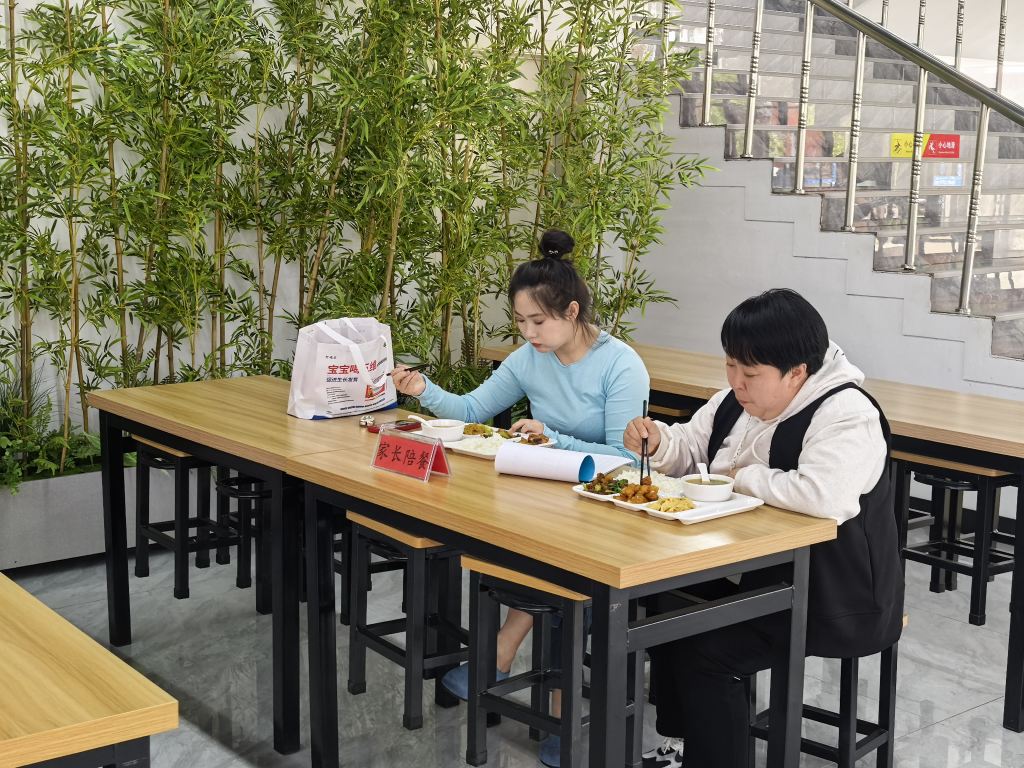
Core Viewpoint - Gansu Province's Tianshui City Market Supervision Administration is focusing on ensuring food safety in schools during the spring semester, implementing comprehensive measures to safeguard the dietary safety of students and the surrounding environment [1][2] Group 1: Safety Measures Implementation - The administration has organized a full staff training and assessment for school food safety personnel, enforcing a "no qualification, no post" policy to ensure effective training [1] - A comprehensive self-inspection and rectification process has been initiated, requiring schools to check key areas such as cafeteria qualifications, equipment, food inventory, and processing environments, establishing a closed-loop management mechanism [1] - Maintenance of cafeteria facilities has been completed, ensuring that refrigeration, disinfection, and other equipment meet standard requirements [1] Group 2: Joint Inspection and Enforcement - A city-wide joint inspection for school food safety has been launched, involving collaboration among market supervision, education, public security, and health departments, focusing on critical areas such as food procurement and personnel management [2] - A total of 264 school cafeterias were inspected, resulting in 96 issues identified and 5 corrective notices issued [2] - The plan includes special food sampling inspections and tracking of non-compliant food products, with 42 batches of rapid testing services provided to assist schools in implementing food safety risk prevention [2] Group 3: Community Engagement and Future Actions - Schools are encouraged to open "bright kitchen" viewing permissions to parents, enhancing social supervision and improving food safety governance [2] - Future actions will involve increased supervision and enforcement, utilizing guidance, interviews, and penalties to conduct special rectification actions for school food safety [2]
食品安全监管 严查之外如何补空白?
Yang Shi Wang· 2025-12-25 02:21
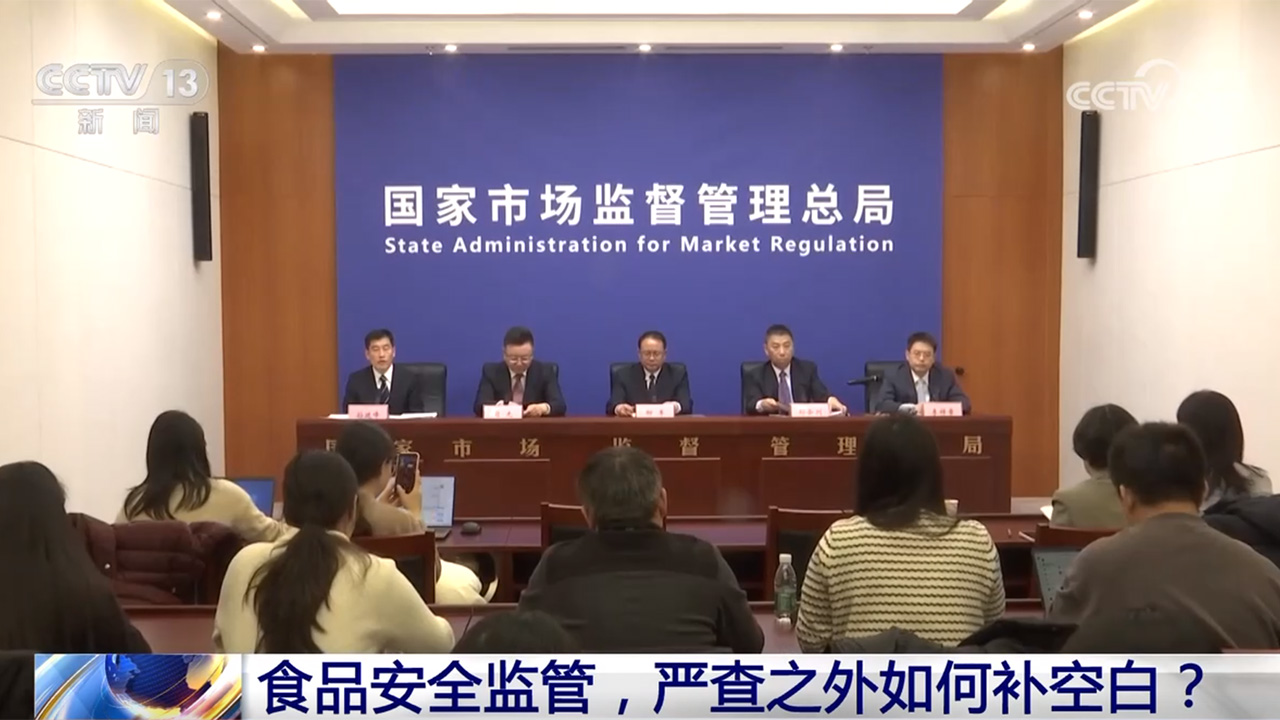
Core Viewpoint - The article emphasizes the need for enhanced food safety regulations in China, particularly focusing on rural areas, school food safety, and the responsibilities of food chain enterprises and live-streaming platforms in ensuring food quality and safety [1][2][9][10]. Group 1: Food Safety Regulations - The Chinese government is intensifying efforts to combat counterfeit and substandard food products, particularly in rural areas and schools, by implementing new regulations and focusing on key risk areas [1][2]. - The new regulations for food chain enterprises highlight the responsibility of headquarters to ensure food safety at franchise and individual stores, preventing the transfer of accountability [9]. Group 2: School Food Safety - School food safety is a critical issue that affects public health, and the approach involves establishing a closed-loop responsibility system among school administrators, catering staff, and supervisory bodies [3][4]. - The strategy includes preemptive risk management in food procurement and preparation processes, ensuring that safety measures are in place from the outset [3][5]. Group 3: Rural Food Safety Challenges - Rural food safety remains a significant challenge due to weak consumer demand, high price sensitivity, and the prevalence of small food production units with inadequate traceability and accountability mechanisms [6][7][8]. - The lack of regulatory strength at the grassroots level and low public awareness of food safety issues contribute to ongoing problems in rural food management [8]. Group 4: Live-Streaming Food Sales Regulations - New regulations for live-streaming food sales outline the responsibilities of platforms, operators, and managers in ensuring the safety and quality of food sold through these channels, including pre-sale checks and information disclosure [10].
新闻1+1丨食品安全监管 严查之外如何补空白?
Yang Shi Wang· 2025-12-24 22:15
Core Viewpoint - The article emphasizes the need for enhanced food safety regulations in China, particularly focusing on rural areas, school food safety, and the responsibilities of food chain enterprises and live-streaming platforms in ensuring food quality and safety [1][9][10]. Group 1: Food Safety Regulation Focus Areas - The government is intensifying efforts to address counterfeit and substandard food products, particularly in rural areas and schools, while also tackling issues related to food additives and consumer fraud in meat and edible oils [1][2]. - The new regulations aim to cover key risk areas in food safety that are of significant concern to the public, allowing for concentrated regulatory resources to address these issues effectively [2]. Group 2: School Food Safety Management - The management of school food safety is critical for public health, with a focus on establishing a closed-loop responsibility system involving school principals and catering staff as primary responsible parties [4]. - The approach includes preemptive risk management throughout the food supply chain, from procurement to transportation, and emphasizes the use of technology such as "Internet + Bright Kitchen" for monitoring food preparation processes [4][6]. Group 3: Addressing Rural Food Safety Challenges - Rural food safety remains a persistent challenge due to weak consumer demand, high price sensitivity, and the prevalence of small food businesses with inadequate traceability and accountability mechanisms [8]. - The regulatory capacity at the grassroots level in rural areas is limited, and there is a lack of strong food safety awareness among rural consumers, contributing to ongoing issues in food safety management [8]. Group 4: Responsibilities of Food Chain Enterprises - New regulations highlight the responsibility of food chain enterprises' headquarters to ensure food safety at franchise and individual stores, preventing the transfer of accountability to these entities [9]. - The rapid growth of the food chain industry, which has reached approximately 21% of the market, necessitates a clear delineation of responsibilities to maintain food safety standards across all operational levels [9]. Group 5: Live-Streaming Food Sales Regulations - The new rules for live-streaming food sales establish clear responsibilities for online platforms regarding the qualification checks of food sellers and the sources of food products [10]. - Operators of food live-streaming sessions are required to ensure accurate information disclosure and quality assurance of the products they sell, holding them accountable for the safety of the food offered [10].

保障校园食品安全,学校和家长应该站在同一边
Nan Fang Du Shi Bao· 2025-09-22 12:45
Core Viewpoint - The Supreme People's Court has released eight typical cases related to campus food safety, highlighting significant issues in food safety management within schools, particularly focusing on a case in Guangzhou where a food service company repeatedly violated safety regulations [1][2]. Group 1: Case Details - A food service company in a Guangzhou school was found to have serious food safety issues, including the use of frozen meat, the presence of paper towels in meals, and frequent insect contamination [1][2]. - The school’s parent committee initiated a meal boycott and the school terminated its contract with the food service company, which was supported by a judicial ruling [1][2]. Group 2: Regulatory Response - The Shanghai Municipal Education Commission has intervened in the controversy surrounding the food supplier, Green捷, and is increasing regulatory oversight of school meal providers [1][2]. - The public is awaiting a response from the involved company regarding complaints about the quality of shrimp served to students [1]. Group 3: Importance of Stakeholder Roles - The role of the school management and parent committees is crucial in addressing food safety issues, as their actions can determine whether problems are resolved or escalate [2][3]. - The judicial system has recognized the importance of parent committees in overseeing food safety, affirming their rights to participate in monitoring [3]. Group 4: Challenges and Solutions - While it may be difficult to ensure that campus meals are always safe, the attitudes of school authorities, parental actions, and judicial support are essential in safeguarding food safety [4]. - There is a need for collaboration among all parties to effectively address the challenges in campus meal governance and eliminate non-compliant suppliers [4].
辽宁开原:监督护航供餐改革 共筑校园餐防火墙
Xin Hua Wang· 2025-05-23 01:42
Core Viewpoint - The article highlights the successful implementation of a school meal reform in Kaiyuan City, which transitioned from outsourced catering to a self-operated cafeteria model, ensuring food safety and parental involvement in the process [1][2]. Group 1: School Meal Reform - Kaiyuan City Second High School previously faced challenges in providing unified meal services due to the absence of a cafeteria [1]. - The school cafeteria was officially opened in April, with staff selected from among the parents of students, promoting mutual supervision and food safety [1][2]. Group 2: Oversight and Governance - The Kaiyuan City Discipline Inspection Commission and Supervisory Committee initiated a comprehensive oversight strategy to address issues related to school meals, including transparency in ingredient procurement and financial oversight [2]. - A multi-departmental inspection team was formed to conduct regular checks, including food sampling and parent participation in meal supervision, ensuring accountability and timely resolution of identified issues [2]. Group 3: Future Initiatives - The Commission plans to enhance food safety and dietary management systems, aiming for comprehensive improvements in meal quality, financial oversight, and risk prevention [2].