直播电商食品安全

Search documents
董宇辉直播再引争议 主播带货也须带责
Zhong Guo Xin Wen Wang· 2026-01-21 05:25
Group 1 - The controversy surrounding the product sold by top influencer Dong Yuhui highlights issues in the agricultural product live-streaming sector, particularly regarding the authenticity of product claims and descriptions [1] - The Anhui Province Liu'an City Mahuang Chicken Industry Association has raised doubts about the product being labeled as "Wangxi Mahuang Chicken," suggesting it is actually "culling hens," leading to modifications in product information by the involved merchant [1] - Past incidents in agricultural product live-streaming, such as the "Northeast Rain Sister" selling sweet potato noodles without sweet potatoes and issues with frozen shrimp exceeding phosphate limits, indicate ongoing challenges in this sector [1] Group 2 - The timing of this controversy coincides with the upcoming implementation of new regulations by the State Administration for Market Regulation, which will enforce stricter food safety responsibilities for live-streaming e-commerce operators starting March 20, 2026 [2] - The new regulations require influencers to establish rigorous product selection standards, verify the identity of food operators, and maintain records of food safety documentation [2] - Influencers and their selection teams are expected to transition from being mere "traffic spokespersons" to "responsible partners," necessitating thorough verification of product information beyond just merchant certifications and testing reports [2]
青年早新闻|美总统就格陵兰岛问题发关税威胁 丹麦国防大臣回应
Xin Lang Cai Jing· 2026-01-17 02:19
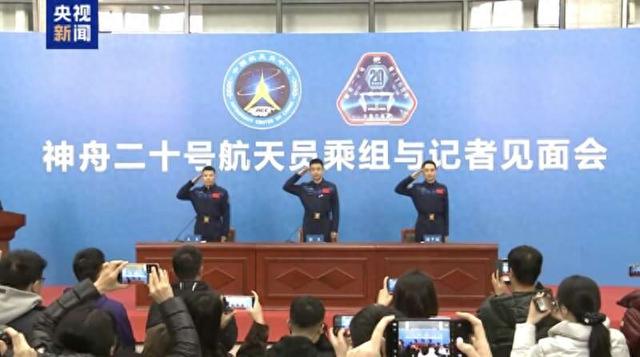
Group 1 - The Shenzhou 20 crew successfully returned to Earth after addressing an emergency situation involving a window crack caused by space debris, demonstrating effective teamwork and emergency response protocols [3][4]. - The crew emphasized their trust in the ground team and their own training, which allowed them to remain calm and execute the emergency procedures effectively [3][4]. - The entire process from identifying the hazard to the safe landing took just over 20 days, showcasing the efficiency of China's manned space program [3]. Group 2 - The new regulations for live-streaming e-commerce in China will take effect on March 20, 2026, aiming to enhance food safety and consumer protection [6]. - The regulations specify 13 categories of food that are prohibited from being sold in live-streaming sessions, including expired, contaminated, or unlabelled products [6]. - These measures are a response to the growing concerns over food safety in the rapidly expanding live-streaming e-commerce sector [6].

为各方主体“划红线、立规矩”——直播电商食品安全有了新规范
Xin Lang Cai Jing· 2026-01-16 19:06
Core Viewpoint - The newly issued regulations by the State Administration for Market Regulation aim to enforce food safety responsibilities among live-streaming e-commerce operators, standardize business practices, protect consumer rights, and promote healthy development of new business models, effective from March 20, 2026 [1][2]. Group 1: Regulatory Framework - The regulations encompass all parties involved in live-streaming e-commerce, including platform operators, live-stream hosts, marketing personnel, and service agencies, mandating them to fulfill food safety responsibilities [1]. - Platforms are required to establish systems for review, training, risk management, and appoint food safety management personnel, along with creating a "food safety risk control checklist" [1]. - Specific requirements for live-streaming food sellers include publicizing licensing information and verifying supplier qualifications for food producers, while non-food producers must implement strict product selection protocols [1]. Group 2: Prohibited Food Items and Consumer Protection - The regulations specify 13 categories of food items that are prohibited for live-streaming sales, including those containing toxic substances, expired or spoiled foods, and unlabelled pre-packaged foods [2]. - Live-streamed food products will be included in regular market supervision and annual sampling plans, with technical monitoring records serving as electronic evidence for administrative penalties [2]. - E-commerce platforms must provide accessible channels for food safety complaints and ensure prompt handling of consumer grievances to address the issue of difficult consumer rights protection [2].
食品安全监管 严查之外如何补空白?
Yang Shi Wang· 2025-12-25 02:21
Core Viewpoint - The article emphasizes the need for enhanced food safety regulations in China, particularly focusing on rural areas, school food safety, and the responsibilities of food chain enterprises and live-streaming platforms in ensuring food quality and safety [1][2][9][10]. Group 1: Food Safety Regulations - The Chinese government is intensifying efforts to combat counterfeit and substandard food products, particularly in rural areas and schools, by implementing new regulations and focusing on key risk areas [1][2]. - The new regulations for food chain enterprises highlight the responsibility of headquarters to ensure food safety at franchise and individual stores, preventing the transfer of accountability [9]. Group 2: School Food Safety - School food safety is a critical issue that affects public health, and the approach involves establishing a closed-loop responsibility system among school administrators, catering staff, and supervisory bodies [3][4]. - The strategy includes preemptive risk management in food procurement and preparation processes, ensuring that safety measures are in place from the outset [3][5]. Group 3: Rural Food Safety Challenges - Rural food safety remains a significant challenge due to weak consumer demand, high price sensitivity, and the prevalence of small food production units with inadequate traceability and accountability mechanisms [6][7][8]. - The lack of regulatory strength at the grassroots level and low public awareness of food safety issues contribute to ongoing problems in rural food management [8]. Group 4: Live-Streaming Food Sales Regulations - New regulations for live-streaming food sales outline the responsibilities of platforms, operators, and managers in ensuring the safety and quality of food sold through these channels, including pre-sale checks and information disclosure [10].
新闻1+1丨食品安全监管 严查之外如何补空白?
Yang Shi Wang· 2025-12-24 22:15
Core Viewpoint - The article emphasizes the need for enhanced food safety regulations in China, particularly focusing on rural areas, school food safety, and the responsibilities of food chain enterprises and live-streaming platforms in ensuring food quality and safety [1][9][10]. Group 1: Food Safety Regulation Focus Areas - The government is intensifying efforts to address counterfeit and substandard food products, particularly in rural areas and schools, while also tackling issues related to food additives and consumer fraud in meat and edible oils [1][2]. - The new regulations aim to cover key risk areas in food safety that are of significant concern to the public, allowing for concentrated regulatory resources to address these issues effectively [2]. Group 2: School Food Safety Management - The management of school food safety is critical for public health, with a focus on establishing a closed-loop responsibility system involving school principals and catering staff as primary responsible parties [4]. - The approach includes preemptive risk management throughout the food supply chain, from procurement to transportation, and emphasizes the use of technology such as "Internet + Bright Kitchen" for monitoring food preparation processes [4][6]. Group 3: Addressing Rural Food Safety Challenges - Rural food safety remains a persistent challenge due to weak consumer demand, high price sensitivity, and the prevalence of small food businesses with inadequate traceability and accountability mechanisms [8]. - The regulatory capacity at the grassroots level in rural areas is limited, and there is a lack of strong food safety awareness among rural consumers, contributing to ongoing issues in food safety management [8]. Group 4: Responsibilities of Food Chain Enterprises - New regulations highlight the responsibility of food chain enterprises' headquarters to ensure food safety at franchise and individual stores, preventing the transfer of accountability to these entities [9]. - The rapid growth of the food chain industry, which has reached approximately 21% of the market, necessitates a clear delineation of responsibilities to maintain food safety standards across all operational levels [9]. Group 5: Live-Streaming Food Sales Regulations - The new rules for live-streaming food sales establish clear responsibilities for online platforms regarding the qualification checks of food sellers and the sources of food products [10]. - Operators of food live-streaming sessions are required to ensure accurate information disclosure and quality assurance of the products they sell, holding them accountable for the safety of the food offered [10].
对直播卖食品划“红线” 直播电商食品安全新规即将出台
Xi Niu Cai Jing· 2025-12-23 11:18
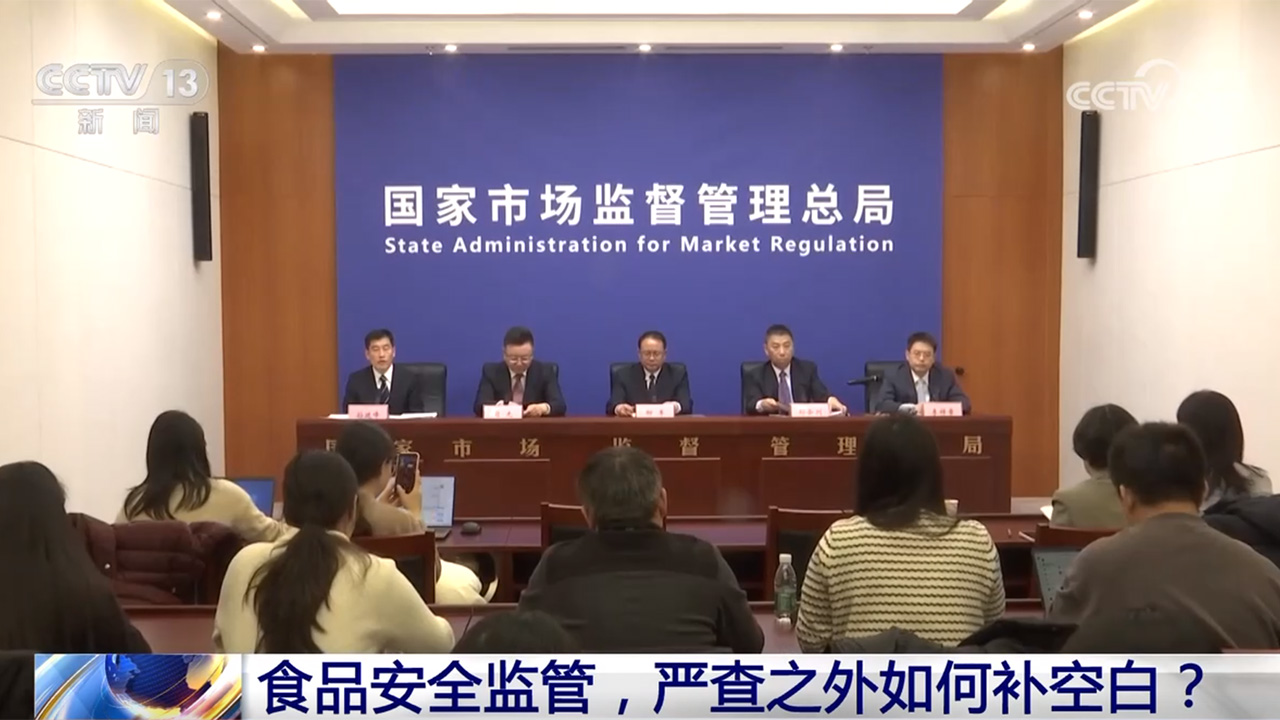
Group 1 - The core viewpoint of the news is the upcoming implementation of the "Regulations on the Supervision and Management of Food Safety Responsibilities of Live E-commerce Operators," which aims to enhance food safety accountability among various stakeholders in the live e-commerce sector [2] - The regulations will impose stricter responsibilities on live e-commerce platform operators, live streamers, and related service agencies regarding food safety risk management and compliance [2] - The implementation of these regulations is a response to public concerns about the rampant violations in food sales through live streaming, which have negatively impacted the long-term development of the live e-commerce industry [2] Group 2 - A recent administrative penalty was issued to Shandong Zhuoyue Food Co., Ltd. for discrepancies in the labeling of their "Jing Marinated Fillet Steak," which did not comply with food safety laws and regulations [3] - The penalty highlights the issue of non-compliance in food labeling, where the actual ingredients used in the product differed from those listed on the label, violating the requirements of food safety law and GB 7718-2011 [3]