餐饮市场下沉

Search documents
国际餐饮巨头持续加码中国
21世纪经济报道· 2026-03-28 03:50
Core Viewpoint - The article discusses the rapid expansion and resilience of international fast-food brands in the Chinese market, highlighting their strategies for growth amidst increasing competition and market saturation [1][6]. Group 1: Market Overview - As of March 2025, the total number of restaurants in China is approaching 8 million, indicating a significant market capacity entering a phase of stock competition [1]. - Sushi郎, a leading brand, has 123 stores and plans to increase its number to 157-161 by the end of the 2025 fiscal year and further to 190-193 in 2026 [4]. Group 2: Expansion Plans of Major Brands - McDonald's currently has over 7,700 stores and plans to open 1,000 new locations by 2026, aiming to exceed 10,000 by 2028 [2]. - Yum China operates 18,101 stores (including KFC and Pizza Hut) and aims to surpass 20,000 by 2026 and 30,000 by 2030 [2]. - Starbucks has approximately 8,000 stores and continues to expand its footprint [2]. - Burger King plans to increase its stores from 1,250 to over 4,000 by 2035, with a net addition of 200 stores annually starting in 2028 [2][5]. - Domino's Pizza has 1,315 stores and is focused on continuous expansion [2]. Group 3: Market Dynamics and Strategies - The article emphasizes the shift towards local partnerships and innovative strategies among international brands, with a focus on understanding the Chinese market better [8][9]. - Tims China is expanding its network in lower-tier cities and special channels, indicating a strategic focus on high-frequency consumer needs [6]. - The introduction of local capital into international brands is seen as a way to enhance operational efficiency and adapt to the fast-paced market [9]. Group 4: Innovation and Product Localization - Brands are increasingly localizing their products and services to meet changing consumer preferences, such as using fresh local ingredients instead of imports [10]. - New brand incubation is being explored, with Pizza Hut launching "必胜汉堡" and "必胜炙烤串" to diversify its offerings [10]. - KFC has successfully incubated new brands like KPRO and has seen significant growth in its coffee brand, aiming for 5,000 stores by 2029 [10]. Group 5: Market Resilience - The Chinese restaurant market showed resilience with a revenue of 55.718 billion yuan in 2024, growing by 5.3%, which outpaced the overall retail sales growth [10]. - The competitive landscape is viewed as a necessary phase for industry maturation, driving brands to optimize and innovate [10].



瞄准“漂亮饭” 麻六记变“小”寻增
Xin Lang Cai Jing· 2026-01-06 16:24
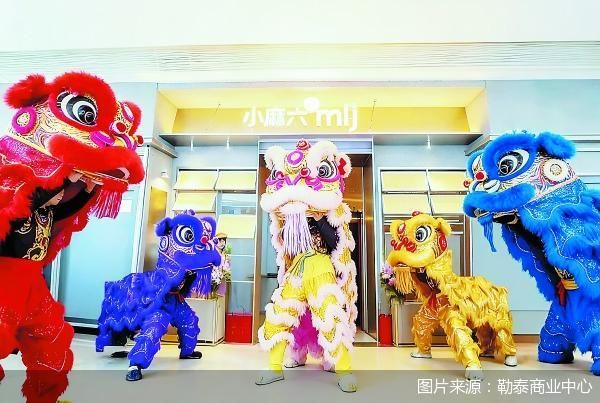
Core Viewpoint - The launch of the new brand "Xiao Ma Liu" by Ma Liu Ji in Shijiazhuang represents a strategic move to penetrate lower-tier markets and diversify consumer engagement, leveraging a competitive pricing strategy and innovative menu offerings [1][4]. Group 1: Brand Strategy and Market Positioning - Xiao Ma Liu aims to attract younger consumers with a smaller, more modern store design and a menu that features 90% different dishes from the main brand, Ma Liu Ji, while maintaining a focus on Sichuan cuisine [3][5]. - The average customer spending at Xiao Ma Liu is significantly lower, ranging from 60 to 70 yuan, compared to the main brand, which positions it to capture a broader audience in non-first-tier cities [3][5]. - The brand's strategy includes utilizing social media for pre-launch marketing and engaging the founder, Wang Xiaofei, in promotional activities to enhance visibility and consumer interest [3][4]. Group 2: Market Expansion and Competitive Landscape - The introduction of Xiao Ma Liu is part of Ma Liu Ji's broader ambition to explore multi-format operations and fill gaps in the market, particularly in lower-tier cities where competition is intensifying [4][6]. - The brand's expansion into various regions, including the successful launch of "Ma Liu Ji Spicy Noodles," demonstrates its adaptability and commitment to meeting diverse consumer needs at lower price points [5][6]. - Industry experts suggest that Xiao Ma Liu's approach aligns with current market trends favoring cost-effective and convenient dining options, which are increasingly sought after by younger consumers [4][6]. Group 3: Operational Challenges and Recommendations - Despite the promising start, Xiao Ma Liu faces challenges in maintaining quality and managing costs in a competitive environment, particularly in lower-tier cities where local brands and fast-food chains are prevalent [6][7]. - Recommendations for Xiao Ma Liu include enhancing menu innovation to avoid homogenization, focusing on unique offerings, and optimizing store operations to balance cost and customer experience [7]. - Ma Liu Ji is advised to strengthen supply chain management and ensure food safety across its operations to maintain brand reputation and consumer trust, especially in light of past food safety concerns [6][7].