小麻六

Search documents
呷哺呷哺“挤进”牛排赛道,打造全新子品牌能否闯出新增长路径?
Xin Jing Bao· 2026-01-21 09:41
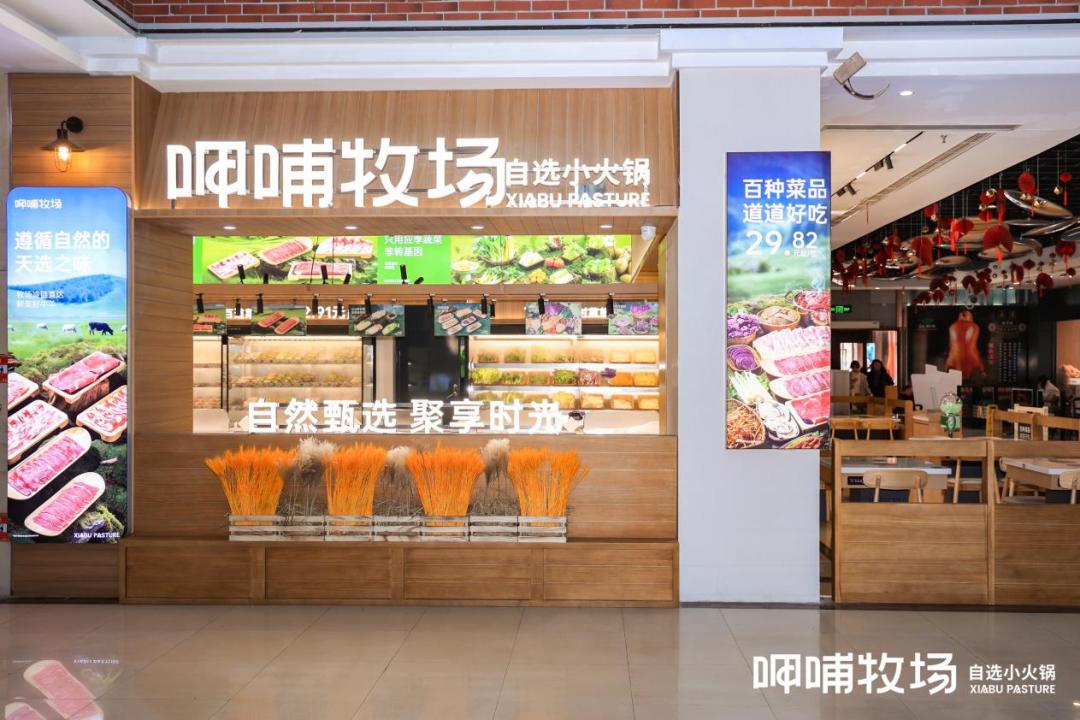
Group 1 - The core point of the article is that Xiabuxiabu Group is entering the steak market with a new sub-brand "Xiniu Pai," aiming to open its first store in Beijing on February 6 and plans to achieve a hundred-store scale within three years [1][2] - The Chinese steak market is projected to reach a size of 35.9 billion yuan in 2024, with a year-on-year growth of 5.4%, and is expected to rise to 37 billion yuan in 2025, indicating significant growth potential [1] - Current market challenges include high average prices for mid-to-high-end steaks exceeding 300 yuan, while budget self-service steak options struggle with quality, creating a dilemma for consumers between quality and price [1] Group 2 - The founder and chairman of Xiabuxiabu Group, He Guangqi, emphasized that "Xiniu Pai" leverages nearly 30 years of global procurement and supply chain management experience, along with organic ranch resources from Inner Mongolia, to ensure high-quality beef procurement and cost control [2] - The business model of "Xiniu Pai" features "Taiwan-style handmade steak + 158 free Chinese and Western fusion dishes + unlimited afternoon tea," with prices starting from 100 yuan and promotional offers like 39.9 yuan for afternoon tea [2] - The trend of multi-brand exploration in the restaurant industry is highlighted, with leading companies diversifying through sub-brands to mitigate risks and tap into new market segments, as seen with competitors like Haidilao and Maliu Ji [2][3] Group 3 - Industry experts caution that developing sub-brands may lead to resource dilution, supply chain fragmentation, and management focus diversion, alongside the high costs of market validation [3] - There is a risk that consumer perceptions of the parent brand may create stereotypes, making it essential for sub-brands to achieve differentiation to avoid becoming "cold" upon launch [3] - Companies must establish clear brand distinctions and conduct sufficient market research when venturing into new segments to ensure successful cross-industry expansion [3]
一个月10多个副牌齐开,餐饮巨头们在急什么?
3 6 Ke· 2026-01-07 02:44
Core Insights - The restaurant industry is witnessing a resurgence of "sub-brands" as major players like Haidilao, Yum China, and others launch new concepts to capture market share and cater to specific consumer needs [1][2] Group 1: Sub-brand Launches - Major restaurant brands are intensifying their focus on sub-brands, with Haidilao introducing a lively hot pot concept, Yum China launching two new independent sub-brands, and others like Jiumaojiu and Maliuji also expanding their offerings [1] - The recent trend shows a shift from blindly expanding product categories to targeting specific customer segments and dining scenarios [1][2] Group 2: Strategic Focus and Upgrades - Brands are prioritizing quality and price-performance ratio, as seen with Xiabuxiabu's new self-service hot pot, which offers competitive pricing while aiming to differentiate from its main brand [3] - Jiumaojiu is narrowing its sub-brand strategy, focusing on upgrading its flagship brand Tai Er, which is evolving into a more diverse dining experience [3] Group 3: Cost Structure and Operational Efficiency - Major brands are adopting a "light asset" model for sub-brands, reducing operational costs and risks by leveraging existing resources [13][14] - KCOFFEE exemplifies this model by utilizing KFC's infrastructure for rapid expansion, while Pizza Hut's new sub-brand also follows a similar cost-saving strategy [14][16] Group 4: Market Penetration Strategies - The industry is increasingly targeting lower-tier cities and international markets, with brands like Haidilao and Jiumaojiu making strategic moves to penetrate these areas [23][25] - Haidilao's acquisition of "Jugaogao" aims to meet the demand for affordable dining in lower-tier cities, while Jiumaojiu's acquisition of BigWayHotPot facilitates its entry into the North American market [25]



90%菜品不同、瞄准“漂亮饭” 麻六记再推新品牌寻增长新局
Bei Jing Shang Bao· 2026-01-07 00:22
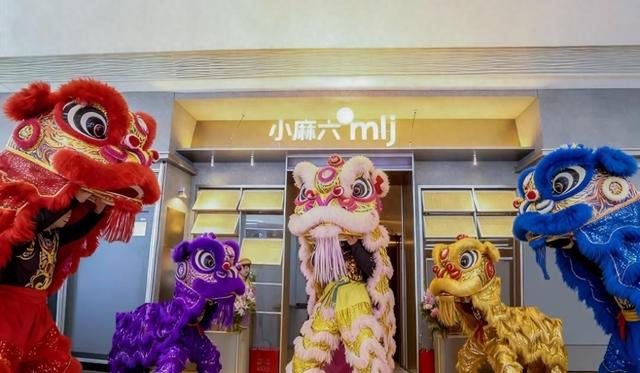
Core Viewpoint - The launch of the new brand "Xiao Ma Liu" by Ma Liu Ji aims to capture the non-first-tier market by offering a competitive advantage through 90% innovative dishes and a more affordable price point, complementing the main brand's offerings [1][4]. Group 1: Brand Positioning and Strategy - Xiao Ma Liu's first store opened in Shijiazhuang, targeting young consumers with a focus on trendy dining experiences and a lower average spending of 60-70 yuan per person [2][3]. - The brand's strategy includes a significant departure from the main brand's offerings, with 90% of the dishes being different, aiming to attract a diverse customer base [2][4]. - The introduction of Xiao Ma Liu is seen as a strategic move to expand into lower-tier markets and enhance the overall market presence of Ma Liu Ji [3][4]. Group 2: Market Trends and Consumer Behavior - The current dining market is experiencing a trend of consumption stratification and down-market expansion, with younger consumers increasingly valuing cost-effectiveness and convenience [4][6]. - Xiao Ma Liu's smaller store format and lower price point align with the market demand for lightweight and flexible dining models [4][5]. Group 3: Operational Challenges and Recommendations - Despite the brand's initial popularity and recognition, Xiao Ma Liu will face challenges in the competitive landscape of non-first-tier cities, requiring a localized management approach and optimized supply chain [6][7]. - Recommendations for Xiao Ma Liu include enhancing dish innovation to avoid homogenization, focusing on unique products to create memorable experiences, and balancing cost with customer experience to ensure sustainable profitability [6][7].
麻六记再推新品牌寻增长线
Xin Lang Cai Jing· 2026-01-06 17:29
Core Insights - The launch of the new brand "Xiao Ma Liu" by the Ma Liu Ji restaurant group aims to capture the non-first-tier city market with a focus on affordability and innovation in menu offerings [1][4] - The brand positions itself to attract younger consumers with a lower average spending of 60-70 yuan per person, compared to its main brand [3][5] - The introduction of Xiao Ma Liu is part of a broader strategy to expand the group's market presence and adapt to changing consumer preferences for cost-effective dining options [6][7] Group 1: Brand Strategy and Market Positioning - Xiao Ma Liu's menu features 90% new dishes distinct from the main brand, aiming to create a complementary price matrix [1][3] - The brand's design and atmosphere are tailored to appeal to younger demographics, with a smaller store footprint and a lively environment [3][5] - The strategic focus on high cost-performance aims to cover a diverse customer base and facilitate scalable expansion [4][6] Group 2: Market Trends and Consumer Behavior - The restaurant industry is experiencing a trend of consumption stratification and down-market expansion, with younger consumers increasingly valuing affordability and convenience [5][6] - Xiao Ma Liu's lower price point and smaller store size align with the current market demand for lightweight and flexible dining models [6][7] - The brand's entry into non-first-tier cities is seen as a response to the competitive landscape, where it must navigate local brand competition and fast-food chains [6][7] Group 3: Operational Challenges and Recommendations - Despite the brand's initial popularity, Xiao Ma Liu faces challenges in maintaining quality control and balancing costs as it expands into new markets [6][7] - Recommendations for the brand include enhancing menu innovation to avoid homogenization, optimizing store models, and focusing on local market characteristics [7] - The parent company, Ma Liu Ji, is advised to strengthen supply chain oversight and ensure food safety to maintain brand reputation amid past concerns [6][7]
瞄准“漂亮饭” 麻六记变“小”寻增
Xin Lang Cai Jing· 2026-01-06 16:24
Core Viewpoint - The launch of the new brand "Xiao Ma Liu" by Ma Liu Ji in Shijiazhuang represents a strategic move to penetrate lower-tier markets and diversify consumer engagement, leveraging a competitive pricing strategy and innovative menu offerings [1][4]. Group 1: Brand Strategy and Market Positioning - Xiao Ma Liu aims to attract younger consumers with a smaller, more modern store design and a menu that features 90% different dishes from the main brand, Ma Liu Ji, while maintaining a focus on Sichuan cuisine [3][5]. - The average customer spending at Xiao Ma Liu is significantly lower, ranging from 60 to 70 yuan, compared to the main brand, which positions it to capture a broader audience in non-first-tier cities [3][5]. - The brand's strategy includes utilizing social media for pre-launch marketing and engaging the founder, Wang Xiaofei, in promotional activities to enhance visibility and consumer interest [3][4]. Group 2: Market Expansion and Competitive Landscape - The introduction of Xiao Ma Liu is part of Ma Liu Ji's broader ambition to explore multi-format operations and fill gaps in the market, particularly in lower-tier cities where competition is intensifying [4][6]. - The brand's expansion into various regions, including the successful launch of "Ma Liu Ji Spicy Noodles," demonstrates its adaptability and commitment to meeting diverse consumer needs at lower price points [5][6]. - Industry experts suggest that Xiao Ma Liu's approach aligns with current market trends favoring cost-effective and convenient dining options, which are increasingly sought after by younger consumers [4][6]. Group 3: Operational Challenges and Recommendations - Despite the promising start, Xiao Ma Liu faces challenges in maintaining quality and managing costs in a competitive environment, particularly in lower-tier cities where local brands and fast-food chains are prevalent [6][7]. - Recommendations for Xiao Ma Liu include enhancing menu innovation to avoid homogenization, focusing on unique offerings, and optimizing store operations to balance cost and customer experience [7]. - Ma Liu Ji is advised to strengthen supply chain management and ensure food safety across its operations to maintain brand reputation and consumer trust, especially in light of past food safety concerns [6][7].