
餐饮行业调价

Search documents
库迪将取消全场9.9元,肯德基、麦当劳、瑞幸、奈雪的茶集体涨价
21世纪经济报道· 2026-01-31 03:56
Core Viewpoint - The article discusses the recent price adjustments made by major fast-food and beverage brands in response to rising operational costs and competitive pressures in the delivery market, indicating a shift in pricing strategies across the industry [1][5][14]. Price Adjustments - KFC has raised the prices of its delivery products by an average of 0.8 yuan while keeping dine-in prices unchanged, citing the need to respond to operational cost changes [5][9]. - McDonald's has also increased the prices of some menu items by 0.5 to 1 yuan, with delivery prices adjusted accordingly [9]. - Other brands like Salvia and Luckin Coffee have followed suit, with price increases ranging from 1 to 2 yuan for certain items, often through indirect methods such as eliminating discounts [5][9]. Market Dynamics - The article highlights the impact of the intense competition in the delivery market, which has led to a "price war" that is reshaping the competitive landscape, with new entrants continuously driving prices lower [5][13]. - The rising costs of raw materials, as indicated by a 4.4% increase in fresh fruit prices, are also contributing to the need for price adjustments among these brands [10][11]. Consumer Behavior - The shift in pricing strategies may alter consumer perceptions, as many have become accustomed to lower prices due to previous promotional activities, potentially leading to resistance against higher prices [13][14]. - The reliance on delivery services has increased significantly, with KFC's delivery sales growing by 33% year-on-year, accounting for 51% of its restaurant revenue [9]. Strategic Adjustments - Many smaller brands are adopting more discreet pricing strategies to avoid direct price hikes, focusing on high-margin meal bundles to improve delivery profitability [13][14]. - The article suggests that the adjustments in pricing are part of a broader strategy to regain pricing power and reduce dependency on delivery channels, which have been detrimental to profit margins [14].




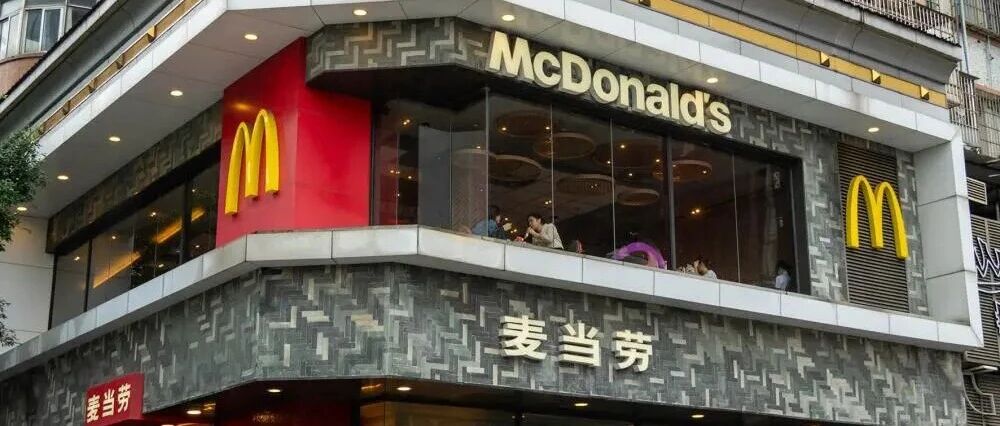
库迪将取消全场9.9元,肯德基、麦当劳、瑞幸、奈雪的茶、蜜雪冰城集体涨价
2 1 Shi Ji Jing Ji Bao Dao· 2026-01-31 02:36
Core Viewpoint - The recent price adjustments by major fast-food chains like KFC and McDonald's, along with various coffee and tea brands, reflect a response to rising operational costs and the competitive pressures of the takeaway market [1][2][3] Price Adjustments - KFC China announced a slight price increase of 0.8 yuan for its delivery products while keeping dine-in prices unchanged, citing operational cost changes as the reason [1][3] - Other brands, including McDonald's and various tea brands, have also raised prices by 1-2 yuan, often through indirect methods like eliminating discounts [1][3][4] Market Dynamics - The competitive landscape has shifted due to an intense price war in the takeaway sector, leading to a "mixed battle" environment where prices continue to drop, potentially harming overall industry profitability [2][7] - KFC's delivery sales grew by 33% year-on-year, accounting for 51% of its restaurant revenue, indicating a significant reliance on the delivery segment [3] Cost Pressures - Rising raw material costs are a contributing factor to the price increases, with the Consumer Price Index (CPI) rising by 0.8% in December 2025, and fresh fruit prices increasing by 4.4% [4][6] - The price of lemons, a key ingredient for many beverages, rose by 28.3% from April to June 2025, coinciding with increased demand from takeaway services [6] Strategic Adjustments - Smaller brands are adopting more discreet pricing strategies to cope with the competitive pressures, often increasing the prices of high-margin combo meals to improve profitability [7][8] - The industry is witnessing a shift towards reducing reliance on takeaway channels, with brands adjusting their pricing structures and enhancing dine-in experiences to balance profitability [8]
麦当劳肯德基相继调价 背后是外卖成本压力?
2 1 Shi Ji Jing Ji Bao Dao· 2026-01-31 01:11
Core Insights - The article discusses the recent price adjustments made by major fast-food chains like KFC and McDonald's, as well as various coffee and tea brands, primarily targeting delivery services to cope with rising operational costs [1][2]. Price Adjustments - KFC China announced a price increase of 0.8 yuan on delivery products while keeping dine-in prices unchanged, citing operational cost changes as the reason [1][2]. - McDonald's also raised prices on certain menu items by 0.5 to 1 yuan, with delivery prices adjusted accordingly [2]. - Other brands like Salvia, Nayuki, and Luckin Coffee have also increased their prices, typically by 1 to 2 yuan, to balance costs and profits [1][2]. Market Dynamics - The competitive landscape has shifted due to an intense delivery price war, which has altered the profit margins for many restaurants [1][4]. - The increase in raw material costs, as indicated by a 0.8% rise in the Consumer Price Index (CPI) and a 4.4% increase in fresh fruit prices, is contributing to the need for price adjustments [3][4]. Impact on Smaller Brands - Smaller businesses are adopting more discreet and flexible pricing strategies compared to larger chains, which can afford to raise prices openly [5][6]. - Many small brands are experiencing significant profit reductions, with some reporting a 60% decrease in net profits due to low-price subsidies [6]. Long-term Implications - The ongoing price adjustments reflect a broader trend of brands reassessing their reliance on delivery channels and seeking to improve in-store experiences [7]. - The adjustments may help the industry move away from a low-price competition model, fostering a healthier market environment as subsidy pressures ease [7].
