吮指原味鸡

Search documents
吃鸡吃出千亿市值,百胜中国怎么做到的?
虎嗅APP· 2026-02-05 00:53
Core Insights - The article highlights that the New Orleans wings, popular in China, do not actually originate from New Orleans but were created by KFC specifically for the Chinese market, showcasing the brand's ability to cater to local tastes [2][3] Sales Performance - In Yum China's recently released financial report, six star products, including Spicy Chicken Wings and New Orleans Wings, accounted for one-third of KFC's total sales. The company achieved a total revenue of $11.8 billion, a 4% year-on-year increase, with operating profit reaching $1.3 billion, up 11% [6] Product Innovation - KFC's product innovation strategy is evident in the rapid success of the Crispy Golden Chicken Wings, which quickly transitioned from a limited-time offer to a permanent menu item within four months due to strong consumer demand [9][10] - The company emphasizes a systematic approach to product development, ensuring that all operational aspects, from supply chain to marketing, are aligned for successful product launches [11] Brand Strategy - KFC's strategy focuses on leveraging big-ticket items to enhance brand loyalty and recognition, with flagship products like New Orleans Wings and Spicy Chicken Wings generating significant sales, exceeding $3 billion and $4 billion annually, respectively [12][14] - The brand's innovation is rooted in maintaining a stable core while extending classic flavors to create new experiences for consumers, thereby enhancing customer engagement [21][19] Market Expansion - Yum China is in a phase of accelerated store expansion, with over 1,700 new stores opened in 2025, bringing the total to over 18,000, and plans to reach 20,000 by 2026 and 30,000 by 2030 [28][29] - The company employs a multi-brand strategy to cater to diverse consumer needs across various market segments, enhancing operational efficiency and market reach [26][24] Operational Excellence - The success of Yum China's innovation and expansion efforts is supported by a robust supply chain and digital infrastructure, enabling rapid response to consumer feedback and market trends [22][29] - The company has launched over 1,600 innovative or upgraded products in the past three years, with many achieving annual sales exceeding $10 million, demonstrating its effective innovation strategy [22]


库迪宣布取消全场9.9元 公司回应!肯德基、麦当劳、瑞幸、奈雪的茶此前已经涨价
Mei Ri Jing Ji Xin Wen· 2026-01-31 06:43
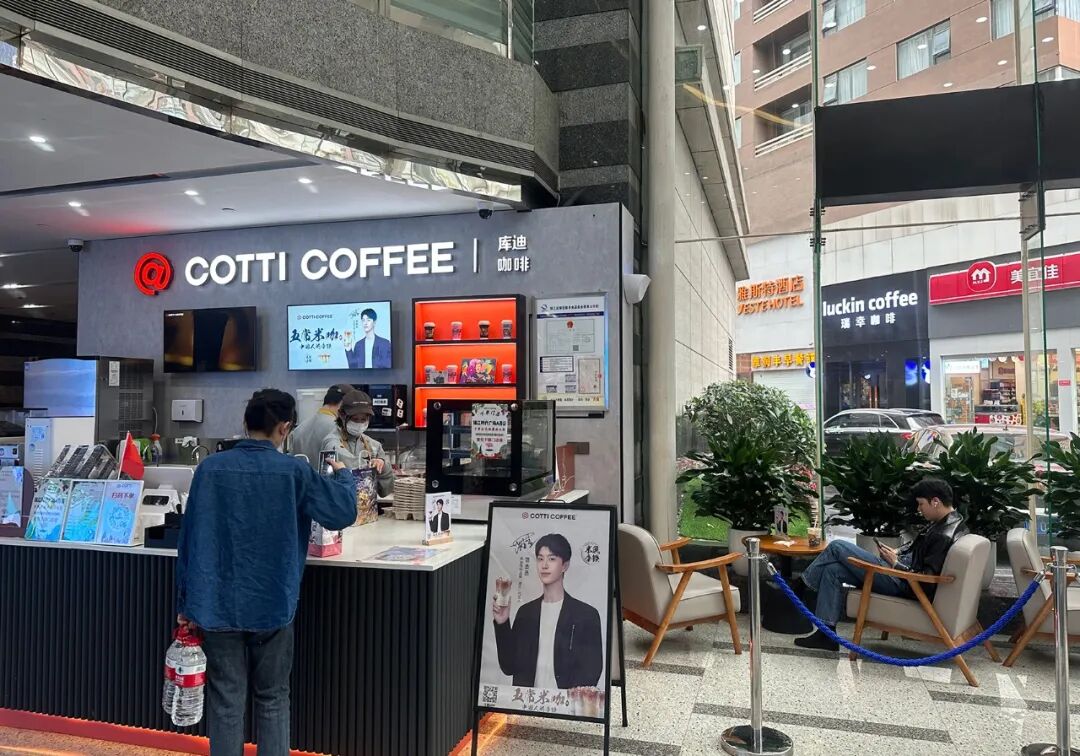
Group 1 - Kudi Coffee announced the cancellation of its "all drinks for 9.9 yuan unlimited" promotion, effective January 31, 2026, with a new special price section starting February 1, 2026, where some products will still be available at 9.9 yuan unlimited [1] - Kudi Coffee's new store promotion will adjust the first-month price from 8.8 yuan to 9.9 yuan for new users, with changes in the number of discount vouchers provided [1] - The brand has seen significant growth, with over 18,000 stores, attributed to the success of the 9.9 yuan promotion launched in February 2023 [1] Group 2 - KFC has adjusted the prices of some delivery products by an average of 0.8 yuan, while dine-in prices remain unchanged, indicating a response to rising operational costs [2] - Other fast-food brands like McDonald's and Salvia have also raised prices on select items, citing the need to balance costs while maintaining quality [2] - The trend of price increases among brands that heavily rely on delivery services suggests a direct correlation between delivery channel growth and profit margins [3] Group 3 - Rising costs of raw materials, such as fruits and tea, have been identified as a primary reason for the recent price hikes in the food and beverage industry [3] - The average wholesale price of lemons has nearly doubled year-on-year, reflecting broader inflationary pressures in the market [3] - Companies are focusing on adjusting their profit structures rather than relying solely on low-price strategies to attract customers, especially as subsidies decrease [4]

库迪宣布取消全场9.9元,公司回应!肯德基、麦当劳、瑞幸、奈雪的茶此前已经涨价
Mei Ri Jing Ji Xin Wen· 2026-01-31 06:41
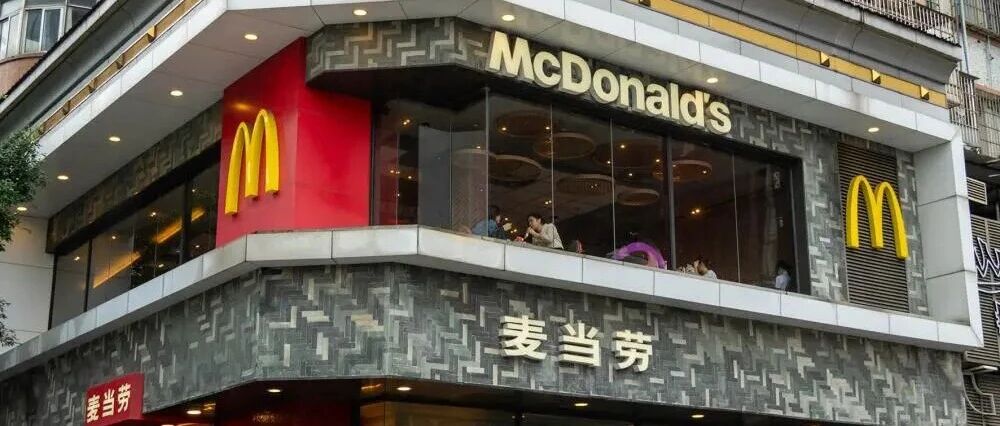
Group 1 - Kudi Coffee announced the cancellation of its "all products at 9.9 yuan unlimited" promotion, effective January 31, 2026, with a new special price section starting February 1, 2026, where some products will still be available at 9.9 yuan unlimited [1][3] - Starting February 1, 2026, Kudi's new store promotion will change from 8.8 yuan to 3 vouchers of 8.8 yuan for all drinks, and the new user reward will also be adjusted from 3 vouchers of 8.8 yuan to 3 vouchers of 9.9 yuan [1][3] - Kudi Coffee's brand store count has exceeded 18,000, attributed to the success of the 9.9 yuan promotion launched in February 2023, which was later adjusted to 8.8 yuan in May 2023 [3] Group 2 - KFC has adjusted the prices of some delivery products by an average of 0.8 yuan, while dine-in prices remain unchanged, indicating a response to rising operational costs [4] - McDonald's announced a price increase of 0.5 to 1 yuan for some menu items starting December 15, 2025, with a similar adjustment for delivery [4] - The price of lemons, a common ingredient in tea drinks, has nearly doubled from 7.84 yuan per kilogram to 14.87 yuan per kilogram year-on-year, reflecting broader trends in rising raw material costs [6] Group 3 - The recent price increases across various brands are primarily driven by rising upstream costs, particularly in raw materials like fruits and tea [5] - The increase in order volume does not necessarily lead to profit growth, highlighting the need for companies to adjust their profit structures, especially as subsidies decrease [6]
库迪将取消全场9.9元,肯德基、麦当劳、瑞幸、奈雪的茶集体涨价
21世纪经济报道· 2026-01-31 03:56
Core Viewpoint - The article discusses the recent price adjustments made by major fast-food and beverage brands in response to rising operational costs and competitive pressures in the delivery market, indicating a shift in pricing strategies across the industry [1][5][14]. Price Adjustments - KFC has raised the prices of its delivery products by an average of 0.8 yuan while keeping dine-in prices unchanged, citing the need to respond to operational cost changes [5][9]. - McDonald's has also increased the prices of some menu items by 0.5 to 1 yuan, with delivery prices adjusted accordingly [9]. - Other brands like Salvia and Luckin Coffee have followed suit, with price increases ranging from 1 to 2 yuan for certain items, often through indirect methods such as eliminating discounts [5][9]. Market Dynamics - The article highlights the impact of the intense competition in the delivery market, which has led to a "price war" that is reshaping the competitive landscape, with new entrants continuously driving prices lower [5][13]. - The rising costs of raw materials, as indicated by a 4.4% increase in fresh fruit prices, are also contributing to the need for price adjustments among these brands [10][11]. Consumer Behavior - The shift in pricing strategies may alter consumer perceptions, as many have become accustomed to lower prices due to previous promotional activities, potentially leading to resistance against higher prices [13][14]. - The reliance on delivery services has increased significantly, with KFC's delivery sales growing by 33% year-on-year, accounting for 51% of its restaurant revenue [9]. Strategic Adjustments - Many smaller brands are adopting more discreet pricing strategies to avoid direct price hikes, focusing on high-margin meal bundles to improve delivery profitability [13][14]. - The article suggests that the adjustments in pricing are part of a broader strategy to regain pricing power and reduce dependency on delivery channels, which have been detrimental to profit margins [14].

库迪将取消全场9.9元,肯德基、麦当劳、瑞幸、奈雪的茶、蜜雪冰城集体涨价
2 1 Shi Ji Jing Ji Bao Dao· 2026-01-31 02:36
Core Viewpoint - The recent price adjustments by major fast-food chains like KFC and McDonald's, along with various coffee and tea brands, reflect a response to rising operational costs and the competitive pressures of the takeaway market [1][2][3] Price Adjustments - KFC China announced a slight price increase of 0.8 yuan for its delivery products while keeping dine-in prices unchanged, citing operational cost changes as the reason [1][3] - Other brands, including McDonald's and various tea brands, have also raised prices by 1-2 yuan, often through indirect methods like eliminating discounts [1][3][4] Market Dynamics - The competitive landscape has shifted due to an intense price war in the takeaway sector, leading to a "mixed battle" environment where prices continue to drop, potentially harming overall industry profitability [2][7] - KFC's delivery sales grew by 33% year-on-year, accounting for 51% of its restaurant revenue, indicating a significant reliance on the delivery segment [3] Cost Pressures - Rising raw material costs are a contributing factor to the price increases, with the Consumer Price Index (CPI) rising by 0.8% in December 2025, and fresh fruit prices increasing by 4.4% [4][6] - The price of lemons, a key ingredient for many beverages, rose by 28.3% from April to June 2025, coinciding with increased demand from takeaway services [6] Strategic Adjustments - Smaller brands are adopting more discreet pricing strategies to cope with the competitive pressures, often increasing the prices of high-margin combo meals to improve profitability [7][8] - The industry is witnessing a shift towards reducing reliance on takeaway channels, with brands adjusting their pricing structures and enhancing dine-in experiences to balance profitability [8]
肯德基涨价了!外送产品平均贵0.8元
Guo Ji Jin Rong Bao· 2026-01-26 13:33
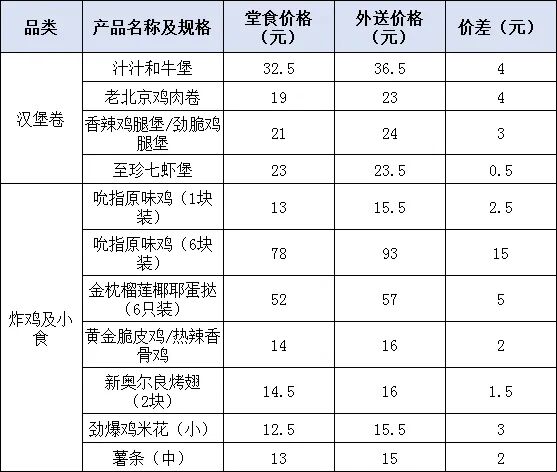
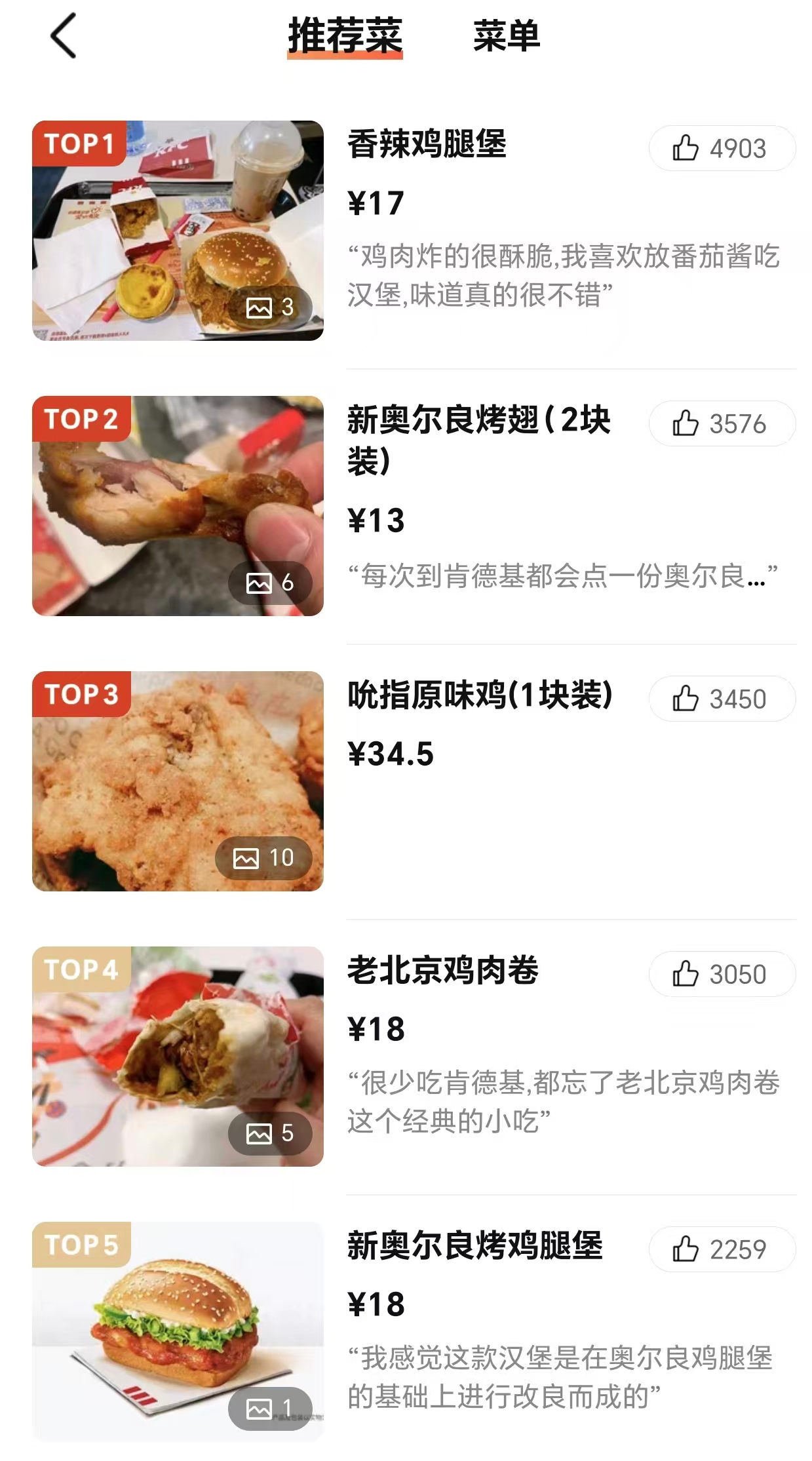
Core Viewpoint - KFC China has announced a price increase for its delivery products, with an average rise of 0.8 yuan, while dine-in prices remain unchanged [1] Group 1: Price Adjustment Details - The price increase is limited to the delivery channel, with specific price differences noted for various products, such as a 4 yuan increase for the "Juicy Beef Burger" and "Old Beijing Chicken Wrap" compared to dine-in prices [2][3] - Delivery prices for popular items like "Original Recipe Chicken" and "Golden Crispy Chicken" have increased by 2.5 to 3 yuan, with total delivery costs potentially exceeding dine-in prices by approximately 10 yuan when including delivery fees [2][3] Group 2: Rationale Behind Price Increase - KFC stated that the price adjustment is a normal market response to changes in operational costs, aiming to maintain stable and healthy operations [4] - This is not the first price adjustment due to cost pressures; a previous increase occurred in December 2024, with similar justifications regarding market cost adaptation [4] Group 3: Industry Context and Performance - The price increase reflects broader cost pressures within the fast-food industry, as evidenced by McDonald's recent price hikes on core items [4] - KFC's delivery sales have seen a significant increase, with a 33% year-on-year growth, contributing to over 51% of the company's restaurant revenue in the latest quarter [5] - Despite rising delivery costs, KFC's restaurant profit margin reached 18.5%, indicating effective operational efficiency [5] Group 4: Future Goals - KFC aims to achieve an operating profit of over 10 billion yuan by 2028, with plans to expand its store count to over 17,000 by that year [6]
肯德基外卖涨价,平均上调0.8元
Xin Lang Cai Jing· 2026-01-26 04:14
Core Viewpoint - KFC has implemented a slight price increase on some delivery products, averaging 0.8 yuan, while dine-in prices remain unchanged, aimed at adapting to operational cost changes and ensuring stable business health [1][12]. Group 1: Price Adjustments - KFC's recent price adjustment affects only delivery products, with an average increase of 0.8 yuan, while promotional meal prices remain unchanged [1]. - The last price adjustment prior to this was on December 24, 2024, with an average increase of 2% and adjustments ranging from 0.5 yuan to 2 yuan [12]. Group 2: Company Performance - As of September 2025, KFC China operates 12,640 stores, with a third-quarter operating profit of $384 million, reflecting a 6% year-on-year increase [14]. - The operating profit margin for KFC was 16%, up 30 basis points year-on-year, attributed to operational efficiencies and favorable raw material prices [14]. - In the third quarter of 2025, Yum China reported total revenue of $8.974 billion, a 3% increase year-on-year, with a net profit of $789 million [15]. Group 3: Expansion Plans - Yum China plans to add 1,600 to 1,800 new stores in 2025, aiming to reach a total of 20,000 stores by the end of 2026 [15].
读懂百胜中国,先学会如何拼好一只鸡
36氪· 2025-11-18 14:10
Core Insights - The article emphasizes the importance of maximizing the value of every part of a chicken in the restaurant industry, particularly for companies like Yum China, which operates KFC and Pizza Hut [3][20][43] - Yum China's strategy focuses on maintaining competitive pricing while enhancing supply chain efficiency and product innovation, allowing the company to thrive in a competitive market [8][10][18] Group 1: Company Strategy - Yum China's CEO, Joey Wat, highlighted that since 2016, the Consumer Price Index (CPI) in China has risen by 13%, yet the company has not passed these costs onto consumers, focusing instead on value for money [8] - The company employs a strategy called "拼出一只鸡" (拼出一只鸡), which emphasizes flexible procurement and a diverse supplier base to enhance supply chain efficiency [10] - Yum China has introduced over 1,600 innovative or upgraded products in the past three years, with more than 100 products generating annual sales exceeding 100 million [24] Group 2: Market Potential - The article notes that China's restaurant chain penetration is only about 20%, significantly lower than over 50% in mature markets, indicating substantial growth potential [16] - By 2030, the frequency of dining out in China is expected to increase from 3.5 times to 5.5 times per week, suggesting a rising consumer demand [16] - Yum China's growth strategy includes expanding its brand portfolio to cover a larger portion of the population, aiming to increase its customer base from one-third to one-half of China's population [34][42] Group 3: Operational Efficiency - The company has streamlined its supply chain by eliminating unnecessary complexities, allowing for a more efficient use of resources and better product innovation [23][26] - The role of Restaurant General Managers (RGM) is crucial in connecting the operational front with the underlying supply chain and innovation processes, ensuring effective execution of strategies [30][31] - Yum China's focus on digital infrastructure and AI technologies has reduced trial and error costs, enabling more efficient store operations and better inventory management [26] Group 4: Future Goals - Yum China aims to have over 17,000 KFC outlets by 2028, with a projected operating profit exceeding 10 billion yuan [37][43] - The company plans to double the operating profit of Pizza Hut by 2029 compared to 2024, with a target of over 6,000 Pizza Hut locations by 2028 [39][43] - The multi-brand strategy is designed to create layered offerings that cater to different consumer needs, enhancing market penetration and brand reach [42]
读懂百胜中国,先学会如何拼好一只鸡
3 6 Ke· 2025-11-18 13:26
Core Insights - The article emphasizes the importance of maximizing the value of chicken in the restaurant industry, particularly for Yum China, the parent company of KFC, highlighting that effective utilization of chicken can reflect a company's operational capabilities [3][12][29] Group 1: Company Strategy - Yum China's CEO, Joey Wat, stated that the company has not passed on rising costs to consumers despite a 13% increase in the Consumer Price Index (CPI) since 2016, focusing instead on value for money [6][12] - The company has adopted a strategy of "pricing as management," ensuring higher utilization rates of raw materials and innovative product offerings, such as the "Golden SPA Chicken Fillet" and "Spicy Chicken Wings," which have become significant revenue contributors [12][24] - Yum China aims to expand its KFC brand to over 17,000 stores by 2028, targeting a broader consumer base and innovative dining experiences [24][29] Group 2: Supply Chain and Innovation - The company employs a flexible supply chain strategy, referred to as "拼出一只鸡" (拼出一只鸡), which emphasizes efficient procurement and product innovation centered around consumer needs [8][10] - Over the past three years, Yum China has launched more than 1,600 innovative or upgraded products, with over 100 products achieving annual sales exceeding 100 million [15][29] - The integration of digital technology in supply chain management has allowed for real-time price monitoring and product development, enhancing the efficiency of resource utilization [17][18] Group 3: Market Potential - The restaurant chain industry in China has a low chain penetration rate of around 20%, indicating significant growth potential compared to over 50% in mature markets [11] - By 2030, the frequency of dining out in China is expected to increase from 3.5 to 5.5 times per week, suggesting a rising consumer demand [11] - Yum China's strategy focuses on expanding its market presence in lower-tier cities and new consumption scenarios, positioning itself for future growth [11][21] Group 4: Organizational Structure - The role of Restaurant General Managers (RGM) is crucial in connecting the company's operational capabilities with front-line execution, ensuring that supply chain efficiency and innovation translate into stable business results [18][19] - The company has streamlined operations by centralizing complex tasks, allowing front-line managers to focus on customer service and operational efficiency [19] - Yum China's organizational strategy emphasizes a multi-store model, enabling experienced RGMs to manage multiple locations, thereby enhancing operational scalability [19][21]
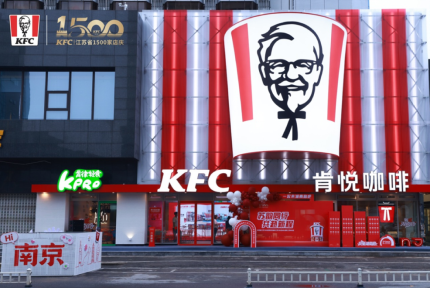
江苏肯德基正式突破1500家!
Nan Jing Ri Bao· 2025-09-27 09:28
Core Points - KFC has officially surpassed 1,500 stores in Jiangsu, marking a significant milestone since its entry into the province in 1992 [1][5][7] - The opening of the "KFC 1500 Theme Restaurant" and the "KFC New Street Center Restaurant" in Nanjing highlights KFC's commitment to community engagement and cultural integration [1][5][6] - KFC's innovative service models, such as the "Speedy Takeaway" service, aim to enhance convenience for consumers in Jiangsu's fast-paced lifestyle [7][10] Group 1 - KFC celebrated the opening of its 1,500th store in Jiangsu with a themed event titled "Su Yun Tong Xing, Gong Fu Xin Cheng" [5] - The new restaurants are designed to reflect local culture, with the New Street Center Restaurant emphasizing a literary atmosphere in line with Nanjing's designation as a UNESCO "City of Literature" [6][7] - KFC's journey from its first store in Nanjing's Confucius Temple to its current expansion illustrates its adaptation to urban development and consumer preferences over 33 years [5][6] Group 2 - The "Speedy Takeaway" service has been implemented in 800 KFC locations across Jiangsu, allowing customers to pick up orders without leaving their vehicles [7][10] - KFC has introduced various product lines tailored to local tastes, including "KFC Grandpa's Tea" and "KPRO" healthy food options, to cater to diverse consumer preferences [9][10] - The company has established nearly 100 "Food Stations" in Jiangsu to provide surplus food to those in need, demonstrating its commitment to social responsibility [15]