餐饮AI

Search documents
消费新场景看活力·新产品丨无人食材超市点亮便民生活
He Nan Ri Bao· 2025-12-21 23:48
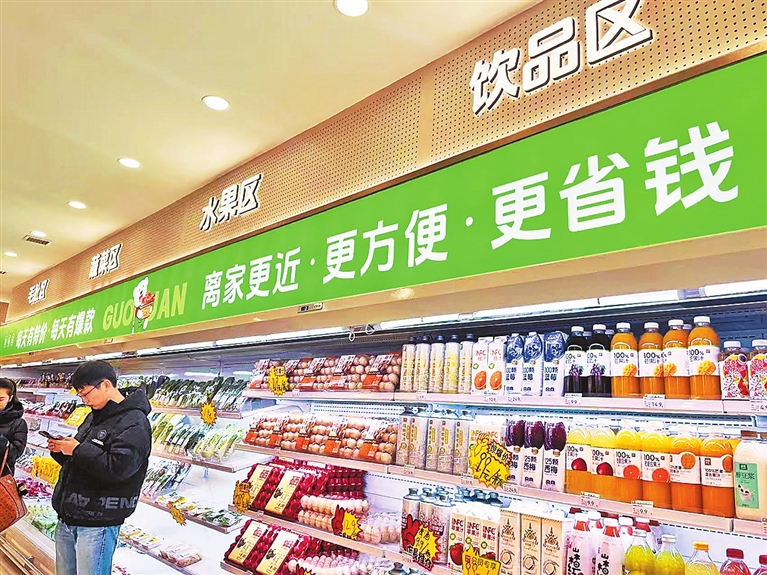
Core Insights - The article highlights the launch of a 24-hour unmanned community supermarket by Guoquan Shihui in Zhengzhou, showcasing a new retail model that combines technology with convenience [3][4]. Group 1: Business Model - Guoquan Shihui's community supermarket operates on a "daytime staffed + nighttime unmanned" model, allowing for extended operating hours and catering to the needs of night-time consumers [3][4]. - The supermarket features a self-service shopping experience, where customers can enter by scanning a QR code and complete their purchases through a self-checkout system [3][4]. Group 2: Technological Integration - The store utilizes a digital platform with high-definition cameras for product recognition and smart checkout, enhancing the shopping experience and operational efficiency [4][5]. - The management system allows for precise analysis of consumer preferences, aiding in inventory management and product placement [5]. Group 3: Market Trends - The rise of instant retail models is emphasized, with Guoquan Shihui's innovations addressing common consumer pain points such as limited shopping hours and product variety [5]. - The article notes the alignment of these developments with national economic goals to stimulate domestic consumption and enhance market potential [5].

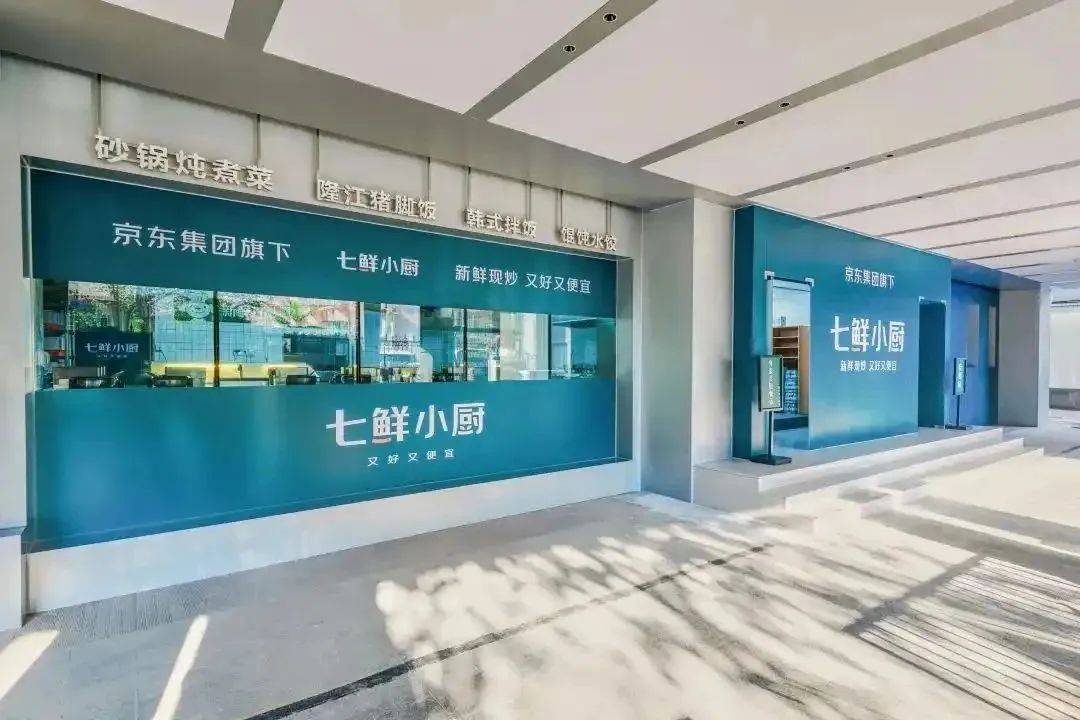
中餐智能化新纪元:京东“七鲜小厨”机器人炒菜引爆餐饮AI热潮
Sou Hu Cai Jing· 2025-08-05 05:05
Group 1 - JD's "Qixian Xiaochu" opened in Beijing and quickly gained popularity, with over 700 orders within hours, showcasing strong demand and operational efficiency through robotic cooking [1] - The project is part of JD's 1 billion yuan investment aimed at addressing efficiency bottlenecks in the Chinese food industry, highlighting the feasibility of robotic cooking as a business model [1] - The rapid success of "Qixian Xiaochu" brings commercial cooking robots into the public eye, indicating a shift towards automation in the restaurant sector [1] Group 2 - The application of AI in the restaurant industry is accelerating, driven by increasing competition and high costs related to rent, labor, and ingredients, prompting a shift towards digital transformation [3] - Cooking robots are entering the restaurant sector, with innovations like Stanford's Mobile ALOHA and Tinker's "Shiwans Xingchu," which can operate multiple devices with reduced kitchen space [3] - Brands like Heytea and Nayuki are advancing their digital transformation with smart equipment and services, enhancing efficiency and customer experience [3][4] Group 3 - Downstream restaurant enterprises are exploring diverse digital applications to achieve comprehensive digital service from customer entry to exit [4] - Large chain brands are building their own digital supply chain systems to improve procurement efficiency, reduce costs, and minimize inventory [4] - Upstream supply chain companies are also adopting digital solutions to optimize resource allocation and meet the evolving demands of restaurants [4] Group 4 - Third-party digital service providers are becoming crucial partners for restaurants in their transformation efforts, offering tailored digital solutions for small and micro enterprises [5] - Leading digital system providers assist restaurants in establishing centralized system architectures for efficient multi-channel operations and enhanced digital management [5]