
高端酸奶

Search documents
高端酸奶集体退潮,“喝Blueglass”的人去哪了?
阿尔法工场研究院· 2025-11-20 02:21
Core Viewpoint - Blueglass, a premium yogurt brand, is facing significant challenges as it reduces prices dramatically, indicating a shift away from its high-end positioning and a struggle to attract consumers in a competitive market [4][7][23]. Pricing Strategy - Blueglass has recently lowered prices on third-party delivery platforms, with some products priced as low as 19.9 yuan, a 60% decrease from the original price of 49 yuan [4][6]. - The brand's promotional bundles, such as a combination of yogurt and snacks, are being offered at steep discounts, with some items reduced to as low as 23.9 yuan [7][10]. Market Position and Consumer Behavior - The brand, initially targeting middle-class consumers, is now struggling to maintain its appeal as lunch hours see no customers in physical stores [7][12]. - A shift in consumer preferences has led to a decline in the brand's high-end image, as younger consumers are increasingly skeptical of high prices and marketing gimmicks [23][24]. Marketing and Brand Image - Blueglass has historically relied on a health-focused marketing strategy, promoting its products as premium and beneficial for gut health, but this has led to controversies regarding product safety and efficacy [12][17]. - The brand's marketing tactics, including collaborations with fitness and beauty brands, have not been sufficient to sustain its market position amid rising competition from both new entrants and traditional dairy companies [16][24]. Industry Trends - The high-end yogurt market is experiencing a collective downturn, with many brands facing similar challenges of maintaining consumer trust and market share [20][23]. - The competitive landscape has intensified, with new tea brands entering the yogurt space and traditional dairy companies leveraging supply chain advantages to offer better value [23][24]. Conclusion - The current predicament of Blueglass reflects broader industry issues where marketing has outpaced actual product value, necessitating a shift towards genuine quality and consumer trust to regain market footing [24].

“酸奶界爱马仕”,悄悄大降价
虎嗅APP· 2025-11-19 10:11
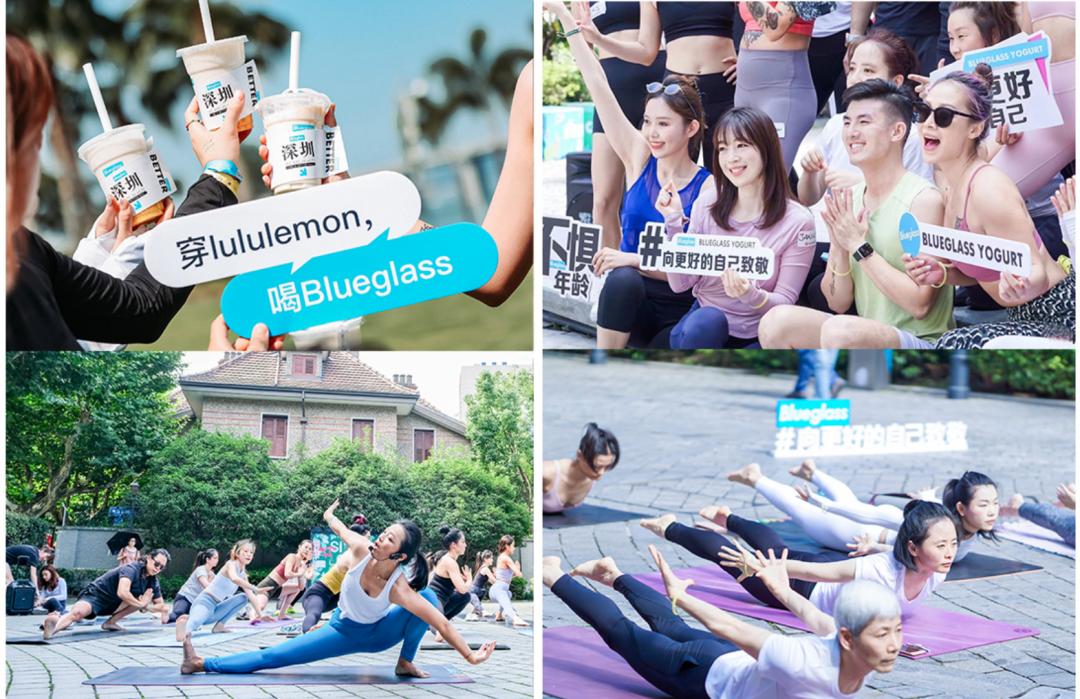
Core Viewpoint - Blueglass, a premium yogurt brand, is facing significant challenges as it has recently reduced prices on third-party delivery platforms, indicating a shift from its high-end positioning to address declining sales and consumer interest [5][6][18]. Pricing Strategy - Blueglass has slashed prices on several products, with some items on delivery platforms priced as low as 19.9 yuan, a 60% reduction from the original price of 49 yuan [5][7]. - The brand's promotional bundles have also seen steep discounts, with some combinations dropping to as low as 23.9 yuan from original prices around 53.5 yuan [7][10]. Consumer Behavior - Foot traffic in Blueglass stores has significantly decreased, with reports of no customers during peak lunch hours, suggesting a loss of interest among its target demographic [8][10]. - A former employee indicated that the price cuts are part of a long-term strategy due to poor sales performance, contradicting the company's claim that the discounts are temporary [10]. Brand Positioning and Marketing - Initially targeting health-conscious middle-class women, Blueglass has struggled to maintain its premium image amid changing consumer preferences and increased competition from new beverage brands [12][18]. - The brand's marketing strategies, including collaborations with fitness and beauty brands, have not been sufficient to sustain its high-end appeal as consumer expectations evolve [12][13]. Health and Safety Concerns - Blueglass has faced criticism and controversy over its health claims, particularly regarding its "畅" series of yogurts, which have been linked to adverse health effects, leading to a trust crisis among consumers [14][15]. - The brand has been penalized for misleading advertising, which has further damaged its reputation and consumer trust [15]. Industry Trends - The high-end yogurt market is experiencing a collective downturn, with many brands, including Blueglass, struggling to maintain their market positions as consumers become more discerning and price-sensitive [17][18]. - The rise of competitive products from traditional dairy companies and new tea beverage brands has intensified the pressure on premium yogurt brands, forcing them to reconsider their pricing and marketing strategies [18].
“酸奶界爱马仕”,悄悄大降价
3 6 Ke· 2025-11-19 04:04
Core Viewpoint - Blueglass, a premium yogurt brand, is facing significant challenges as it has recently reduced prices on third-party delivery platforms, indicating a shift away from its high-end positioning and a struggle to attract middle-class consumers [1][3][17] Pricing Strategy - Blueglass has slashed prices on several products, with some items on delivery platforms priced as low as 19.9 yuan, a 60% decrease from the original price of 49 yuan [1][3] - The brand's promotional activities include discounted combo packages, with some items seeing price reductions to as low as 23.9 yuan from original prices around 53.5 yuan [3][5] Market Position and Consumer Behavior - The brand's high-end image is deteriorating as it struggles to attract its target demographic of middle-class consumers, with reports of empty stores during peak hours [3][10] - A former employee indicated that the price reductions are part of a long-term strategy due to declining sales, contradicting the company's claim that the discounts are temporary [6][10] Brand Image and Marketing Challenges - Blueglass initially gained popularity by targeting health-conscious consumers, particularly women, but has faced backlash due to health-related controversies surrounding its products [8][11] - The brand's marketing strategies, including collaborations with fitness and beauty brands, have not been sufficient to maintain its premium status amid rising competition [10][18] Industry Context - The high-end yogurt market is experiencing a collective downturn, with several brands, including Blueglass, facing challenges due to increased competition and changing consumer preferences [14][17] - The shift in consumer behavior towards more value-driven purchases has led to a decline in the perceived value of high-priced yogurt products, prompting brands to reconsider their pricing strategies [17][18]
深圳酸奶“优等生”卡士的秘密:无数双“眼睛”盯着你的酸奶
Nan Fang Du Shi Bao· 2025-11-10 14:54
Core Viewpoint - The article emphasizes the importance of quality and production standards in the high-end yogurt market, particularly focusing on the brand "Kashi" from Shenzhen, which adheres to international quality standards and rigorous quality control processes. Group 1: Production Standards - Kashi's modern factory in Suzhou showcases how the brand has expanded from Shenzhen to the Yangtze River Delta while maintaining international quality standards [2] - Kashi's quality director states that 90% of a good yogurt's quality relies on the milk source, which meets international leading standards for freshness and flavor [3][4] - Each cup of Kashi yogurt undergoes 12 inspection procedures, over 20 critical control points, and more than 100 safety audits, following both HACCP and ISO9001 management systems [6] Group 2: Technological Innovations - The production process includes a "2-second rapid cooling" technique to lock in freshness and a high-pressure homogenization process that reduces fat globules to a size 1/30th that of fine salt, contributing to a smooth texture [7] - The factory operates with minimal staff due to automation, which reduces the risk of human contamination and enhances food safety [9][10] - Kashi has implemented a digital cold chain system that ensures zero temperature loss during transportation, maintaining optimal freshness and probiotic activity [21] Group 3: Market Position and Consumer Insights - Kashi has maintained the largest market share in the high-end low-temperature yogurt sector for eight consecutive years, demonstrating its commitment to quality control [22] - The brand's product lines are designed to meet specific consumer needs, such as health-conscious options and unique flavors [23][24][25] - Kashi's collaboration with high-end retailers like Sam's Club indicates its recognition in premium channels and its ability to cater to discerning consumers [27] Group 4: Quality Assurance and Certifications - Kashi's production facilities exceed standard cleanliness requirements, with air quality in the filling area surpassing that of typical surgical rooms [15] - The brand has achieved the SGS Gold Standard certification, indicating compliance with the highest global standards in the dairy industry [21] - Kashi's focus on quantifiable and verifiable quality has solidified its reputation in the high-end market, translating abstract concepts of "premium" into tangible quality experiences for consumers [29]

高端酸奶涌向胖东来等精品超市 渠道成酸奶竞争新战场?
Nan Fang Du Shi Bao· 2025-08-26 20:03
Core Insights - The high-end yogurt brand, CASS, has launched a new product line called "Eat Sour," emphasizing sour flavors and targeting premium supermarkets for distribution [1][2][3] - The yogurt industry is experiencing intense competition, with traditional yogurt market growth slowing and frequent price wars leading to declining profit margins [2][4] - Health-conscious consumer trends are driving demand for clean-label products, which feature simple ingredients without unnecessary additives [2][3] Product Innovation - CASS's "Eat Sour" series is a low-temperature product with a shelf life of 25 days, featuring ingredients like Yunnan sour papaya and Northwest yellow apricot to highlight sourness [2][3] - The pricing for CASS's new product is approximately 10 yuan per cup, aligning with its high-end positioning [2] Channel Strategy - High-end yogurt brands, including CASS, Le Pure, Jian Ai, and Yoplait, are increasingly focusing on premium supermarket channels such as ole', Metro, Yonghui, and Pang Donglai [1][3][4] - The choice of premium supermarkets is driven by the alignment of brand image and consumer demographics, as these channels cater to health-conscious, high-income consumers willing to pay a premium for quality products [4][5] Market Trends - The shift towards high-end positioning among yogurt brands is seen as a key strategy to differentiate from traditional brands and avoid direct competition in regular channels [5]