
酸奶饮品

Search documents
从茉酸奶开始,酸奶赛道进入整合期
3 6 Ke· 2026-01-05 10:44
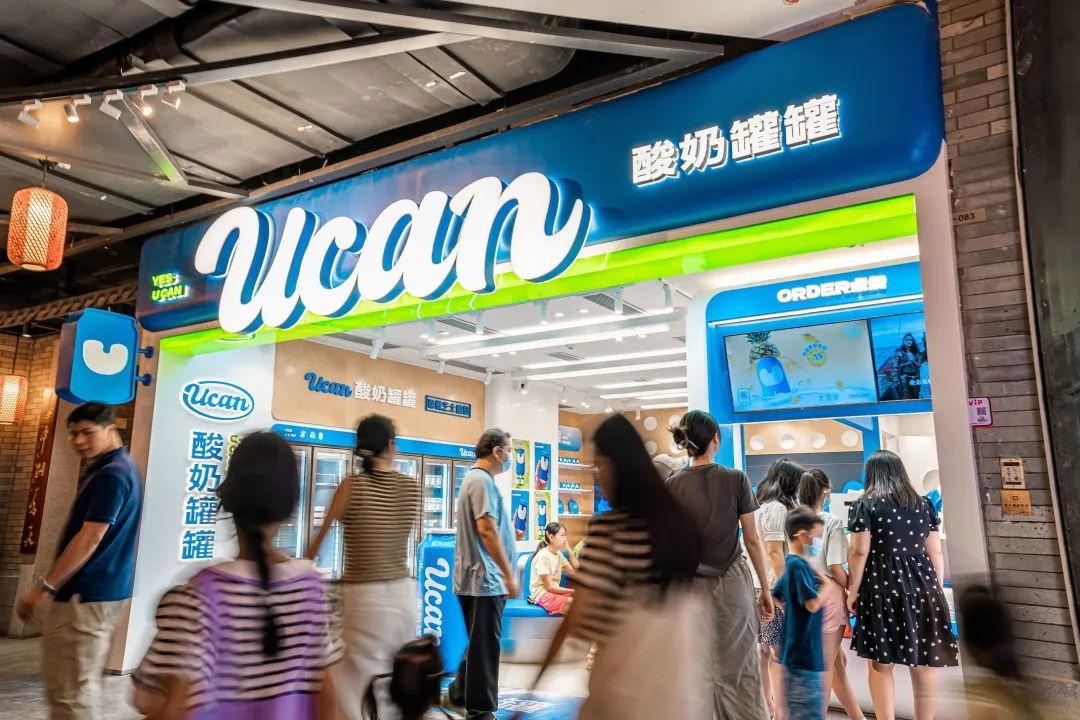
Core Insights - The yogurt industry is undergoing a significant transformation, shifting from an expansion phase to a consolidation phase, as evidenced by the acquisition of the emerging yogurt brand "Yogurt Can" by the leading brand "Mo Yogurt" [2][19] - The departure of founding teams and the introduction of stakeholders with dairy industry backgrounds indicate a restructuring of brand control and development logic within the industry [1][12] Industry Overview - The yogurt beverage segment, previously a focus for capital and market attention, is now showing clear signs of differentiation, with leading brands seeking systematic and capitalized growth while smaller brands face integration or elimination [2][20] - As the scale benefits peak and the franchise model faces challenges, the integration of smaller brands into larger systems and the restructuring of leading brands are becoming the new norm [3][20] Company Developments - "Yogurt Can," which launched in April 2023, aimed to capitalize on the health narrative with a product mix of yogurt, fruit, and light meals, but faced challenges in scaling and differentiation as competition intensified [4][6][10] - The brand's initial goal was to expand to 1,000 stores by 2024 and 3,000 stores within three years, but it currently operates 625 stores, leading to its acquisition by "Mo Yogurt" [9][10] Strategic Shifts - The acquisition of "Yogurt Can" by "Mo Yogurt" reflects a rational response to the competitive landscape, where "Yogurt Can" lacked the supply chain stability and cost control to compete effectively with larger brands [10][19] - "Mo Yogurt" is transitioning from a founder-led brand to a capital and supply chain-driven enterprise, with significant changes in ownership and management structure to adapt to the complexities of operating a national chain [12][18] Market Dynamics - The yogurt market is moving away from a narrative-driven phase to one that emphasizes operational efficiency, supply chain stability, and risk management, indicating a maturation of the industry [19][21] - Smaller, fragmented brands are likely to face reduced survival space, leading to more acquisitions or market exits, while leading brands must minimize reliance on individual founders to enhance organizational and systemic characteristics [20][21]

“酸奶刺客”折戟后,茉酸奶创始人赵伯华转战火锅赛道?
Xi Niu Cai Jing· 2025-12-25 04:08
Core Insights - The founder of Mo Yogurt, Zhao Bohua, has completely withdrawn from the company, selling all shares and resigning from all positions, marking a significant shift for the brand [2] - Mo Yogurt experienced rapid expansion, growing from approximately 300 stores at the end of 2022 to 1,682 stores by the end of 2023, but has since faced a dramatic decline, with store numbers dropping to about 1,166 by mid-December 2024, closing over 500 stores from its peak [2] - The brand's crisis is attributed to the uncontrolled franchise model, which led to a lack of management oversight during its rapid expansion [2] Franchise and Management Issues - A food safety scandal in May 2023 severely damaged the brand's reputation, revealing serious issues such as the use of expired ingredients and poor management of franchise operations [3] - The brand's focus on rapid growth over management has resulted in a chaotic franchise system, which analysts believe has ultimately harmed the brand [3] - Mo Yogurt's product positioning has also fluctuated, with a reliance on high-priced, single-product offerings leading to poor winter sales, prompting price reductions and lower franchise fees to attract new investors [3] Leadership and Structural Changes - Following Zhao Bohua's departure, control of Mo Yogurt has shifted to co-founder Gu Hao, who holds 57.14% of the shares, and the dairy giant Junlebao, which holds 42.86%, indicating a move towards a more institutional management approach [4] - The new ownership structure aims to enhance collaboration in areas such as raw material supply, product development, and food safety management to restore brand credibility [4] - The transition from a founder-led brand to one driven by professional management and industry capital reflects the challenges of maintaining growth in the competitive food and beverage sector [4]

做AI时代的弄潮儿|混沌创新院第10期招生开启!
混沌学园· 2025-11-21 04:07
Core Insights - The article emphasizes the transformative impact of AI across all industries and roles, highlighting the necessity for continuous evolution to find certainty in a rapidly changing environment [3][6][10]. Group 1: AI and Innovation - The article discusses the integration of AI with innovative methodologies to empower business practices, focusing on the importance of understanding innovation and its foundational principles [10][11]. - It outlines a curriculum designed to help participants navigate the AI-driven landscape, emphasizing strategic insights and practical applications for business innovation and organizational upgrades [11][12]. Group 2: Community and Collaboration - The article highlights the unique "three-teacher system" at the Chaos Innovation Institute, which fosters deep connections and collaborative learning among participants, enhancing their entrepreneurial journeys [14][18]. - It mentions the establishment of a high-quality alumni network, comprising over 2,500 entrepreneurs from various sectors, facilitating cross-industry collaboration and knowledge sharing [30][31]. Group 3: Practical Application and Results - Participants are encouraged to define their "winning battles" at the beginning of their journey, engaging in collaborative exercises to develop actionable solutions throughout their learning experience [21][22]. - Success stories are shared, illustrating how alumni have effectively applied the Chaos methodology to achieve significant business results, such as the rapid growth of AI-driven products [23][25]. Group 4: Enrollment and Opportunities - The article announces the opening of enrollment for the 10th cohort of the Chaos Innovation Institute, inviting entrepreneurs and business leaders to join and enhance their strategic capabilities in the AI era [7][36]. - It emphasizes the benefits of team participation, suggesting that collective learning accelerates organizational evolution and reduces communication costs [34][33].

高端酸奶集体退潮,“喝Blueglass”的人去哪了?
阿尔法工场研究院· 2025-11-20 02:21
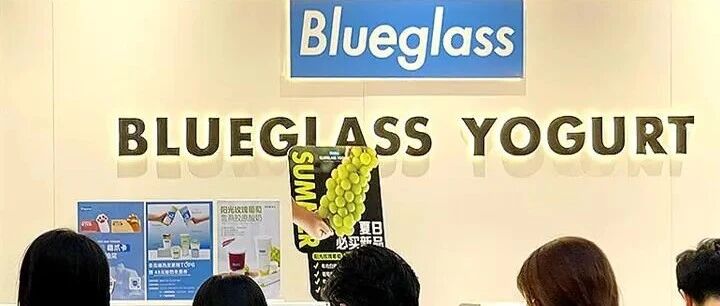
Core Viewpoint - Blueglass, a premium yogurt brand, is facing significant challenges as it reduces prices dramatically, indicating a shift away from its high-end positioning and a struggle to attract consumers in a competitive market [4][7][23]. Pricing Strategy - Blueglass has recently lowered prices on third-party delivery platforms, with some products priced as low as 19.9 yuan, a 60% decrease from the original price of 49 yuan [4][6]. - The brand's promotional bundles, such as a combination of yogurt and snacks, are being offered at steep discounts, with some items reduced to as low as 23.9 yuan [7][10]. Market Position and Consumer Behavior - The brand, initially targeting middle-class consumers, is now struggling to maintain its appeal as lunch hours see no customers in physical stores [7][12]. - A shift in consumer preferences has led to a decline in the brand's high-end image, as younger consumers are increasingly skeptical of high prices and marketing gimmicks [23][24]. Marketing and Brand Image - Blueglass has historically relied on a health-focused marketing strategy, promoting its products as premium and beneficial for gut health, but this has led to controversies regarding product safety and efficacy [12][17]. - The brand's marketing tactics, including collaborations with fitness and beauty brands, have not been sufficient to sustain its market position amid rising competition from both new entrants and traditional dairy companies [16][24]. Industry Trends - The high-end yogurt market is experiencing a collective downturn, with many brands facing similar challenges of maintaining consumer trust and market share [20][23]. - The competitive landscape has intensified, with new tea brands entering the yogurt space and traditional dairy companies leveraging supply chain advantages to offer better value [23][24]. Conclusion - The current predicament of Blueglass reflects broader industry issues where marketing has outpaced actual product value, necessitating a shift towards genuine quality and consumer trust to regain market footing [24].
卖不动了?网红酸奶Blueglass部分产品降价60%
第一财经· 2025-11-17 10:59
Core Viewpoint - Blueglass, a high-end yogurt brand, has significantly reduced its prices, with some products on third-party delivery platforms priced as low as 19.9 yuan, representing a 60% decrease from the original price of 49 yuan [2]. Group 1: Pricing Strategy - Blueglass has joined the trend of price reductions, with certain products now available at 4.5-fold discounts, such as "Small Waist Plum Peach Flavor + Dietary Fiber Oatmeal" priced at 23.9 yuan and "Small Waist Jelly Orange Ice Milk Flavor + Dietary Fiber Oatmeal Crisp" at 22.9 yuan [2][4]. - The brand's typical price range for products is between 30 to 50 yuan, previously marketed as "the Hermes of yogurt" [6]. Group 2: Company Background - Blueglass was established in 2012 as "Aqiulage Tibetan Yogurt" and rebranded in 2018. It is part of Beijing Yuehuo Catering Management Co., Ltd. [6][7]. - The company has faced scrutiny for its marketing practices, including fines for false advertising and inappropriate promotional content [7].
牧场奶仓布局长三角 茉酸奶品牌2.0抢滩西湖
Zhong Guo Chan Ye Jing Ji Xin Xi Wang· 2025-08-26 06:47
Core Insights - The opening of the new "Moo Milk Barn" store in Hangzhou marks a significant step in the brand's 2.0 upgrade strategy, showcasing a vibrant atmosphere and attracting a large number of consumers [1][2][4] - The store emphasizes an immersive experience that combines "natural organic + barn aesthetics," enhancing consumer engagement and brand recognition [2][3][6] - The brand's focus on product quality, organic ingredients, and innovative space design reflects a strategic shift towards health-conscious and experiential consumption trends [5][6][7] Product and Experience Innovation - The Moo Milk Barn offers a diverse product matrix, including organic yogurt series and baked goods made with high-quality ingredients, catering to various consumer preferences [2][4] - The store's design features a unique "barn-style" aesthetic, creating a relaxing environment that contrasts with traditional store layouts, thus enhancing the overall consumer experience [3][4] - The brand's commitment to using organic milk sourced from natural farms and optimizing its global fruit supply chain underlines its focus on quality and sustainability [4][5] Market Expansion Strategy - The brand's strategic location choices in high-end commercial areas of the Yangtze River Delta indicate a targeted approach to capturing affluent consumer segments [4][6] - The expansion from Shanghai to Jiangsu and now to Zhejiang demonstrates a clear growth trajectory, with the Hangzhou store serving as a potential launchpad for replicating the Moo Milk Barn model in other major cities [6][7] - The brand aims to transition from a focus on traffic acquisition to deepening value creation, emphasizing quality, experience, and brand loyalty in a competitive market [5][6]