高质量发展模式

Search documents
华发股份:拟定向增发募资不超30亿元 控股股东全额认购助力主业发展
Zhong Zheng Wang· 2026-02-04 11:47
Group 1 - The core point of the news is that Huafa Co., Ltd. plans to issue A-shares to its controlling shareholder, Zhuhai Huafa Group, to raise up to 3 billion yuan for nine real estate development projects [1][2] - The issuance has been approved by the company's board and will be priced at an average of 4.21 yuan per share based on the previous 20 trading days [1] - The total investment for the nine projects is approximately 45.443 billion yuan, with the raised funds specifically allocated to these projects [1] Group 2 - The background of the issuance highlights a favorable environment for the real estate industry due to ongoing policy support, and the need for the company to transition from a high-leverage model to a high-quality development model [2] - The company's debt-to-asset ratio decreased from 72.95% to 69.72% between 2022 and September 2025, indicating an improvement in financial structure [2] - The net cash flow from operating activities reached 17.416 billion yuan in the first three quarters of 2025, representing a year-on-year increase of 372.76% [2]

以“投资于物”和“投资于人”紧密结合赋能人才高质量发展
Sou Hu Cai Jing· 2026-01-19 04:55
Core Viewpoint - China's economic development is transitioning from high-speed growth to high-quality development, emphasizing the integration of investment in physical and human capital as a key strategy for enhancing development momentum and expanding domestic demand [1] Group 1: Investment in Physical Capital - Investment in physical capital has expanded beyond traditional tangible assets to include new infrastructure such as AI computing centers and quantum communication networks, becoming essential for the development of strategic emerging industries [2] - The role of physical investment has evolved from merely supporting economic growth to providing a platform for talent innovation, with a shift from government-led to a more diversified investment approach involving market operations and social capital [2][3] - The marginal returns of physical capital are decreasing, making human capital and innovation the key drivers of high-quality development, necessitating a balance between physical and human capital investments [3] Group 2: Investment in Human Capital - Investment in human capital has transformed from basic livelihood support to strategic capital investment, encompassing a comprehensive support system from birth to old age, focusing on lifelong learning and overall human development [2] - Policies related to human capital investment have evolved from simple financial subsidies to creating a talent ecosystem that promotes collaboration among education, technology, and talent [2][3] - The integration of investment in human capital is crucial for enhancing the quality of life and expanding domestic demand, creating a virtuous cycle of human capital accumulation [4] Group 3: Synergy Between Physical and Human Capital - The close integration of investment in physical and human capital is essential for achieving high-quality development, as both elements are interdependent and support each other in fostering new productive forces [3][4] - A comprehensive talent development system is needed, focusing on attracting, nurturing, utilizing, and retaining talent through a lifecycle approach that combines physical and human capital investments [9] - The collaboration between physical and human capital is vital for fostering a robust talent pool that can drive technological independence and innovation [4][7] Group 4: Challenges and Future Directions - There are challenges in shifting from a long-standing focus on physical investment to prioritizing human capital, requiring reforms in performance evaluation systems to emphasize long-term benefits [5][6] - Economic disparities between developed and underdeveloped regions pose challenges for balanced talent investment, necessitating regional collaboration to address talent retention and investment issues [6] - The future of investment strategies will focus on a more holistic approach to human development, extending beyond traditional economic metrics to include well-being, social cohesion, and cultural sustainability [6][12]
旭辉境外重组前置工作启动,授权发行强制可转债,重塑资本结构
Zhi Tong Cai Jing· 2025-10-16 01:33
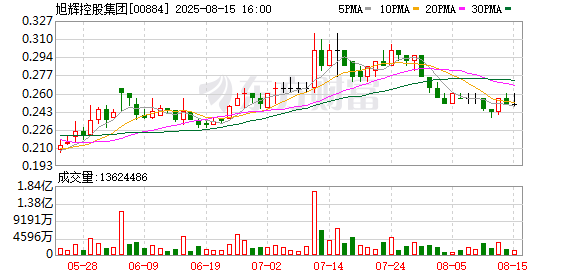
Core Viewpoint - CIFI Holdings Group has announced a comprehensive overseas debt restructuring plan aimed at significantly reducing its debt and optimizing its capital structure, with key measures including the issuance of mandatory convertible bonds (MCB) and a 10-year equity incentive plan for its team [1][2]. Group 1: Debt Restructuring Details - The company will issue approximately $6.7 billion in new instruments and pay about $9.5 million in cash, while existing overseas debt totaling around $8.1 billion will be canceled [1]. - The restructuring will involve the conversion of over $500 million in loans from the major shareholder into equity, demonstrating strong support from the major shareholder [2]. - The mandatory convertible bonds will have an initial conversion price of HKD 1.6 per share, representing a 7-fold premium over the current stock price, with three conversion mechanisms outlined [2]. Group 2: Equity Incentive Plan - A 10-year equity incentive plan will be introduced to stabilize and motivate the team during the post-restructuring recovery phase, linking performance metrics closely to the plan [2]. - The plan aims to ensure the major shareholder maintains control over the company post-restructuring, preventing excessive dilution of equity and stabilizing corporate governance [2]. Group 3: Strategic Direction - The restructuring aligns with the chairman's vision of a "new development model" focusing on a "light asset, low debt, high quality" approach, emphasizing core business areas such as rental income, self-operated development, and real estate asset management [3]. - The company aims to emulate successful models like those of Blackstone and Tishman Speyer, with a goal to regain stability within three years [3]. - The resilience and execution capability of the CIFI team during industry downturns, along with the major shareholder's involvement in the restructuring, are seen as foundational for the company's recovery [3].
旭辉(00884)境外重组前置工作启动,授权发行强制可转债,重塑资本结构
智通财经网· 2025-10-16 01:33
Core Viewpoint - CIFI Holdings Group has announced a comprehensive overseas debt restructuring plan aimed at significantly reducing its debt and optimizing its capital structure through the issuance of Mandatory Convertible Bonds (MCB) and other measures [1][2]. Debt Restructuring Details - The company will cancel approximately $8.1 billion in overseas debt, which includes $6.8 billion in unpaid principal and $1.3 billion in accrued unpaid interest [1]. - A total of approximately $6.7 billion in new instruments will be issued, with about $4.1 billion in MCBs and the remaining $2.6 billion through various forms of notes or loans [1][2]. - The initial conversion price for the MCBs is set at HKD 1.6 per share, representing a 7-fold premium over the current stock price [2]. Conversion Mechanism - The MCBs will have three conversion mechanisms: voluntary conversion, phased mandatory conversion over four years, and automatic conversion if the stock price exceeds HKD 5.0 for 90 consecutive trading days [2]. - The major shareholder, the Lin family, will convert over HKD 500 million in loans into equity, demonstrating strong support for the company [2]. Equity Incentive Plan - A ten-year equity incentive plan will be introduced to stabilize and motivate the team during the post-restructuring recovery phase, linking performance metrics closely to the plan [2]. - This plan aims to ensure the major shareholder maintains control and prevents excessive dilution of equity, thereby stabilizing the corporate governance structure [2]. Strategic Development Model - The restructuring aligns with the company's new development model, focusing on a "light asset, low debt, high quality" approach, emphasizing rental income, self-operated development, and real estate asset management [3]. - The company aims to emulate models from firms like Blackstone and Iron Mountain, with a goal to recover within three years [3]. Operational Resilience - The company has demonstrated strong resilience and execution capabilities during industry downturns, with active participation from major shareholders in the restructuring process [3]. - The completion of the domestic restructuring voting indicates that the groundwork for the overseas debt restructuring has effectively commenced, positioning the company to be among the first private real estate firms to complete comprehensive debt restructuring [3].
旭辉拟于10月31日召开特别股东会,审议就境外重组采取的公司行动
Ge Long Hui· 2025-10-16 01:19
Core Viewpoint - CIFI Holdings Group (0884.HK) announced a detailed overseas debt restructuring plan, which includes issuing Mandatory Convertible Bonds (MCB) to significantly reduce debt and optimize its capital structure [1][2] Debt Restructuring Details - The company will cancel approximately $8.1 billion in overseas debt, consisting of $6.8 billion in unpaid principal and $1.3 billion in accrued unpaid interest, effective on the restructuring date [1] - CIFI will issue approximately $6.7 billion in new instruments and pay about $9.5 million in cash, with around $4.1 billion in MCBs and the remaining $2.6 billion through short, medium, and long-term notes or loans [1] Mandatory Convertible Bonds (MCB) Structure - The initial conversion price for the MCB is set at HKD 1.6 per share, representing a 7-fold premium over the current stock price [2] - The conversion mechanism includes voluntary conversion, phased mandatory conversion over four years, and trigger-based conversion if the stock price exceeds HKD 5.0 for 90 consecutive trading days [2] Shareholder Support and Equity Incentive Plan - The major shareholder, the Lin family, will convert over HKD 500 million in loans into equity, demonstrating strong support for the company [2] - A ten-year equity incentive plan will be introduced to stabilize and motivate the team post-restructuring, linking performance metrics to the plan [2] Strategic Development Model - The restructuring aligns with the company's new development model focusing on "light assets, low debt, and high quality," targeting core business areas such as rental income, self-operated development, and real estate asset management [3] - The company aims to recover within three years, with strong resilience and execution demonstrated by the team during industry downturns [3]
旭辉林中:真正“站起来”,可能还需要三年!
Nan Fang Du Shi Bao· 2025-08-15 15:09
Group 1 - The core viewpoint is that CIFI Holdings is undergoing a "second entrepreneurship" phase, adapting to significant changes in the real estate market, industry models, and customer demands, moving away from high-leverage, high-debt, and high-turnover strategies towards a model focused on light assets, low debt, and high quality [2] - CIFI Holdings is focusing on three core business segments: stable rental income, self-operated development in a few core cities, and the development of real estate asset management, learning from American developers like Blackstone [2] - As of the end of 2024, CIFI Holdings' interest-bearing liabilities are expected to decrease to approximately 86.6 billion yuan [2] Group 2 - On July 22, CIFI Holdings' debt restructuring plan for four company bonds was approved by bondholders, corresponding to a bond balance of 6.07 billion yuan, which accounts for over 60% of the restructuring scale [2] - The completion of domestic and overseas credit bond restructuring is deemed essential for the company's survival, significantly improving its capital structure and repairing its balance sheet [3] - In July, CIFI Holdings reported a contract sales amount of 1.04 billion yuan, with a contract sales area of approximately 91,300 square meters, and cumulative contract sales from January to July 2025 reached about 11.2 billion yuan with a total area of approximately 1,080,600 square meters [3]

巨亏之后,良品铺子大股东要跑了?
3 6 Ke· 2025-07-17 13:13
Core Viewpoint - The company has experienced a significant decline in market value and performance, transitioning from a leading high-end snack brand to facing substantial losses and potential control changes within five years [2][3][24]. Group 1: Financial Performance - Five years ago, the company's market value exceeded 34 billion yuan, but it has now fallen to 5.5 billion yuan [2]. - The company expects a net loss of 75 million to 105 million yuan for the first half of 2025, marking its worst performance since public data became available [2]. - In 2024, the company's revenue decreased by 11%, and its net profit margin turned negative from a previously low rate of under 5% [7]. Group 2: Management and Control Changes - The company is undergoing a potential change in control, with the major shareholder planning significant changes that may lead to personnel shifts [3][12]. - The management has seen frequent changes, with the latest chairman and general manager, Yang Hongchun, returning to the role after a brief period of leadership by Yang Yinfeng [10][11]. - The company has faced a chaotic period in management and operational strategies, leading to ineffective responses to declining performance [4][21]. Group 3: Market Position and Strategy - The company was once seen as a symbol of consumption upgrade but now struggles with a loss of its high-end image due to increased competition and changing consumer preferences [13][24]. - The company has attempted to reposition itself by launching new product lines targeting specific demographics, such as children's snacks and fitness products, but these efforts have not gained significant traction [15][22]. - The company's pricing strategy, which included a significant average price reduction of 22% and up to 45% for some products, failed to boost revenue and instead led to a profit decline [7][21]. Group 4: Challenges and Future Outlook - The company faces dual challenges from product and channel disruptions, with discount snack stores gaining market share and changing consumer behavior towards value [18][20]. - The management's efforts to expand product categories and improve supply chain efficiency are ongoing but face significant hurdles, including low margins in new product lines like fresh produce [22][23]. - The future success of the company will depend on the effectiveness of its new management and whether they can execute the proposed strategies to regain market confidence [24].


旭辉境外债务重组已进入“最关键阶段”,林中致歉债权人
Hua Xia Shi Bao· 2025-05-15 09:55
Group 1: Core Insights - CIFI Holdings is undergoing a debt restructuring process involving a total principal of approximately $6.8 billion, which includes $4.49 billion in senior bonds, perpetual bonds, convertible bonds, and $2.31 billion in overseas loans [1][2] - The restructuring plan offers five options for creditors, focusing on debt reduction, equity conversion, and interest rate adjustments [2][3] - The company aims to shift its development model from a "high leverage, high risk" approach to a "low debt, light asset, high quality" strategy post-restructuring [1][4] Group 2: Financial Position - As of the end of 2024, CIFI Holdings has interest-bearing liabilities of 86.6 billion RMB, with 70% being credit bonds [1][5] - The CFO indicated that after the restructuring, the scale of credit bonds is expected to be reduced by over 50% to below 30 billion RMB, with an extension of debt duration to 9-10 years and a reduction in interest rates [1][5][6] - The company reported a revenue of 47.79 billion RMB in 2024, a year-on-year decline of approximately 33.5%, with a net loss of about 6.33 billion RMB [7] Group 3: Future Strategy - CIFI Holdings plans to focus on three core business areas: stable rental income, self-operated development, and real estate asset management [5] - The company is committed to enhancing its financial risk control systems and establishing stricter financial guidelines to ensure sustainable development over the next 30 years [5][6] - The restructuring process is seen as a critical step towards restoring the company's creditworthiness and operational stability [4][6]

债务重组后如何站起来?旭辉控股最新发声
证券时报· 2025-05-13 09:22
Core Viewpoint - CIFI Holdings is making significant progress in its debt restructuring, focusing on both domestic and international debts, with plans to reduce its credit debt scale by over 50% to within 30 billion yuan [1][8]. Group 1: Debt Restructuring Progress - The CFO of CIFI Holdings, Yang Xin, announced that the company is actively advancing a comprehensive restructuring of its 10 billion yuan domestic bonds, with the main options being debt-to-equity swaps for international debts and asset-for-debt swaps for domestic debts [1][8]. - As of the end of 2024, the company's interest-bearing liabilities are expected to decrease to 86.6 billion yuan, a reduction of over 30% from peak levels, primarily due to mortgage repayments following new home deliveries [8]. - The restructuring plan aims to align domestic and international strategies, with a target to reduce credit debt by over 50% to 30 billion yuan and extend the duration of existing debts to 9-10 years while lowering interest rates to manageable levels [8][9]. Group 2: Future Business Focus - CIFI Holdings will concentrate on three core business segments: stable rental income, self-operated development, and real estate asset management [1][4]. - The rental business will focus on maintaining 46 billion yuan of quality commercial assets in major cities, with projected rental income of 1.8 billion yuan in 2024 [4]. - The self-operated development will narrow its focus to a few core cities, aiming to seize structural opportunities amid urban differentiation [4]. Group 3: Strategic Framework Post-Restructuring - CIFI has established five core strategies for its development: deepening market focus, creating quality products, building a value chain of "good houses—good services—good communities—good lives," competitive management through lean practices and AI, and prioritizing quality over speed in operations [4][5]. - The financial risk control system will undergo a comprehensive upgrade, implementing stricter financial red lines to ensure sustainable development over the next 30 years [5]. Group 4: Cultural and Structural Strengths - CIFI Holdings retains its "three full" core capabilities developed over 25 years, including full-chain empowerment, multi-format operational synergy, and a nationwide network to leverage local resources [5].