
鸽派转向

Search documents
“忠诚的哈塞特”若出任美联储主席,意味着什么?
华尔街见闻· 2025-12-04 09:30
Core Viewpoint - Deutsche Bank suggests that if Hassett becomes the Federal Reserve Chairman, his initial policy path may be more hawkish or neutral than expected, creating significant uncertainty for those betting on immediate large-scale monetary easing [1][4]. Group 1: Hassett's Potential Role - Hassett is seen as a strong candidate to replace Powell, with the Trump administration favoring him for his loyalty and alignment with their economic views [5][6]. - Hassett's background includes a PhD in economics and experience at the Federal Reserve, which positions him as a qualified candidate [7]. - His "outsider" status is viewed positively, aligning with recent calls for an independent review of the Fed's policies and operations [8][9]. Group 2: Challenges to Easing Policies - The report highlights three major challenges Hassett would face in implementing aggressive easing policies: 1. Difficulty in achieving internal consensus within the Fed, especially given the current economic climate [10]. 2. Economic fundamentals may not support significant rate cuts by mid-2026, as the economy is expected to grow steadily with limited downward risks in the labor market [12]. 3. The Fed's committee is largely hawkish, making it unlikely for members to agree on a clear easing stance, especially if Powell remains on the board [13][16]. Group 3: Market Implications - The expectation of a "rate cut feast" may not materialize, with policy adjustments likely to be gradual and restrained [14].

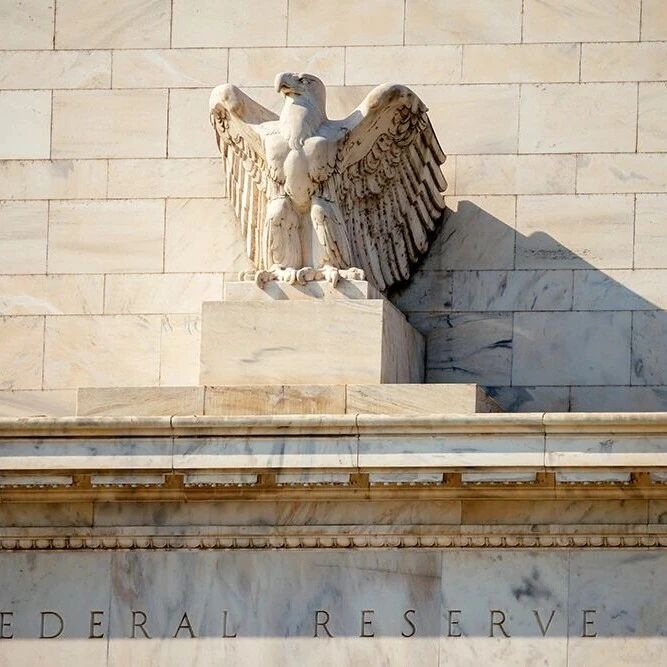
德银:“忠诚的哈塞特”若出任美联储主席,意味着什么?
美股IPO· 2025-12-04 08:19
Core Viewpoint - Deutsche Bank believes that if Hassett becomes the Federal Reserve Chairman, there will be significant obstacles to implementing interest rate cuts, as the economic fundamentals may not support substantial easing by mid-2026, coupled with hawkish resistance within the Federal Reserve Board [1][4][12]. Group 1: Hassett's Potential Role - Hassett is seen as a "loyal" candidate favored by President Trump, who has expressed dissatisfaction with current Chairman Powell's monetary policy decisions [6][7]. - Hassett's background includes a PhD in economics and experience at the Federal Reserve, making him qualified for the role [9]. - His "outsider" status is viewed positively, aligning with calls for an independent review of the Federal Reserve's policies and operations [10][11]. Group 2: Challenges to Rate Cuts - The report highlights three major challenges Hassett would face in pursuing aggressive easing policies: difficulty in achieving internal consensus, economic fundamentals that may not support rate cuts, and a hawkish committee composition [12][13]. - By mid-2026, the U.S. economy is expected to continue steady growth, with limited downside risks in the labor market and inflation rates slightly above target [12]. - The current composition of the Federal Reserve Board is largely hawkish, making it unlikely that members would agree to a clear easing stance, which contradicts the dual mandate of full employment and price stability [14][16]. Group 3: Market Implications - The report emphasizes that the anticipated "rate cut feast" may not materialize, and policy adjustments are likely to be gradual and restrained [15]. - The new chairman will need to demonstrate a commitment to price stability, especially given public calls for lower rates during the transition period [15].
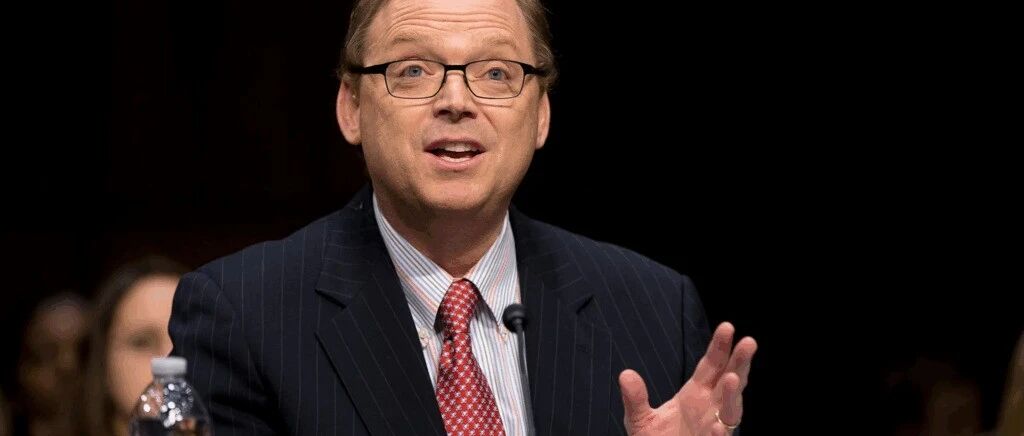
“忠诚的哈塞特”若出任美联储主席,意味着什么?
Hua Er Jie Jian Wen· 2025-12-04 03:25
Core Viewpoint - Deutsche Bank suggests that if Hassett becomes the Federal Reserve Chair, his initial policy path may be more hawkish or neutral than expected, making large-scale monetary easing unlikely in the near term [1][5]. Group 1: Hassett's Potential Role - Hassett is seen as a "loyal" candidate to replace Powell, aligning with Trump's desire for a lower interest rate advocate within the Fed [2][3]. - Hassett's background includes a PhD in economics and experience at the Fed, making him qualified for the role [3]. Group 2: Challenges to Easing Policies - Hassett may face significant obstacles in implementing aggressive easing policies, including: - Difficulty in achieving internal consensus within the Fed [5]. - Economic fundamentals may not support rate cuts by mid-2026, as the economy is expected to grow steadily with limited downward risks in the labor market and inflation slightly above target [5][8]. - The Fed's committee is predominantly hawkish, making it challenging for Hassett to push for a clear easing stance [6][8]. Group 3: Market Implications - The report emphasizes that the anticipated "rate cut feast" may not materialize, and any policy adjustments will likely be gradual and restrained [9].