黄金回家

Search documents
央行如何购买和存储黄金?
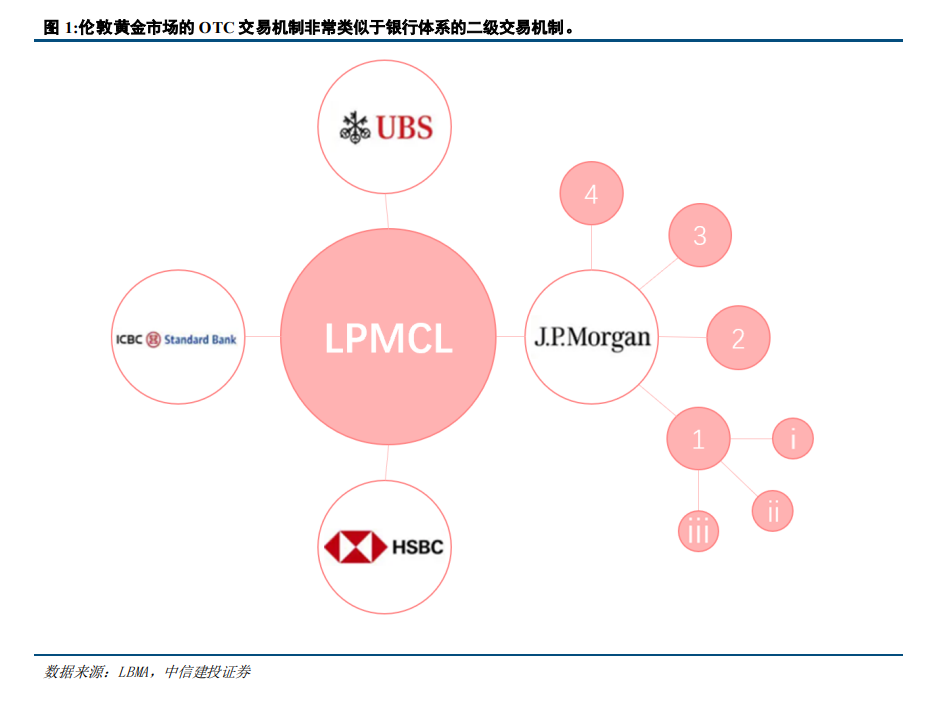
Hua Er Jie Jian Wen· 2025-12-27 08:52
Core Insights - Global central bank gold reserves are approaching levels seen during the Bretton Woods era, with current reserves at 36,000 tons and a market value exceeding $4 trillion [1] - Gold now accounts for 20% of global foreign exchange reserves, surpassing the euro's 16% and becoming the second-largest reserve asset after the dollar [1] Group 1: Central Bank Gold Purchasing Mechanisms - Central banks primarily increase gold holdings through two methods: OTC market transactions and purchasing domestically produced gold [2] - The OTC market, particularly in London, is the most common method for central banks to acquire gold, often involving ownership transfers without physical movement of gold [3] - Some resource-rich countries, like the Philippines and Uzbekistan, prefer local direct purchases from small-scale producers, which are less visible and do not affect foreign exchange reserves [5] Group 2: Gold Storage Strategies - The global gold storage system is supported by three main pillars: the New York Federal Reserve, the Bank of England, and the Bank for International Settlements (BIS) [9] - The New York Federal Reserve holds the largest gold vault globally, while the Bank of England serves as a key center for gold pricing and transactions [10] - The BIS, known as the "central bank of central banks," provides essential custody and settlement services for gold transactions [10] Group 3: Strategic Shifts in Gold Storage - Central banks are exhibiting strategic differentiation in gold storage, with some opting for domestic storage to enhance sovereignty [11] - The trend of "gold repatriation" is notable, with countries like Germany and India moving significant amounts of gold back to domestic storage [12] - This shift has led to a "black box" effect in market data, as some central banks may delay or choose not to disclose gold purchases, resulting in discrepancies in reported data [13]

600吨中国黄金放在美国,为啥不存在国内金库?背后有着怎样隐情
Sou Hu Cai Jing· 2025-07-18 23:57
Core Viewpoint - The article discusses the rationale behind China storing a significant amount of its gold reserves in the United States, highlighting the historical context and practical benefits of this decision. Group 1: Historical Context - The Bretton Woods system established in 1944 linked the US dollar to gold, making the dollar a global standard for trade and finance [3][5] - The US emerged as the dominant economic power post-World War II, leading countries to store gold in the US for easier international transactions [5][7] Group 2: Practical Benefits - Storing gold in New York, the world's largest gold trading market, allows for efficient transactions without the need for physical movement of gold, saving on costs and time [9][11] - The high security of the Federal Reserve's underground vaults in New York provides a safe storage solution for gold reserves [11] Group 3: Risk Management - China's gold reserves are approximately 2,300 tons, with 600 tons stored in the US, which is a manageable proportion considering the vast amount of gold held privately in China [13][15] - The strategy of diversifying gold storage helps mitigate risks associated with geopolitical tensions and potential loss of assets [15][17] Group 4: Future Considerations - The article notes a growing trend among countries to repatriate gold as a strategic measure against potential geopolitical risks, indicating a shift in global financial dynamics [23] - China is currently weighing the pros and cons of maintaining its gold reserves in the US, with the possibility of repatriation if international financial conditions change significantly [25]