黄金属性

Search documents
降温措施频出,黄金“现象级行情”还能走多远?
Sou Hu Cai Jing· 2025-10-19 09:53
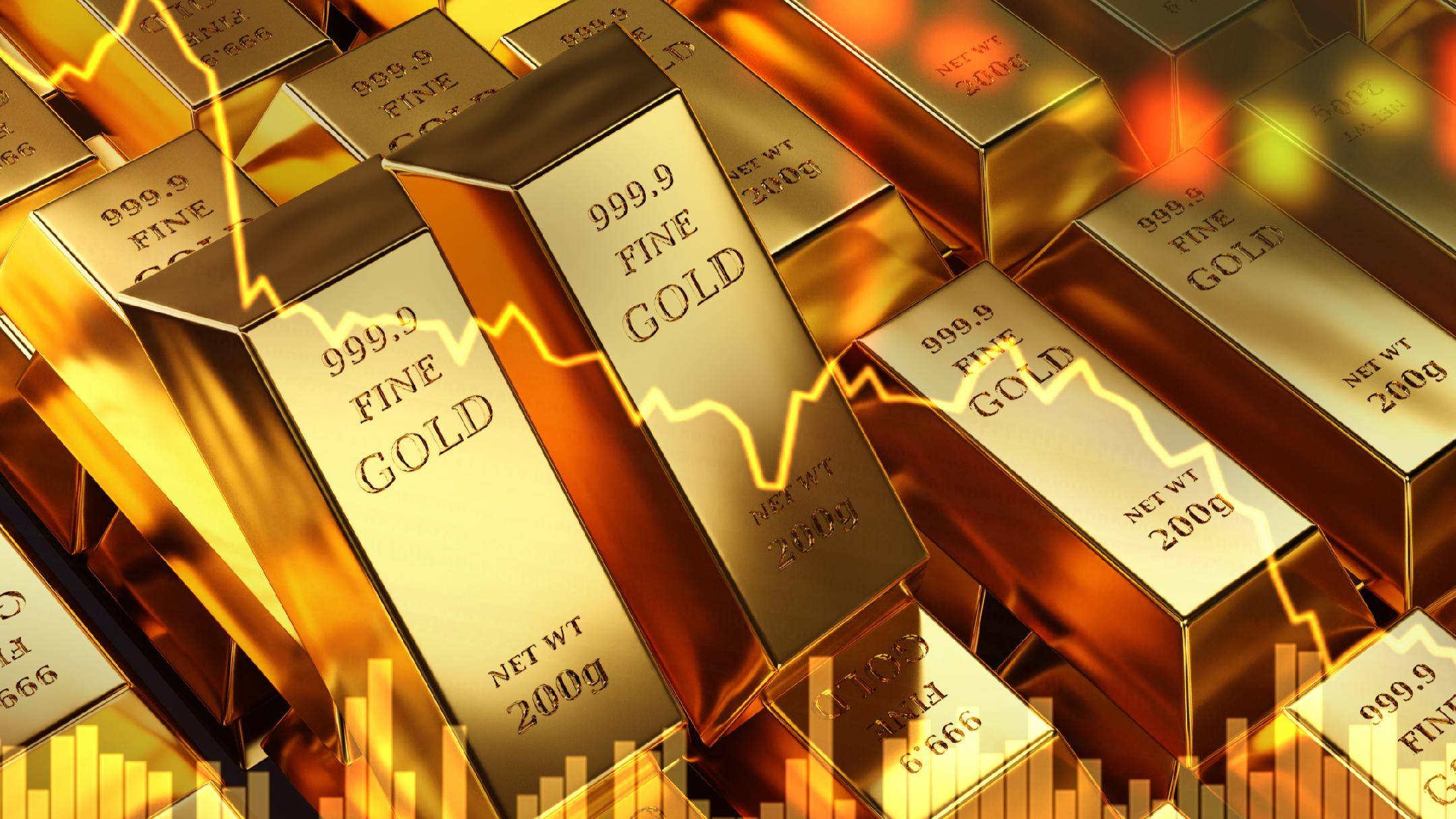
Core Viewpoint - The Shanghai Futures Exchange has implemented measures to cool down the surging gold and silver futures market, adjusting the price limit and margin requirements, which has led to a significant drop in gold prices after reaching record highs [2][8]. Group 1: Market Dynamics - Gold prices have experienced a phenomenal rise, increasing by nearly $1,000 per ounce in less than two months, reaching a peak of $4,392 per ounce on October 17 [2]. - The price surge followed a period of consolidation from April to August, with a notable upward trend beginning in September [3][4]. Group 2: Influencing Factors - The primary driver of the recent gold price increase is the expectation of interest rate cuts by the Federal Reserve, which has weakened the dollar and lowered real interest rates, enhancing gold's appeal as a non-yielding asset [4][15]. - Geopolitical uncertainties, including trade tensions and conflicts, have further supported gold prices, as investors seek safe-haven assets amid rising global risks [5][14]. - Continuous inflows from official reserves and institutional investors have solidified demand for gold, with significant purchases by central banks, including China's ongoing accumulation of gold for eleven consecutive months [6][9]. Group 3: Regulatory Response - In response to the volatile market conditions, the Shanghai Futures Exchange issued risk warnings and adjusted trading limits and margin requirements, which had an immediate impact on gold prices, causing a sharp decline after reaching record highs [8][9]. Group 4: Future Outlook - Analysts suggest that while regulatory measures may adjust the pace of gold price movements, they are unlikely to alter the overall upward trend driven by strong demand and macroeconomic factors [12][15]. - The financial and safe-haven attributes of gold are expected to remain significant in determining its price trajectory, particularly in light of ongoing geopolitical uncertainties and monetary policy shifts [13][15].

研客专栏 | 一波未平一波又起,怎么看后市金价走势
对冲研投· 2025-08-12 12:16
Core Viewpoint - The recent fluctuations in the gold market are attributed to a combination of geopolitical tensions, trade tariff developments, and monetary policy discussions, highlighting gold's multifaceted nature as a commodity, financial asset, and currency [5]. Commodity Attributes - The impact of tariffs on gold prices has become more pronounced, particularly due to the U.S. imposing a new "reciprocal tariff" of 39% on Swiss gold bars, which led to a temporary halt in gold shipments from Swiss refineries to the U.S. [7] - A subsequent reversal occurred when the White House announced an exemption for imported gold bars from tariffs, causing a significant drop in the New York-London gold premium, although it remained above normal levels, indicating ongoing market uncertainty [7]. Financial Attributes - The market has experienced fluctuating sentiments regarding U.S.-Russia relations, with optimism about potential talks being tempered by President Trump's comments, reflecting the complexities of geopolitical dynamics and their influence on risk sentiment [9]. - The ongoing conflict in Ukraine and central bank gold purchases are contributing to a shift away from globalization, with the likelihood of immediate peace agreements being low due to competing interests among major powers [9]. Monetary Attributes - The independence of the Federal Reserve is not expected to be a major market driver in the short term, as current Chairman Powell's term is nearing its end, and the selection of a new chair will take time [11]. - A potential risk lies in the upcoming FOMC meeting, where a rate cut could lead to the reintroduction of interest-bearing Treasury issuance, possibly pushing 10-year U.S. Treasury yields towards 5%, which would exert downward pressure on gold prices [11]. Market Outlook - Despite short-term expectations of geopolitical easing and tariff exemptions boosting risk sentiment, the trends of de-globalization and weakening dollar credibility persist, making the gold-silver ratio at 85-90 more attractive for long positions compared to high-priced gold [13].