黄金消费市场

Search documents
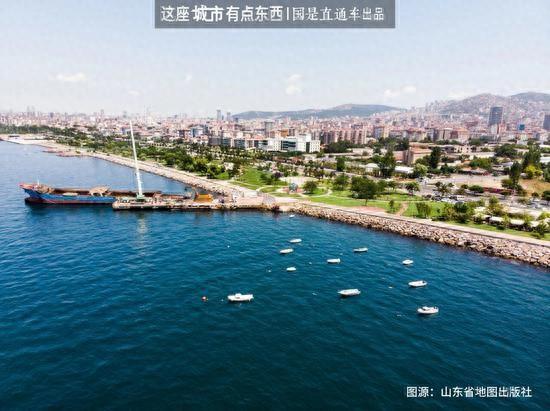
这里为什么成为中国“最金贵”城市?丨这座城市有点东西
Zhong Guo Xin Wen Wang· 2025-12-24 07:01
Core Viewpoint - The gold price has significantly increased in 2025, with over 60% annual growth and more than 50 historical highs recorded throughout the year [2] Group 1: Gold Production in Shandong - Shandong Province is the largest gold-producing region in China, with Yantai City being the main production area, particularly in the counties of Laizhou and Zhaoyuan, which account for 90% of Yantai's total gold output [2][3] - Yantai has a proven gold resource reserve of over 3,900 tons, representing approximately 26% of the national total, maintaining its position as the top gold-producing city in China for 49 consecutive years [3] - The Xiling Gold Mine in Yantai is the largest single gold mine discovered in China and ranks among the world's giant single gold deposits [3] Group 2: Economic Impact of Gold Industry - In 2024, Yantai's gold industry achieved a main business income of 244.33 billion yuan, a year-on-year increase of 26.5%, and a profit of 6.95 billion yuan, up 17.1% [3] - The gold industry has created numerous stable job opportunities, contributing to the local economy and supporting the growth of related industries such as mining, smelting, and technology development [4] Group 3: Gold Consumption Market in Shandong - The gold consumption market in Shandong is undergoing significant changes, with a density of jewelry stores in Jinan reaching 2.3 per square kilometer and a total exceeding 11,000 [6] - Despite facing pressure in retail operations, the jewelry industry in Shandong still has room for expansion, indicating potential growth in the long term [6][8] - The local gold consumption capacity remains lower compared to first-tier cities, leading to a structural characteristic of a large gold industry but relatively weak end-consumption [8] Group 4: Future Development Strategies - Experts suggest that Shandong should shift from relying solely on resource advantages to enhancing industrial, brand, and market advantages for sustainable development of the gold industry [9] - The integration of gold with cultural tourism is seen as a potential growth area, with initiatives like gold experience museums and historical storytelling enhancing consumer engagement [9][10] - There is a call for the gold industry to innovate in design, artistry, and cultural expression, transforming gold into a cultural and aesthetic consumer product rather than just a precious metal [10]


金店迎“关门潮”
Xin Lang Cai Jing· 2025-11-05 13:04
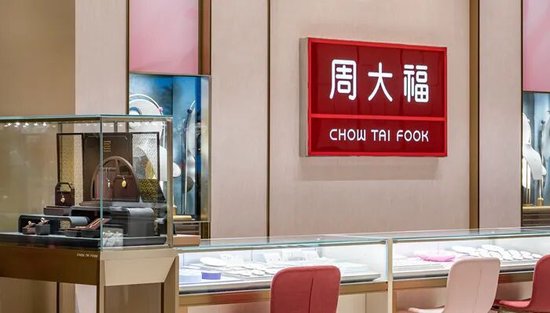
Core Viewpoint - The "store closure wave" in the gold and jewelry industry continues, with several companies reporting a decline in retail points and facing operational challenges due to new tax policies and rising gold prices [2][10]. Group 1: Store Closures and Sales Trends - Chow Tai Fook reported a reduction of 603 retail points, from 6,644 to 6,041, with the mainland market seeing a decrease of 611 points [4][6]. - Same-store sales for Chow Tai Fook in the mainland and Hong Kong/Macau fell by 8.6% and 10.0% respectively, although overall sales improved due to price increases [6][7]. - Other companies like Chow Sang Sang and Luk Fook also exhibited similar trends of store closures alongside improved sales performance [8]. Group 2: Financial Performance and Price Trends - Chow Sang Sang's revenue for the first nine months of 2025 was 6.772 billion yuan, down 37.35% year-on-year, but gross profit margin improved to 29.74% due to product mix optimization and rising gold prices [8][9]. - Luk Fook's average selling price for gold products in the mainland increased by 17% to 8,300 yuan, contributing to a retail value increase of 18% and retail income growth of 15% [9]. Group 3: Impact of New Tax Policies - The new tax policy effective November 1 is expected to increase costs for non-investment gold enterprises, potentially leading to further store closures [11][12]. - The market reacted quickly to the new tax policy, with gold prices rising significantly, impacting consumer demand and retail performance [11][12]. Group 4: E-commerce Growth - E-commerce channels have emerged as a growth highlight for several gold and jewelry brands, with Chow Sang Sang's e-commerce revenue increasing by 17.68% year-on-year [12][13]. - The contribution of e-commerce to Chow Sang Sang's revenue rose from 15.29% to 28.72%, indicating a shift in consumer purchasing behavior [12][13]. - Brands are leveraging e-commerce platforms for promotions and collaborations, enhancing customer engagement and driving sales [13][14].