2纳米制程工艺

Search documents
高通CEO安蒙证实:正与三星洽谈2纳米芯片代工合作事宜
Sou Hu Cai Jing· 2026-01-07 13:18
Core Viewpoint - Samsung's foundry business is experiencing a turnaround as its second-generation 2nm process technology (SF2P) gains industry recognition and attracts major clients, including Qualcomm, Tesla, AMD, and Google [1][3][4] Group 1: Technology and Production - Samsung is the first company globally to announce the mass production of 2nm chips, with the Exynos 2600 chip for the Galaxy S26 series set to utilize the SF2P process [3] - The SF2P process is expected to deliver significant technical advantages, leading to increased interest from external companies [3] - Qualcomm is reportedly in active discussions with Samsung for 2nm chip foundry cooperation, with design work already completed [3][4] Group 2: Market Position and Competitiveness - If the collaboration with Qualcomm is finalized, it would serve as a strong endorsement of Samsung's foundry technology capabilities [4] - Qualcomm previously shifted its most advanced chip orders to TSMC due to stability issues with Samsung's foundry processes, indicating a significant shift in confidence [4] - Successful execution of the SF2P process could position Samsung to compete directly with TSMC in the advanced semiconductor manufacturing sector [4]


台积电泄密风波引关注 全球2纳米工艺规模量产在即
Zhong Guo Jing Ying Bao· 2025-08-08 14:41
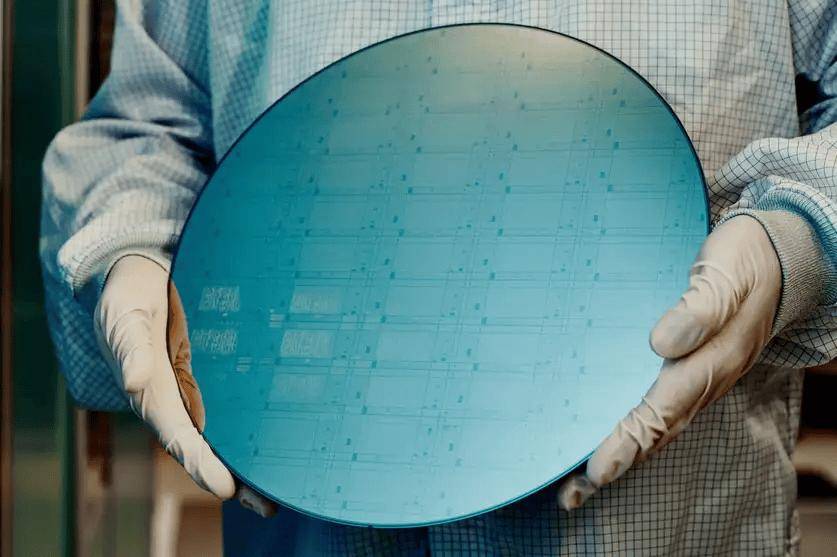
Group 1: TSMC's 2nm Process Leak Incident - TSMC announced a leak of confidential information related to its 2nm chip process, resulting in the dismissal of involved employees and the initiation of legal proceedings [2] - TSMC's 2nm process is expected to enter mass production in the second half of this year, with the A20 chip for the iPhone 18 series being one of its first applications [2] - TSMC's 2nm process has achieved a yield rate exceeding 80%, which is sufficient for mass production and revenue generation [2][3] Group 2: Competitive Landscape - TSMC holds a significant market share of approximately 67.6%, while Samsung has about 7.7%, highlighting the competitive gap [3] - Samsung plans to start mass production of its 2nm process in the first half of 2026, despite initial yield rates being lower than TSMC's [3][5] - Intel aims to disrupt the market with its 18A process, which is equivalent to 1.8nm, but faces challenges with yield rates and production timelines [6][7] Group 3: Market Outlook and Applications - The global market for 2nm and similar processes is projected to exceed $50 billion by 2025, with an annual growth rate of over 20% [5] - The introduction of 2nm technology is expected to benefit downstream applications, particularly in consumer electronics, AI, and IoT [8][9] - Companies like Apple and NVIDIA are anticipated to leverage 2nm chips for enhanced performance in their next-generation products [8][9]