AI二创

Search documents
为何整治“AI魔改”?它与“二创”有哪些区别?
Ren Min Ri Bao Hai Wai Ban· 2026-01-12 02:17
Core Viewpoint - The article discusses the rise of "AI magic modifications" in classic films and the subsequent regulatory response from the National Radio and Television Administration in China, which aims to address the chaotic spread of such content and protect original works from distortion and vulgar adaptations [4][10]. Group 1: AI Technology and Its Impact - The advancement of AI technology has led to a significant increase in the quality and realism of modified video content, making it difficult for viewers, including children, to distinguish between original and altered versions [5][6]. - The lowering of technical barriers has resulted in a surge of creative reinterpretations of classic films, with many creators using AI tools to produce innovative works [7]. Group 2: Regulatory Measures - A special governance initiative will be implemented starting January 1, 2026, focusing on cleaning up disruptive modifications of classic literature and historical narratives, particularly targeting adaptations that violate the original spirit and character integrity [4][10]. - The initiative emphasizes the responsibility of online video platforms to enforce content review and eliminate non-compliant content, thereby reversing the negative trend of "AI magic modifications" [10][14]. Group 3: Legal Risks and Copyright Issues - There are significant legal risks associated with "AI magic modifications," as unauthorized use of original works can lead to copyright infringement, regardless of whether the creator profits from the content [8][9]. - The concept of "fair use" is strictly defined, and many instances of AI modifications may not qualify, especially if they have commercial implications [8][9]. Group 4: Platform Responsibilities and Solutions - Platforms are encouraged to take an active role in copyright governance, moving beyond being mere conduits for content to becoming direct managers of the content ecosystem [11][14]. - Two potential paths for platforms include preemptive copyright filtering and providing authorized resources for AI creation, which can help mitigate infringement risks [13].

派拉蒙大战Netflix,AI二创要把IP玩坏了?
3 6 Ke· 2026-01-07 10:47
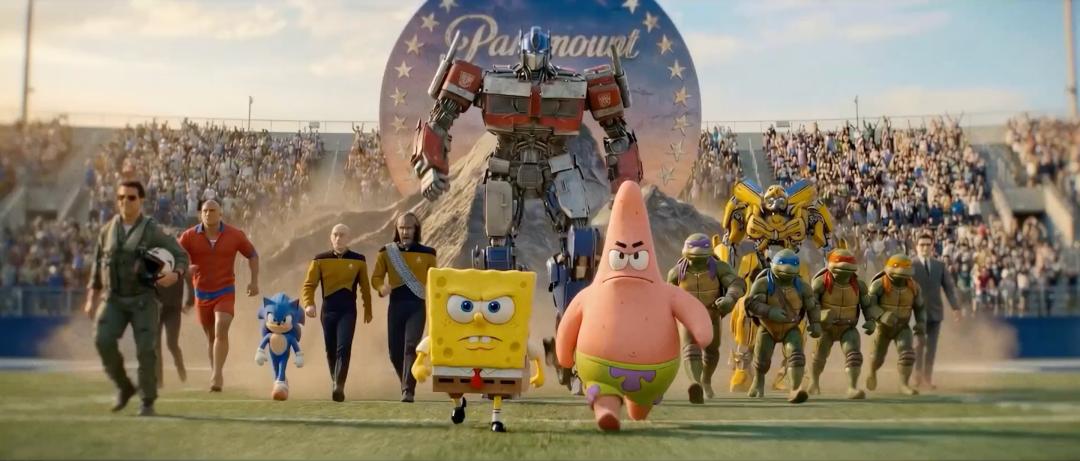
Group 1 - The article discusses the emergence of AI-generated content featuring iconic Hollywood IPs, highlighting a viral video that combines characters from various franchises like SpongeBob and Transformers, showcasing the creativity of AI in reimagining these characters [1][6][20] - The competition between major streaming platforms, particularly Paramount and Netflix, is intensifying, with Netflix's $827 billion acquisition plan for Warner Bros and Paramount's $1,084 billion hostile bid [6][36] - AI-generated content is becoming a new trend in the streaming era, with significant viewership numbers, such as a single video on X surpassing 7.3 million views [8][20] Group 2 - Disney has taken a proactive approach by investing $1 billion in OpenAI and granting access to over 200 characters from its franchises for AI-generated content, aiming to establish a controlled industry standard [31][35] - Other streaming companies like Tencent and iQIYI are also adapting to AI technologies, with Tencent launching an "AI long film experiment plan" to explore AI-driven content creation [36][44] - iQIYI has initiated legal action against AI companies for unauthorized use of its copyrighted materials, indicating a more open stance towards AI collaboration compared to Disney's exclusive strategy [46][48]


当爷们要脸时爷们在要些什么
Hu Xiu· 2025-05-20 23:59
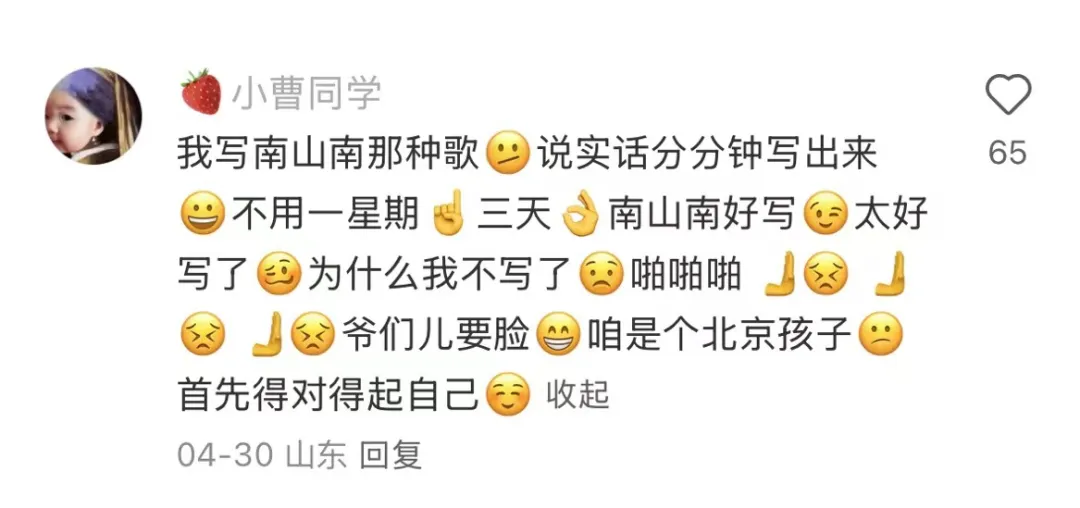
Core Viewpoint - The phrase "要脸" (to save face) has gained significant traction online, particularly following a heartfelt yet self-aware statement made by folk singer Ma Di on the show "I Am a Singer 2," which has sparked widespread discussion and imitation across the internet [1][5][12]. Group 1: Cultural Impact - The phrase has led to a surge of creative reinterpretations and parodies, with musicians and internet users worldwide engaging in this cultural phenomenon [4][14]. - The emergence of "要脸文学" (face-saving literature) serves as a template for expressing personal shortcomings humorously, allowing individuals to articulate their struggles in a light-hearted manner [6][20]. Group 2: Social Commentary - The concept of "要脸" has evolved from a serious cultural critique to a more playful and relatable topic, reflecting a shift in how younger generations perceive and discuss personal dignity and societal expectations [10][13]. - The phrase has become a convenient explanation for various life challenges, enabling individuals to address their frustrations without delving into deeper issues [21][23]. Group 3: Creative Expression - The adaptability of the "要脸" template allows for various substitutions, indicating its flexibility and the broad appeal it has among different demographics [24][25]. - The phenomenon illustrates how modern communication, especially through social media, can transform traditional cultural expressions into contemporary forms of humor and relatability [26][36].