AI产业爆发

Search documents
中国又一金属遭疯抢!多国抢货狂潮提前爆发,火爆真相曝光
Sou Hu Cai Jing· 2026-01-07 18:22
Core Insights - The global commodity market is experiencing a significant surge in demand for a specific metal, primarily driven by China, with countries rushing to secure supplies ahead of expectations [2][4][6]. Global Demand Surge - Countries including the US, India, UAE, and others are actively participating in the rush for this metal, which has become a highly sought-after commodity [4]. - In Shenzhen's precious metal wholesale market, there has been a noticeable increase in demand for silver ingots, particularly those without processing fees, leading to inventory shortages [4][6]. Central Bank Activities - Central banks, including Russia's, have incorporated this metal into their foreign exchange reserves, with Russia holding 92,000 tons as of 2025, representing 14.67% of global reserves [6]. - The US has classified this metal as a critical mineral, prompting other nations to follow suit and designate it as a strategic asset while limiting domestic outflows [6][8]. Price Escalation - The price of silver has surged, with London spot silver prices exceeding $59.33 per ounce, marking a historical high, while futures contracts approached $60 per ounce [8]. - In the domestic market, silver jewelry prices have risen to 16.52 yuan per gram, and wholesale prices for silver ingots reached a record high of 13.378 yuan per gram, reflecting a price increase of over 140% in one year [9]. Industrial Significance - The metal's value has shifted from jewelry to industrial applications, becoming essential for high-tech industries, particularly in the context of global energy transitions [11][20]. - In the photovoltaic industry, a 100 MW solar project requires 2.5 to 3 tons of this metal, while larger projects can demand over 20,000 tons [12]. - The rise of the electric vehicle industry further amplifies demand, with China's production of over 30 million electric vehicles in 2025 alone requiring 1,500 to 3,000 tons of this metal annually [16]. Supply Chain Dynamics - China plays a crucial role in the global supply chain for this metal, handling 60% to 70% of its refining, despite holding only 11% of global reserves [23][24]. - In 2025, China's export volume reached 9,126 tons, accounting for 23.4% of global trade, indicating its dominance in the market [24][25]. Export Control Policies - China has implemented new export control measures, elevating this metal to a strategic material status, requiring strict approval for exports [26][28]. - These policies aim to prioritize domestic supply while managing global market stability amid increasing international demand [30][32]. Conclusion - The ongoing rush for this metal reflects a broader competition for dominance in high-tech industries and resource strategy on a global scale [34][36]. - China's strategic export controls position it favorably in the global market, ensuring resource security for its own industrial upgrades while navigating international competition [38].

机构震仓与散户补仓的较量
Sou Hu Cai Jing· 2025-09-18 11:21
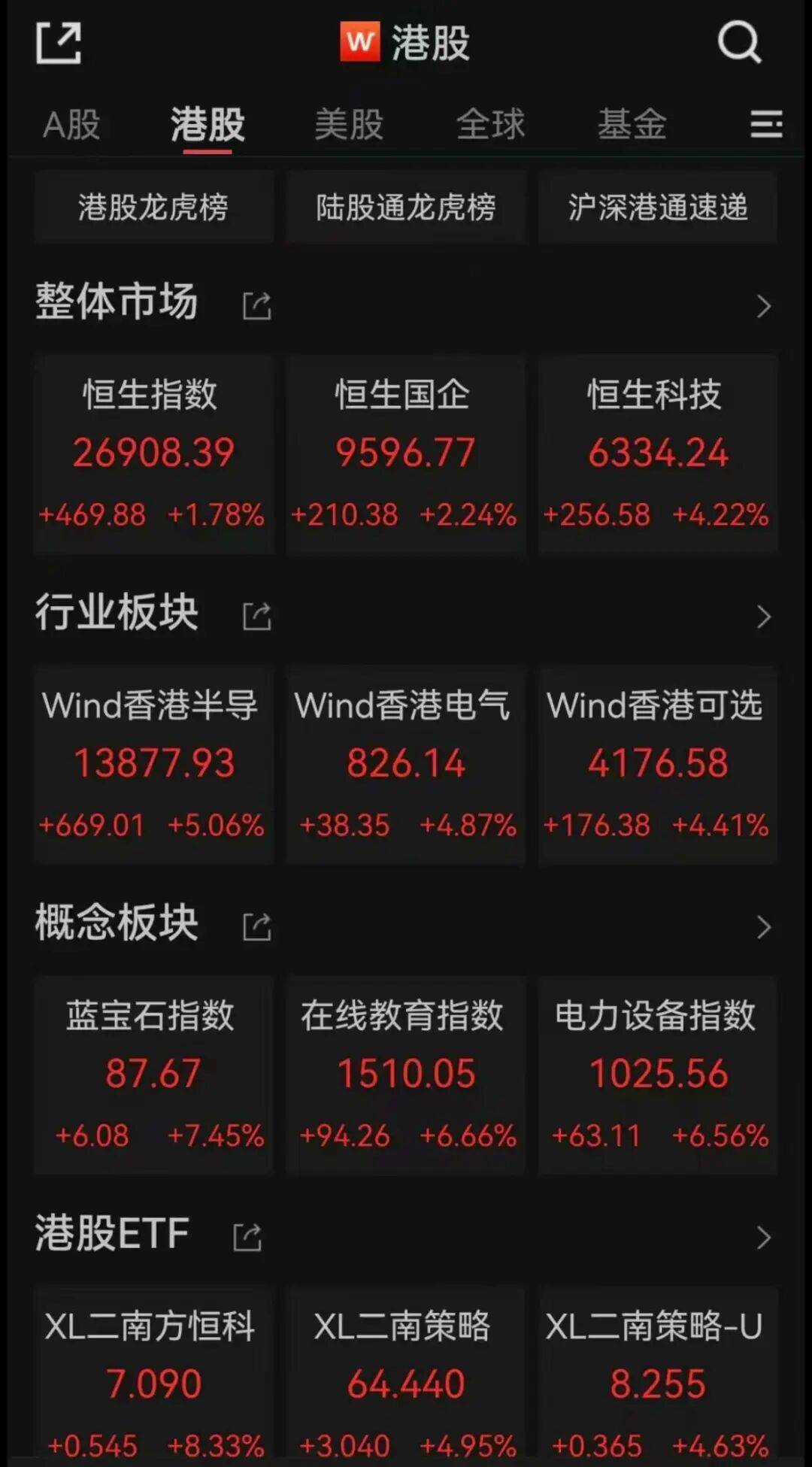
Core Viewpoint - The recent surge in the Hong Kong stock market, particularly the Hang Seng Technology Index's 4% increase, has attracted attention, but historical patterns suggest caution as similar situations have led to losses in the past [1][4]. Market Performance - The Hang Seng Index is at 26,908.39, up by 469.88 points or 1.78% - The Hang Seng China Enterprises Index is at 9,596.77, up by 210.38 points or 2.24% - The Hang Seng Technology Index is at 6,334.24, up by 256.58 points or 4.22% [2]. Historical Context - Experts cite reasons for the current market optimism, including improved US-China relations, potential interest rate cuts by the Federal Reserve, and an AI industry boom, but similar narratives have previously led to market downturns in 2015 and 2018 [4][7]. - Historical patterns indicate that many investors have been misled by past performance, believing that current conditions will mirror previous recoveries [4][7]. Investment Behavior - Retail investors often react to market appearances without understanding underlying factors such as policy changes, earnings, and capital flows, which are typically manipulated by institutional investors [7][10]. - The distinction between institutional and retail investor behavior is crucial; markets driven by institutional participation tend to sustain gains, while those led by retail investors often result in losses [10][13]. Analytical Tools - The importance of quantitative data is emphasized, as it reveals the true market dynamics rather than predicting future movements [10][13]. - Investors are encouraged to focus on real-time capital movements rather than relying solely on macroeconomic analyses [13][14].