DRG付费改革

Search documents
威海“十四五”医保改革释放多重惠民红利
Da Zhong Ri Bao· 2026-01-19 01:30
Core Insights - Weihai's medical insurance fund operates smoothly during the 14th Five-Year Plan period, with both employee and resident insurance funds remaining within a sustainable range [1] - The reimbursement rates for inpatient expenses are stable at over 80% for employees and over 65% for residents, with a 70% reimbursement rate for key assistance recipients [1] Group 1: Medical Insurance Fund and Reimbursement - The outpatient co-payment mechanism has been fully established, with 11.69 million outpatient reimbursements totaling 1.098 billion yuan [1] - The maximum reimbursement rate for major medical expenses for employees is 90%, with a total of 609 million yuan paid out in major medical insurance funds over five years [1] - Long-term care insurance has been fully implemented for employees, with 130 million yuan disbursed in benefits over five years [1] Group 2: Medical Service Pricing and Reforms - Weihai has conducted 22 dynamic adjustments to medical service prices over five years, adding 105 new service items and adjusting 664 prices [2] - The implementation of DRG payment reform has led to a 16% decrease in average hospitalization costs compared to the end of the 13th Five-Year Plan [2] - The number of drugs in the medical insurance reimbursement directory has increased from 2,709 to 3,159, with 600 types of negotiated drugs now covered [2] Group 3: Accessibility and Service Optimization - The network for cross-province medical settlement has expanded significantly, with 144 hospitals and 1,552 pharmacies supporting direct settlement [3] - The activation of medical insurance electronic certificates has reached 2.48 million, with mobile payment coverage exceeding 85% [3] - Six services, including "newborn birth," have been streamlined to allow for single-visit processing, enhancing the experience for the public [3]
威海|威海“十四五”医保改革释放多重惠民红利
Da Zhong Ri Bao· 2026-01-19 01:11
Core Insights - During the "14th Five-Year Plan" period, Weihai's medical insurance fund operates smoothly, with both employee and resident insurance funds remaining within a sustainable range [1] - The reimbursement ratios for inpatient expenses are stable at over 80% for employees and over 65% for residents, with a 70% reimbursement for key assistance recipients [1] Group 1: Medical Insurance Fund Performance - The outpatient co-payment mechanism has been fully established, with 11.69 million outpatient reimbursements totaling 1.098 billion yuan [1] - Major medical insurance provides a maximum reimbursement rate of 90% for high-cost medical expenses, with cumulative payments of 609 million yuan for major medical insurance and 208 million yuan for medical assistance over five years [1] - Long-term care insurance has achieved full coverage for employees, with pilot programs for residents, totaling 130 million yuan in benefits distributed over five years [1] Group 2: Medical Service Pricing and Reforms - Weihai has conducted 22 dynamic adjustments to medical service prices over five years, adding 105 new service items and adjusting 664 prices [2] - The implementation of DRG payment reform has led to a 16% decrease in average hospitalization costs compared to the end of the "13th Five-Year Plan" [2] - The number of drugs in the medical insurance reimbursement directory has increased from 2,709 to 3,159, with 600 types of negotiated drugs included, enhancing patient access to affordable treatment [2] Group 3: Accessibility and Service Improvements - The network for cross-province medical settlement has expanded significantly, with 144 hospitals and 1,552 pharmacies supporting direct settlement [3] - The activation of medical insurance electronic certificates has reached 2.48 million, with mobile payment coverage exceeding 85% [3] - Six services, including "newborn birth," have been streamlined to allow for single-visit processing, improving the overall experience for the public [3]
医生降薪潮
投资界· 2025-11-14 08:01
Core Viewpoint - The article highlights a significant trend of salary reductions among doctors across various hospitals in China, driven by economic conditions, healthcare cost control measures, and the financial strain of hospital construction and renovation projects [4][6][16]. Salary Reduction Trends - Many doctors report salary cuts, with some experiencing reductions of 30% in performance bonuses and overall income [5][9]. - A survey indicated that 57.9% of healthcare workers experienced salary decreases in 2024, a notable increase from 37% in the previous year [11]. - Performance bonuses, which constitute a major part of doctors' income, have been significantly reduced, leading to financial distress among medical professionals [8][12]. Factors Contributing to Salary Cuts - The decline in patient volume due to lower birth rates and economic conditions has led to reduced hospital revenues, impacting doctors' salaries [15][16]. - The implementation of DRG (Diagnosis-Related Group) payment reforms has further constrained hospital budgets, affecting doctors' performance-related pay [16][17]. - Hospitals are facing increased operational costs due to extensive renovations and expansions, which have not been matched by revenue growth [17][18]. Impact on Healthcare Professionals - Many doctors are struggling to make ends meet, with some reporting monthly incomes insufficient to support their families [7][9]. - The article notes a trend of doctors taking on additional jobs outside of their medical practice to supplement their income [5][6]. - The overall morale among healthcare workers is declining as they face ongoing financial challenges and uncertainty about the future [18].


医生坦白局:是的,我们降薪了
虎嗅APP· 2025-11-13 09:47
Core Viewpoint - The article discusses the significant salary reductions faced by doctors across various hospitals in China, attributing these changes to economic conditions, medical insurance cost control, and the financial burdens of hospital construction and renovation [3][4][15]. Group 1: Salary Reductions - Many doctors report salary cuts, with some experiencing a decrease of around 30% in their performance bonuses [3][4]. - A doctor in Chongqing noted that their monthly salary dropped from approximately 6,000 yuan to 4,000 yuan, reflecting a 30% reduction [3]. - In a provincial children's hospital, another doctor reported a similar decline, with salaries reduced by one-third compared to the previous year [4]. Group 2: Performance Bonuses - Performance bonuses, which constitute a significant portion of doctors' income, have been halved in some cases, leading to financial distress among medical staff [5][11]. - The performance calculation method has changed multiple times, with recent adjustments resulting in a performance base drop from around 10,000 yuan to 7,000 yuan [8][10]. - A survey indicated that 57.9% of medical personnel experienced salary reductions in 2024, primarily due to decreased performance bonuses [13]. Group 3: Contributing Factors - The decline in patient numbers is a major factor, with many hospitals reporting fewer admissions and outpatient visits, particularly in pediatric departments [16]. - Medical insurance cost control measures, such as the DRG payment reform, have also impacted hospital revenues and, consequently, doctors' salaries [17][18]. - The financial strain from hospital renovations and expansions has led to increased operational costs, further exacerbating the salary issues for medical staff [18].
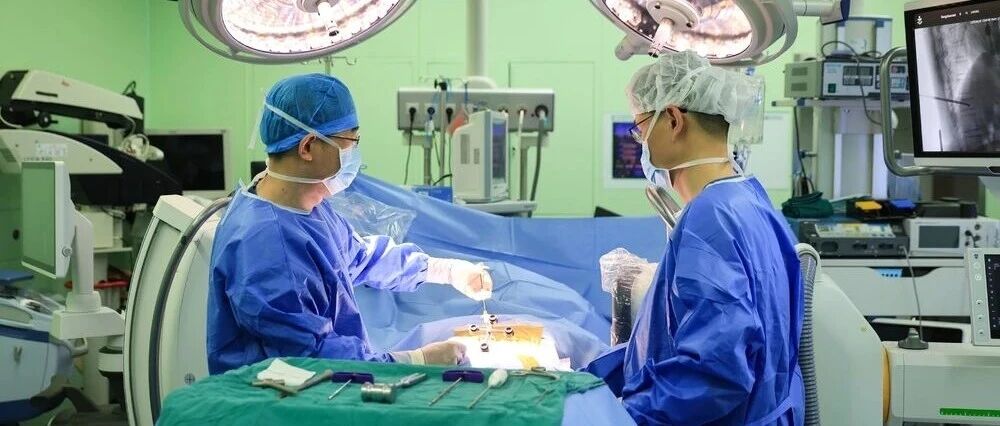
医生坦白局:是的,我们降薪了
3 6 Ke· 2025-11-12 03:11
Core Viewpoint - The article highlights a significant trend of salary reductions among doctors across various regions in China, attributed to the economic environment, healthcare cost control, and extensive hospital renovations and constructions [1][3][11]. Group 1: Salary Reductions - Many doctors report salary cuts, with some experiencing a decrease of around 30% in performance bonuses, dropping from approximately 6,000 yuan to 4,000 yuan [2][4]. - In some cases, doctors' monthly incomes have fallen to as low as 2,000 to 3,000 yuan, particularly in underdeveloped areas [3][4]. - A survey indicated that 57.9% of healthcare workers experienced salary reductions in 2024, a significant increase from 37% the previous year [6]. Group 2: Factors Contributing to Salary Cuts - The decline in patient numbers is frequently cited as a primary reason for salary reductions, with many hospitals reporting fewer patients due to changing demographics and economic conditions [8][9]. - The implementation of the DRG (Diagnosis-Related Group) payment reform has led to lower reimbursements for certain treatments, negatively impacting doctors' performance income [10][11]. - Extensive hospital renovations and expansions have increased operational costs, further straining hospital finances and contributing to salary cuts [11][12]. Group 3: Impact on Healthcare Professionals - The reduction in salaries has led to increased dissatisfaction among healthcare workers, with some expressing concerns about their ability to support their families [4][5]. - Many doctors are considering alternative employment options, such as part-time jobs outside of healthcare, due to insufficient income [3][4]. - The overall sentiment among healthcare professionals is one of uncertainty, with many preparing for continued financial difficulties in the coming years [4][10].
医生坦白局:是的,我们降薪了
经济观察报· 2025-11-11 10:57
Core Viewpoint - The article discusses the significant salary reductions experienced by doctors across various regions, attributing these changes to the broader economic environment, healthcare cost control measures, and the financial burdens of hospital renovations and constructions [1][4]. Group 1: Salary Reductions - Many doctors report salary cuts, with some experiencing a decrease of around 30% in performance bonuses, leading to total monthly incomes dropping to approximately 2,000 to 4,000 yuan [2][6]. - In some areas, doctors' salaries have fallen by one-third, with reports of basic salaries being delayed and reduced [3][7]. - A survey indicated that 57.9% of healthcare workers experienced salary reductions in 2024, a significant increase from 37% in the previous year [10]. Group 2: Factors Contributing to Salary Cuts - The decline in patient numbers is a primary reason for reduced salaries, with many hospitals reporting fewer patients due to lower birth rates and economic conditions [13]. - Healthcare cost control measures, particularly the implementation of the DRG payment system, have led to decreased hospital revenues, impacting doctors' performance bonuses [14][15]. - The financial strain from hospital renovations and expansions has also been identified as a contributing factor to salary reductions, as many hospitals struggle with increased operational costs [16].