HSD Together模式

Search documents
告别单纯供应 走向深度共生——汽车供应链关系重构新解
Zhong Guo Qi Che Bao Wang· 2025-12-29 03:16
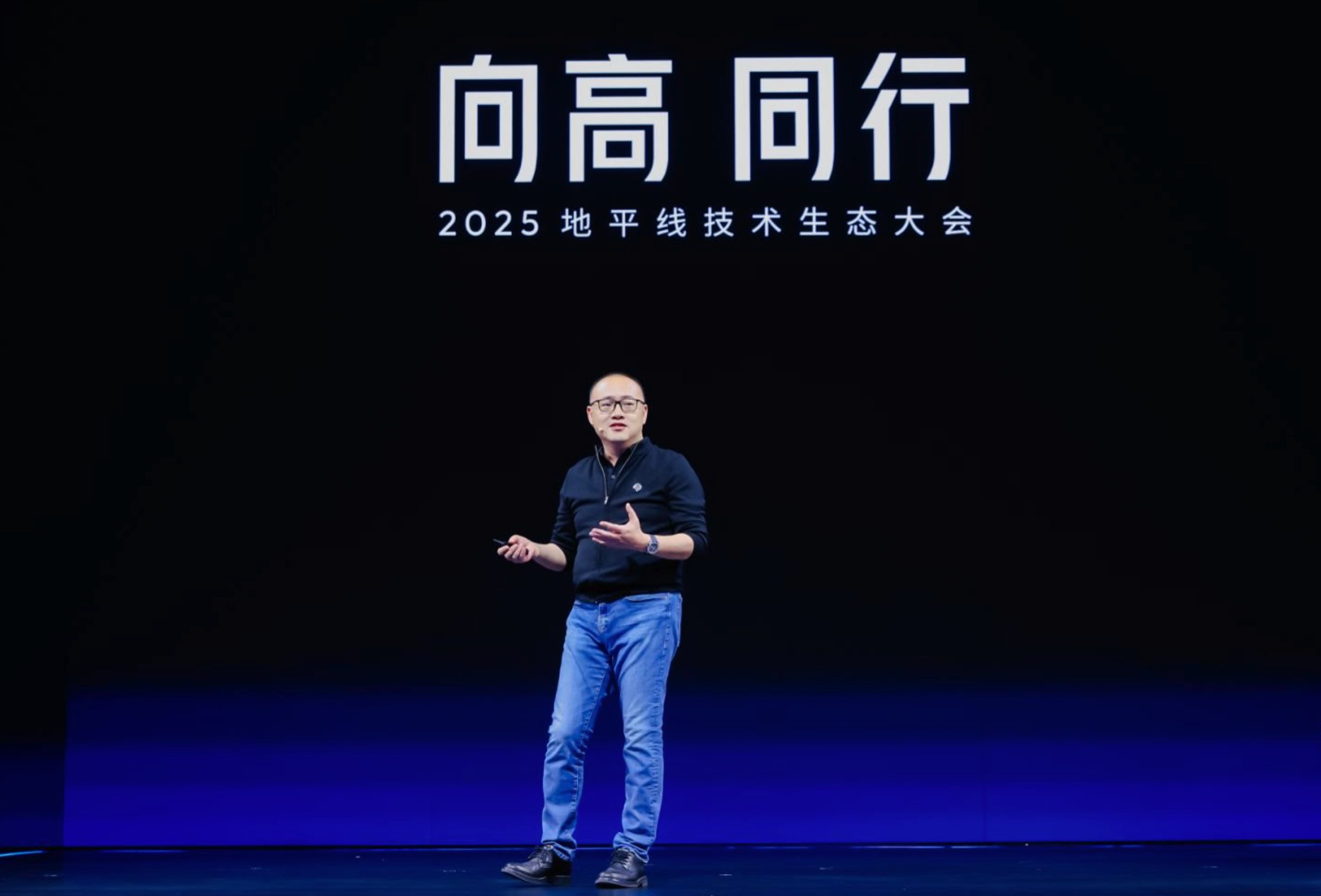
Core Insights - Horizon Robotics held its first technology ecosystem conference, emphasizing a shift from "driving high" to "coexisting with high" in intelligent driving, aiming to expand driving assistance features into broader markets [4] - The new HSD Together model promotes deep collaboration with industry partners, reshaping the automotive supply chain ecosystem from a linear supply model to a symbiotic relationship [5][7] Industry Transformation - The HSD system, based on the Journey 6M chip, is set to be mass-produced and integrated into affordable vehicles, marking a significant shift in collaboration strategies within the automotive industry [5] - The complexity of developing advanced driving assistance systems necessitates a collaborative approach, as individual automakers may lack the resources to tackle these challenges alone [6] Supply Chain Evolution - The transition from a traditional supply chain to a networked structure allows for more flexible and collaborative relationships among suppliers, enhancing the overall capability of the ecosystem [8] - The integration of suppliers into the manufacturing process, as seen with CATL's battery production within vehicle assembly lines, exemplifies the shift towards co-located collaboration [9] Strategic Partnerships - The HSD Together model enables partners to modularly select algorithm modules and engineering support, significantly reducing their resource investment by up to 90% [6] - The automotive industry is witnessing a shift in collaboration dynamics, with semiconductor companies engaging directly with top management of automakers, indicating a move towards strategic partnerships rather than transactional relationships [10] Competitive Landscape - The focus of competition in the automotive industry is shifting from hardware and software development to ecosystem building and collaborative efficiency [11] - The emergence of the HSD Together model raises questions about the potential loss of technical leadership for automakers with weaker software capabilities, leading to a bifurcated industry landscape [12] Innovation and Value Creation - The automotive market is transitioning from price competition to innovation-driven strategies, emphasizing the importance of collaborative ecosystems in enhancing innovation efficiency [14] - The value creation process is increasingly reliant on data cycles and functional iterations throughout the vehicle's lifecycle, highlighting the need for a healthy ecosystem to foster continuous improvement [15] Future Outlook - The automotive industry is likely to evolve into a layered, dynamically balanced ecosystem where a minority of leading firms pursue full-stack development while the majority collaborate with ecosystem partners [13] - The shift towards a collaborative model may lead to a reallocation of power within the supply chain, necessitating fair trust and benefit-sharing mechanisms among partners [17]


地平线要把智驾做到售价 7 万元的车上|最前线
3 6 Ke· 2025-12-12 04:38
Core Insights - Horizon is attempting to create a "new ecosystem" to expand its business and attract more participants [3] - The CEO of Horizon, Yu Kai, stated that smart driving has not yet truly entered the mass market, with vehicles priced above 200,000 yuan accounting for 30% of the market share, while those below 130,000 yuan make up 50%, but the latter generally lack urban auxiliary driving capabilities [3] - Horizon's smart driving solution, HSD, has been integrated into vehicles priced at 130,000 yuan this year, with plans to extend urban auxiliary driving solutions to vehicles priced as low as 70,000 yuan next year [3] Business Model Evolution - Horizon has introduced a new business model called "HSD Together," transitioning from selling chips and solutions to selling algorithms and capabilities [4] - The previous mainstream business model included selling chips, toolchains, basic software, hardware reference designs, chip IP licensing, and algorithm IP licensing [4] - Horizon has partnered with companies like Denso and the joint venture CARIZON to implement the HSD Together model, while HCT has restructured to focus on Tier 2 solutions based on the 6M platform [4] Industry Dynamics - Horizon views smart driving as the "automatic transmission" of the new era, where functionality will converge, and differentiation will stem from branding rather than significant differences in underlying capabilities [5] - To support the evolution of smart driving capabilities, Horizon announced the development of the fourth-generation BPU architecture, Riemann, which increases the number of high-precision operators by over ten times and enhances efficiency [6] - The Riemann architecture will be integrated into the entire Journey 7 family and is set to launch alongside Tesla's next-generation AI5 chip [6] Ecosystem Challenges - Horizon aims to reshape the collaboration paradigm within the smart driving supply chain by adopting a more open and cooperative approach, inviting more Tier 1 and Tier 2 participants [6] - However, this new ecosystem introduces complexities, as the boundaries between Horizon and its partners are becoming blurred, creating both a community of interests and competitive dynamics [6] - The ability to maintain a healthy ecological tension between "co-building" and "competition" will determine the longevity of this model and Horizon's success in making smart driving mainstream [6]