Space Computing

Search documents
Nvidia announces Vera Rubin Space-1 chip system for orbital AI data centers
CNBC· 2026-03-16 20:24
Nvidia announced the launch of computing platforms for orbital data centers on Monday during its GTC 2026 conference, a highly anticipated next step for artificial intelligence in space."Space computing, the final frontier, has arrived," said CEO Jensen Huang. "As we deploy satellite constellations and explore deeper into space, intelligence must live wherever data is generated."In a press release, the company said that its Vera Rubin Space-1 Module, which includes the IGX Thor and Jetson Orin, will be used ...


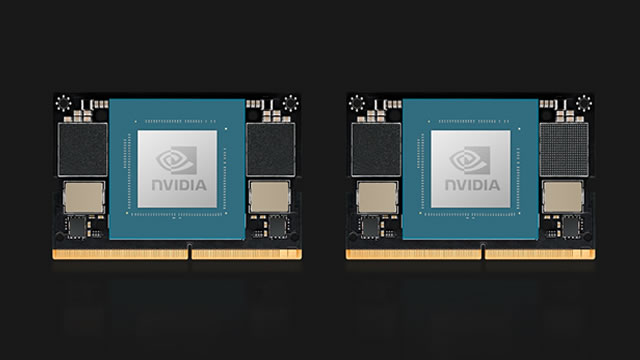
NVIDIA Launches Space Computing, Rocketing AI Into Orbit
Globenewswire· 2026-03-16 20:03
Core Insights - NVIDIA's latest accelerated computing platforms are revolutionizing space innovation by enabling AI compute capabilities in orbital data centers, geospatial intelligence, and autonomous space operations [1][6] Group 1: Product Innovations - The NVIDIA Space-1 Vera Rubin Module offers up to 25 times more AI compute for space-based inferencing compared to the NVIDIA H100 GPU, enhancing capabilities for orbital data centers and advanced geospatial intelligence [3] - NVIDIA's IGX Thor and Jetson Orin platforms provide energy-efficient, high-performance AI inference and data processing, facilitating edge computing in space [4][12] - The NVIDIA RTX PRO 6000 Blackwell Server Edition GPU delivers up to 100 times faster performance for geospatial intelligence processing compared to traditional CPU-based systems [5][19] Group 2: Industry Applications - Industry leaders such as Aetherflux, Axiom Space, and Kepler Communications are leveraging NVIDIA's platforms for next-generation space missions, enhancing real-time data processing and connectivity in space [7][8][17] - The integration of NVIDIA's technology allows companies to manage and route data intelligently across satellite constellations, improving efficiency and reducing latency [8] - The rapid growth of the commercial space industry is driving demand for real-time data processing capabilities in orbit, which NVIDIA's platforms are designed to meet [9] Group 3: Future Potential - The NVIDIA Space-1 Vera Rubin Module enables large language models and advanced foundation models to operate directly in space, unlocking on-orbit analytics and autonomous scientific discovery [10] - NVIDIA's platforms are engineered for size, weight, and power constraints, making them suitable for mission-critical edge environments in space [11][17] - The ability to process sensor data locally on spacecraft enhances responsiveness and optimizes bandwidth use, complementing ground control systems [11]
“公司终局是纯 AI、纯机器人!”马斯克酒后激进预言:让机器人造机器人,未来要靠AI留着人类智能
Sou Hu Cai Jing· 2026-02-13 18:08
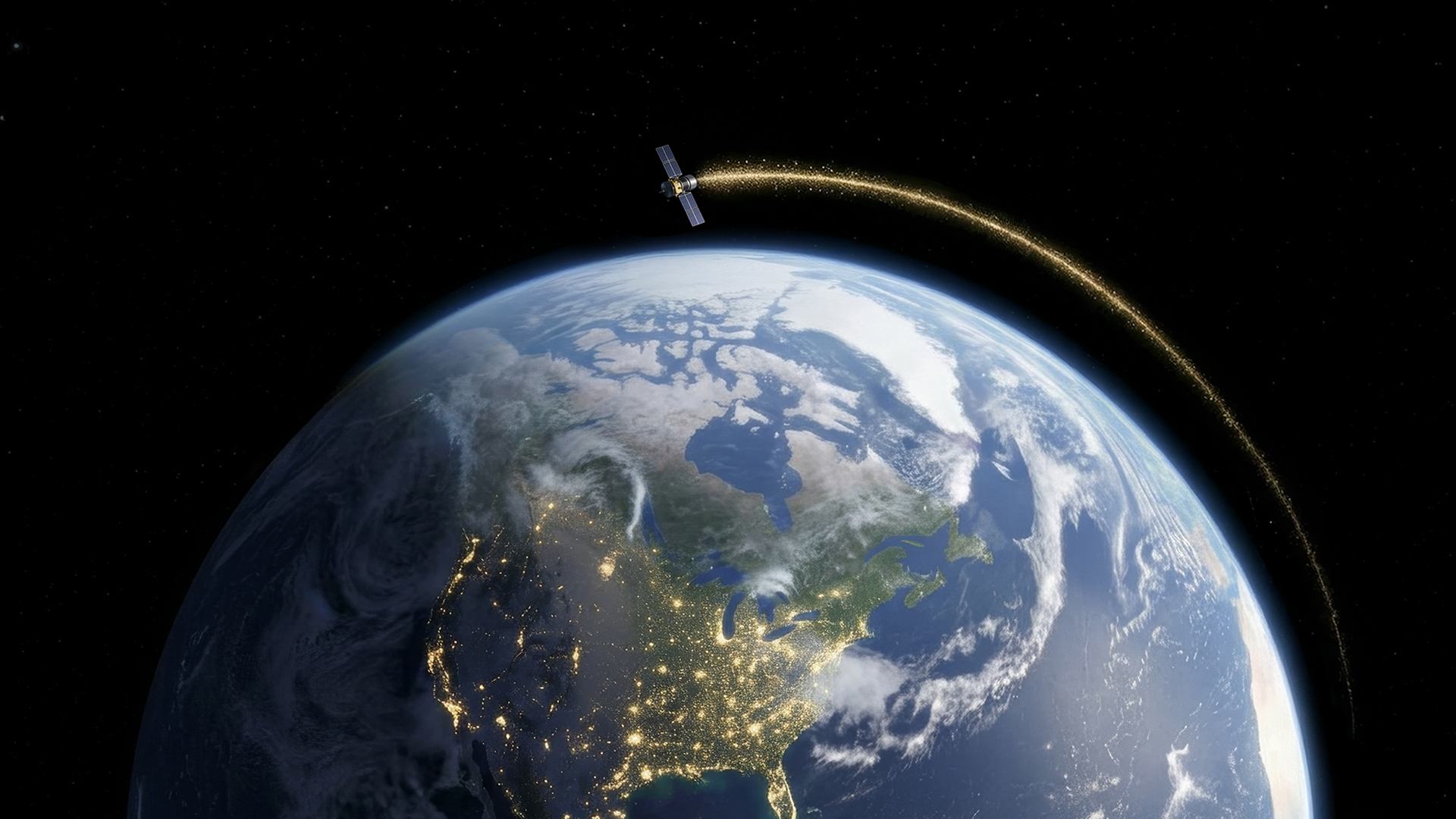
Core Insights - Elon Musk discussed the economic benefits of space data centers, the challenges of scaling electricity generation on Earth, and the conditions needed for large-scale production of humanoid robots in the U.S. [1][2] Group 1: Space Data Centers and Energy Challenges - Musk emphasized that moving computing power to space is not primarily about saving on electricity costs but addressing the energy supply issue, as ground power generation cannot keep pace with the exponential growth of chip computing power [1][4] - He noted that solar energy efficiency in space is approximately five times greater than on Earth, and that deploying AI in space could become the most cost-effective solution within the next 30 to 36 months [6][7] - The bottleneck for expanding energy generation on Earth is not just the power plants but also the manufacturing capabilities for turbines and transformers, which are currently limited [10][11] Group 2: AI Deployment and SpaceX's Role - Musk predicts that in five years, the amount of AI deployed and operational in space will exceed the cumulative total on Earth, with annual AI capacity in space potentially reaching hundreds of gigawatts [23][26] - SpaceX aims to become a major supplier of computational power in space, potentially surpassing all terrestrial institutions combined [26][27] Group 3: SpaceX IPO and Funding Strategies - Musk indicated that discussions around a potential SpaceX IPO are increasing due to the need for substantial funding that exceeds what private markets can provide, suggesting that the public market offers significantly more capital [28][32] - The focus remains on speed and overcoming bottlenecks, with Musk stating that if funding is the only bottleneck, it will be addressed through an IPO [33][34] Group 4: Manufacturing and Supply Chain Challenges - Musk highlighted the critical need for manufacturing capabilities, particularly for turbine blades and solar panels, which are essential for energy generation in space [12][18] - He mentioned that SpaceX and Tesla are working towards achieving a solar capacity of 100 gigawatts, indicating a comprehensive approach to the solar supply chain [22][42] Group 5: AI and Human Interaction - Musk expressed concerns about the future relationship between AI and humanity, suggesting that as AI intelligence grows, human control may diminish, emphasizing the importance of instilling the right values in AI systems [49][50] - The ultimate goal is to ensure that AI contributes positively to the continuation of human civilization and understanding of the universe [51][52]


【点金互动易】人形机器人+AI眼镜,公司多款产品全栈切入国内头部机器人,投资全球首家千台量产高自由度灵巧手公司
财联社· 2025-12-05 00:40
Group 1 - The article emphasizes the investment value of significant events, analyzing industry chain companies and interpreting key points of major policies [1] - The company is involved in humanoid robots and AI glasses, launching multiple products that penetrate the domestic leading robotics market, and investing in the world's first company to mass-produce 1,000 high-freedom dexterous hands, which fill a domestic gap with core products compatible with AI glasses [1] - The company is also engaged in space computing and commercial aerospace, deeply binding with domestic leading aerospace enterprises to provide satellite computing power and AI application solutions, with main products targeting the digital transformation of industrial enterprises [1]

EXCLUSIVE: PowerBank Eyes $700 Billion Space Market With Orbital Cloud Initiative
Yahoo Finance· 2025-11-19 12:01
Core Insights - PowerBank Corporation has announced a partnership with Orbit AI to launch a space initiative called the Orbital Cloud, integrating advanced technologies for a new digital infrastructure in orbit [1][2] Investment Details - PowerBank plans to invest an initial $50,000 in Orbit AI, with an option to increase this to $1 million for a 2% equity stake, and potentially up to $10 million for a 20% equity stake, pending approval [3] - The transaction is expected to be finalized before the DeStarlink Genesis-1 launch, scheduled for December 2025 [3] Project Timeline - The Genesis-1 launch is planned for Q4 2025, with expansion to 5-8 orbital nodes in 2026, full constellation rollout and commercialization of Orbital Cloud in 2027-2028, and achieving autonomous large-scale orbital operations by 2030 [4] Partnership Contributions - PowerBank will provide advanced solar energy systems and adaptive thermal controls to support the satellite's future "Execution Layer," aligning with its strategy for clean power in digital asset and data center infrastructure [5] Market Growth Potential - The combined markets for orbital satellites, in-orbit data centers, blockchain verification, and solar-powered digital infrastructure are projected to exceed $700 billion over the next decade [5] - The orbital infrastructure market is expected to grow to $21.3 billion by 2029, up from $13.5 billion in 2024, with a CAGR of approximately 9.6% [6] - The global satellite market is projected to expand to $615 billion by 2032 [6] - In-orbit data centers are expected to grow from $1.77 billion in 2029 to $39.1 billion by 2035, while satellite data services are projected to increase from $12.16 billion in 2024 to $55.24 billion by 2034, with a CAGR of approximately 16.3% [7]

计算机周报20250817:详解算力“上天”-20250817
Minsheng Securities· 2025-08-17 10:24
Investment Rating - The report maintains a "Recommended" rating for the industry [5] Core Insights - The satellite internet industry is poised for significant development opportunities under strong policy support, marking the beginning of a "great maritime era" in commercial aerospace. The integration of satellite internet and computing power, particularly in the field of space computing, shows long-term growth potential. The construction of relevant satellite constellations in China is accelerating, positioning it as a crucial new direction for the development of both satellite internet and computing industries [3][45]. Summary by Sections Market Review - During the week of August 11-15, the CSI 300 Index rose by 2.37%, the SME Index increased by 3.11%, and the ChiNext Index surged by 8.58%. The computer sector (CITIC) saw a rise of 6.31% [1][53]. Industry News - The National Data Bureau announced plans to introduce over 10 new systems, including data property rights, to enhance the data market [46]. Company Dynamics - Hanxin Technology's major shareholders plan to reduce their holdings by up to 620,000 shares, which is approximately 0.9987% of the total share capital, without affecting the company's control [2][50]. - Tangyuan Electric's subsidiary completed a capital increase, raising its registered capital from 2 million to 15 million yuan [2][50]. Investment Recommendations - Key companies to focus on in the space computing sector include Putian Technology, Zhongke Xingtou, Zhongke Shuguang, Kaipu Cloud, Ruantong Power, Qianfang Technology, Jiadu Technology, and China Software. Additionally, attention is recommended for leading companies in the satellite internet niche, such as Chuangyi Information, Shanghai Hantong, Nanjing Panda, Meiansen, and Liujiumer [3][45]. Related Research - The report references several previous studies and industry reports that provide insights into the development of AI and satellite technologies, indicating a growing interest in these sectors [8].


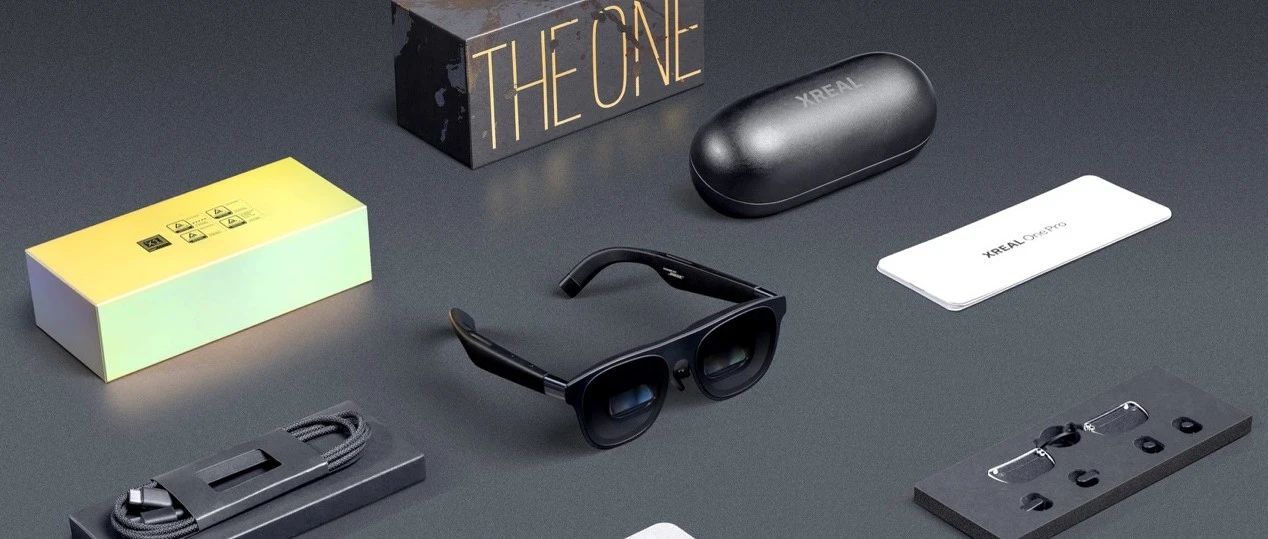
XREAL One Pro正式发布,创始人徐驰:希望能创造一款被历史记住的产品
IPO早知道· 2025-07-23 04:44
Core Viewpoint - XREAL has launched its new flagship product, XREAL One Pro, which aims to redefine the consumer-grade AR glasses experience, showcasing significant advancements in performance, display, and interaction capabilities [2][4]. Product Launch and Market Performance - XREAL One Pro is now available for pre-order on platforms like JD.com and Tmall, with over 26,000 online reservations on the launch day [2]. - In 2024, XREAL One achieved a global shipment of over 10,000 units within 45 hours, generating sales exceeding 10 million yuan [5]. - XREAL has maintained its position as the global sales leader in the AR sector for three consecutive years, with a market share in 2024 that surpasses the combined total of its second, third, and fourth competitors [2]. Technological Advancements - The XREAL One Pro features a groundbreaking 57-degree field of view (FoV), setting a new benchmark for consumer-grade AR glasses [7]. - The new X Prism optical engine technology, developed in-house, utilizes PIR total reflection optical principles to enhance visual clarity and expand the viewing area by over 63% compared to the previous model [7]. - The device incorporates the X1 spatial computing chip, which addresses critical issues such as power distribution, latency control, and bandwidth optimization, achieving a low latency of 3 milliseconds [7][8]. User Experience and Compatibility - XREAL One Pro supports seamless connectivity with various devices, including Windows PCs, Android phones, Macs, iPhones, and Steam Decks, enhancing multitasking capabilities for users [8]. - The product is designed to provide an optimal experience in both work and entertainment settings, as stated by the CEO [8]. Awards and Recognition - XREAL has been recognized as the most innovative company in the XR field by Fast Company and is the only Chinese company to receive this honor [10]. - The X1 chip has won the 2025 Edison Award Gold and has received accolades for innovative product design, including the Red Dot Design Award and iF Design Award [10]. Future Developments - XREAL is collaborating with Google on the Project Aura, a next-generation smart glasses project that will feature the X1S chip, specifically designed for the Android XR platform [15][18]. - Project Aura is expected to launch in 2026 and aims to set a new technical standard for smart glasses within the Android XR ecosystem [18]. - The company envisions creating a significant new industry ecosystem, potentially worth trillions, through advancements in smart glasses technology [18].