Beauty and Personal Care

Search documents
COTY ALERT: Ongoing Investigation Into Coty Inc. - Contact Levi & Korsinsky
TMX Newsfile· 2026-03-02 06:02
Core Insights - Coty Inc. has reported a significant quarterly loss of $126.9 million, which is an outlier in the beauty and personal care sector that has generally shown resilient consumer demand [2] - The company's like-for-like revenue declined approximately 3%, contrasting with previous guidance of low-single-digit growth, and the earnings per share (EPS) missed consensus estimates by 22%, indicating a substantial gap between public outlook and internal performance [2][3] Financial Performance - Coty's quarterly loss of $126.9 million is notable compared to peers like Estée Lauder, L'Oréal, and Shiseido, which reported stable or improving margins [2] - The EPS shortfall places Coty among the widest negative earnings surprises in the mid-cap consumer space for the reporting period [2] Strategic Changes - Coty has withdrawn its full-year FY 2026 guidance and introduced a new turnaround strategy called "Coty. Curated." under interim CEO Markus Strobel, focusing on core brands [3] - The simultaneous retraction of forward-looking targets and the introduction of a restructuring plan has led to a negative reaction from investors and analysts [3] Management Communication - Prior to the earnings announcement, Coty's management expressed optimism about the second quarter, with CEO Sue Nabi indicating expectations to be at the "more favorable end of our guidance range" [4] - The contrast between this optimistic characterization and the actual reported loss has drawn scrutiny from stakeholders [4]



Oddity Tech .(ODD) - 2025 Q4 - Earnings Call Transcript
2026-02-25 14:30
Oddity Tech (NasdaqGM:ODD) Q4 2025 Earnings call February 25, 2026 08:30 AM ET Speaker7Good morning, welcome to ODDITY's fourth quarter 2025 earnings conference call. Today's call is being recorded, and we have allocated time for prepared remarks and Q&A. At this time, I'd like to turn the conference over to Maria Liakouras, Investor Relations for ODDITY. Thank you. You may begin.Speaker6Thank you, operator. I'm joined by Oran Holtzman, ODDITY's Co-founder and CEO, and Lindsay Drucker Mann, ODDITY's Global ...

Levi & Korsinsky Investigating Whether Coty Inc. (COTY) Misled Investors - Securities Law Violations Possible
TMX Newsfile· 2026-02-24 21:10
New York, New York--(Newsfile Corp. - February 24, 2026) - Levi & Korsinsky notifies investors that it has commenced an investigation into Coty Inc. ("Coty Inc.") (NYSE: COTY) concerning potential violations of the federal securities laws.Coty's quarterly loss stands out within the global beauty and personal care sector, an industry that has generally posted resilient consumer demand over the past two years. Peers such as Estée Lauder, L'Oréal, and Shiseido reported stable or improving margins in their mos ...

Naples Soap Company Named 2026 Clean Beauty Awards Finalist
TMX Newsfile· 2026-02-20 14:00
Fort Myers, Florida--(Newsfile Corp. - February 20, 2026) - Naples Soap Company (OTCQB: NASO), a company that specializes in clean beauty skin, hair, and wellness products, is proud to announce that its Niacinamide Radiance Face Toner Mist has been recognized as a 2026 finalist in the Toner/Mist category by the Clean Beauty Awards.The Clean Beauty Awards honor standout products that meet rigorous standards for ingredient safety, formulation integrity, and performance. Being named a finalist places Naples S ...

Bath & Body Works starts selling on Amazon as more brands embrace its logistics network
CNBC· 2026-02-20 11:30
Core Insights - Bath & Body Works has launched its first authorized brand storefront on Amazon, making popular products available for Prime members, which enhances accessibility for U.S. consumers [1][2] - Amazon dominates the U.S. online beauty and personal care market with a 47% share, significantly ahead of Sephora at 9%, indicating a strategic move for Bath & Body Works to tap into this large market [2] - The partnership with Amazon is part of Bath & Body Works' broader strategy to expand customer access points, which also includes selling products in over 1,000 college campus stores [2] Company Strategy - CEO Daniel Heaf, who joined Bath & Body Works in May, has outlined a "consumer-first formula" aimed at achieving profitable and sustainable growth through innovation, brand revitalization, marketplace competitiveness, and operational efficiency [3] - The Amazon partnership is described as a significant milestone in the company's strategy for the fiscal year, aiming to reclaim brand presence on the platform after previously relying on third-party resellers [4]



Here’s What Analysts Are Saying About Coty Inc. (COTY)
Yahoo Finance· 2026-02-19 15:03
Core Viewpoint - Coty Inc. is currently viewed as a promising luxury stock, despite recent price target reductions by multiple financial institutions, indicating a transitional phase for the company under new leadership [1][2]. Group 1: Price Target Adjustments - Berenberg reduced Coty Inc.'s price target to EUR 2.55 from EUR 3.62 while maintaining a Hold rating [1]. - RBC Capital lowered its price target to $8 from $10 but kept an Outperform rating, noting that the company exceeded organic sales expectations this quarter [1]. - Morgan Stanley cut its price target to $3.50 from $4.25 while maintaining an Equal Weight rating, highlighting that the fiscal Q2 results were below expectations and the withdrawal of FY26 guidance was a significant negative factor [2]. Group 2: Company Overview - Coty Inc. operates a diverse portfolio of luxury brands in color cosmetics, fragrance, and skin and body care, including well-known names like Gucci, Marc Jacobs, and Kylie Cosmetics [3]. - The company's mass beauty products are distributed through various channels, including supermarkets, drugstores, and e-commerce platforms [3].
Klaiyi Hair Launches 2026 Tax Refund Wig Sale and Free AI Virtual Wig Try-On
Globenewswire· 2026-02-13 13:30
NEW YORK, Feb. 13, 2026 (GLOBE NEWSWIRE) -- Klaiyi Hair, a leading global brand in premium human hair wigs and bundles, officially announces its 2026 Tax Refund Sale, offering shoppers multiple chances to save throughout February and March. With sitewide discounts, tiered savings, and innovative technology, Klaiyi invites customers to refresh their look this tax season with confidence and convenience. The Tax Refund Sale is divided into three strategic phases, ensuring customers don’t miss out on exclusive ...
Levi & Korsinsky Investigates Possible Securities Fraud by Coty Inc. (COTY)
TMX Newsfile· 2026-02-11 18:19
Core Insights - Coty Inc. reported a quarterly loss of $126.9 million, which is a significant outlier in the beauty and personal care sector, where competitors like Estée Lauder, L'Oréal, and Shiseido have shown stable or improving margins [2] - The company's like-for-like revenue declined approximately 3%, contrasting with previous guidance of low-single-digit growth, and the earnings per share (EPS) missed consensus estimates by 22%, indicating a substantial gap between public expectations and internal performance [2][3] - Coty has withdrawn its full-year FY 2026 guidance and introduced a new turnaround strategy called "Coty. Curated." under interim CEO Markus Strobel, which aims to refocus on core brands [3] Company Performance - The reported loss of $126.9 million places Coty among the widest negative earnings surprises in the mid-cap consumer space for the reporting period [2] - Prior to the earnings announcement, management had expressed optimism about the second quarter, expecting to be at the "more favorable end of our guidance range," which contrasts sharply with the actual reported loss [4] Strategic Changes - The introduction of the "Coty. Curated." strategy coincided with the withdrawal of forward-looking targets, leading to a negative reaction from investors and analysts [3]

Calvin McDonald Named CEO of The Wella Company
Yahoo Finance· 2026-02-11 13:00
As speculation continues to swirl over a potential Wella IPO, the company has made a big executive appointment. Former Lululemon boss Calvin McDonald has been named the company’s next chief executive officer, effective April 2. He will also be appointed to the company’s board of directors and will be based in New York. More from WWD Glenn Murphy, who has been helping the company in the interim, will remain executive chair. Murphy said of McDonald: “As a three-time CEO, he brings decades of experience a ...
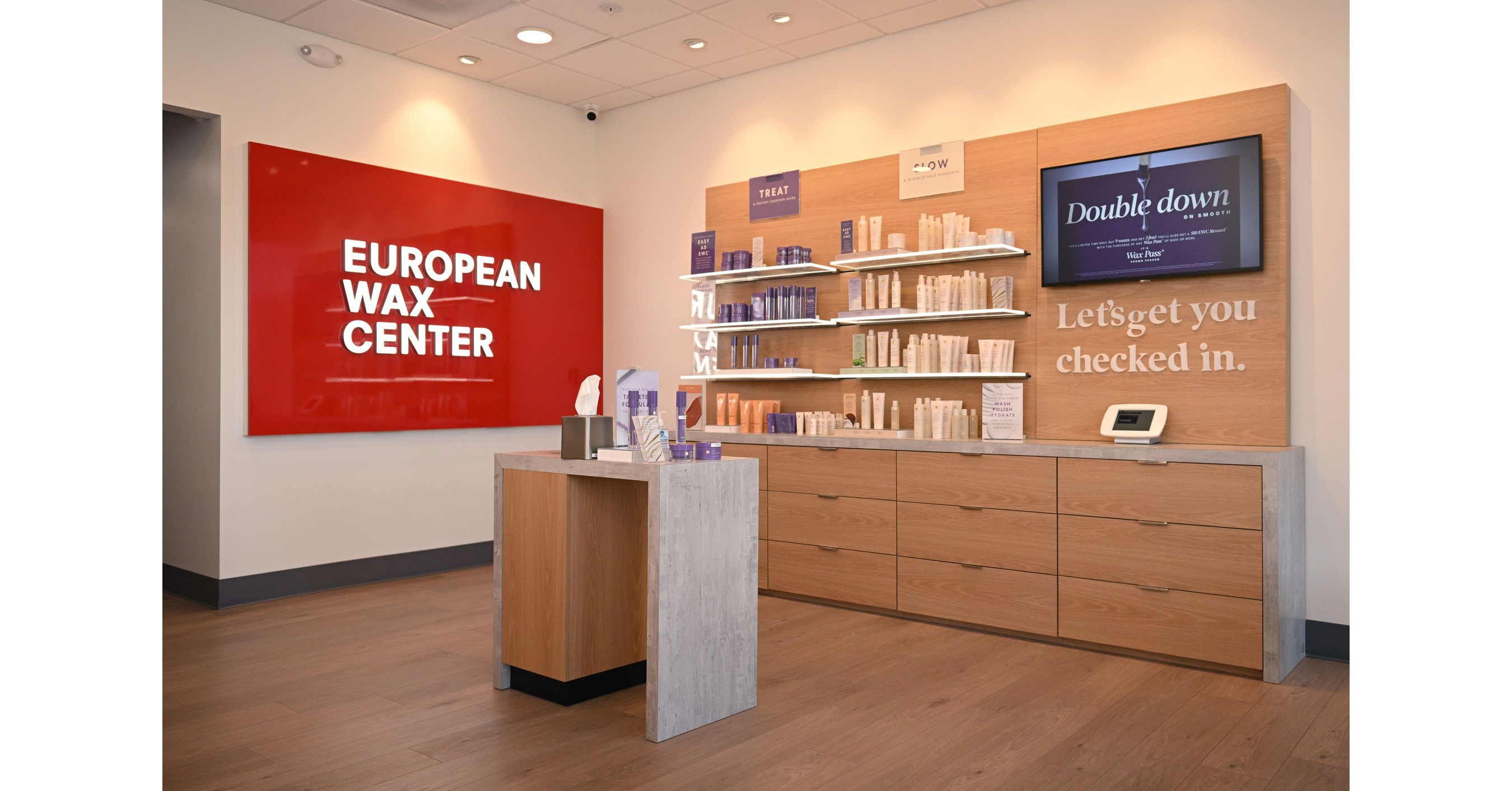
European Wax Center, Inc. (NASDAQ:EWCZ) Faces Investigation Amid Acquisition Offer
Financial Modeling Prep· 2026-02-11 09:03
Core Insights - European Wax Center, Inc. (EWCZ) is a significant entity in the beauty and personal care sector, focusing on hair removal services through a franchise model [1] - The stock is currently trading at $5.72, closely matching a cash offer of $5.80 per share from General Atlantic, with an ongoing investigation into the fairness of this sale [2][5] - EWCZ's stock has experienced a notable 43% increase recently, reflecting heightened market interest [2][5] Stock Performance - The stock has shown volatility, trading between $5.71 and $5.75 on the current day, with a yearly high of $7.60 and a low of $2.72, indicating significant fluctuations [3] - The market capitalization of EWCZ is approximately $318 million, with a trading volume of 11.68 million shares, suggesting strong investor engagement [4] Investigation and Implications - Halper Sadeh LLC is investigating the sale to General Atlantic to ensure a fair price for shareholders, which is critical given the stock's recent performance [2][4][5] - The outcome of this investigation may have substantial implications for EWCZ's shareholders and the proposed transaction [4]