互联网平台

Search documents
税收大数据透露我国数实融合发展态势良好
Zheng Quan Ri Bao Wang· 2025-12-27 01:25
Group 1 - The core point of the article emphasizes the deep integration of the digital economy and the real economy as a key component in building a modern industrial system and promoting high-quality development [1][2] - Data from the National Taxation Administration indicates that the digital economy has maintained rapid development this year, with significant improvements in digital industrialization and substantial investments in industrial digitization [1][2] - The sales revenue of core industries in the digital economy increased by 10% year-on-year in the first 11 months, outpacing the overall growth rate of enterprises in the country [1][2] Group 2 - Manufacturing enterprises have increased their investment in digital transformation, with the amount spent on digital technology procurement rising by 11.2% year-on-year in the first 11 months [2] - New business models driven by data elements have flourished, with sales revenue from these new models growing by 6.3% year-on-year [2] - The National Taxation Administration plans to continue implementing tax incentives to support technological innovation, facilitating the digital transformation of enterprises and promoting the deep integration of the digital and real economies [2]
平台企业反内卷迈出重要一步
第一财经· 2025-12-26 13:29
Core Viewpoint - The article discusses the newly released "Internet Platform Pricing Behavior Rules" aimed at regulating pricing practices in the platform economy, promoting healthy development and fair competition among platform operators [3][4]. Group 1: Overview of the New Rules - The "Behavior Rules" consist of 7 chapters and 29 articles, prohibiting practices such as predatory pricing, price discrimination, collusion to raise prices, price fraud, and price gouging [3]. - The rules aim to clarify the "red lines" and "bottom lines" for competition, ensuring a transparent and collaborative platform ecosystem [3][4]. Group 2: Specific Regulations for Platform Operators - The rules require platform operators to standardize their pricing behavior, protect the autonomy of pricing for operators, and disclose rules regarding differential pricing, dynamic pricing, and bidding rankings [4]. - There are specific requirements for clear pricing, including the need for transparent promotional rules and the prohibition of unreasonable restrictions on pricing behavior by platform operators [4]. Group 3: Consumer Protection Measures - The rules implement a clear pricing system to enhance consumer rights, ensuring transparency in dynamic and differential pricing, and regulating automatic payments and renewals [4][5]. - The rules also address common promotional practices like "full reduction," "red envelopes," and "flash sales," mandating transparency to prevent misleading pricing tactics [5]. Group 4: Implementation Timeline - The "Behavior Rules" will take effect on April 10, 2026, allowing time for platform operators to align with the new regulatory requirements [5].


平台企业反内卷迈出重要一步
Di Yi Cai Jing· 2025-12-26 13:08
Core Viewpoint - The article discusses the introduction of the "Internet Platform Pricing Behavior Rules" aimed at regulating pricing practices in the platform economy, promoting transparency, and protecting consumer rights [1][2][3] Group 1: Regulatory Framework - The "Behavior Rules" consist of 7 chapters and 29 articles, outlining the pricing behavior that platform operators and internal operators must adhere to [1] - Prohibited practices include predatory pricing, price discrimination, collusion to raise prices, price fraud, and price gouging, establishing clear boundaries for competition [1] - The rules aim to create a healthy platform ecosystem by enhancing transparency and collaboration among stakeholders [1] Group 2: Pricing Practices - The rules require platform operators to standardize their pricing practices, protect their autonomy in pricing, and publicly disclose rules related to differential pricing, dynamic pricing, and promotional activities [2] - Specific requirements include clear pricing displays, publicizing subsidy and promotional rules, and ensuring that platform operators do not impose unreasonable restrictions on internal operators' pricing [2] - The rules address common issues such as misleading pricing and excessive price competition among operators, aiming to mitigate these problems [3] Group 3: Implementation Timeline - The implementation date for the "Behavior Rules" is set for April 10, 2026, allowing time for platform operators to comply with the new regulations [3] - During the period leading up to implementation, regulatory bodies will conduct self-assessments with major platform operators to ensure adherence to the new requirements [3]
速度,700公里/小时!增长,14.3%!多角度感受中国经济多元活力与澎湃动能
Yang Shi Wang· 2025-12-26 04:22
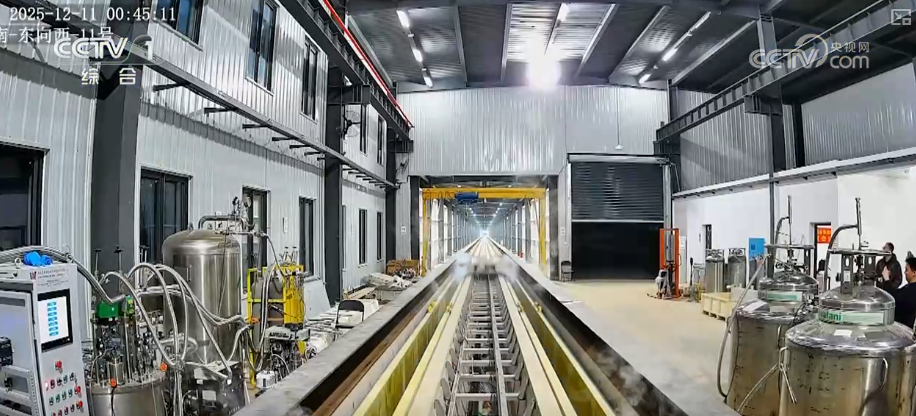
Group 1 - The National University of Defense Technology's maglev team achieved a world record by accelerating a ton-level test vehicle to 700 kilometers per hour within two seconds, marking the fastest superconducting electric maglev test speed globally [1] - This breakthrough overcame core technical challenges in ultra-high-speed electromagnetic propulsion, electric suspension guidance, transient high-power energy storage inversion, and high-field superconducting magnets, positioning China as a leader in the ultra-high-speed maglev field [3] - The successful test provides new options for the future development of vacuum tube maglev transportation in China and offers new methods for aerospace launch and testing [3] Group 2 - In the first eleven months of 2025, the sales revenue of digital technology applications, primarily driven by AI models, big data, and IoT, increased by 14.3%, with internet-related services and IT services both maintaining over 15% growth [5] - There has been a significant increase in industrial digitalization investments, with procurement of digital technologies in automotive manufacturing, general equipment manufacturing, and computer communication and other electronic equipment manufacturing rising by 25.5%, 19.7%, and 13.3% respectively [8] - The sales revenue driven by digital factors grew by 6.3% in the first eleven months of 2025, with internet platforms related to new business models like food delivery and ride-hailing seeing a 16.2% increase, and internet retail and supply chain management services maintaining double-digit growth [10]
我国数实融合发展态势良好
Xin Lang Cai Jing· 2025-12-25 19:22
Group 1 - The digital economy's core industries saw a sales revenue increase of 10% year-on-year in the first 11 months of this year, significantly outpacing the overall growth rate of national enterprises [1] - Sales revenue in intelligent manufacturing sectors, such as smart device manufacturing and electronic components manufacturing, grew by 28.2% and 10.9% respectively [1] - Revenue from digital technology applications, including AI models, big data, and IoT, increased by 14.3%, with internet-related services and IT services growing by 16.1% and 15.2% respectively [1] Group 2 - The procurement of digital technologies by manufacturing enterprises increased by 11.2% year-on-year in the first 11 months, indicating a significant investment in digital transformation [1] - Specific sectors such as automotive manufacturing, general equipment manufacturing, and computer communication saw procurement growth of 25.5%, 19.7%, and 13.3% respectively [1] - The sales revenue driven by digital factors grew by 6.3% year-on-year, with internet platforms for new business models like online freight and food delivery increasing by 16.2% [2] - Internet retail and supply chain management services, including live e-commerce and instant retail, saw sales revenue growth of 11.9% and 24.7% respectively [2] - The tax authority plans to continue implementing tax incentives to support technological innovation, facilitating the digital transformation of enterprises [2]
税收数据显示:我国数实融合发展态势良好
Xin Hua Wang· 2025-12-25 08:17
Core Insights - The digital economy in China has shown rapid growth this year, with significant improvements in digital industrialization and substantial investments in digital transformation [1] Group 1: Digital Industrialization - The sales revenue of core digital economy industries increased by 10% year-on-year in the first 11 months, outpacing the overall growth rate of enterprises in the country [1] - Sales revenue in intelligent manufacturing sectors, such as smart device manufacturing and electronic components manufacturing, grew by 28.2% and 10.9% respectively [1] Group 2: Investment in Digital Transformation - Manufacturing enterprises increased their investment in digital technologies, with procurement amounts rising by 11.2% year-on-year in the first 11 months [1] - Specific sectors like automotive manufacturing, general equipment manufacturing, and computer communication and other electronic equipment manufacturing saw procurement growth of 25.5%, 19.7%, and 13.3% respectively [1] Group 3: New Business Models Driven by Data - Sales revenue driven by data elements grew by 6.3% year-on-year in the first 11 months [1] - Internet platforms, including those for online freight, food delivery, and ride-hailing, experienced a sales revenue increase of 16.2% [1] - Internet retail and supply chain management services, including live e-commerce and instant retail, saw sales revenue growth of 11.9% and 24.7% respectively [1]
税收数据显示:我国数实融合快速发展 数字产业化水平明显提升
Xin Hua Cai Jing· 2025-12-25 06:14
Core Insights - The integration of digital economy and real economy is a key aspect of building a modern industrial system, with tax authorities utilizing big data from value-added tax invoices to track the development of this integration in China [1][2] Group 1: Digital Economy Growth - The digital economy's core industries saw a sales revenue increase of 10% year-on-year in the first 11 months of this year, significantly outpacing the overall growth rate of enterprises in the country [1] - Sales revenue in the smart manufacturing sector, including intelligent equipment manufacturing and electronic components, grew by 28.2% and 10.9% year-on-year, respectively [1] - The digital technology application sector, driven by AI models, big data, and IoT, experienced a sales revenue increase of 14.3%, with internet-related services and IT services growing by 16.1% and 15.2% year-on-year [1] Group 2: Investment in Digital Transformation - Investment in digital transformation within the manufacturing sector increased, with the amount spent on digital technology by manufacturing enterprises rising by 11.2% year-on-year in the first 11 months [1] - Specific sectors such as automotive manufacturing, general equipment manufacturing, and computer communication saw significant increases in digital technology procurement, with growth rates of 25.5%, 19.7%, and 13.3% respectively [1] Group 3: New Business Models - The sales revenue driven by digital factors grew by 6.3% year-on-year, with internet platforms covering new business models like online freight, food delivery, and ride-hailing increasing by 16.2% [2] - Internet retail and supply chain management services, including live e-commerce and instant retail, reported sales revenue growth of 11.9% and 24.7% respectively [2] - The collaboration of digital industrialization, accelerated industrial digitalization, and the emergence of new business models is injecting digital momentum into the real economy, reinforcing the resilience of China's economic transformation [2]
税收数据显示,中国数实融合发展态势良好
Zhong Guo Xin Wen Wang· 2025-12-25 05:29
Core Insights - The integration of digital economy and real economy in China is showing strong development, with significant improvements in digital industrialization and substantial investments in digitalization, driving high-quality economic growth [1][2] Group 1: Digital Economy Growth - In the first 11 months of this year, the sales revenue of core digital economy industries increased by 10% year-on-year, outpacing the overall growth rate of enterprises in the country [1] - Sales revenue in intelligent manufacturing sectors, such as smart device manufacturing and electronic components manufacturing, grew by 28.2% and 10.9% respectively [1] - Revenue from digital technology applications, primarily driven by AI models, big data, and IoT, rose by 14.3%, with internet-related services and IT services increasing by 16.1% and 15.2% respectively [1] Group 2: Investment in Digitalization - The amount spent by manufacturing enterprises on digital technology increased by 11.2% year-on-year in the first 11 months [2] - Specific sectors such as automotive manufacturing, general equipment manufacturing, and computer communication saw increases in digital technology procurement of 25.5%, 19.7%, and 13.3% respectively [1][2] Group 3: New Business Models - Sales revenue from internet platforms, which include new business models like online freight, food delivery, and ride-hailing, grew by 16.2% [2] - Internet retail and supply chain management services, including live e-commerce and instant retail, saw sales revenue growth of 11.9% and 24.7% respectively [2] Group 4: Policy Support - The State Taxation Administration plans to continue implementing tax and fee incentives to support technological innovation and promote the deep integration of the digital economy with the real economy [2]
今年以来我国数实融合发展态势良好 一组数据带你看
Di Yi Cai Jing· 2025-12-25 03:50
Group 1 - The core industries of the digital economy saw a sales revenue growth of 10% year-on-year in the first 11 months of this year, significantly outpacing the overall growth rate of national enterprises [1] - Sales revenue in intelligent manufacturing sectors, such as smart device manufacturing and electronic components manufacturing, increased by 28.2% and 10.9% respectively [1] - The digital technology application sector, driven by AI models, big data, and IoT, experienced a sales revenue growth of 14.3%, with internet-related services and IT services growing by 16.1% and 15.2% respectively [1] Group 2 - The digital factor-driven industries recorded a sales revenue growth of 6.3% year-on-year in the first 11 months, with internet platforms for new business models like online freight, food delivery, and ride-hailing growing by 16.2% [2] - Internet retail and supply chain management services, including live e-commerce and instant retail, saw sales revenue growth of 11.9% and 24.7% respectively [2] - The collaboration of accelerated digital industrialization, faster industrial digital transformation, and the flourishing of new business models injects digital momentum into the real economy, reinforcing the resilience of China's economic transition [2]
丽江古城区旅拍协会:此前曾与小红书沟通现已放弃,计划起诉
新华网财经· 2025-12-25 03:47
Core Viewpoint - The tourism and cultural bureau of Lijiang, Yunnan, has publicly urged Xiaohongshu to enhance its information review and monitoring in the wedding photography sector, citing issues with false reviews and extortion that harm local businesses [4][6]. Group 1: Issues Raised - The Lijiang Cultural and Tourism Bureau claims that Xiaohongshu has not fulfilled its responsibility for information monitoring and management, leading to the spread of false reviews that threaten businesses with refund demands [4][6]. - The Lijiang Wedding Photography Industry Association reported that over 1 million yuan in refunds have occurred due to false reviews, with indirect losses exceeding 5 million yuan [5]. Group 2: Communication Attempts - The Lijiang Cultural and Tourism Bureau has attempted to contact Xiaohongshu through various means, including phone calls and emails, but has been unsuccessful [8]. - The bureau's deputy director expressed hope that public communication would facilitate contact with Xiaohongshu to address the issue effectively [9].