种植业

Search documents
如何让每一粒粮都“颗粒归仓”?记者探访“大国粮仓”第一线
Yang Shi Xin Wen· 2025-10-11 07:29
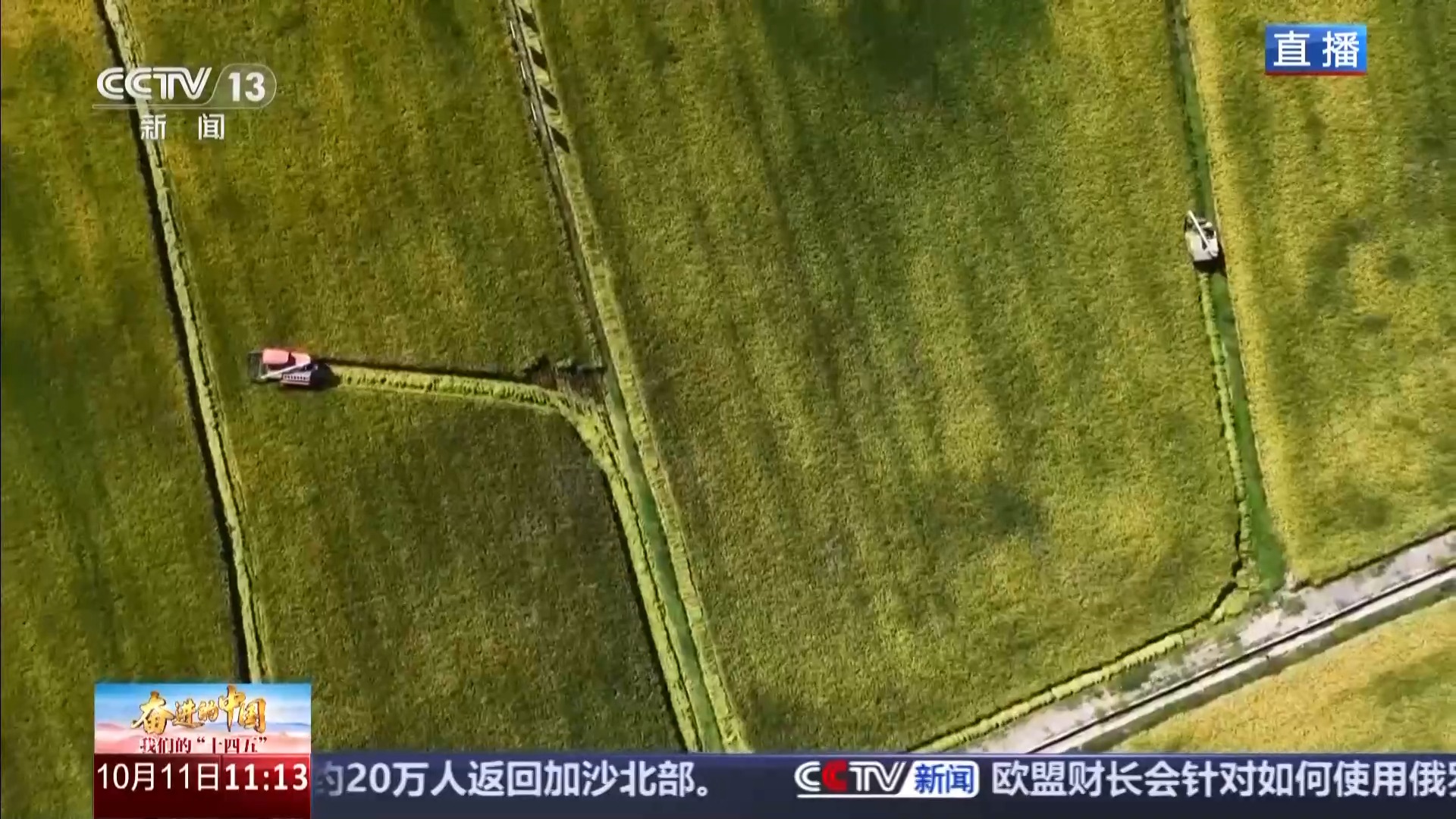
Core Insights - China's high-standard farmland area has exceeded 1 billion mu, with over half of the arable land capable of irrigation and drainage, ensuring that over 95% of the crop varieties used are domestically bred [1][3] Group 1: High-Standard Farmland - High-standard farmland is tailored to local conditions and crops, providing a flat terrain that facilitates the operation of harvesting machinery and reduces losses during harvesting [5][7] - The flatness of the farmland is crucial for rice production, as it minimizes height differences that can lead to uneven growth due to drought or flooding [5][7] - This type of farmland allows for quick irrigation and drainage, essential for managing water levels during different growth stages of rice [5][7] Group 2: Technological Empowerment - The "Guangde Model" showcases a comprehensive approach to increasing rice yield through technological advancements [8] - The introduction of high-quality seed varieties with high seed-setting rates and disease resistance is a key factor in yield improvement [10] - Innovative sowing techniques, such as "precision strip sowing," enhance seed efficiency and increase seedling survival rates [10] Group 3: Comprehensive Agricultural Services - Establishment of agricultural service centers provides full-process socialized services, ensuring efficient drying of harvested rice [12] - The entire process from seedling cultivation to mechanized harvesting is scientifically managed to guarantee quality and yield [12] - Nationwide, 702 counties are implementing large-scale yield enhancement actions for grain and oil crops, aiming to replicate the success of demonstration fields [14]

陕西“秋淋”超长待机 多地开展抢收抢种工作
Zhong Guo Xin Wen Wang· 2025-10-11 06:28
Core Insights - The article discusses the impact of prolonged rainy weather on autumn grain harvests in Shaanxi Province, China, and the measures taken to mitigate losses [1][2] Group 1: Weather Impact - Shaanxi Province is experiencing continuous rainy weather, referred to as "autumn rain," characterized by long duration, low sunlight, and limited dry days [1] - The onset of this year's "autumn rain" began on August 25, which is 18 days earlier than in previous years [1] Group 2: Harvest and Planting Progress - As of October 9, Shaanxi Province has harvested 10.3038 million acres of autumn grain, accounting for 34.46% of the expected area, and has sown 1.5974 million acres of wheat, representing 11.29% of the planned area [2] - The current harvest progress is nearly 30% slower than the same period last year, while the planting progress is about 20% slower compared to last year [2] Group 3: Agricultural Measures - Agricultural departments are closely monitoring the autumn grain production situation and have implemented measures such as securing storage capacity, credit funding, and personnel training [1] - The provincial agricultural department has released information on 535 fixed and 209 mobile grain drying facilities to assist farmers in timely harvesting and drying of autumn grain [1]
玉米秋收遇上阴雨天气 多地烘干厂开足马力
Yang Shi Xin Wen Ke Hu Duan· 2025-10-11 06:15
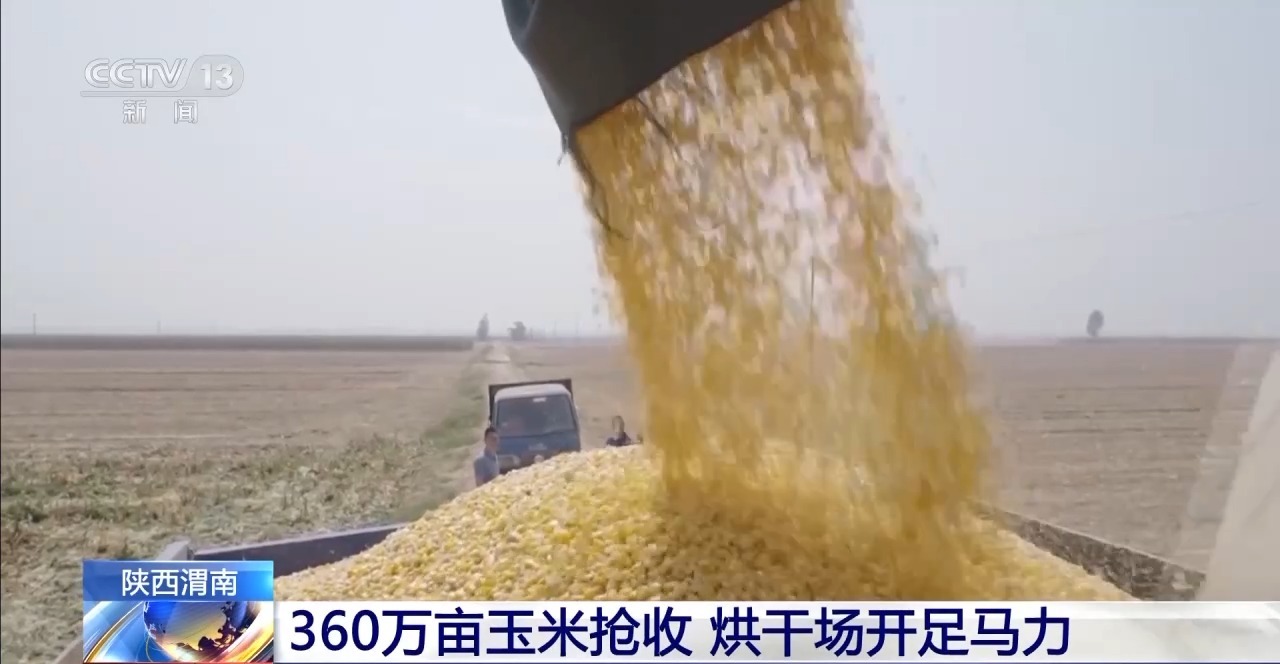
根据农情调度,目前全国秋粮收获过四成。中稻已收获过五成,玉米已收获过四成,大豆已收获四成半,双季晚稻陆续开镰。全国秋收工作进入关键阶段。 同时,伴随寒露到来,黄淮海冬小麦陆续进入适播期。 近期,农业农村部已派出4个工作组分别赴河南、安徽、江苏、山东一线,开展"三秋"生产指导服务。 陕西渭南:360万亩玉米抢收 烘干场开足马力 今年,渭南市玉米种植面积360万亩左右,截至10月9日,已收获70多万亩,接近总面积的20%。 山东临清:开辟玉米晾晒区 雨后抢烘保归仓 为了保障雨后秋粮能够安全入库,在山东省临清市,当地依托购销企业,为农户提供收购和烘干服务。此外还开辟了多处粮食晾晒区,确保秋粮颗粒归仓。 在临清市戴湾镇,购销企业的工作人员在雨中抓紧将农户的玉米转移到烘干设备里。为了提升效率,这家企业配套研发了粮食智能脱水预处理设备,在玉米 集中收获期,可将鲜玉米棒的含水率精准降至入库标准。 今年秋收期间,陕西渭南出现了连阴雨天气,给玉米收割与晾晒带来较大困难。当地在天气转晴的时候加紧收割,同时,烘干厂也开足马力,全力保障秋粮 抢收。 在渭南市大荔县的玉米地里,收割机正在加紧作业,玉米棒采收、秸秆粉碎、脱粒一次性完成。 ...
科技赋能+产业帮扶,助力连山小黄姜产业破局升级
Nan Fang Nong Cun Bao· 2025-10-11 03:48
太保镇旺洞村是连山小黄姜的核心产区,出产的小黄姜品质优良,年亩产达1万斤,是当地农民重要的收入来源。然而,近 年来姜瘟病导致土地无法连续耕种的问题日益突出,严重制约了产业规模的扩大和姜农的种植积极性,成为乡村振兴路上 亟待破解的现实难题,也是"百千万工程"着力推动解决的典型瓶颈。 面对制约特色农业发展的"卡脖子"难题,省"百千万工程"帮扶协作驻连山工作队充分发挥桥梁纽带作用,积极践行"百千万 工程"科技赋能、精准帮扶的工作理念,主动对接省级农业科技资源,邀请广东省农业科学院专家组成的技术团队赴连山专 题调研指导小黄姜"连作障碍"(即姜瘟病导致无法连种)问题。 调研组一行实地走访昌国旺洞小黄姜种植专业合作社,专家们详细听取生姜从种植、保存、加工到销售产业链全过程中遇 到的困难,了解姜瘟病的发病规律、危害程度及传统防治方法的局限性,并采集了病株与土壤样本,为精准诊断病因、研 发高效治理方案奠定了坚实基础。 9月26日,连山县委副书记、省"百千万工程"帮扶协作驻连山工作队队长、乡村振兴驻上帅镇帮镇扶村工作队队长伍洁星, 副县长、广清指挥部驻连山工作队队长、省"百千万工程"帮扶协作驻连山工作队副队长吴远茂亲自带领由广 ...
希望的田野上“链”出新“丰”景 茅山镇书记项目结出累累硕果
Zhen Jiang Ri Bao· 2025-10-10 22:42
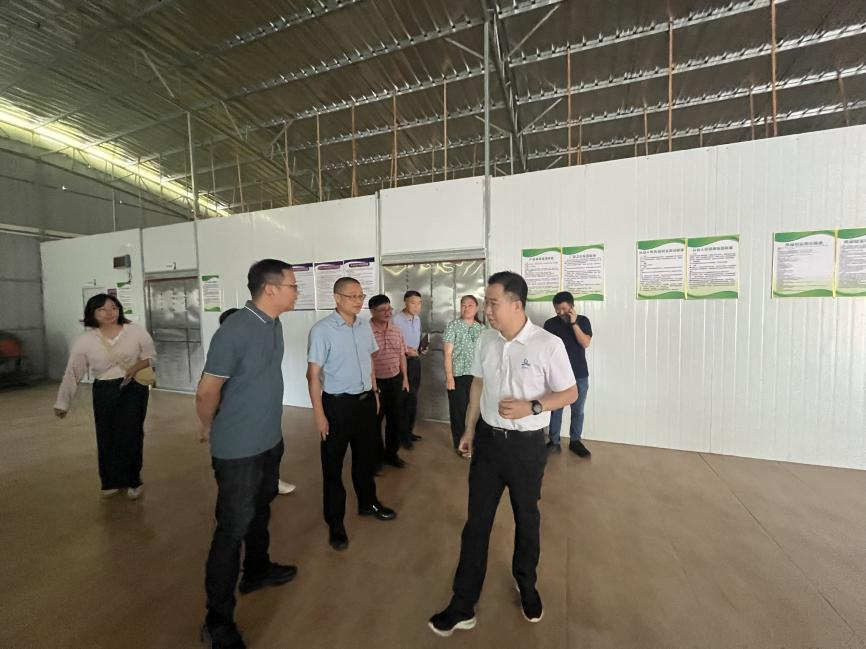
Core Insights - The article highlights the successful implementation of a "Party Building Chain" that integrates with the agricultural industry chain in Maoshan Town, leading to significant economic benefits for local farmers and contributing to rural revitalization [1][2][3] Group 1: Agricultural Development - Maoshan Town has seen a fruitful harvest this autumn, with various crops like grapes, corn, and rice performing well, attributed to the innovative "Party Building Chain" that connects party organizations with agricultural production [1][2] - The establishment of a full industrial chain for fresh corn in Caimen Village has generated an additional income of 700,000 yuan for the collective, showcasing the economic impact of integrating party leadership with agricultural practices [2] - Dongxia Village has successfully formed a rice production and sales chain, with collective revenue expected to exceed 1.5 million yuan this year, demonstrating the effectiveness of the "Party Building Chain" in enhancing agricultural productivity [2] Group 2: Technological Innovation - The introduction of new agricultural technologies and varieties has revitalized traditional crops, such as the implementation of smart greenhouses for grape cultivation, which will cover 2,000 acres this year [4][5] - Caimen Village has collaborated with agricultural research institutions to improve corn quality, achieving high standards for fresh corn and addressing challenges related to taste and climate [5][6] - The establishment of a premium mulberry picking garden and the development of new mulberry varieties have been initiated to enhance the value of mulberry production in Dingjiabian Village [6] Group 3: Community and Party Engagement - The integration of party activities with agricultural services has strengthened community ties and improved service delivery, with initiatives like the "Party Member Assistance Team" providing over 100 technical support sessions annually [7] - The establishment of a service model combining party branches, cooperatives, enterprises, and farmers has led to a 10% increase in mulberry purchase prices in Dingjiabian Village [7] - The creation of a grain drying center in Dongxia Village has enhanced the rice industry chain and increased collective income, reflecting the positive impact of community-driven initiatives [7]
河南秋收已达七成
Xin Hua Cai Jing· 2025-10-10 08:41
Core Insights - As of October 8, 2023, Henan Province has harvested 82.65 million acres of autumn crops, with grain crops accounting for 53.74 million acres, achieving a progress rate of 70% [1] - Corn has been harvested on 44.2 million acres, representing 76% of the planted area, while peanuts have been harvested on 1.385 million acres, accounting for 70% of the planted area [1] - The harvesting progress varies by city, with Kaifeng, Puyang, Nanyang, and Shangqiu exceeding 80%, while Xinyang, Zhoukou, Pingdingshan, and Luohe surpass 70% [1] Agricultural Operations - Continuous rainy weather has negatively impacted the autumn harvest, prompting local authorities to take swift action [1] - The Henan agricultural and rural system has established a 24-hour service hotline for "Three Autumns" agricultural machinery operations to provide farmers and machinery operators with operational information and maintenance consultations [1] - Efforts are being made to coordinate and resolve related issues promptly to ensure effective harvesting operations [1]
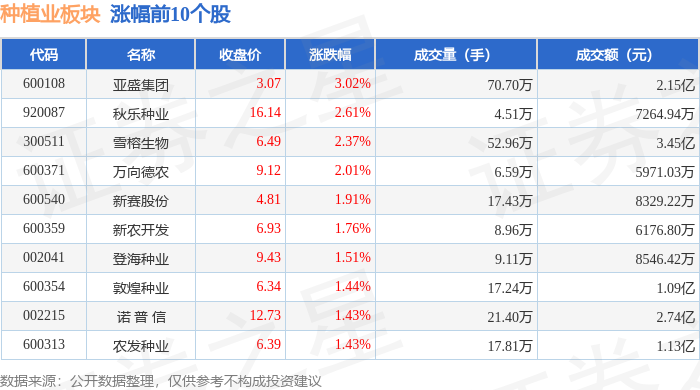
种植业板块10月10日涨1.14%,亚盛集团领涨,主力资金净流出2851.95万元
Zheng Xing Xing Ye Ri Bao· 2025-10-10 08:39
Core Insights - The planting industry sector rose by 1.14% on October 10, with Yasheng Group leading the gains [1] - The Shanghai Composite Index closed at 3897.03, down 0.94%, while the Shenzhen Component Index closed at 13355.42, down 2.7% [1] Sector Performance - Yasheng Group (600108) closed at 3.07, up 3.02% with a trading volume of 707,000 shares and a transaction value of 215 million [1] - Qiu Le Seed Industry (920087) closed at 16.14, up 2.61% with a trading volume of 45,100 shares and a transaction value of 72.65 million [1] - Snow Orange Biology (300511) closed at 6.49, up 2.37% with a trading volume of 529,600 shares and a transaction value of 34.5 million [1] - Wanxiang Deno (600371) closed at 9.12, up 2.01% with a trading volume of 65,900 shares and a transaction value of 59.71 million [1] - New Sai Co. (600540) closed at 4.81, up 1.91% with a trading volume of 174,300 shares and a transaction value of 83.29 million [1] Capital Flow - The planting industry sector experienced a net outflow of 28.52 million from institutional funds and 35.88 million from speculative funds, while retail investors saw a net inflow of 64.40 million [1] - Major stocks like Beidahuang (600598) had a net inflow of 14.24 million from institutional funds, while it faced a net outflow of 1.31 million from retail investors [2] - Wanxiang Deno (600371) saw a net inflow of 7.06 million from institutional funds, with a net outflow of 5.07 million from retail investors [2]

镜头丨金秋时节“晒秋”忙
Zhong Yang Ji Wei Guo Jia Jian Wei Wang Zhan· 2025-10-10 08:05
眼下进入秋粮收获季节,农民们紧抓晴好天气,将收获的辣椒、稻谷、玉米等农作物铺晒在屋前屋后。斑斓的色彩与田园风光融为一体,一张张笑脸传递着 丰收的喜悦。 秋高气爽,在浙江省永康市芝英古城,村民们利用房前屋后及庭院开展"晒秋粮、庆丰收"活动,刚收获的农作物晾晒在晒架上,五彩斑斓吸引不少市民前来 游览。(浙江省永康市纪委监委供 张汉平 摄) 江西省宁都县的村民们趁着晴好天气,晾晒收获归仓的稻谷,空气中洋溢着丰收的喜悦。(江西省宁都县纪委监委供 严振宁 摄) 广西壮族自治区融水苗族自治县高寒山区的水稻喜获丰收,农民趁着晴好天气忙着抢收、晾晒,确保粮食颗粒归仓。图为该县村民在香粉乡雨卜苗寨晾晒稻 谷。(广西融水苗族自治县纪委监委供 龙林智 摄) 在贵州省毕节市大方县马场镇马场社区,群众趁着秋日晴朗天气,加紧进行辣椒采摘、分拣、晾晒等工作。(贵州省毕节市大方县纪委监委供 郝滨 摄) 在重庆市南川区黎香湖镇西湖村,乡村晒场上铺满金黄谷物,村民们忙碌劳作,蓝天白云与错落民居相互映衬,成为秋天里一道靓丽的风景。(重庆市 南川区纪委 罗川摄) 安徽省宣城市宣州区村民们以延续百年的晒秋传统迎接丰收,既晒出丰收果实与劳动甘甜,也彰显 ...

济南不少村玉米抢收超九成
Qi Lu Wan Bao· 2025-10-10 02:59
9日上午,济南市济阳区阴雨连绵,曲堤街道北街村的玉米地被一层薄雾裹着,乌云压得很低,淅淅沥沥的雨 滴砸在玉米叶上沙沙作响。 9日下午,在济阳区的永盛家庭农场,机器轰鸣,烘干好的玉米堆放在厂房内。据负责人崔乐海介绍,今年的 烘干作业比往年提前了五天,于9月20日开始运行。该农场的烘干设备采用循环式烘干塔,以天然气为燃 料,每天可处理240吨粮食,目前已累计收粮约5000吨,其中2000多吨已完成烘干。 崔乐海介绍,由于降雨,农民不得不提前抢收粮食,有些粮食水分高一些。为缓解农户压力,农场放宽了粮食 水分标准,允许将水分控制在20%以内短期存放。"自10月1日起,农场进入集中收粮期。"崔乐海称,现在农 场实行24小时连续作业,五六名员工两班倒,确保烘干设备不间断运转。 崔乐海说,往年这里一般能烘干3万吨以上的粮食,今年估计能达到5万吨,"受天气影响,村民的玉米晒不干, 就会送到我们这里来烘干。" 记者 杜春娜 见习记者 冯子芯 "我们村里共有玉米地600多亩,目前已经收了500多亩。"济阳区北街村党支部书记郭怀福介绍,90%以上 的玉米地已收割完成。"像这样的多雨天气,确实影响玉米的晾晒,如果晾晒不及时,玉米容易 ...
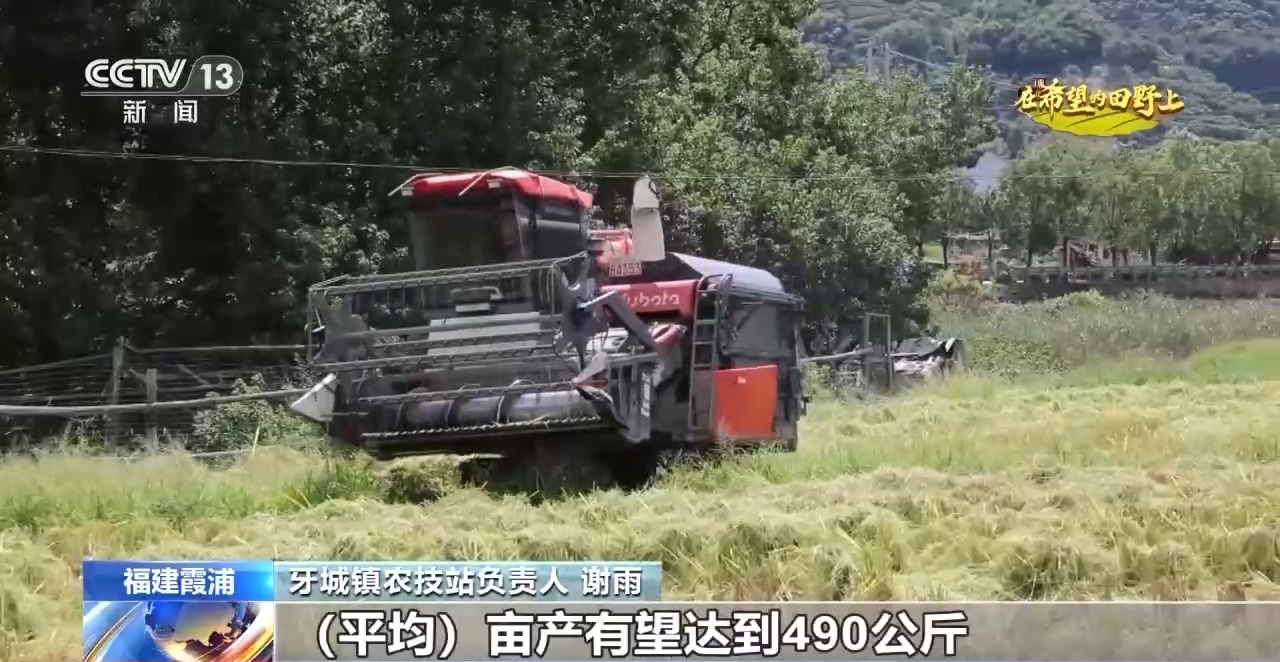
新品种、新技术、稻薯轮作……帮农民增产又增收
Yang Shi Xin Wen Ke Hu Duan· 2025-10-10 01:33
Group 1: Harvest Progress and Techniques - In Anhui, the autumn grain harvest is underway, with a focus on improving quality and efficiency, and over 40% of the harvest has been completed [1] - In Fujian's Ningde City, the rice harvest is nearing completion with an average yield of approximately 490 kg per mu, meeting expectations [2][4] - In Heilongjiang's Tongjiang City, both corn and rice are being harvested, with simultaneous autumn tillage to prepare for next year's planting [5][7] Group 2: Agricultural Innovations and Practices - Anhui is promoting high-yield, disease-resistant rice varieties and implementing order-based planting to ensure farmers' income [1] - Ningde is advancing full-chain mechanization in agriculture, including automated planting and harvesting technologies, enhancing overall efficiency [2][4] - The introduction of a "rice + potato" rotation model in Ningde aims to improve land utilization and increase farmer income [4] Group 3: Local Agricultural Management - In Anhui, the total area for autumn grain planting is 64.6962 million mu, with 11.628 million mu of early rice already harvested [1] - Tongjiang's local government is coordinating agricultural machinery to expedite the harvest and tillage process, ensuring a solid foundation for spring planting [7]