
银行理财

Search documents
【银行理财】利率风险管理迎重要突破,理财打新再添硕果——银行理财周度跟踪(2025.12.8-2025.12.14)
华宝财富魔方· 2025-12-17 09:29
Core Viewpoint - The article highlights significant advancements in the banking wealth management sector, particularly in interest rate risk management, and the ongoing innovations in wealth management products, including participation in IPOs and the introduction of new financial indices [3][6][10]. Regulatory and Industry Dynamics - Shanghai Clearing House has facilitated the entry of Xinyin Wealth Management and Bank of China Wealth Management as the first wealth management companies to obtain qualifications for centralized clearing of interest rate derivatives in the interbank market, marking a key breakthrough in interest rate risk management [3][6]. - This development allows wealth management companies to independently manage interest rate risks, enhancing the stability of product net values [6][9]. - The restructuring of the relationship between wealth management companies and their parent banks has transformed these companies into independent entities in the interbank interest rate derivatives market, allowing for greater operational autonomy [7][9]. Peer Innovation Dynamics - Ningyin Wealth Management and Xinyin Wealth Management have collectively acquired 42,300 shares of Muxi Co., marking their active participation in the IPO market [10]. - The regulatory environment has favored wealth management companies by granting them equal priority in IPO allocations as public funds, driving their engagement in the A-share and Hong Kong IPO markets [10][11]. - Wealth management companies are focusing on high-tech manufacturing sectors for new stock investments, aligning with national strategic goals and market preferences for high-growth assets [11]. Yield Performance - Cash management products recorded a 7-day annualized yield of 1.27%, a decrease of 1 basis point, while money market funds saw a slight increase to 1.17% [15]. - The bond market has experienced fluctuations, with yields initially declining before rising again due to market reactions to economic data and monetary policy expectations [16][17]. - The overall sentiment in the bond market is expected to remain subdued, with a likely continuation of a volatile pattern influenced by monetary policy and market risk preferences [17]. Net Value Tracking - The net value of bank wealth management products has seen a decrease in the breaking net rate to 2.64%, down 0.38 percentage points, indicating limited value for credit spreads [20]. - The current credit spread remains at historical lows, suggesting potential upward pressure on the breaking net rate if spreads continue to widen [20].


震荡行情下,平安理财的固收和固收+为何备受青睐?
Zhong Guo Zheng Quan Bao· 2025-12-16 22:20
Core Insights - The establishment of bank wealth management subsidiaries has become a stabilizing force for the financial assets of the public, primarily due to the trust that the public has in bank wealth management products [1] - In the current low-interest-rate environment, achieving expected returns through traditional bond yields is increasingly challenging, necessitating enhanced research and investment capabilities from wealth management companies [1] - The "industrialization + platformization" investment management model developed by Ping An Wealth Management aims to efficiently integrate internal and external resources and investment strategies, thereby enhancing long-term performance while controlling risks [1] Group 1 - The "strong trading + quantitative" dual-drive strategy is designed to enhance fixed income product returns while controlling net value drawdown to half that of similar public fund products [2] - The "Qiyuan Series," positioned at R2 medium-low risk, has demonstrated a 100% performance achievement rate with an average annualized return of 3.98% as of November 20, with specific products like "Qiyuan Strategy One-Year Open 5A" achieving a 2024 annualized return of 5.39% and a maximum drawdown of only -0.42% [2][3] - The "Qiyuan Strategy" employs a unique fixed income quantitative strategy that excels in volatile markets, allowing for rapid position reduction and risk hedging to control drawdowns and potentially achieve profits even in bear markets [3] Group 2 - Ping An Wealth Management maintains a strategic focus on enhancing returns while controlling drawdowns, with the "Qihang Enhanced Stable Income" series exemplifying this approach through diversified investment strategies [4] - The "Qihang Enhanced Stable Income" series has shown impressive performance, with net value growth rates significantly outperforming benchmarks, leading to increased investor interest and a rise in product scale to 2.678 billion [5] - The "solid + equity" wealth management products have gained popularity due to their strong performance in a recovering equity market, with the "Qiyuan Summer Tree" product achieving a top yield of 4.76% among similar products [6] Group 3 - The "Qiyuan Summer Tree" series enhances yield elasticity by integrating self-developed quantitative trading models and various strategies, allowing for effective capital gain opportunities in different market conditions [7] - The "Qiyuan Four Seasons" series aims for absolute returns by combining fixed income strategies with various asset strategies, ensuring a robust investment experience for investors seeking stability and growth [7] - The long-term vision of wealth management companies is to provide reliable returns that can withstand market cycles, aligning with the public's desire for safe and stable investment experiences [7]
沦为银行理财“打榜”工具?第三方估值争议再起
Di Yi Cai Jing Zi Xun· 2025-12-16 15:31
Core Viewpoint - The article discusses the ongoing transformation of bank wealth management products towards "true net value" amid regulatory pressures, highlighting the introduction of new third-party valuation tools and the resulting industry debate on their implications for fair value and investor protection [2][3][6]. Group 1: Regulatory Context - In December 2024, regulatory authorities mandated further standardization of bank wealth management product valuations, prohibiting practices like closing price adjustments and requiring comprehensive reforms by the end of 2025 [3]. - The regulatory changes aim to clarify boundaries for previously used technical methods that "modified" net value curves [3]. Group 2: Introduction of New Valuation Tools - Several wealth management subsidiaries are now exploring new third-party valuation tools, such as those provided by China Chengxin Index and China Bond Rating, to address the need for more stable valuations in the face of market volatility [3][4]. - The new valuation methods combine financial engineering, machine learning, and big data to balance short-term trading information with long-term credit value [3][4]. Group 3: Industry Perspectives - Supporters of the new valuation methods argue they can help mitigate cyclical fluctuations in the bond market and stabilize investor expectations, while critics express concerns about potential deviations from fair value and misuse for performance enhancement [2][6]. - The debate reflects the challenges faced by the banking wealth management sector as it deepens its transition towards true net value [2][8]. Group 4: Technical Features of New Valuation Methods - The new valuation approach emphasizes three key features: increasing the weight of actual transaction prices after significant monetary policy changes, selecting optimal credit-rated entities for curve construction, and using historical transaction prices to reduce the impact of short-term market sentiment [4][5]. - This method aims to provide a more accurate reflection of long-term value, particularly for long-term investment funds like bank wealth management and insurance capital [4]. Group 5: Risks and Concerns - There are concerns that the smoothing of valuations could lead to a disconnect from actual market prices, potentially being used for performance display and product ranking, which may mislead investors [6][7]. - The reliance on smoother valuations could create persistent price discrepancies between different valuation methods, leading to accumulated unrealized gains or losses [6]. Group 6: Future Outlook - The industry is expected to see a coexistence of multiple valuation sources, with a gradual move towards standardization and clearer regulatory guidelines for third-party valuation institutions [8]. - The dual impact of new valuation methods on investor rights is acknowledged, as they can stabilize market expectations while also potentially amplifying differences in returns among investors during market turning points [8].
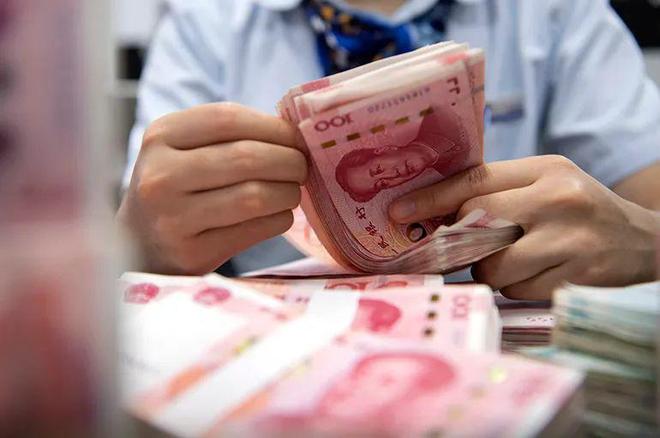
沦为银行理财“打榜”工具?第三方估值争议再起
第一财经· 2025-12-16 14:16
Core Viewpoint - The article discusses the ongoing transformation of bank wealth management products towards "true net value" amid regulatory pressures, highlighting the introduction of new third-party valuation tools to stabilize product net value curves and the resulting industry debates on their implications for fair value and investor protection [3][4][10]. Group 1: Regulatory Changes and Industry Response - In December 2024, regulatory authorities mandated stricter valuation practices for bank wealth management products, prohibiting methods like closing price adjustments and requiring full compliance by the end of 2025 [4]. - In response to regulatory pressures and market competition, some wealth management subsidiaries have begun exploring new third-party valuation tools, such as those provided by China Chengxin Index Company [4][5]. - The introduction of these new valuation methods aims to mitigate the impact of short-term market fluctuations on net value, thereby addressing the "negative feedback" risks associated with bond market volatility [5][9]. Group 2: Valuation Methodologies and Their Implications - The new valuation approach by China Chengxin Index Company separates yield into "long-term true value" and "short-term emotional fluctuations," allowing for a more stable valuation that aligns with long-term investment strategies [5]. - Critics argue that while smoothing techniques can reduce net value volatility, they may also lead to a disconnection from actual market prices, potentially being misused for performance display and product ranking [9][10]. - The reliance on traditional valuation methods like China Bond and China Securities has shown limitations, particularly in their dependence on immediate transaction data, which can amplify market volatility [6][10]. Group 3: Market Divergence and Future Outlook - There is a growing divide in the market regarding the use of new third-party valuation tools, with some advocating for their necessity in reflecting true asset values, while others caution against their potential to distort market perceptions [10][12]. - The article emphasizes the need for clear industry standards and regulatory guidance to define the reasonable boundaries of valuation techniques, ensuring they serve the purpose of fair value assessment without disrupting market order [10][12]. - The future landscape is expected to feature a coexistence of multiple valuation sources, gradually moving towards a more regulated framework that balances traditional and new valuation methods [13].

光大理财冲刺2万亿,新任总经理武兴锋如何破解权益业务短板?
凤凰网财经· 2025-12-16 13:19
Group 1 - The core viewpoint of the article highlights the appointment of Wu Xingfeng as the new general manager of Everbright Wealth Management, coinciding with the company's asset management scale approaching 2 trillion yuan, while also addressing the challenges of balancing growth and improving equity management capabilities [3][4][9]. Group 2 - As of the end of June, Everbright Wealth Management's total asset management scale was reported at 1,799.09 billion yuan, with a growth of approximately 420 billion yuan since the beginning of the year, positioning it to become the seventh wealth management company to exceed 2 trillion yuan [8]. - The company's product offerings are heavily weighted towards fixed-income products, with over 3,000 such products, while only six equity products exist, indicating a significant disparity in product types [10]. - The performance of equity products has been notably poor, with the oldest equity product, the Sunshine Red Health Safety Theme Selected, experiencing a cumulative return of -54.64% since its inception [10][12]. Group 3 - The article emphasizes the need for Everbright Wealth Management to enhance its equity investment capabilities, as traditional strengths lie in fixed-income products, and the company faces challenges in product design and management due to a lack of experience and talent in equity investments [16]. - Wu Xingfeng's leadership will be tested in navigating the dual objectives of maintaining scale while improving active equity management capabilities, which is crucial for differentiating the company in a competitive market [16].

银行理财第三方估值再起争议,平滑波动还是偏离公允?
Di Yi Cai Jing· 2025-12-16 12:05
Core Viewpoint - The article discusses the ongoing transformation of bank wealth management products towards "true net value" amid regulatory pressures, highlighting the introduction of new third-party valuation tools and the resulting industry debate on their implications for fair value and investor protection [1][2][8]. Group 1: Regulatory Context - In December 2024, regulatory authorities mandated further standardization of bank wealth management product valuations, prohibiting practices like closing price adjustments and requiring comprehensive reforms by the end of 2025 [2]. - The regulatory changes aim to clarify boundaries for previously used technical methods that "modified" net value curves, reflecting a shift towards more transparent valuation practices [2][8]. Group 2: Introduction of New Valuation Tools - Several wealth management subsidiaries have begun adopting new third-party valuation tools from companies like China Chengxin Index and Zhongdai Credit Rating, which utilize multi-day transaction averages and credit factor modeling to reduce short-term market volatility [1][2]. - These new valuation methods aim to balance short-term trading information with long-term credit value, addressing the need for more stable net value curves in the face of market fluctuations [2][3]. Group 3: Industry Debate - The introduction of new valuation techniques has sparked a divide within the industry, with supporters arguing they help stabilize investor expectations, while critics express concerns over potential deviations from fair value and misuse for performance enhancement [1][5]. - Some industry insiders warn that excessive reliance on smoother valuation methods could lead to a disconnect between reported values and actual market prices, potentially harming investor interests [6][7]. Group 4: Valuation Methodology Critique - Traditional valuation methods like Zhongdai and Zhongzheng are criticized for their high dependency on immediate transaction data, which can amplify market volatility and lack flexibility in pricing inactive bonds [4][7]. - The debate emphasizes the need for diverse valuation sources to meet the varying demands of the market, particularly in a context where the credit bond market exceeds 50 trillion yuan, yet only a small percentage of bonds are actively traded [7][8]. Group 5: Balancing Fairness and Stability - The ongoing discussions around valuation techniques reflect the challenges faced by the bank wealth management sector as it transitions to a more mature phase, necessitating a balance between fair value representation and market stability [8]. - Future regulatory frameworks are expected to establish clearer standards for third-party valuation institutions, promoting a coexistence of traditional and new valuation methods while ensuring investor protection [8].
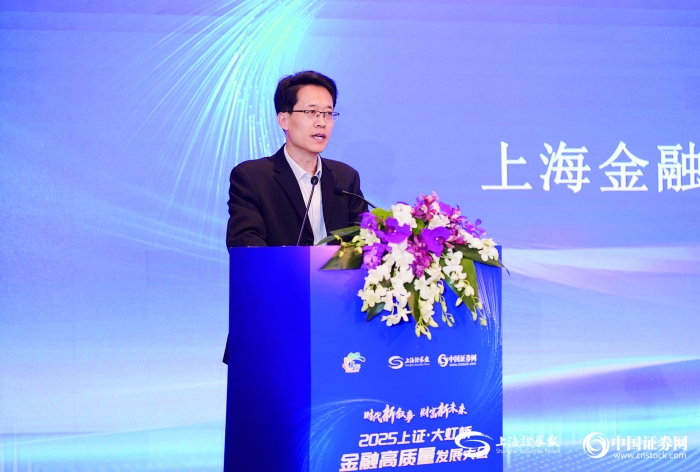
上海金融监管局副局长毛利恒:推动银行理财、信托、保险资管等主体在规范中成长、在开放中提升
Shang Hai Zheng Quan Bao· 2025-12-14 19:43
二是转型发展成效显著,服务实体经济能力提升。伴随资管新规的发布,资管行业经历了深刻转型,更 加规范、更加透明、更加专业。上海金融监管局推动辖内银行保险资管机构积极作为,引导更多金融资 源投向国家重点领域和民生薄弱环节。上海地区养老理财产品销售规模破百亿元,"险资入沪"(即保险 资金投资上海地区资产)余额超2万亿元,不动产信托财产登记在上海试点,这些都为上海经济社会高 质量发展提供了有力的金融支持。 毛利恒 上海金融监管局副局长毛利恒: 推动银行理财、信托、保险资管等主体 在规范中成长、在开放中提升 ◎记者 何奎 12月12日,上海金融监管局党委委员、副局长毛利恒在"上证·大虹桥金融高质量发展大会"上表示,上 海金融监管局在金融监管总局的领导和上海市委、市政府的关心支持下,持续推动银行理财、信托、保 险资管等主体在规范中成长、在开放中提升,行业整体呈现良好发展态势。 一是资管中心地位稳固,开放前沿效应凸显。上海目前已汇聚30余家银行理财、信托、保险资管机构, 管理资产规模约占全国30%。作为对外开放的"桥头堡",上海正持续吸引全球顶尖资管机构深耕布局。 继5家国际资管巨头在上海设立理财公司之后,今年友邦保险资管 ...
银行理财破33万亿,却不再是投资者“稳稳的幸福”
Sou Hu Cai Jing· 2025-12-13 07:34
Core Insights - The banking wealth management market has reached a significant milestone, surpassing 33 trillion yuan and approaching 34 trillion yuan, driven by the ongoing "migration" of resident deposits and the reallocation of low-risk funds [1][2] - There is a notable increase in the number of wealth management companies managing over 2 trillion yuan, expanding from 3 to 6 companies, indicating a rapid growth in the market [2] - Investor anxiety persists due to fluctuations in the net value of wealth management products, particularly influenced by recent adjustments in the bond market [4][5] Market Growth and Dynamics - The banking wealth management market experienced explosive growth in 2025, with a cumulative increase of approximately 3.43 trillion yuan among 14 major wealth management companies in the first 11 months of the year [1] - The fourth quarter saw a remarkable performance, with these companies growing by 1.67 trillion yuan in just two months, accounting for nearly half of the annual increase [1] - The "fixed income plus" products have become a key vehicle for investors seeking higher returns compared to traditional deposits, with a net increase of 1.32 trillion yuan in such products among the 14 major companies [2] Investor Behavior and Product Trends - There is a shift in focus among banks from attracting deposits to increasing Assets Under Management (AUM), with a significant emphasis on marketing "fixed income enhancement" products [3] - The average annual yield for bank wealth management products in 2025 is projected to be around 2.39%, a decline of 89 basis points from 2024, indicating a downward trend in returns [5] - The market is witnessing a surge in index-based wealth management products, with 98 existing non-structured products containing "index" in their names as of December 10, 2025, and 58 new issuances this year [9] Risk and Volatility - The bond market's recent adjustments have led to fluctuations in the net value of wealth management products, causing investor anxiety, particularly among those with lower risk tolerance [4][6] - The overall risk of wealth management products is considered manageable, with improvements in asset allocation and liquidity management enhancing their resilience against market volatility [8] - Investors are advised to maintain a rational approach to market fluctuations and consider long-term value when making investment decisions [7][8]
农银理财副总裁刘湘成:多资产配置已成为资管机构的必要选择
Xin Lang Cai Jing· 2025-12-12 14:13
来源:上海证券报·中国证券网 上证报中国证券网讯(记者 张欣然)12月12日,由上海证券报与交通银行上海市分行联合主办、基煜基金全程协办的"上证·大虹桥金融高质量发展大会"在 上海长宁举办。 农银理财副总裁刘湘成在会上表示,当下全球经济周期、地缘政治环境及宏观变量的不确定性显著上升,使得单一资产在风险抵御与收益表现方面愈发不 足。面对不确定性和低利率的环境,仅依赖单一资产难以为投资者带来稳定且可持续的回报,多资产配置已成为资管机构的必要选择。 农银理财副总裁刘湘成在会上表示,当下全球经济周期、地缘政治环境及宏观变量的不确定性显著上升,使得单一资产在风险抵御与收益表现方面愈发不 足。面对不确定性和低利率的环境,仅依赖单一资产难以为投资者带来稳定且可持续的回报,多资产配置已成为资管机构的必要选择。 农银理财副总裁刘湘成 刘湘成表示,从金融模型与风险管理的基本原理来看,只有借助多类资产之间的低相关性,才能有效降低组合波动,使投资体验更为平稳。当前的市场环境 也进一步强化了这一需求。过去数年,我国利率明显下行,当前整体维持在偏低水平,与五年前相比,基于固定收益资产所能获得的"安全垫"显著降低,这 使传统固收策略获取稳 ...

中国银行保险资产管理业协会贺竹君:大资管行业加速进入发展黄金期
Huan Qiu Wang· 2025-12-12 13:38
Core Viewpoint - The financial market reform is deepening, leading the asset management industry into a golden development period, with banks and insurance asset management playing crucial roles in wealth management, capital market stability, and supporting the real economy [1][6]. Group 1: Market Dynamics - The insurance asset management sector consists of 36 core companies, 16 private fund companies, and over 200 management centers, employing more than 12,000 professional investors [2]. - The banking wealth management sector has 32 subsidiaries providing inclusive financial services to a broad range of investors [2]. - Both sectors manage a total of 69 trillion yuan in assets, with insurance funds reaching 37.46 trillion yuan and a compound annual growth rate of 14% over the past decade [2]. Group 2: Financing Tools and Services - Insurance asset management has provided 2 trillion yuan in debt and equity investment plans, offering stable financing tools for the real economy [3]. - Bank wealth management focuses on fixed-income and cash assets, creating a diverse product matrix to meet the stable investment needs of the public [3]. Group 3: Support for Strategic Development - Insurance funds are actively investing in major infrastructure projects and sectors like healthcare, green energy, and semiconductor industries, contributing to sustainable development [4]. - The insurance asset management industry promotes a virtuous cycle of funds, capital, and assets, with long-term investments exceeding 2 trillion yuan [4]. Group 4: Capital Market Participation - Insurance funds are involved in the Sci-Tech Innovation Board, enhancing the investor structure and creating a favorable financing environment for the real economy, with a balance of 5.6 trillion yuan in stock and fund investments [5]. Group 5: Economic Outlook - The recovery of the economy and increasing demand for wealth management, particularly in technology innovation and new business models, are favorable for the development of the banking and insurance asset management industry [6].
