
Smartphones

Search documents
酷派集团回购366.80万股股票,共耗资约483.93万港元,本年累计回购7517.10万股
Jin Rong Jie· 2025-12-16 10:54
Group 1 - The core point of the article highlights Coolpad Group's recent share buyback, which is seen as a signal of management's belief that the stock is undervalued and aims to enhance shareholder value [1] - On December 16, Coolpad Group repurchased 3.668 million shares at an average price of HKD 1.32 per share, totaling approximately HKD 4.8393 million, bringing the total shares repurchased this year to 75.171 million, which accounts for 19.60% of the total share capital [1] - The company's stock price closed at HKD 1.31 per share, reflecting a decline of 0.76% on the same day [1] Group 2 - Coolpad Group, established in 1993, focuses on the research, production, and sales of smartphones and was listed on the Hong Kong Stock Exchange in 2014 [2] - The company was once a significant player in the 3G market alongside ZTE, Huawei, and Lenovo, but has faced challenges due to intensified industry competition, leading to a decline in performance [2] - The 2023 semi-annual report indicated a year-on-year revenue decline, primarily due to weak global consumer electronics demand, prompting the company to seek breakthroughs through technological research and expansion into overseas markets [2]
旗舰黑科技下放,“战斗天使”杀疯了
Zhong Guo Jing Ji Wang· 2025-12-16 08:45
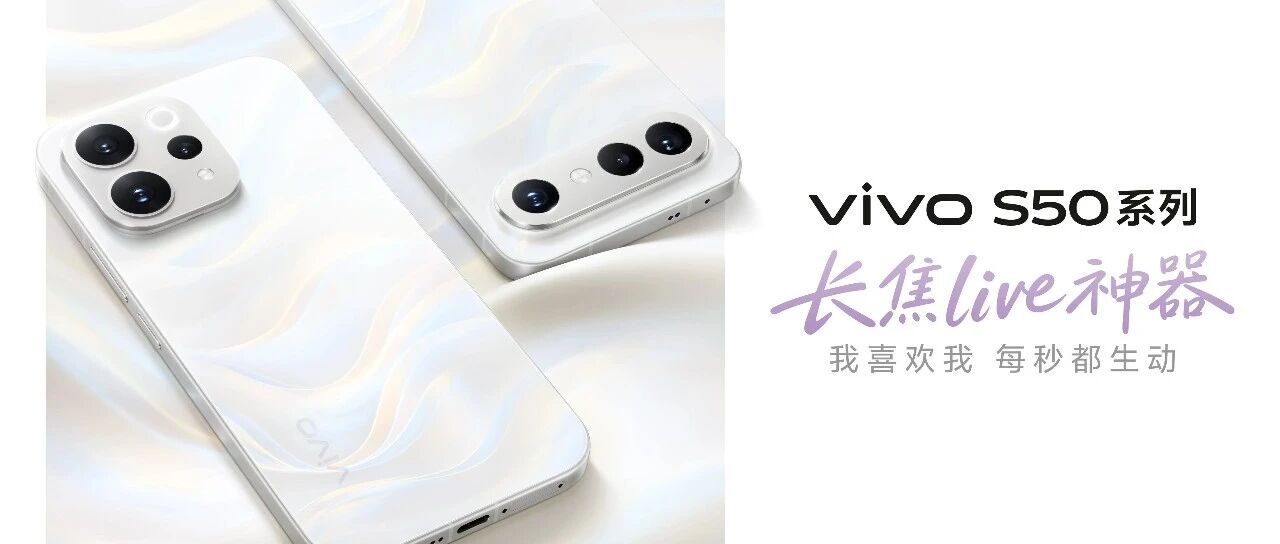
Core Insights - The article emphasizes the shift in consumer behavior towards emotional value in smartphone selection, highlighting the importance of design aesthetics, imaging capabilities, and user experience in fostering brand loyalty among young consumers [1][8] - Vivo's S series has successfully maintained a competitive edge in the mid-to-high-end smartphone market by focusing on design and imaging, creating a strong brand moat over the years [1][3] Group 1: Product Features and Innovations - The newly launched Vivo S50 series is noted for its flagship-level configurations, including the Qualcomm Snapdragon 8 Gen 5 chip and Sony IMX882 telephoto lens, aimed at providing an emotional experience for users [2][5] - The S50 series features significant upgrades in imaging capabilities, including the Sony IMX882 sensor and enhanced portrait functions, catering to the contemporary demand for "real beauty" among young users [5][6] - The series also includes advanced user experience features such as a wet-hand ultrasonic fingerprint sensor, addressing common unlocking challenges faced by users [7] Group 2: Market Positioning and Strategy - Vivo's S series exemplifies a long-term strategy that prioritizes brand value and emotional connections with users, distinguishing itself from competitors focused on short-term gains [4][8] - The brand philosophy emphasizes the importance of understanding and evolving with user needs, transforming smartphones into tools for personal expression and social interaction [8] - The S50 series is positioned to redefine the standards of the mid-to-high-end market, offering flagship experiences without the flagship price, thereby altering competitive dynamics in the industry [6][8]
超越参数之战:“战斗天使”vivo S50重构中高端手机规则
Xin Lang Cai Jing· 2025-12-16 02:15
Core Insights - The Chinese smartphone market continues to face challenges, with a year-on-year decline of 2.7% in sales for Q3 2025, according to Counterpoint data. Despite this, vivo maintains a leading market share of 18.5%, largely attributed to the success of its mid-to-high-end S30 series [2][16]. - The newly launched vivo S50 series addresses the evolving needs of young consumers in the mid-to-high-end market, further redefining the value standards of smartphones by incorporating flagship features [2][16]. Market Overview - The overall smartphone market is experiencing a downturn, with increased competition leading to a focus on cost-effectiveness among manufacturers. Vivo's S series stands out by appealing to young consumers amidst this homogenization [2][3]. - Vivo's S series has consistently captured a large young user base by emphasizing emotional value and design aesthetics, which are critical in differentiating products in a saturated market [3][17]. Product Development - The S series has evolved since its inception in 2019, with each iteration enhancing both design and imaging capabilities. The S50 series continues this trend by integrating advanced technologies and appealing aesthetics that resonate with the emotional needs of users [4][19]. - The S50 series features flagship-level specifications, including the Sony IMX882 sensor capable of 100x zoom, catering to the diverse imaging needs of young users [8][22]. Technological Advancements - Vivo's commitment to technology is evident in the S50 series, which is powered by Qualcomm's Snapdragon 8 series chips, ensuring high performance and a seamless user experience across various applications, including gaming [10][24]. - The company has focused on long-term technological investments in key areas such as design, imaging, system, and performance, which are crucial for sustaining competitive advantages in the smartphone market [13][27]. User-Centric Approach - Vivo's strategy emphasizes understanding and addressing the real needs of users rather than merely focusing on technical specifications. This approach is reflected in features like the ultrasonic fingerprint sensor that works with wet hands, addressing everyday user pain points [11][25]. - The brand aims to build a deep emotional connection with users, positioning its products as digital companions that evolve alongside their needs, thereby fostering brand loyalty and recognition [11][27].

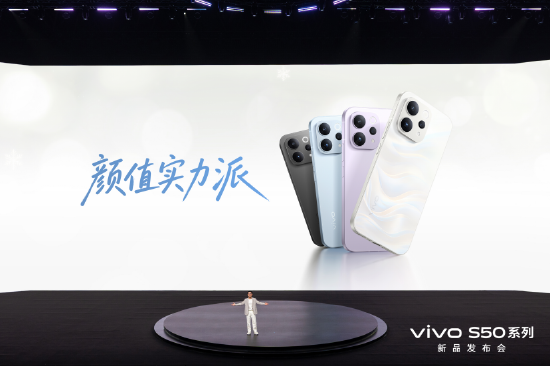
剿杀豆包手机助手,可能是互联网大厂的一次「共谋」
3 6 Ke· 2025-12-16 01:57
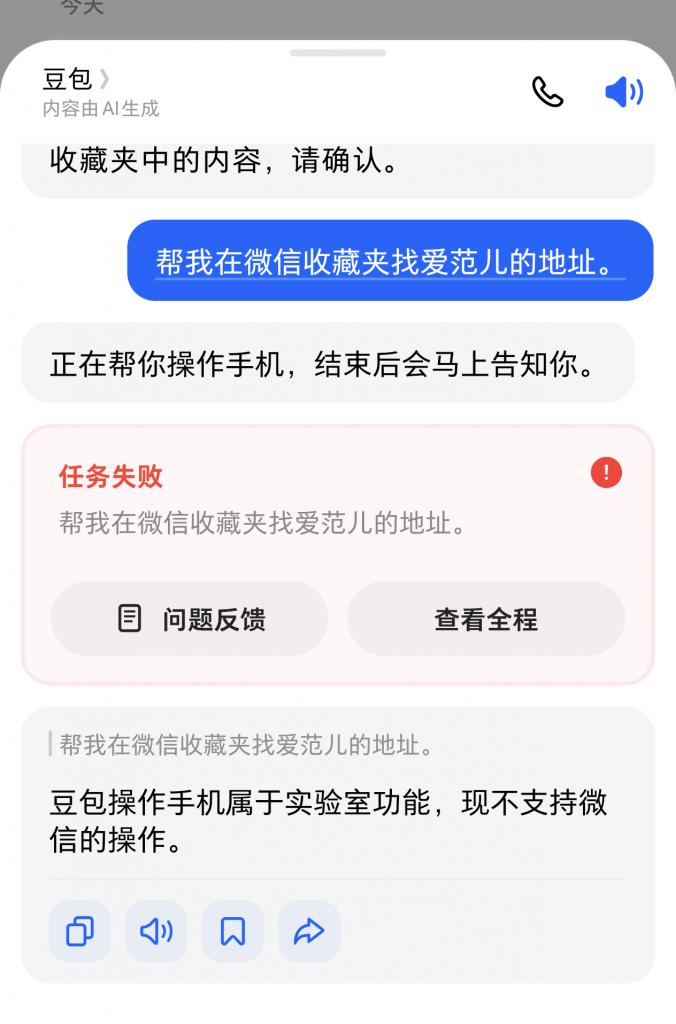
Core Viewpoint - The success of AI phones is not inherently tied to AI technology itself, as demonstrated by the challenges faced by the Doubao phone, which encountered significant operational issues with major applications like WeChat shortly after launch [1][3][12]. Group 1: Product and Technology - Doubao phone, developed by ByteDance in collaboration with Nubia, is designed to integrate AI capabilities deeply into smartphone operations, positioning itself as a true "AI hardware" [1][8]. - The Doubao phone's AI assistant was intended to enhance user experience by managing various applications, but it faced immediate restrictions from major platforms due to security concerns [3][5]. - The phone represents a significant technological attempt to redefine user interaction with smartphones, but it is still seen as an experimental product rather than a fully realized commercial success [12][21]. Group 2: Market Dynamics - The competition among major internet companies in China, particularly between ByteDance and Tencent, is highlighted by the Doubao phone's attempt to penetrate WeChat's ecosystem, which is a critical battleground for user engagement [5][10]. - The Doubao phone's initial market response was strong, with prices on secondary markets soaring from the original price of 3499 yuan to as high as 6000 yuan, indicating high user interest and perceived value [13][18]. - Despite the initial hype, the phone's operational limitations and the backlash from major apps illustrate the complexities of navigating the competitive landscape of internet giants [16][21]. Group 3: User Interaction and Experience - The introduction of the Doubao phone aimed to shift the user experience from being passive consumers of applications to a more empowered interaction facilitated by AI [14][18]. - Users expressed a desire for the Doubao phone's capabilities, indicating a potential shift in how consumers view their relationship with technology and applications [14][18]. - The ongoing challenges faced by the Doubao phone serve as a reminder of the need for collaboration among tech companies to foster innovation while addressing competitive tensions [12][16].
“不仅要好看”,战斗天使vivo S50 选择一场更难的战争
Di Yi Cai Jing Zi Xun· 2025-12-15 15:11
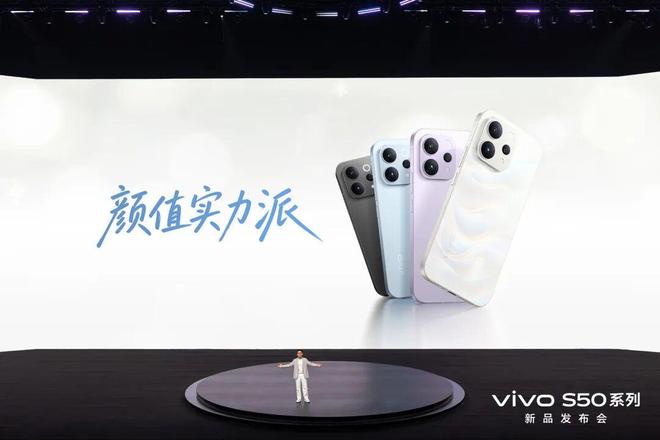
Core Insights - The smartphone market is increasingly competitive, with young consumers seeking devices that not only perform well but also resonate with their lifestyle and emotions [1][14] - The launch of vivo's S50 series aims to address the evolving needs of young users by combining aesthetic appeal with robust functionality, positioning itself as an indispensable companion [2][6] Group 1: Market Trends - The average smartphone replacement cycle in China is projected to be around 33 months by mid-2025, driven by an oversaturated market with minimal differentiation among products [1] - Young consumers are becoming more discerning, looking for a comprehensive "sense of assurance" that products understand their lifestyle needs [1][14] Group 2: Product Development - The S50 series represents a strategic evolution, focusing on enhancing both traditional strengths in design and photography while improving overall user experience [6][14] - The series incorporates advanced imaging algorithms and features aimed at lowering the barrier for creating high-quality content, aligning with social media trends [6][10] Group 3: Technological Integration - The S50 series utilizes Qualcomm's Snapdragon 8 series platform to ensure smooth performance for complex computational photography tasks, addressing user pain points in everyday scenarios [7][10] - The integration of high-end technologies, such as ultrasonic fingerprint recognition, aims to enhance user experience in practical situations [7][10] Group 4: Emotional Value Creation - The S series aims to build a "system of emotional value" that transcends mere functionality, focusing on how the product can facilitate self-expression and social interaction for young users [11][13] - The design and imaging capabilities are crafted to resonate with the emotional and cultural contexts of young consumers, fostering deeper connections with the brand [11][14] Group 5: Competitive Landscape - As the smartphone industry matures, differentiation is increasingly reliant on emotional connections and unique value propositions rather than just hardware specifications [14] - The success of the S50 series will test the effectiveness of a model driven by deep user insights and system experience innovation in maintaining appeal among young consumers [14]
“不仅要好看”,战斗天使vivo S50 选择一场更难的战争
第一财经· 2025-12-15 15:03
Core Viewpoint - The smartphone market is evolving, with young consumers seeking devices that not only perform well but also resonate with their emotional and social needs, moving beyond mere specifications to a more holistic experience [1][17]. Group 1: Market Trends and Consumer Behavior - By 2025, the average smartphone replacement cycle in China is expected to be nearly 33 months, driven by an oversaturated market with excessive choices and homogenization [1]. - Young consumers are becoming increasingly discerning, looking for products that genuinely understand their lifestyle and provide a seamless, enjoyable experience rather than just improved specifications [1]. - The competition in the mid-to-high-end market hinges on capturing the complex and emotional needs of young consumers, with no clear winner based solely on price-performance ratio [1]. Group 2: Product Development and Strategy - Vivo's S50 series aims to balance aesthetic appeal and strong performance, positioning itself as a "companion without compromise" for young users [2][5]. - The S series has historically focused on two key areas: design and front-facing portrait photography, which are highly valued by young users and have strong social sharing attributes [5]. - The evolution of the S series design reflects a deep integration of cultural memory, collective emotions, and cutting-edge craftsmanship, creating a recognizable visual identity [5]. Group 3: Technological Advancements - The S50 series addresses systemic pressures by enhancing basic user experiences to meet or exceed industry standards while maintaining its traditional strengths [7]. - The introduction of advanced algorithms for image processing in the S50 aligns with the trend towards more natural and authentic aesthetics in social media [7]. - Vivo's strategy includes deploying flagship technologies, such as the Snapdragon 8 series platform and ultrasonic fingerprint recognition, to enhance user experience and address common pain points [10][12]. Group 4: Emotional and Social Value - The S series aims to transcend functional value by creating an emotional value system that resonates with young users, positioning itself as a medium for self-expression and social interaction [14][16]. - The design and imaging capabilities of the S series are not just about aesthetics but also about facilitating emotional connections and social currency among users [14][16]. - The long-term competitive advantage of the S series lies in its ability to understand and respond to the evolving emotional expressions and needs of young consumers, fostering brand loyalty beyond product cycles [16][17].
杀疯了!「战斗天使」vivo S50 把旗舰体验打下来
凤凰网财经· 2025-12-15 14:11
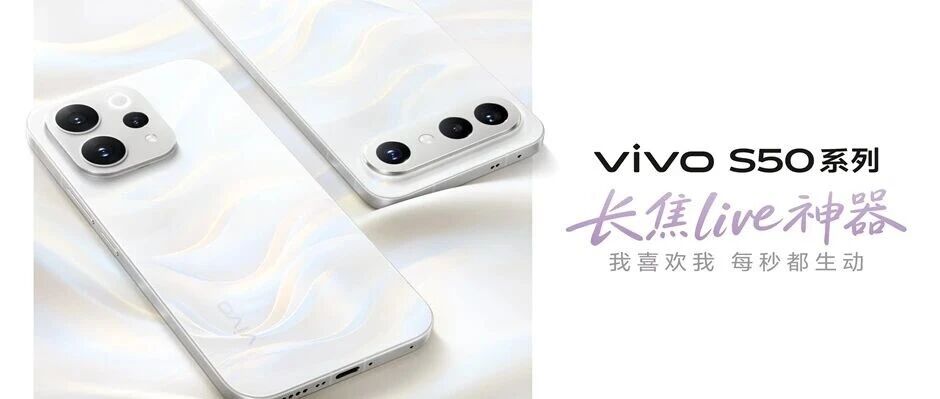
Core Viewpoint - The essence of the article is that in the increasingly competitive smartphone industry, the true moat for brands lies not in technical specifications but in understanding and connecting with the emotional needs of users [2] Group 1: Vivo S Series Success - The Vivo S series stands out in a saturated mid-to-high-end smartphone market by focusing on emotional connection rather than just hardware specifications [3][4] - The series has successfully tapped into the core demands of the digital age, transforming smartphones from mere efficiency tools into essential social instruments that carry emotional weight [5][6][7] - Vivo S series products are designed to transcend industrial products, becoming cultural symbols that resonate with users [10][11] - The evolution of the imaging system in the S series reflects a shift from merely capturing images to conveying emotions and stories, enhancing user social expression [12][13][14] - The brand has built a strong trust relationship with users through interactive and co-creative experiences, fostering loyalty based on emotional recognition rather than short-term marketing tactics [15][16][17] Group 2: Technological Advancements - The recent S50 series exemplifies Vivo's ambition to democratize flagship experiences, breaking down barriers between price and performance in the mid-to-high-end market [22][23] - The S50 series features flagship-level specifications, including a 50MP Sony periscope lens and advanced imaging capabilities, setting a new benchmark for mid-range smartphones [25][28] - The introduction of user-friendly features like "natural portrait blur" and "emotional filters" caters to the current demand for authenticity and aesthetic appeal among young users [30][31] - The S50 series is powered by the Qualcomm Snapdragon 8 series flagship chip, establishing a new standard for performance in mid-range devices [37] - Vivo's commitment to user experience is evident in the implementation of advanced features like "wet hand ultrasonic fingerprint 2.0," addressing common user pain points [39][40] Group 3: Long-term Strategy - Vivo S series prioritizes long-term relationships with users over quick profits, aiming to be a growth partner for young consumers rather than just a smartphone seller [45][46] - The brand's iterative approach is driven by understanding and responding to the evolving needs of young users, ensuring that products remain relevant and valuable [49][50][51] - The S series has transformed from a mere brand into a companion for young people's growth, fostering organic word-of-mouth marketing through genuine user engagement [55][56] - As the Z generation continues to grow, the S series is expected to evolve alongside them, focusing on innovation and emotional connection rather than just hardware specifications [57][58]
年轻人的手机,比谁都更懂他们自己
后浪研究所· 2025-12-15 13:58
Core Viewpoint - The article emphasizes that smartphones have become essential "life gateways" for young people, who seek devices that understand and support their lifestyles rather than merely serve as tools [2][4]. Group 1: User Preferences and Market Trends - Young users prioritize overall design, camera quality, system experience, and aesthetic alignment over mere technical specifications when choosing smartphones [4][5]. - The smartphone market is shifting from hardware competition to understanding and addressing the emotional needs of young consumers, with brands that resonate with their lifestyles gaining a competitive edge [5][6]. - Vivo's S series has positioned itself as a leader in this space, achieving a market share of 17% in China and ranking first in smartphone sales in 2024 [5][6]. Group 2: Emotional Connection and Aesthetic Evolution - The S series has evolved its aesthetic to align with the emotional states of young consumers, reflecting trends in color and design that resonate with their desire for self-acceptance and expression [8][10]. - Young people use smartphone photography as a means of self-expression, with a growing interest in advanced techniques that enhance their visual storytelling [10][11]. Group 3: Product Features and User Experience - The S50 series incorporates advanced features like "high-light slow motion" and "natural portrait" modes, catering to the demand for authentic beauty and personalized expression [12][13]. - Vivo has integrated high-end technology into the S50 series, ensuring a comprehensive performance that meets the diverse needs of young users in a competitive market [13][15]. Group 4: Long-term User Engagement - Young consumers exhibit a tendency to choose smartphones that adapt to their evolving lifestyles, with the S series being a preferred choice across different life stages [21][22]. - Vivo's approach emphasizes user-centric design, aiming to provide devices that not only fulfill functional needs but also resonate with the personal identities of young users [22][24].

“国产贾维斯” 刷屏,AI手机成超级入口
Huan Qiu Wang· 2025-12-15 07:31
Core Insights - The launch of the Nubia M153 AI phone, developed in collaboration with Doubao, has garnered significant market attention, selling out 30,000 units on the release day at a price of 3,499 yuan, with resale prices peaking at 6,529 yuan, reflecting a markup of over 3,000 yuan from the original price [1][4]. Product Features - The Nubia M153 features an AI Agent capability that allows it to perform complex cross-app operations, distinguishing it from traditional phone assistants. Users can issue voice commands to compare prices across platforms like Taobao, JD.com, and Pinduoduo, and complete purchases with minimal user intervention [3][4]. Industry Impact - The innovation has been described as a transformative leap in the tech industry, comparable to the shift from keyboards to touchscreens, and is seen as a significant advancement in the integration of AI with mobile devices. Analysts suggest that this product validates the feasibility of merging AI agents with mobile terminals, providing a model for future collaborations [4][5]. Market Dynamics - The emergence of AI phones represents a strategic battleground for tech giants aiming to establish themselves as the "super entry point" in the AI era. While various smart hardware has attempted to capture market share, smartphones are uniquely positioned due to their extensive user base and high daily usage, making them the most viable platform for AI technology deployment [5][6]. Future Outlook - The success of the Nubia M153 indicates a shift in the Chinese AI industry from technology development to practical application, positioning Chinese tech companies as key players in global AI innovation. The next decade for smartphones may be significantly influenced by advancements in AI capabilities [6].

Q425 智能手机调研:内存短缺会影响需求吗-UBS Evidence Lab inside 4Q25 Smartphone Survey_ Will memory shortages impact demand_
UBS· 2025-12-15 01:55
Investment Rating - The report maintains a cautious outlook on the smartphone industry, with a preference for component suppliers over OEMs due to rising memory prices and supply challenges [5][8]. Core Insights - The smartphone industry is expected to face challenges in 2026, with limited unit growth forecasted at +1.0% YoY in 2026 and +2.0% YoY in 2027, following a +3.5% YoY growth in 2025 [2][8]. - The UBS Evidence Lab 4Q25 Smartphone Survey indicates a moderate increase in purchase intent, with 40% of respondents planning to buy a smartphone in the next 12 months, up from 36% in 2Q25 [3][19]. - Rising memory prices are projected to significantly impact Bill of Material (BOM) costs, potentially accounting for approximately 14% of flagship smartphone BOM costs and 34% of mid-range/lower-end smartphone BOM costs by 4Q26 [4][101]. Summary by Sections Industry Outlook - The smartphone market is anticipated to grow moderately, with unit sell-in forecasts slightly raised to 1.27 billion units in 2025 and 1.28 billion units in 2026, reflecting a +3.5% and +1.0% YoY growth respectively [50][55]. - The average age of the smartphone installed base has decreased to 22.0 months, indicating a normalization in the replacement cycle [30][44]. Purchase Intent Trends - Purchase intent for the iPhone 17 series is strong, with 66% of respondents interested in this model, up from 61% for the iPhone 16 series [3][89]. - Retention rates for Apple and Samsung remain stable at 87% and 75% respectively, while Chinese OEMs have seen declines in retention rates [59][61]. Component Supplier Preference - The report favors component suppliers such as ASE, SK Hynix, and TSMC, while maintaining neutral ratings on major OEMs like Apple, Lenovo, and Xiaomi, and a buy rating on Samsung Electronics [5][8]. - The memory supply shortage is expected to create significant challenges for OEMs, particularly smaller ones, as they may struggle to secure adequate memory supply [4][110].
