价值认同

Search documents
如何用科学的方式找到人生动力? | 汪 星宇 | TEDxDuhai Road
TEDx Talks· 2026-03-03 17:11
当同期海归都扎堆金融、互联网等高薪赛道时,拥有复旦+纽约大学双学历的汪星宇,却选择回到中国乡村,这个决定让他一度成为“争议焦点”——有人说他“浪费学历”,有人质疑“乡村创业难成气候”,甚至身边人劝他“别做吃力不讨好的事”。但他的选择并非一时冲动,而是基于“科学预判”的理性决策:“城乡差异是中国发展的重要命题,用教育和产业连接城乡,既有社会价值,更有长期市场潜力。”他将国际政治专业的调研方法融入乡村实践,用“田野调查”摸清乡村需求,用“数据驱动”设计研学产品,用“乡土工厂”模式带动农产品上行,形成“研学+产业+公益”的科学闭环。 多年来,他带领3万余名城市青少年走进乡村体验农耕,为十万名乡村孩子提供免费课程,资助千余位乡村孩子参加职业体验,更作为中国青年代表登上联合国青年论坛发言。他用亲身经历证明:人生动力并非来自“盲目热血”,而是源于对趋势的精准判断、对价值的坚定认同,以及将理想拆解为行动的科学方法。他将分享:如何用调研、分析、落地的科学思维,找到既符合自身价值又顺应趋势的人生方向,让坚持拥有持续的动力。 当同期海归都扎堆金融、互联网等高薪赛道时,拥有复旦+纽约大学双学历的汪星宇,却选择回到中国乡村,这个决定 ...


关注| 让科普成为可共情的时代叙事
Sou Hu Cai Jing· 2026-02-26 21:59
Core Viewpoint - The article emphasizes the need for science popularization to go beyond mere information dissemination, focusing on emotional connection and cultural resonance to engage the public meaningfully [1][2][4][8] Group 1: Emotional Connection and Narrative - The Chinese Science and Technology Museum aims to create emotionally resonant narratives that connect individuals with technology, society, and the nation [2] - Successful science communication involves moving from a focus on quantity of reports to a deeper emphasis on content and long-term impact [1][4] - Examples of effective narratives include stories that highlight real individuals and their experiences, making abstract concepts relatable and emotionally engaging [2][4] Group 2: Cultural Integration and Value Recognition - The museum's efforts focus on integrating scientific spirit with traditional Chinese culture and socialist values, fostering a sense of cultural identity and social responsibility [4][8] - Initiatives like "Lighting the Candle of Civilization" aim to connect ancient Chinese wisdom with modern scientific principles, enhancing public understanding of science [4] - The promotion of national unity and the benefits of technology to humanity are key themes in the museum's outreach [4][8] Group 3: Multi-Channel Communication Strategy - The museum has established a multi-faceted communication strategy that includes traditional media, online platforms, and social media to reach diverse audiences [7] - This approach is not merely about increasing reach but also about tailoring content to fit the characteristics of different platforms and audiences [7] - The use of various content formats, including videos, articles, and interactive media, enhances engagement and emotional connection with the audience [7] Group 4: Evolving Science Communication - In an era where attention is scarce, the competitiveness of science communication lies in its narrative ability and depth of empathy rather than sheer volume [8] - The museum's approach encourages the public to think critically about the purpose and future of scientific exploration, moving beyond practical knowledge to deeper cultural values [8] - This evolution in science communication supports national innovation and fosters a sense of pride and belonging among the public [8]
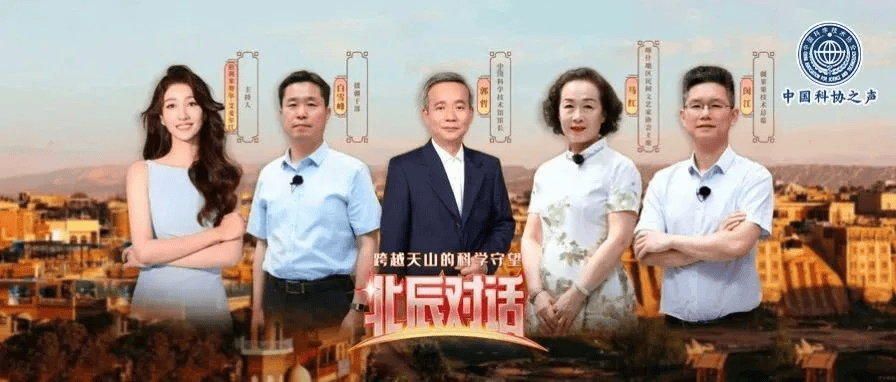
如何让青少年从文化认知走向使命担当
Xin Lang Cai Jing· 2026-02-24 20:22
Core Viewpoint - The article emphasizes the importance of transforming cultural recognition into a sense of mission among youth, which is a core issue in ideological and political education in the new era [1] Group 1: Cultural Transmission - Cultural transmission is the starting point for national identity, where individual recognition of the nation originates from the understanding and acceptance of cultural symbols and values [2] - Chengdu's themed clubs utilize interactive logic to convert excellent traditional culture, revolutionary culture, and advanced socialist culture into experiential educational resources, helping youth build cultural confidence [2] - Students engage in hands-on activities, such as carving wood and creating lyrics in the "Sichuan Money Board" club, to understand local customs and the cultural essence of loyalty to the country [2] Group 2: Value Recognition - Value recognition is the core of national identity, requiring a progression from emotional resonance to rational recognition [3] - The "Drama Club" at Chengdu Liwu Middle School allows students to explore historical figures' lives and relate them to contemporary responsibilities, fostering emotional connections [3] - The "Debate on Traditional Chinese Medicine" at Chengdu Zhongbei Middle School encourages students to analyze cultural differences and understand the wisdom of coexistence [4] Group 3: Mission Responsibility - Mission responsibility is the practical application of national identity, where individual awareness of responsibility is formed through practice [5] - The "Science and Innovation Club" at Chengdu Qizhong East New District integrates mission responsibility with innovation, using the Tianfu International Airport as a case study [6] - Community service clubs, like the "Pioneer" club, engage students in collecting historical artifacts and sharing stories of national development, making mission responsibility tangible [6] Group 4: Three-Step Collaborative System - The three stages of "Cultural Transmission - Value Recognition - Mission Responsibility" are interconnected and support each other, forming an organic whole [7] - A "12-year consistent system" is established, allowing for a progressive educational approach that emphasizes different aspects of national identity at various educational stages [7] - A collaborative network involving government, schools, communities, and families is created to enhance the educational experience and integrate national identity education into daily life [7] Group 5: Evaluation Mechanism - A multi-faceted feedback system is established, focusing on both the process and results of student participation in clubs [8] - The evaluation includes personal growth tracking through cultural portfolios and third-party assessments, emphasizing emotional attitudes and behavioral performance [8]
2026中国零售消费市场十大趋势:全面进入“我”时代
Jing Ji Guan Cha Bao· 2026-01-11 14:03
Core Insights - The report by NielsenIQ highlights that the Chinese retail market is entering a critical transformation phase, where the focus will shift from foot traffic and price subsidies to meeting consumers' emotional and personal needs by 2026 [1][8] Consumer Behavior Trends - Consumers are transitioning from merely "buying products" to "buying lifestyles," with 68% valuing atmosphere in physical stores, 61% prioritizing service, and 54% willing to pay a premium for quality [2] - Emotional consumption is evolving towards self-value, with single economy, pet consumption, and silver economy identified as high-potential growth areas [2][3] Pricing and Value Perception - Consumers are becoming more rational and cautious, willing to pay a premium for genuine efficacy and innovation rather than brand reputation [3] - The competition will focus on perceived value rather than price, emphasizing the importance of delivering both cost-effectiveness and value [3] Channel Transformation - Retail channels are shifting from merely selling products to creating lifestyle experiences, with supermarkets and hypermarkets needing to transform into immersive spaces [4] - Private labels are gaining traction, with 69% of consumers perceiving them as more valuable, leading to a 12.9% growth in private label sales compared to a mere 0.1% for branded products [4] Collaboration Between Retailers and Brands - Retailers and brands are encouraged to shift from competition to collaboration, co-developing products and optimizing pricing to enhance category growth [5] Market Growth Drivers - The report identifies key growth drivers for the retail market in 2026, including the down-market expansion, Generation X consumers, overseas market opportunities, and instant retail [6][7] - Generation X, characterized by stable income and mature judgment, is expected to be a significant growth demographic, willing to spend on products that resonate with their values [7] Global Expansion of Chinese Brands - The report suggests that Chinese brands are transitioning from merely selling products to establishing a strong brand presence in overseas markets, particularly in Southeast Asia, Japan, and Singapore [7] Instant Retail Evolution - The shift towards instant retail reflects consumers' increasing desire for immediate gratification, moving from planned to spontaneous purchases [7][8]
2025营养保健新增长:七大人群深度拆解与运营策略解析报告
Sou Hu Cai Jing· 2025-12-19 01:47
Core Insights - The report highlights the transformation of health consumption from a static medical definition to a dynamic ecosystem that integrates functionality, emotions, community, and values, driven by the Z generation's redefined health awareness [2][10][13] - The nutrition and health product market is experiencing steady growth, with retail health market expansion, but challenges such as product homogenization and insufficient content trust are becoming more pronounced [2][11][18] - Consumer demands have evolved from single efficacy satisfaction to diverse needs encompassing safety, emotional comfort, and community recognition, with the top five health concerns for the post-90s generation being body management, skin health, hair health, digestive health, and endocrine regulation [2][14][15] Industry Overview - Health awareness is shifting from a medical-centric view to a user-driven perspective, revealing a multi-layered demand spectrum that includes basic life protection, safety, quality, resonance, belonging, and the pursuit of a better life [10][13] - Economic growth has significantly increased consumer willingness to invest in health, necessitating the industry to move beyond systemic delays and accurately target users through demographic segmentation and scenario insights [11][18] Consumer Behavior - The boundaries of health consumption are blurring, extending from clear medical products to everyday items that soothe emotions, indicating a more prolonged approach to health [20] - The core drivers of health consumption are evolving from basic functionality to include emotional comfort, community recognition, and future aspirations [21] - Health consumption is increasingly expressed through social sharing, rational evaluations, and community interactions, transforming it into a means of identity recognition and community belonging [22][28] Target Consumer Segments - The report identifies seven core consumer groups: Lean Care Party, Stress Compensation Group, Family Guardian, New Traditional Health Group, Physical Innovation Group, Aesthetic Self-Care Group, and Vitality Charging Group, each with distinct preferences and content needs [2][29][39] - The segmentation reflects a shift from functional satisfaction to value recognition, emphasizing the importance of community and emotional connection in health consumption [30][39] Marketing Strategies - Bilibili is positioned as a central platform for health brand marketing, leveraging its unique user demographics, including an average age of 26 and over 55% coverage in first- and second-tier cities, along with a high engagement rate [3][29] - Brands are advised to adopt a comprehensive strategy that includes product, audience, scenario, content, placement, and measurement to effectively engage with target consumers [3][29] - The key conclusion is that growth in the nutrition and health industry hinges on shifting from functional satisfaction to value recognition, requiring brands to integrate into the Bilibili community context through precise audience targeting, scenario-based content creation, and deep user interaction [3][29]

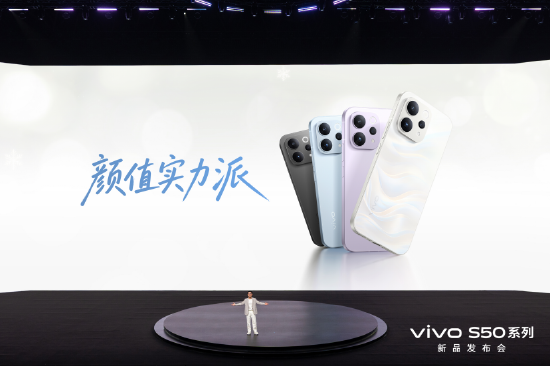
超越参数之战:“战斗天使”vivo S50重构中高端手机规则
Xin Lang Cai Jing· 2025-12-16 02:15
Core Insights - The Chinese smartphone market continues to face challenges, with a year-on-year decline of 2.7% in sales for Q3 2025, according to Counterpoint data. Despite this, vivo maintains a leading market share of 18.5%, largely attributed to the success of its mid-to-high-end S30 series [2][16]. - The newly launched vivo S50 series addresses the evolving needs of young consumers in the mid-to-high-end market, further redefining the value standards of smartphones by incorporating flagship features [2][16]. Market Overview - The overall smartphone market is experiencing a downturn, with increased competition leading to a focus on cost-effectiveness among manufacturers. Vivo's S series stands out by appealing to young consumers amidst this homogenization [2][3]. - Vivo's S series has consistently captured a large young user base by emphasizing emotional value and design aesthetics, which are critical in differentiating products in a saturated market [3][17]. Product Development - The S series has evolved since its inception in 2019, with each iteration enhancing both design and imaging capabilities. The S50 series continues this trend by integrating advanced technologies and appealing aesthetics that resonate with the emotional needs of users [4][19]. - The S50 series features flagship-level specifications, including the Sony IMX882 sensor capable of 100x zoom, catering to the diverse imaging needs of young users [8][22]. Technological Advancements - Vivo's commitment to technology is evident in the S50 series, which is powered by Qualcomm's Snapdragon 8 series chips, ensuring high performance and a seamless user experience across various applications, including gaming [10][24]. - The company has focused on long-term technological investments in key areas such as design, imaging, system, and performance, which are crucial for sustaining competitive advantages in the smartphone market [13][27]. User-Centric Approach - Vivo's strategy emphasizes understanding and addressing the real needs of users rather than merely focusing on technical specifications. This approach is reflected in features like the ultrasonic fingerprint sensor that works with wet hands, addressing everyday user pain points [11][25]. - The brand aims to build a deep emotional connection with users, positioning its products as digital companions that evolve alongside their needs, thereby fostering brand loyalty and recognition [11][27].
消费市场不断变化 如何在传统行业中探索增长之道?
Zhong Guo Jing Ying Bao· 2025-12-11 07:02
Core Insights - The rise of Generation Z is reshaping consumer preferences, emphasizing value for money and quality-price ratio, which are becoming mainstream trends in the market [1][2] - Companies need to continuously understand market demands and enhance their competitive edge to adapt to these changes [1] Consumer Trends - Consumers are increasingly focused on extreme cost-performance ratios and single-category champions, with many Chinese brands successfully creating standout products [2] - Emotional consumption is gaining traction, with consumers valuing the emotional connection to products [2] - Comfort marketing is essential, as brands must communicate their values from the consumer's perspective rather than imposing their own views [2] Value Recognition - Consumers are willing to pay for products they perceive as valuable, as illustrated by a personal anecdote regarding a product priced higher due to its unique context [2] - The concept of value recognition is crucial, as consumers have already established their own value positioning for products before making a purchase [2] Brand Strategies - Companies like Dayao Beverage are focusing on high-quality price-performance strategies, ensuring that consumers receive better quality for lower prices [3] - Product quality is a key focus, with strict raw material selection and innovative production processes to enhance consumer experience [3] - Scene-based marketing is vital, with brands optimizing product suitability for common consumption scenarios [3] Industry Innovation - The beverage industry is undergoing innovation through new processes that enhance consumer experiences, as seen with products like "Good Comfort" from Yuanqi Forest [4] - Companies are investing in new technologies and processes to meet rising consumer quality demands [4] - A culture of allowing trial and error is encouraged within companies to foster continuous innovation [4] Strategic Growth - Traditional companies like New Hope Group are exploring business innovations while remaining within familiar sectors to mitigate risks [5] - The focus on product innovation should be narrowed to meet specific consumer needs, rather than overwhelming the market with numerous SKUs [5] Future Market Trends - There is a growing market for functional products as consumer health awareness increases, alongside opportunities for industrializing native products [6] - Cross-industry innovation requires a comprehensive understanding of supply chains, organizational structures, and market dynamics [6]