军工材料

Search documents
QFII最新调仓路径浮现
财联社· 2025-10-25 12:52
Core Insights - The article discusses the recent adjustments in QFII (Qualified Foreign Institutional Investor) holdings in A-shares as companies disclose their Q3 reports, highlighting a clear trend in foreign investment strategies [1][2]. Group 1: Sovereign Wealth Fund Adjustments - Sovereign wealth funds like the Abu Dhabi Investment Authority (ADIA) and the Monetary Authority of Macao have shown distinct trading behaviors, with ADIA significantly increasing its holdings in cyclical resource stocks, particularly Baofeng Energy, which now has a market value exceeding 790 million yuan [3][4]. - In contrast, the Monetary Authority of Macao has adopted a more defensive and stable investment strategy, focusing on resource, environmental, and manufacturing sectors, with a total market value of 1.14 billion yuan across six stocks [3][4]. - The Hong Kong Monetary Authority has reduced its holdings in Chengde Lolo, now holding 9.3 million shares, indicating a cautious approach compared to ADIA's aggressive positioning [4]. Group 2: Traditional Foreign Banks' Strategies - Major foreign banks like Morgan Stanley, UBS, and Goldman Sachs have shown a trend towards concentrated investments in high-certainty sectors, with Morgan Stanley holding 42 A-shares valued at 2.874 billion yuan, focusing on electric power equipment and digital infrastructure [5][6]. - Morgan Chase has the largest coverage with 71 A-shares, significantly increasing its stake in China West Electric from 56.82 million shares to 130 million shares, reflecting a strategic shift towards high-potential stocks [5]. - UBS has diversified its holdings across 55 A-shares, emphasizing mid-to-small-cap growth stocks, while Goldman Sachs has concentrated on resource and chemical stocks, indicating varied investment philosophies among these institutions [5][6]. Group 3: Common Holdings Among Foreign Institutions - Several stocks have emerged as "foreign consensus stocks," held by three or more foreign institutions, indicating strong compatibility in valuation, fundamentals, and policy direction [7][8]. - Notable examples include Chengfei Integration, which is held by multiple institutions with a total market value exceeding 132 million yuan, and Innovation Medical, favored by four foreign entities [7][8]. - Other stocks like Lianhuan Pharmaceutical and Xingwang Yuda have also gained traction among foreign investors, showcasing a trend towards core assets in advanced manufacturing, healthcare, TMT, and military materials sectors [8].






华秦科技10月9日获融资买入2782.74万元,融资余额1.73亿元
Xin Lang Cai Jing· 2025-10-10 01:42
Core Viewpoint - Huayin Technology's stock performance shows a mixed trend with a slight increase in price but a net outflow in financing, indicating potential investor caution amid fluctuating financial metrics [1][2]. Financing Summary - On October 9, Huayin Technology's financing buy-in amounted to 27.83 million yuan, while financing repayment reached 39.19 million yuan, resulting in a net financing outflow of 11.36 million yuan [1]. - The total financing and securities balance for Huayin Technology as of October 9 is 178 million yuan, with the current financing balance at 173 million yuan, representing 0.83% of the circulating market value, which is below the 40th percentile level over the past year [1]. - The company experienced a high level of short selling, with 2,600 shares sold on October 9, leading to a short selling balance of 4.46 million yuan, which exceeds the 90th percentile level over the past year [1]. Financial Performance - For the first half of 2025, Huayin Technology reported a revenue of 516 million yuan, reflecting a year-on-year growth of 6.44%, while the net profit attributable to shareholders decreased by 32.45% to 146 million yuan [2]. - As of June 30, 2025, the number of shareholders increased by 1.54% to 9,033, with an average of 18,859 circulating shares per person, which is a 37.88% increase compared to the previous period [2]. Dividend Information - Since its A-share listing, Huayin Technology has distributed a total of 265 million yuan in dividends, with 241 million yuan distributed over the past three years [3]. Institutional Holdings - As of June 30, 2025, Huaxia Military Industry Safety Mixed Fund A is the sixth largest circulating shareholder, holding 6.13 million shares, an increase of 2.83 million shares from the previous period [3].

十四五8大军工材料深度解读,揭秘百亿赛道投资机会
材料汇· 2025-10-01 14:41
Group 1 - Military materials are the cornerstone of the military industry, requiring high strength, high temperature resistance, corrosion resistance, and low density to meet the extreme conditions of military equipment [2][39]. - The development of advanced military materials is crucial for the advancement of high-end weaponry, with new materials contributing significantly to the performance of military equipment, such as aircraft engines [3][39]. - The trend in military materials is towards lightweight, high-performance, and multifunctional characteristics, particularly in aerospace applications where fuel efficiency and operational range are critical [4][26]. Group 2 - The "14th Five-Year Plan" period is expected to see rapid expansion in military materials, driven by accelerated deployment of new military equipment and a significant increase in demand for high-performance materials [6][7]. - The market demand for high-end titanium alloys, high-temperature alloys, and carbon fiber is projected to grow at compound annual growth rates of 20%, 25%, and 16% respectively during the "14th Five-Year Plan" period [7]. - The transition of military materials to civilian applications is anticipated to provide a second growth impetus for the industry, with advancements in material technology opening up new markets [8][9]. Group 3 - Titanium alloys are highlighted as a star metal in new military equipment due to their low density, high strength, and corrosion resistance, making them widely applicable in aerospace and naval industries [10][11]. - High-temperature alloys are essential for modern aerospace engines, with a current supply-demand imbalance indicating strong growth potential in this sector [13][39]. - The carbon fiber industry is experiencing rapid growth, supported by national policies and increasing domestic demand, particularly in defense applications [14][39]. Group 4 - Advanced ceramics are becoming key materials in military applications, particularly in structural and electronic components, with ongoing development expected to enhance their market presence [19][39]. - Stealth materials are critical for modern military equipment, with increasing demand driven by advancements in reconnaissance and electronic warfare technologies [17][39]. - The overall trend in military materials is towards higher performance and more stringent requirements, reflecting the evolving needs of the defense sector [26][39].
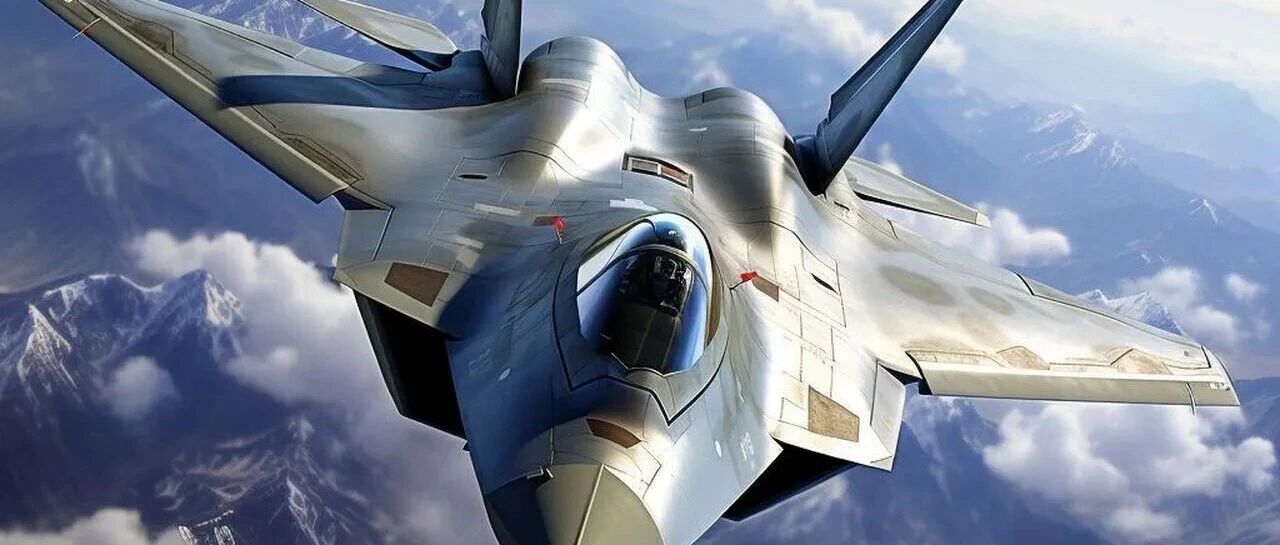
军工材料:为什么隐身材料是真正的“新”材料?(附75页PPT)
材料汇· 2025-10-01 14:41
Core Viewpoint - The article emphasizes the growing demand for stealth materials in modern air combat, highlighting their critical role in enhancing the performance of advanced military aircraft and the significant market potential for these materials [2][3][4]. New Demand - The emergence of stealth air combat has created a fundamental need for stealth materials, as stealth aircraft like the F-22 have proven to be decisive in combat scenarios [18][19]. - Stealth capabilities allow aircraft to choose optimal engagement and disengagement strategies, significantly reducing the opponent's chances of effective counteraction [19]. New Market - The demand for stealth materials is expected to grow rapidly in both the pre-installation market, driven by advanced aircraft like the fourth-generation fighters, and the post-installation market, where maintenance and updates are necessary to sustain performance [3][4]. - Lockheed Martin reported that 50% of the maintenance costs for the F-22 are attributed to stealth coatings, indicating a robust aftermarket for stealth materials [3]. New Logic - The investment logic for stealth materials is categorized into four phases: 1. Short-term: Increased demand for stealth materials as new aircraft are deployed. 2. Mid-term: Significant potential for performance enhancement and increased penetration rates of stealth materials. 3. Long-term: Expansion of stealth requirements into structural components, creating new growth opportunities. 4. Aftermarket: Large order volumes leading to economies of scale, driving sustained industry growth [4][7]. New Pattern - The stealth materials industry exhibits high barriers to entry, including military qualification, first-mover advantages, and research and development challenges [5]. - U.S. military stealth materials are primarily developed in-house or in collaboration with laboratories, establishing a competitive edge that is difficult for latecomers, such as Chinese manufacturers, to overcome [5]. Product Analysis - Stealth materials are categorized into three main types: infrared stealth, radar-absorbing materials, and metamaterials, each addressing different detection technologies [46]. - The primary focus of stealth material research is on reducing radar cross-section (RCS) and infrared emissions, which are critical for enhancing stealth capabilities [37][46]. Industry Dynamics - The stealth materials market is characterized by a growing need for advanced military capabilities amid tightening international security situations, leading to increased defense spending [3][4]. - The article outlines the historical development of stealth technology, indicating a shift from initial concepts during World War II to the current advanced stealth systems [30][31].
华秦科技9月15日获融资买入1237.30万元,融资余额1.75亿元
Xin Lang Cai Jing· 2025-09-16 01:41
Group 1 - The core viewpoint of the news is that Huayin Technology experienced a decline in stock price and trading volume, with significant changes in financing and securities lending activities [1][2]. - On September 15, Huayin Technology's stock fell by 3.08%, with a trading volume of 111 million yuan. The financing buy-in amount was 12.37 million yuan, while the net financing buy-in was 3.96 million yuan [1]. - As of September 15, the total balance of margin trading for Huayin Technology was 179 million yuan, with a financing balance of 175 million yuan, accounting for 1.00% of the circulating market value, which is below the 50th percentile level over the past year [1]. Group 2 - As of June 30, Huayin Technology had 9,033 shareholders, an increase of 1.54% from the previous period, with an average of 18,859 circulating shares per person, up by 37.88% [2]. - For the first half of 2025, Huayin Technology reported operating revenue of 516 million yuan, a year-on-year increase of 6.44%, while the net profit attributable to the parent company was 146 million yuan, a decrease of 32.45% year-on-year [2]. - Since its A-share listing, Huayin Technology has distributed a total of 265 million yuan in dividends, with 241 million yuan distributed over the past three years [3].
大国重器的基石正被引爆:十四五军工材料深度解读,揭秘百亿赛道投资机会
材料汇· 2025-09-01 15:51
Group 1 - Military materials are the cornerstone of the military industry, requiring high strength, high temperature resistance, corrosion resistance, and low density to meet the extreme conditions of military equipment [2][39]. - The development of advanced military materials is crucial for the advancement of high-end weaponry, with new materials contributing significantly to the performance of military equipment, particularly in aerospace applications [3][39]. - The demand for high-performance materials such as titanium alloys, high-temperature alloys, and composite materials is increasing due to the rapid deployment of new military equipment [5][6]. Group 2 - The "14th Five-Year Plan" period is expected to see rapid expansion in military materials, driven by accelerated deployment of new military equipment and a shift towards domestic production [6][7]. - The market demand for high-end titanium alloys, carbon fibers, and high-temperature alloys is projected to grow at compound annual growth rates of 20%, 25%, and 16% respectively, with market sizes expected to exceed 100 billion, 200 billion, and 300 billion yuan by 2025 [7]. - The transition of military materials to civilian applications is anticipated to provide a second growth driver for the industry, as technological advancements open up new markets [8][9]. Group 3 - Titanium alloys are highlighted as a key material for new military equipment due to their low density, high strength, and corrosion resistance, with applications in aerospace and naval sectors [10][11]. - High-temperature alloys are essential for modern aerospace engines, with increasing demand and supply constraints indicating a robust growth phase for the industry [13][39]. - Aluminum alloys remain the most widely used metal materials in military applications, with a trend towards high-performance materials gradually replacing them [40]. Group 4 - Carbon fibers and their composites are recognized as strategic materials for national defense, with significant growth in demand driven by military applications [14][39]. - The domestic production of aramid fibers is currently low, presenting substantial opportunities for import substitution as demand in defense and security sectors rises [15]. - Ultra-high molecular weight polyethylene (UHMWPE) fibers are becoming the preferred material for ballistic protection, with anticipated growth in military applications as domestic production capabilities improve [16]. Group 5 - Stealth materials are critical for the development of military equipment, with advancements in radar and infrared stealth technologies driving demand [17][18]. - Advanced ceramics are increasingly important in military applications, particularly in structural and electronic components, with ongoing development needed to catch up with international standards [19].
结构件放量,“隐身战机4S店”佳驰科技二季度营收大增226%
2 1 Shi Ji Jing Ji Bao Dao· 2025-08-29 09:32
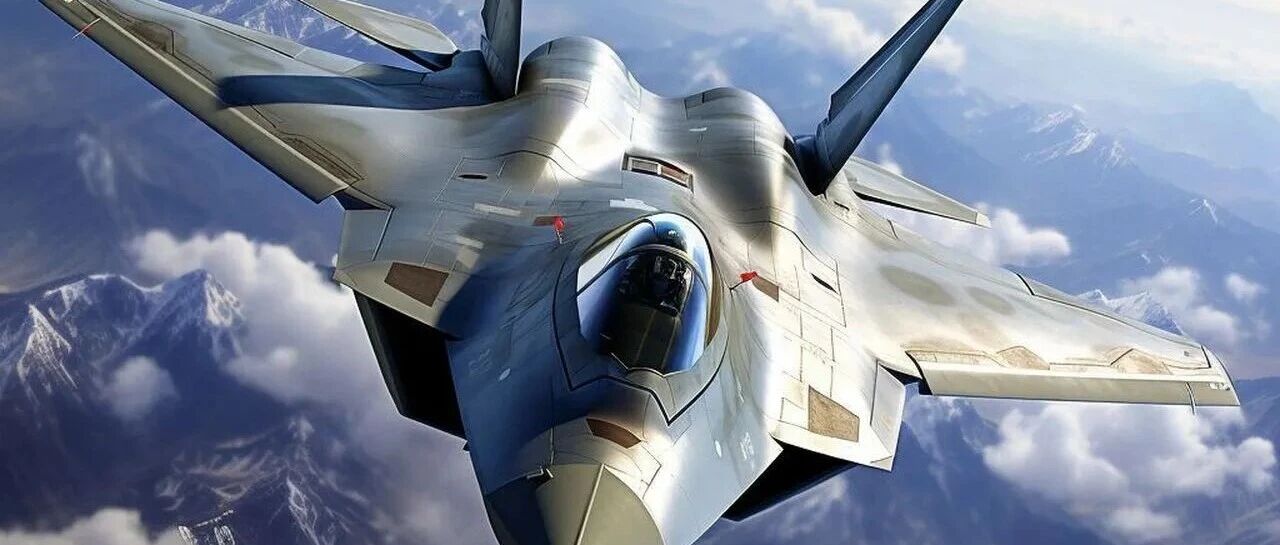
Core Viewpoint - The key highlight of Jiachi Technology (688708.SH) in the first half of the year is its stealth function structural components business, which has shown significant growth despite a slight decline in overall revenue [1][4]. Revenue Performance - In Q2, the company's revenue reached 213 million yuan, a quarter-on-quarter increase of 225.98%, although total revenue for the period showed a slight year-on-year decline [1]. - The sales revenue from stealth function structural components was 199 million yuan, representing a 96.18% increase compared to the same period in 2024, and accounted for 71% of total revenue [3]. - The revenue structure shifted, with stealth function coating materials contributing 25.8% to total revenue, down from previous levels [3]. Cost and Profitability - The total operating cost, including "four expenses," was 180 million yuan, an increase of 29.33% year-on-year [6]. - The decline in revenue combined with rising costs led to a significant drop in profits, with net profit attributable to the parent company decreasing by approximately 46.5% [7]. - The gross profit margins for stealth function coating materials and structural components fell to 68.2% and 76.4%, respectively, compared to 75.4% and 81.14% in 2024 [7]. Research and Development - Jiachi Technology's R&D expenses grew by 88% to 70.97 million yuan, accounting for 25.47% of total revenue, which is significantly higher than the median of 12.5% among listed companies on the Sci-Tech Innovation Board [8]. - The number of ongoing R&D projects increased from 50 to 77, focusing primarily on aerospace applications, with some projects related to naval vessels and unmanned aerial vehicles [9]. - The company has made substantial investments in R&D, with a projected total investment of 375 million yuan for R&D projects in 2025, indicating a commitment to maintaining high R&D intensity for future growth [9].
隐身材料:先进战机核心技术,新兴材料潜力巨大
2025-08-18 15:10
Summary of Conference Call Records Industry Overview - The conference call discusses the stealth materials industry, focusing on advanced technologies used in military aircraft and naval vessels, particularly radar and infrared stealth technologies [1][2][3]. Key Points and Arguments 1. **Stealth Technology Development**: Stealth technology relies on the evolution of detection methods, primarily visible light, radar, and infrared detection. Radar stealth technology is the main focus, with passive stealth being the predominant method, which involves controlling electromagnetic waves and reducing echo intensity [1][3]. 2. **Radar Cross Section (RCS)**: RCS is a critical metric for measuring stealth effectiveness, equating the aircraft to a sphere for signal reflection comparison [4]. 3. **Infrared Stealth Techniques**: Infrared stealth targets specific wavelength bands (1-2.5 microns, 3-5 microns, and 8-14 microns) to reduce infrared radiation from high-temperature areas by applying low infrared emissivity coatings [1][6]. 4. **Frequency Selective Surfaces**: These surfaces allow specific frequency electromagnetic waves to pass while blocking others, used in aircraft like the F22 and naval vessels like the Lafayette-class frigate [1][7]. 5. **Metamaterials**: Metamaterials exhibit extraordinary physical properties through sub-wavelength unit structures, enabling electromagnetic waves to bypass objects, thus providing new directions for military technology [1][8][9]. 6. **Market Growth**: The stealth materials market is expected to see significant growth as next-generation aircraft demand higher stealth characteristics, benefiting several A-share listed stealth material suppliers over the next 5 to 10 years [2]. Company-Specific Insights 1. **U.S. Defense Budget**: The U.S. defense budget for 2026 allocates $68.3 billion for aircraft and related systems, a 10% increase from 2025. The budget for the B21 stealth bomber and the Next Generation Air Dominance (NGAD) project shows substantial growth, indicating strong government support for stealth technology [3][11]. 2. **HuaQing Technology**: The company has seen continuous revenue and net profit growth from 2020 to 2024, with a projected revenue of 1.139 billion yuan in 2024, up 24.17% year-on-year, driven by increased production and sales of special functional materials [12][13]. 3. **Guangqi Technology**: The company reported a revenue of 1.558 billion yuan in 2024, a 4.25% increase, with significant growth in R&D revenue by 911%. The company aims for substantial revenue growth targets from 2025 to 2027 [16][17]. 4. **Jiachi Technology**: The company focuses on stealth coatings and structures, achieving a revenue of 957 million yuan in 2024, with stealth coating revenue slightly declining. The company has ambitious revenue targets for 2025 to 2027, despite facing industry challenges [18][19]. Additional Important Content - The relationship between stealth demand and detection technology development is reciprocal, with advancements in detection methods driving the need for improved stealth capabilities [3]. - The historical context of stealth materials shows a transition from early, less effective materials to advanced composite materials used in modern aircraft, significantly improving maintenance and stealth performance [10]. - The challenges posed by infrared detection highlight the need for innovative solutions to maintain stealth capabilities in high-temperature environments [6]. This summary encapsulates the critical insights from the conference call, emphasizing the growth potential and technological advancements in the stealth materials industry, alongside specific company performances and market dynamics.
军工行业材料月报:关注半年报披露-20250814
AVIC Securities· 2025-08-14 02:37
Investment Rating - The industry investment rating is "Overweight" indicating that the growth level of the industry is expected to be higher than that of the CSI 300 index in the next six months [4][54]. Core Insights - The military materials index has outperformed the industry, with a growth rate of 3.59% in July, surpassing the industry average by 0.51 percentage points [3][33]. - The report identifies several key drivers for the rapid growth of the military materials sector, including the final year of the 14th Five-Year Plan, increased geopolitical tensions, advancements in new materials technology, and the dual-use nature of military and civilian applications [3][10][12]. - The report anticipates a gradual recovery in the military materials industry, driven by concentrated demand release in 2025 and the increasing certainty of large orders in the sector [10][11]. - The report highlights the importance of multi-functional materials and new manufacturing processes, such as additive manufacturing, which are expected to see rapid development in military applications [14][16]. Summary by Sections Military Materials Industry Analysis - Domestic suppliers need to enhance their technical capabilities and manufacturing efficiency to meet the rapid development of the civil aviation industry [8][29]. - The establishment of specialized production lines for civil aircraft components is expected to accelerate the production of domestic large aircraft [29][30]. Capital Market Status - The military materials index has shown a positive performance, with a notable increase in public fund holdings in military materials [3][34]. - The report notes that the military materials sector has experienced a lag in growth compared to the overall military industry, indicating potential for catch-up [3][10]. Important Investment Logic - The report suggests focusing on companies involved in high-temperature alloys, titanium alloys, and composite materials, which are expected to benefit from the growing demand in both military and civilian markets [18][51]. - The military materials sector is projected to see significant growth in the next few years, with high-end titanium alloys, carbon fibers, and high-temperature alloys expected to reach market sizes of over 200 billion, 300 billion, and 400 billion respectively by 2028 [44][45].
军工材料盘点:国防领域6大前沿新材料和关键技术
材料汇· 2025-07-28 15:57
Group 1: Carbon Fiber - Carbon fiber is a crucial material in modern warfare, enhancing the performance of military equipment due to its high strength, low density, and excellent thermal and electrical properties [4][6][10] - The development of carbon fiber began in the 1860s, and it is recognized for its superior characteristics, making it a strategic material for military applications [6][7] - The complexity of manufacturing carbon fiber has led to significant advancements in military technology, with countries investing heavily in its development to improve weapon systems [8][9] Group 2: Advanced Materials - The modern information warfare emphasizes the importance of high-performance materials, with carbon fiber and composites being essential for achieving stealth, low energy consumption, and high maneuverability in military equipment [10] - Countries are focusing on developing higher strength and modulus carbon fibers, along with advanced resins and manufacturing technologies, to enhance their military capabilities [10] Group 3: Metamaterials - Metamaterials are engineered to have properties not found in naturally occurring materials, offering revolutionary applications in military technology, particularly in stealth and radar evasion [14][18] - The development of metamaterials has led to significant advancements in stealth technology, enabling military assets to avoid detection by various means [18][19] Group 4: Graphene - Graphene is recognized as a leading material in military technology due to its exceptional strength, flexibility, and conductivity, with applications in microelectronics and advanced protective materials [28][30] - The U.S. and other developed nations are investing heavily in graphene research to enhance military capabilities, including the development of faster and more efficient computing systems [30][31] Group 5: Armor Materials - The demand for advanced armor materials has increased due to the evolving nature of warfare, with a focus on improving the protective capabilities of military vehicles [36][37] - Various materials such as ballistic glass, steel, ceramics, and high-strength fibers are being utilized to enhance the armor protection of military equipment [38][41][42] Group 6: Stealth Coatings - Stealth coatings are critical for reducing the detectability of military assets, with various types designed to minimize radar, infrared, and visual signatures [46][49] - The development of multi-functional stealth materials is a key focus, aiming to provide comprehensive protection against multiple detection methods [58][59] Group 7: 3D Printing in Defense - 3D printing technology is becoming increasingly important in the defense sector, allowing for the rapid production of complex components and reducing costs [66][67] - The U.S. military is integrating 3D printing into its operations to enhance the maintenance and performance of aircraft and other military equipment [71][74]