消费必需品

Search documents
关税阴霾下的避险新风向:亚洲消费股、印度银行股和日本长债
Hua Er Jie Jian Wen· 2025-04-21 09:18
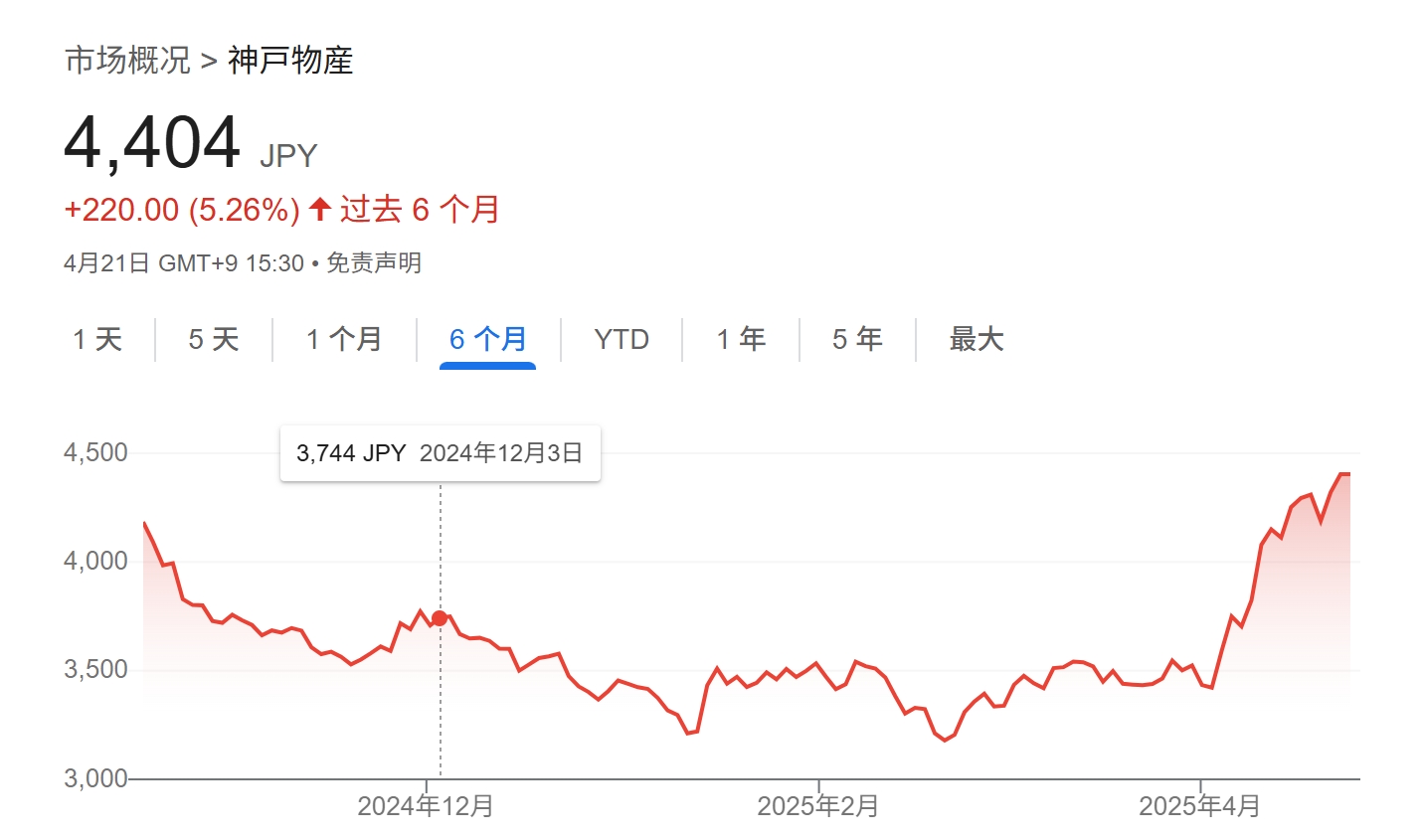
Group 1 - The core viewpoint is that top overseas investment institutions are shifting towards defensive strategies amid global trade conflicts, with significant capital flowing into Asian consumer staples stocks, Indian bank stocks, and Japanese long-term bonds [1][4]. Group 2 - The MSCI Asia Pacific Consumer Staples Index has risen by 5% since April 2, outperforming the broader market index, which has declined by 2.5% during the same period [2]. - Stocks of supermarket chains like Yonghui Supermarket in China and Kobe Bussan in Japan have increased by at least 19%, with beverage and dairy producers also showing strong performance [2]. Group 3 - Major investment banks, including Goldman Sachs and Morgan Stanley, have recommended Asian consumer staples stocks, urging investors to adopt defensive strategies [4]. - Fidelity International has taken the opportunity to buy Chinese consumer stocks, betting on their benefits from government stimulus measures [4]. Group 4 - Indian bank stocks have reached historical highs, with the NSE Nifty Bank Index rising over 7% since April 2, outperforming the benchmark NSE Nifty50 Index by more than 3% [4]. - Indian banks are considered relatively insulated from global tariff tensions due to their limited exposure in international trade, and their fundamentals remain strong [7]. Group 5 - Japanese long-term government bonds are attracting record foreign investment, with global funds net buying 2.18 trillion yen (approximately $1.55 billion) in March for bonds with original maturities exceeding 10 years [7]. - The total net buying across all maturities reached 6.03 trillion yen, marking the second-highest total since 2004 [7]. Group 6 - The shift in investment thinking indicates a transition from chasing global growth and exports to seeking refuge in domestic demand resilience [8]. - The consumer staples sector has demonstrated resilience during economic pressures, making it an attractive investment option, especially as government fiscal stimulus plans provide additional support [8]. Group 7 - The combination of consumer staples resilience, the independence of the Indian financial sector, and the safe-haven attributes of Japanese government bonds outlines a clear investment roadmap [9]. - This transition reflects a potential long-term trend in global capital flows, moving from trade-sensitive assets to more resilient sectors and regions [9].

高盛调研发现:欧洲机构正愈发乐观,计划增加对中国消费股投资,1月开始已逐步建仓
华尔街见闻· 2025-03-15 10:20
Core Viewpoint - Offshore investors are optimistic about the sustainability of China's consumption recovery, closely monitoring policy stimuli, changes in consumption patterns, and emerging trends [1] Group 1: Investor Sentiment - Emerging market (EM) funds are gradually becoming optimistic and increasing their holdings in Chinese consumer stocks, indicating a potential investment opportunity in the sector [2][5] - Since January 2025, bullish positions have been increasing in essential consumer goods, including brands like Mengniu, Budweiser, and Master Kong [3] - The allocation of Chinese assets in global mutual funds remains low, with only the 8th percentile in January, leading value-oriented long-only funds to seek out underperformers and beneficiaries of policy stimuli [4] Group 2: Policy Focus - Investors expect more policy measures to boost consumer demand, including consumption vouchers, new child-rearing subsidies, and increased disposable income for low-income groups, as domestic consumption recovery is a top priority in this year's Two Sessions [6] - The consumer confidence index has stabilized in recent months, and real estate prices have rebounded since December, indicating a reduction in negative wealth effects [6][7] Group 3: Profit Cycle - Goldman Sachs anticipates a cyclical rebound in sales volume for essential consumer goods, particularly in dairy and beer sectors starting in Q2 2025, despite current weak demand [8] - Early signs of profit recovery are noted in sub-industries like dairy, beer, and dining, attributed to effective cost and operational expenditure control by companies [9] - A stricter capital expenditure cycle from 2024 to 2026 is expected to improve supply-demand dynamics and enhance profitability visibility [9][10]