滑雪场

Search documents
甘肃兰州皋兰县就“龙山国际滑雪场缆车停运事件”致歉
Xin Lang Cai Jing· 2026-01-17 14:40
Group 1 - The core incident involved a cable car malfunction at the Lanzhou Longshan International Ski Resort, resulting in 104 tourists being stranded [1] - Emergency response was coordinated by multiple local departments, including emergency services, fire rescue, police, and health agencies [1] - The cable car resumed normal operations by 18:47 on the same day, with all stranded tourists safely evacuated without any reported injuries [1] Group 2 - An investigation is currently underway to determine the cause of the cable car malfunction [1] - The local authorities expressed apologies for the inconvenience caused to the tourists [1]
开板巡游点燃冰雪热情
Xin Lang Cai Jing· 2026-01-01 18:45
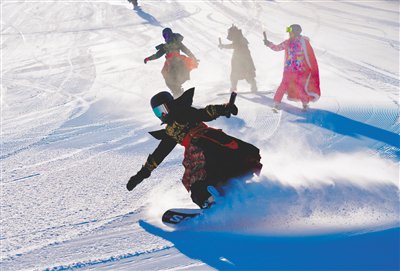
Group 1 - The core viewpoint of the article highlights the opening of the Harlan Arshan Ski Resort in the Xingan League, which integrates professional skiing, ecological sightseeing, and hot spring wellness services, addressing the gap in large-scale skiing and supporting service industries in the region [3] Group 2 - The ski resort officially opened on December 31, 2025, featuring a team of professional coaches and skiing enthusiasts [3]

昌平万张惠民雪票开抢!最低20元!
Xin Lang Cai Jing· 2025-12-25 13:18
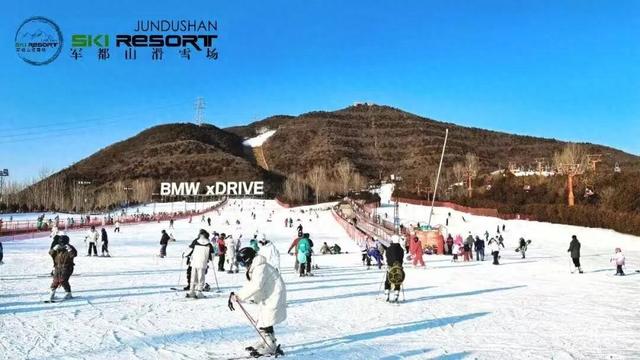
Core Viewpoint - The Changping District Sports Bureau has launched a subsidized ski ticket initiative to promote winter sports participation among the public, aligning with national sports development goals [3][5]. Group 1: Event Details - The subsidized ski ticket program will run from January 5, 2026, to February 28, 2026, covering the entire winter sports season [10]. - A total of over 10,000 low-priced ski tickets will be available, with prices starting as low as 20 yuan for 4 hours of skiing [3][5]. Group 2: Pricing and Offerings - The program features differentiated pricing for three selected ski resorts: - Huabin Mammoth Ski Resort: 20 yuan per ticket - Jingzhihu Ski Resort: 30 yuan per ticket - Jundushan Ski Resort: 40 yuan per ticket [5]. - The ticket price includes 4 hours of skiing, equipment rental (skis, boots, poles), and facility usage fees, ensuring no hidden costs [5]. Group 3: Ticket Purchase Process - Tickets can be purchased online through a simple process, with sales starting every Monday at 10 AM [7][8]. - The tickets for Jundushan and Jingzhihu resorts are valid only on weekdays, while Huabin Mammoth tickets can be used on weekends as well [8]. Group 4: Target Audience and Features - The ski resorts cater to various audiences, with Jundushan offering pet-friendly services, Jingzhihu suitable for families and intermediate skiers, and Huabin Mammoth providing an upgraded skiing experience [10].
擦亮“学滑雪 到长春”品牌 四大滑雪场教滑雪各有招法
Xin Lang Cai Jing· 2025-12-20 05:45
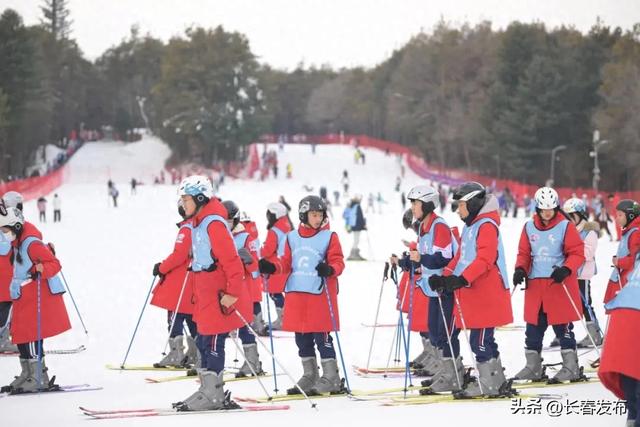
Core Viewpoint - The establishment of the Northern Ski Training Alliance aims to enhance the integration and standardization of ski training resources across various ski resorts in Changchun, promoting the development of the ice and snow economy and improving the quality of ski training [3][4][6]. Group 1: Ski Resorts and Training Programs - Four major ski resorts in Changchun, including Miaoxiangshan, Tianding Mountain, Lianhua Mountain, and Jingyue Lake, have opened for the new snow season, offering high-quality snow and facilities while launching specialized training products to cater to different age groups and skill levels [1]. - Jingyue Lake Ski Resort has become a preferred choice for beginners, focusing on integrating resources and establishing a collaborative platform for ski training [3]. - The Northern Ski Training Alliance, formed by multiple ski resorts and training institutions, aims to create a collaborative development platform and improve industry standards [3][4]. Group 2: Standardization and Curriculum Development - The alliance plans to develop standardized training and certification systems, incorporating international ski teaching methodologies and creating a smart service platform for information dissemination and feedback [4]. - Lianhua Mountain Ski Resort is enhancing its training system by collaborating with Changchun Normal University to establish a practical training base, aiming to cultivate high-quality talent for the ski industry [6]. - Various ski resorts are launching diverse training programs, including one-on-one and group courses, to meet the needs of different learners, particularly focusing on youth training camps [9][11]. Group 3: Industry Collaboration and Economic Impact - The collaboration between educational institutions and ski resorts is expected to strengthen the talent pool in the ice and snow industry, aligning educational outcomes with industry needs [6][7]. - The initiatives taken by the ski resorts and the alliance are positioned to elevate Changchun's reputation as a national ice and snow sports destination, encouraging broader participation in winter sports [9][11].
跨年夜“仪式感满满” 主题乐园成为首选地 元旦游 上海多个景区登榜
Jie Fang Ri Bao· 2025-12-08 01:40
Group 1 - The New Year's holiday in 2026 is expected to boost tourism demand, with young users seeking unique and meaningful ways to celebrate the New Year, such as fireworks and countdown events [1] - Major theme parks are planning special New Year's fireworks shows, making them the preferred choice for users during the holiday. The top 10 attractions for the New Year's holiday include Beijing Universal Resort, Zhuhai Chimelong Ocean Kingdom, Harbin Ice and Snow World, and Laojun Mountain Scenic Area, with theme parks occupying four spots [1] - Shanghai Disneyland ranks high on the attraction list due to its "Light Up the New Year" castle show and fireworks display [1] Group 2 - There is a significant increase in demand for New Year's blessings at temples, with Suzhou Hanshan Temple, Hangzhou Lingyin Temple, and Shanghai Longhua Temple gaining over 80% attention compared to previous periods [1] - "Ice and snow tourism" is becoming mainstream, with rising ticket bookings for popular destinations like Harbin, Changbai Mountain, and Altay, leading to a surge in flight prices. For example, flights from Shanghai to Harbin increased from below 500 yuan to over 1200 yuan, more than doubling in price [1] - Large indoor ski resorts have become a priority for some users during the holiday, with Shanghai Yao Snow World, Shenzhen Huafa Ice and Snow Miracle, and Suzhou Taicang Alps Snow World leading in booking popularity [2]
冬季旅游避坑指南:消费前如何查询投诉信息提前排雷
Xin Lang Cai Jing· 2025-11-25 07:07
Core Viewpoint - As winter approaches, consumer activities such as ice and snow tourism, hot spring vacations, and purchasing New Year goods peak, leading to an increase in various consumer disputes, particularly in the tourism, e-commerce, and transportation sectors [1] Group 1: Consumer Behavior - Consumers are increasingly adopting the habit of checking complaints before making purchases, similar to reading reviews before booking hotels or buying products [2] - This proactive approach helps consumers avoid potential pitfalls and make informed decisions based on the historical complaint records of companies [2] Group 2: Channels for Checking Complaints - Consumers can access multiple public channels to check a company's complaint history, including: - Government-led complaint platforms like the national 12315 platform, which provides official data on complaint responses and resolution rates [3] - Industry self-regulatory organization platforms that report on member complaints, suitable for specific service industries [4] - Third-party public complaint platforms, such as Black Cat Complaints, which aggregate information and allow users to search for historical complaints and resolutions [5] Group 3: Industry-Specific Complaint Focus - Different industries have distinct complaint hotspots that consumers should focus on: - Tourism platforms/hotel bookings: Key issues include refund response speed, authenticity of listings, and unauthorized cancellations during holidays [6] - Airlines/railway passenger transport: Complaints often revolve around flight delay compensation, refund and change policies, and service attitudes [6] - Ski resorts/hot spring attractions: Common complaints relate to safety measures, facility maintenance, and ticketing rules [6] - E-commerce for New Year goods: Major dispute points include false promotions, shipping delays, and quality of perishable goods [6] Group 4: Utilizing Complaint Platforms - Modern complaint platforms are enhancing their services to help users protect their rights before and after consumption, exemplified by Black Cat Complaints, which offers easy access through various platforms and a streamlined complaint submission process [7][8] - The platform features a real-time tracking system for complaints, promoting transparency and encouraging companies to prioritize user experience [8] Group 5: Conclusion - In an era of increasing transparency, consumers are empowered to evaluate service quality through complaint data, making it essential to check complaint histories before making purchases [8]
各大雪场蓄力新雪季
Liao Ning Ri Bao· 2025-11-24 01:04
Core Viewpoint - The province is enhancing its ice and snow economy by preparing ski resorts for the new snow season, focusing on innovative and diverse snow sports offerings to attract visitors [1] Group 1: Industry Developments - Major ski resorts in the province are in the final stages of preparation for the new snow season as temperatures drop [1] - A series of initiatives have been launched to upgrade the quality of the ice and snow economy [1] - Ski resorts are innovating by creating a variety of snow sports projects to enhance visitor experience [1] Group 2: Specific Operations - At Qipanshan Ice and Snow World, 12 snow-making machines are operating continuously across 7 tracks [2] - The expected snow coverage rate on the tracks is over 60%, after which the resort will officially open to guests [1]

冬季礼包,激发消费新活力
Ren Min Ri Bao· 2025-11-19 22:20
Core Viewpoint - The Xinjiang Uygur Autonomous Region's Culture and Tourism Department has launched a winter tourism promotion package, inviting tourists to experience "Hot Snow Xinjiang" through various discounts and offers [1] Group 1: Winter Tourism Promotion - 45,000 ice and snow tourism consumption vouchers will be distributed in six rounds, covering 11 high-quality ski resorts in Urumqi, Changji, and other areas, catering to different consumer groups such as beginners, professionals, and families [1] - Over 150 A-level tourist attractions are offering free admission, half-price, and discount benefits, including more than 10 A-level attractions in Ili, such as Kalajun and Nalati, and 32 A-level attractions in the Hotan region that are open for free [1]
从世界首富到财富缩水95%:堤义明的资本悖论
Sou Hu Cai Jing· 2025-08-01 07:18
Core Insights - The rise and fall of Takafumi Tsuji exemplifies the interplay between capital logic and human obsession, highlighting the risks of unchecked ambition and governance failures [2][7] Group 1: Rise of Takafumi Tsuji - Takafumi Tsuji's ascent began with a "political-business symbiosis" model established by his father, which allowed the Seibu Group to gain policy advantages through land and railway acquisitions [3] - By the 1980s, during Japan's economic bubble, Tsuji amassed land equivalent to one-sixth of Japan's territory, capitalizing on a 20% annual increase in land prices [3][4] Group 2: Governance and Management Style - Tsuji's management style was characterized by autocracy, with no board meetings for seven years and decisions made solely by him, leading to impressive growth rates during the expansion phase [4] - However, this lack of oversight created significant governance risks, as evidenced by his refusal to dilute family control through strategic investments, which later contributed to financial crises [4][5] Group 3: Financial Decline and Ethical Failures - The collapse of Japan's real estate bubble in the 1990s led to a dramatic decline in Tsuji's wealth, which fell from approximately $20 billion in 1990 to $500 million by 2000 [5][6] - Tsuji resorted to financial fraud to maintain control, misreporting ownership stakes and ultimately facing legal consequences, including arrest for insider trading and accounting fraud [6][7] Group 4: Lessons for Investors and Entrepreneurs - The case of Takafumi Tsuji underscores the importance of genuine asset valuations over mere scale, emphasizing that cash flow health is critical [8] - It also highlights that governance structures are essential for risk management, as autocratic management can lead to vulnerabilities during economic downturns [8] - Lastly, the story illustrates that obsession can be detrimental to capital management, as Tsuji's refusal to sell during the bubble's peak led to catastrophic losses [8]