Crop Farming

Search documents
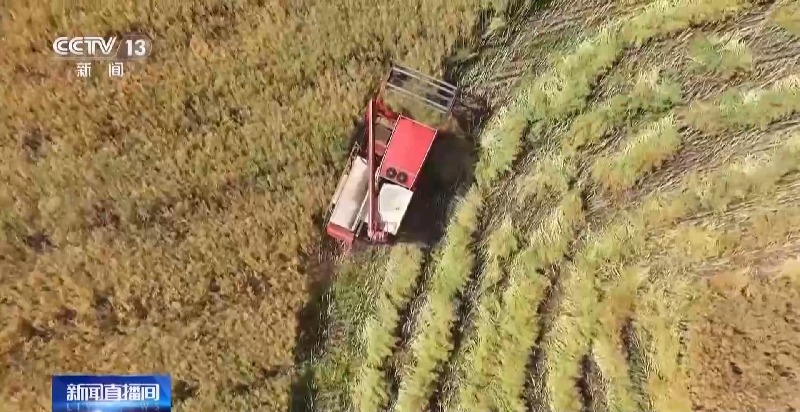
万亩凤堰古梯田迎丰收 秋日丰收美景已上线!
Yang Shi Xin Wen· 2025-09-20 01:46
Group 1 - The core viewpoint of the articles highlights the successful harvest season in various regions, particularly focusing on the agricultural practices and the integration of tourism with farming to promote rural revitalization [1][9] - The Fengyan Terraces in Han Yin County, recognized as a World Irrigation Heritage site, have a rice planting area of 12,000 acres with an average yield exceeding 450 kg per acre, with harvesting expected to be completed by the end of September [1][5] - The local farmers are actively engaged in harvesting rice, showcasing a vibrant and busy harvest scene, with the quality of the rice being positively noted by farmers [3][11] Group 2 - The establishment of a selenium-rich rice processing enterprise in August aims to enhance the added value and brand influence of the rice through unified procurement, processing, and packaging [7] - The Fengyan Terraces have developed an integrated industry chain of "rice planting + processing and sales + tourism," ensuring food production while stimulating rural tourism [9] - The local tourism has attracted photography enthusiasts, leading to increased sales of high-quality rice, with visitors often purchasing rice to take home [11] Group 3 - In Jiangxi Province, over 12 million acres of mid-season rice are being harvested, with optimized planting management and technical support contributing to a successful yield [12][26] - The average yield in Jinxi County is reported to be over 1,400 jin per acre, with effective water management practices implemented to mitigate the impact of high temperatures and drought [14][16] - The establishment of grain drying service centers has improved the efficiency of rice processing, allowing for the direct purchase of wet rice from farmers, thus reducing costs and enhancing convenience [21][24] Group 4 - In Hunan Province, the chili pepper harvest is thriving, with a complete industry chain formed through the "enterprise + cooperative + farmer" model, benefiting local farmers and creating job opportunities [27][29] - The chili planting area has expanded by 15% compared to last year, with an annual production exceeding 89,000 tons, and the product range has diversified to include over ten varieties [31]

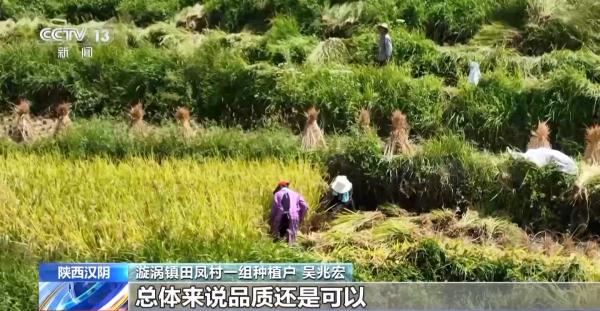
秋日丰收“科技+”唱主角 创新服务农户地头售粮、即时变现
Yang Shi Wang· 2025-09-12 09:53
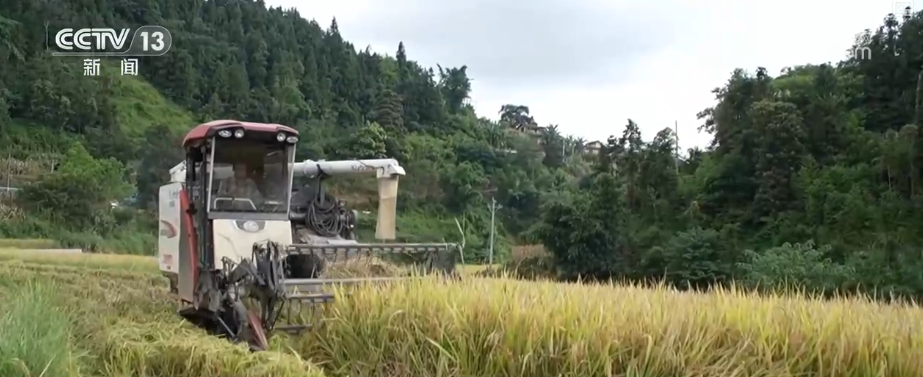
Group 1 - The core viewpoint of the articles highlights the advancements in agricultural practices, particularly in rice and wheat harvesting, through mechanization and technology integration [1][5][12] - In Qianxinan Prefecture, Ce Heng County, the integration of "mechanized harvesting + drone transportation" significantly improves harvesting efficiency, addressing logistical challenges in rural areas [1][5] - In Yangba Town, over 60% of the 6,100 acres of rice planted in 2025 will utilize mechanized harvesting, with completion expected by early October [7] Group 2 - In the Ili River Valley of Xinjiang, both winter and spring wheat are being harvested, with spring wheat harvest reaching 97% completion [10] - The local government has implemented measures to enhance wheat yield, including the distribution of 50.36 million yuan in subsidies for quality seeds and the promotion of advanced agricultural techniques [12] - The highest yield for spring wheat in 2025 is projected at 850.21 kg per acre, marking a 19.78% increase compared to 2024 [12] Group 3 - In Changji, 1.46 million acres of corn are being harvested, with nearly 30% of the crop already collected [18] - The use of smart water and fertilizer integration systems and dense planting techniques has increased the net income per acre by 200 yuan compared to 2024 [16] - In Heilongjiang, the autumn harvest is underway, with efficient grain collection facilitated by pre-deployed machinery and direct sales to buyers [20][22]
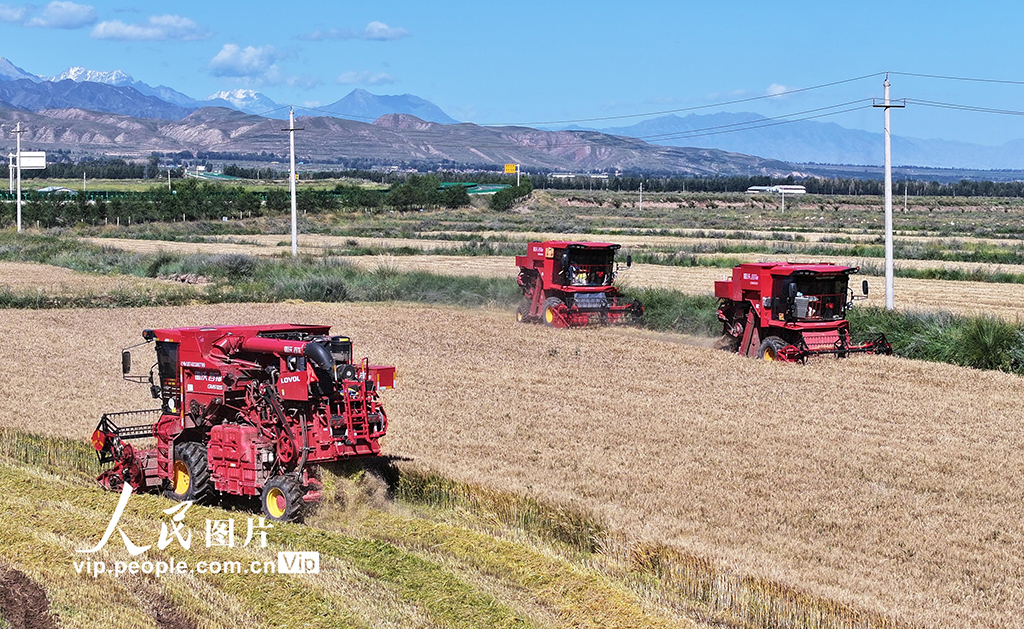
甘肃民乐:收割小麦
Ren Min Wang· 2025-08-30 03:03
Core Viewpoint - The article discusses the wheat harvesting activities in Minle, Gansu, highlighting the agricultural practices and the significance of wheat production in the region [2][4][5]. Group 1: Agricultural Practices - Wheat harvesting in Minle is a crucial activity that showcases the local agricultural methods and the community's reliance on this crop for sustenance [6][7]. - The article emphasizes the use of modern machinery in the harvesting process, which enhances efficiency and productivity [8]. Group 2: Economic Significance - Wheat is a staple crop in Gansu, contributing significantly to the local economy and food security [2][5]. - The successful harvest is expected to positively impact the livelihoods of local farmers and the overall agricultural output of the region [4][6].
粪肥还田要理顺各方关系
Zhong Guo Huan Jing Bao· 2025-08-08 08:17
Core Viewpoint - The new "Technical Specifications for Returning Livestock Manure to Fields" implemented from August 1 aims to enhance resource utilization and address pollution from livestock farming while reducing chemical fertilizer usage [1][2] Group 1: Implementation and Benefits - The implementation of manure return can effectively solve pollution issues from livestock farming and decrease the reliance on chemical fertilizers [1] - A practical manure distribution system has been established where livestock farmers transport manure to storage pools located in fields, allowing crop farmers to easily access and utilize the manure [1] - This system benefits both livestock farmers, who can extend their facilities and increase storage capacity, and crop farmers, who save on fertilizer costs and have convenient access to manure [1] Group 2: Construction and Management of Storage Pools - Local authorities need to strengthen guidance on the construction of manure storage pools, ensuring that livestock and crop farmers sign comprehensive utilization agreements [2] - The construction of storage pools should consider factors such as terrain, transportation conditions, and environmental protection measures like odor control and water-fertilizer integration [2] - Agricultural departments must provide guidance during the manure application phase to control application rates and methods, preventing secondary pollution [2]
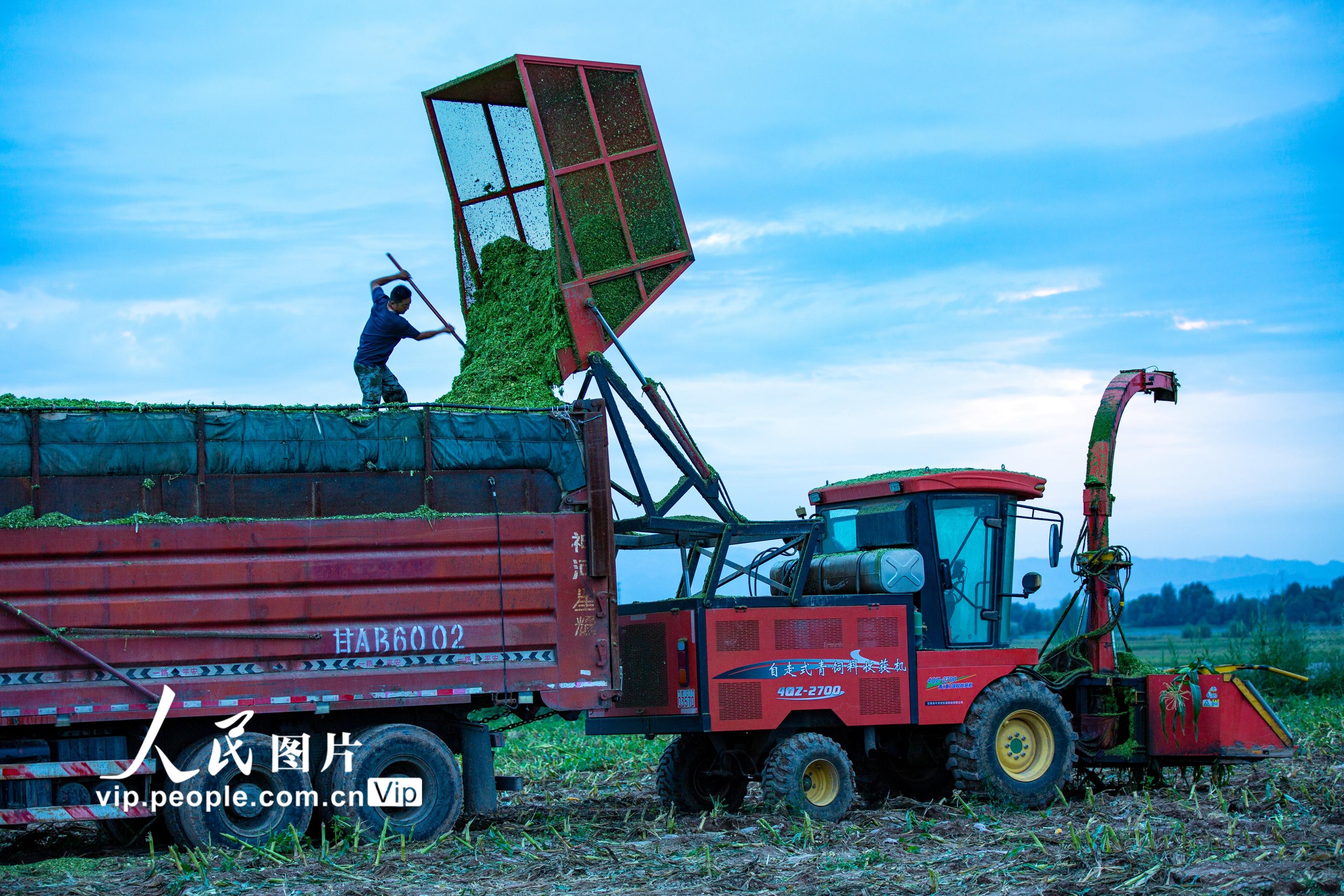
甘肃张掖:玉米青贮忙
Ren Min Wang· 2025-08-04 02:02
Group 1 - The news focuses on the corn silage production activities in Zhangye, Gansu province, highlighting the busy season for farmers [3][6][8]
亩产611.9公斤!肇庆鼎湖沙浦基地节水抗旱稻测产告捷
Nan Fang Nong Cun Bao· 2025-07-20 13:00
Core Viewpoint - The successful harvest of water-saving and drought-resistant rice at the Sha Pu base in Zhaoqing demonstrates the potential of this new rice variety to enhance agricultural productivity and address issues related to abandoned land and ecological restoration [2][21]. Group 1: Harvest Results - The average yield of the water-saving and drought-resistant rice was measured at 611.9 kilograms per mu, showcasing its strong resilience and stable production [4][5]. - The trial involved 40 mu of land, marking the first harvest of this rice variety [2][22]. Group 2: Agricultural Practices - The rice variety used, Drought-Resistant 73, was sown at a rate of 2 kilograms per mu and is particularly suited for planting in previously abandoned land due to its strong drought resistance and ability to thrive in poor soil conditions [8][12]. - The cultivation method employed includes "dry direct seeding" and biodegradable film, relying on natural rainfall throughout the growth period [9][10]. Group 3: Environmental Impact - The water-saving and drought-resistant rice significantly reduces irrigation water usage, minimizes non-point source pollution and methane emissions, and lowers labor costs [15][17]. - This new rice variety is seen as a key solution for revitalizing abandoned and saline-alkali lands, contributing to national food security [21][23]. Group 4: Future Development - The South China Agricultural University plans to further optimize planting techniques and expand demonstration projects to promote the long-term development of water-saving and drought-resistant rice in Zhaoqing and Guangdong [24]. - This agricultural innovation is positioned as a benchmark for agricultural transformation, offering a "Chinese solution" for global food security challenges [25][26].

我省各地进入“三夏”大忙时间
Xin Hua Ri Bao· 2025-05-20 23:40
Core Insights - The summer harvest season is commencing with increased wheat planting areas and preparations for rice sowing across the province [1][2] Group 1: Wheat Harvesting - In Suzhou Wujiang, over 30,000 acres of wheat have been harvested, with a planting area of 225,000 acres, an increase of 6,000 acres from last year [2] - In Kunshan, wheat planting reached 111,300 acres, a year-on-year increase of 6.51%, with expected yields slightly lower than last year but better than the average [2] - Various drought mitigation measures were implemented, including timely irrigation and the application of foliar fertilizers over 22,300 acres [2][3] Group 2: Drought Management - Continuous fine-tuning of agricultural management practices has helped mitigate the adverse effects of drought, with significant efforts in areas like Xishan District [3] - The district utilized "micro-sprinkler irrigation + foliar fertilization" to address soil moisture issues, achieving three times the efficiency of traditional methods [3] - A total of 12.042 million yuan was allocated for drought relief, with 4.65 million acres receiving foliar fertilizer applications [3] Group 3: Training and Technology - Training sessions are being conducted to reduce losses during mechanical harvesting, with a focus on improving the skills of agricultural machinery operators [4][5] - The introduction of new harvesting technologies has led to a noticeable reduction in loss rates compared to traditional models [4] - The establishment of automated seedling production lines is enhancing efficiency, with a capacity to plant 2,400 trays per hour [7][8] Group 4: Rice Cultivation - The province is promoting high-quality seedling production to ensure stable and high rice yields, with a focus on smart and standardized cultivation techniques [6][8] - The total intended rice planting area is 3.0489 million acres, with six factory-based seedling centers already established [7][8] - The integration of IoT and big data technologies is being encouraged to improve agricultural practices and machinery [7][8]
机械化收割、“一喷三防”全覆盖 为夏粮丰收保驾护航
Yang Shi Xin Wen Ke Hu Duan· 2025-05-15 00:46
Group 1 - The main crop for summer grain in China is wheat, with a significant amount of summer oilseed crops also being produced. The overall production situation for summer grain and oil is favorable, with large-scale harvesting expected in about half a month [1] - In Sichuan, Hubei, and Jiangxi, oilseed rape harvesting has begun, with high mechanization rates leading to cost savings. In Mianyang, Sichuan, over 1,200 harvesters are assisting farmers, achieving a mechanization rate of over 80% and saving more than 30% in costs [1] - In Jingmen, Hubei, the promotion of two-stage harvesting technology has significantly increased oilseed rape yield, reducing the loss rate from 30% to below 8%. As of now, 75.8 thousand acres of the 232 thousand acres have been harvested [3] Group 2 - In Fuzhou, Jiangxi, oilseed rape harvesting is nearing completion, with over 10 thousand acres harvested and a mechanization rate of over 90%. The harvesting began in late April, with over 2,800 farming households involved [5] - In Pinglu County, Shanxi, over 250 thousand acres of winter wheat are in the filling stage, with efforts underway to ensure high yields through the use of plant protection drones. The county has adopted a "three unifications" model to address the challenges of scattered plots [9] - The agricultural department in Pinglu County has completed plant protection work on 170 thousand acres of wheat, with plans to cover all 250 thousand acres in the next three to five days [9]