疫苗行业

Search documents
欧林生物递表港交所 独家保荐人为中信证券
Zheng Quan Shi Bao Wang· 2025-11-26 00:49
Company Overview - Olin Bio has submitted its application to list on the main board of the Hong Kong Stock Exchange, with CITIC Securities as the exclusive sponsor [1] - The company focuses on the research, development, production, and commercialization of innovative vaccines, particularly targeting unmet medical needs in "super bacteria vaccines" and "adult vaccines" [1] - Olin Bio has successfully commercialized three products: adsorbed tetanus vaccine, Hib conjugate vaccine, and A and C group meningococcal polysaccharide conjugate vaccine [1] Market Position - According to a report by Zhi Shi Consulting, Olin Bio's adsorbed tetanus vaccine is expected to maintain a leading market position in China from 2022 to 2024, with a market share exceeding 80% in the batch release market [1] - The company possesses the most comprehensive pipeline of targeted vaccines against "super bacteria," including innovative candidates for Staphylococcus aureus, Helicobacter pylori, Pseudomonas aeruginosa, Acinetobacter baumannii, and Group A Streptococcus, all of which are classified as high or critical priority by the World Health Organization [1] Industry Growth - The market size for tetanus vaccines in China is projected to grow from RMB 200 million in 2019 to RMB 800 million by 2024, with a compound annual growth rate (CAGR) of 40.2% [2] - By 2035, the tetanus vaccine market is expected to reach RMB 2.6 billion, with a CAGR of 10.8% from 2024 to 2035, driven by an aging population and expanded applications [2] - The Hib vaccine market in China is anticipated to grow from RMB 500 million in 2024 to RMB 2.4 billion by 2035, with a CAGR of 15.7% [2] - The meningococcal vaccine market is expected to increase from RMB 2.6 billion in 2019 to RMB 2.7 billion by 2024, with a CAGR of 1.4%, and reach RMB 5.8 billion by 2035, with a CAGR of 7.0% from 2024 to 2035 [2]

HPV疫苗趋近饱和,智飞生物蒋仁生财富缩水近千亿
阿尔法工场研究院· 2025-11-24 00:06
Core Viewpoint - The financial performance of Zhifei Biological has significantly declined, with a notable drop in revenue and profit, raising concerns about its future growth potential in the saturated HPV vaccine market [4][6][9]. Financial Performance - In the third quarter, Zhifei Biological reported a revenue decrease of 40% to 2.705 billion yuan, with a net profit loss of 6.01 billion yuan, marking a 556.79% decline [9]. - For the first three quarters, the company achieved a revenue of 7.627 billion yuan, down 66.53% year-on-year, and recorded a net profit loss of 1.206 billion yuan, a shift from profit to loss [9][10]. - The company's cash flow from operating activities surged by 201.18% to 2.985 billion yuan due to reduced payments for agency product purchases [11]. - Sales expenses decreased by 16.57% to 1.615 billion yuan, while R&D expenses fell by nearly 10% to 669 million yuan, which may impact the competitiveness of its products [12]. Market Challenges - The HPV vaccine market is becoming saturated, leading to a significant decline in sales for Zhifei Biological's key products [6][22]. - The company’s four-valent HPV vaccine saw a batch issuance volume drop to zero, while the nine-valent HPV vaccine issuance fell by 76.8% to approximately 4.24 million doses [24]. - The performance of the newly anticipated shingles vaccine has also been underwhelming, with only about 570,000 doses issued, a decrease of 64.24% [24]. Ownership and Dividends - Zhifei Biological has a history of generous dividends, with a total of 15 distributions amounting to 7.318 billion yuan since 2010, resulting in a dividend rate of 20.7% [13][14]. - Despite a significant drop in profits, the company distributed 479 million yuan in dividends last year [14]. Historical Context - Zhifei Biological was founded by Jiang Rensheng, who transitioned from a rural teacher to a prominent figure in the vaccine industry, leading to substantial growth in the company's revenue and market presence [25][30][36]. - The company experienced rapid growth after securing exclusive rights to distribute the four-valent HPV vaccine, with revenues soaring from 446 million yuan in 2016 to 52.918 billion yuan in 2023 [37][38]. Current Valuation - As of November 21, Zhifei Biological's stock price was 20.19 yuan per share, with a total market capitalization of 48.3 billion yuan, reflecting a decline of over 300 billion yuan from its peak in 2021 [7][40].



《中国成人疫苗接种健康促进策略专家共识》发布
Xin Jing Bao· 2025-11-21 07:03
Core Viewpoint - The release of the "Expert Consensus on Health Promotion Strategies for Adult Vaccination in China" emphasizes the necessity and health value of adult vaccination, particularly highlighting the importance of influenza vaccination in reducing disease incidence and healthcare burden [1][2]. Group 1: Importance of Adult Vaccination - The consensus identifies vaccination as the most economical and effective public health measure for preventing and controlling infectious diseases, which can reduce the incidence of various infectious diseases and some chronic diseases, as well as the risks of severe cases and mortality [1]. - Seasonal influenza vaccination can reduce hospitalization rates by 45% and mortality rates by 38% among elderly diabetic patients, and is associated with a decrease in cardiovascular mortality risk [2]. Group 2: Current Challenges - The public's awareness of the benefits of vaccination in preventing infections and reducing severe cases and mortality is low, and there exists a phenomenon of "vaccine hesitancy" among healthcare professionals [2]. - The current immunization program in China primarily focuses on children, with adult vaccination services largely dependent on medical institutions, resulting in a very low coverage rate for adult vaccinations [2]. Group 3: Recommendations for Improvement - The consensus suggests expanding adult immunization channels and improving the service system, including the establishment of independent adult vaccination clinics [3]. - It recommends integrating vaccination into comprehensive health management and gradually implementing preventive vaccination prescriptions by general practitioners, while also enhancing the responsibility of healthcare professionals in vaccine recommendations [3].
《中国成人疫苗接种健康促进策略专家共识》发布,流感防控成为重点方向
Zhong Guo Xin Wen Wang· 2025-11-20 10:47
Core Viewpoint - The release of the "Expert Consensus on Health Promotion Strategies for Adult Vaccination in China" emphasizes the importance of adult vaccination, particularly focusing on influenza prevention as a key direction [1][2]. Group 1: Importance of Adult Vaccination - The consensus highlights the necessity and health value of adult vaccination, addressing the shortcomings in China's adult immunization planning and proposing systematic solutions [1]. - Vaccination is identified as the most economical and effective public health measure to prevent and control infectious diseases, reducing the incidence of various infectious diseases and some chronic diseases, as well as the risks of severe cases and mortality [1]. Group 2: Impact of Influenza Vaccination - Seasonal influenza vaccination can reduce hospitalization rates and mortality rates by 45% and 38% respectively for elderly diabetic patients, and is associated with a decrease in cardiovascular mortality risk [2]. - Vaccination during hospitalization for acute heart failure improves survival rates and reduces the risk of readmission within the following 12 months [2]. Group 3: Current Challenges and Recommendations - The current immunization plan in China focuses primarily on children, resulting in low coverage rates for adult vaccinations [3]. - The consensus recommends expanding adult immunization channels and improving service systems, with some regions already establishing independent adult vaccination clinics [3]. - Various regions have implemented government procurement for free influenza vaccinations for the elderly, and some areas have included non-immunization plan vaccines in personal medical insurance accounts to alleviate the burden on the public [3].
一支流感疫苗公费价便宜过一杯咖啡!疫苗协会倡议抵制无序低价竞争
Di Yi Cai Jing· 2025-11-19 14:23
Core Viewpoint - The Chinese Vaccine Industry Association has issued an initiative to combat "involution" competition in the vaccine sector, aiming to promote high-quality development and establish a healthy competitive environment in the industry [1][2]. Group 1: Initiative Details - The initiative mandates all members of the Chinese Vaccine Industry Association to adhere to the Vaccine Administration Law and the Price Law of the People's Republic of China, ensuring fair and legal pricing based on production costs and market demand [1]. - Members are required to resist disorderly low-price competition and are prohibited from participating in bidding with prices below cost, thereby ensuring product and service quality standards [1][2]. Group 2: Industry Context - The association currently has over 330 member units and 35 branches, encompassing major vaccine and biological product companies, as well as upstream and downstream service providers in the biopharmaceutical industry [4]. - A price war has emerged in the public market, with significant price drops observed. For instance, the bid price for a trivalent flu vaccine from Shanghai Biological Products Research Institute was set at 5.5 yuan per dose in September, marking a new low in the public flu vaccine market [4]. - The price of a bivalent HPV vaccine from Watson Bio was reduced to 27.5 yuan per dose in a procurement project, humorously compared to the cost of a cup of milk tea [4]. Group 3: Financial Impact - The price war reflects a phenomenon of homogenized competition within the industry, leading to financial pressure on vaccine companies. In the first three quarters of this year, 10 out of 14 listed vaccine companies reported a year-on-year decline in net profit [5]. - Notably, five companies, including Zhifei Biological Products and Kanglaite, reported significant losses, totaling over 12 billion yuan for Zhifei alone [5]. - Industry insiders have expressed concerns that some companies are engaging in price wars to survive or capture market share, hoping for further national measures to address the issue of "involution" [5].


流感季来了,打疫苗还来得及吗
He Nan Ri Bao· 2025-11-12 23:49
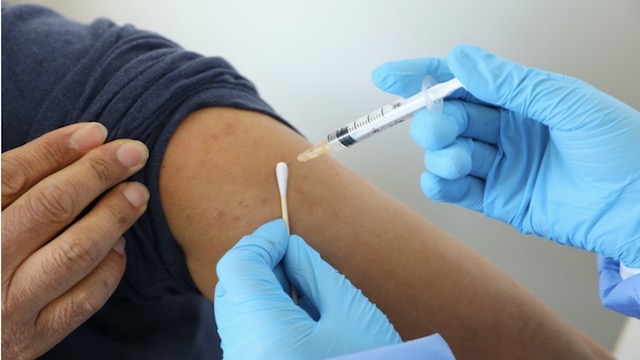
Core Viewpoint - The flu season has begun in Henan, with the H3N2 strain being the predominant virus, raising concerns about vaccination timing and selection [1][2]. Group 1: Flu Season and Virus Information - The flu season in northern provinces typically runs from October to March, with a significant increase in flu cases observed in Henan, particularly among children [1]. - The main circulating strain in Henan is the H3N2 virus, which has previously co-circulated with the BV strain in 2023 [1]. Group 2: Symptoms and Complications - Common symptoms of the flu include high fever (39°C-40°C), headaches, muscle aches, fatigue, cough, and sore throat, with potential complications such as pneumonia and seizures [2]. - A case was highlighted where a 13-year-old developed pneumonia after delayed treatment for flu symptoms, emphasizing the need for timely medical attention [2]. Group 3: Vaccination Recommendations - Annual flu vaccination is the most effective and economical way to prevent the flu, especially for high-risk groups such as infants, the elderly, and those with chronic illnesses [2]. - Both trivalent and quadrivalent flu vaccines are approved in China, with sufficient supply currently available in Henan [2]. - The main difference between trivalent and quadrivalent vaccines is the number of virus subtypes they cover, and both types are effective in preventing the flu [2]. Group 4: Vaccination Timing - Flu vaccines typically take 2-4 weeks to generate antibodies, and it is recommended to get vaccinated as early as possible for optimal protection, although vaccination is still beneficial at any time during the flu season [2][3]. Group 5: Preventive Measures - In addition to vaccination, maintaining personal hygiene and enhancing physical health are crucial during the flu season, including avoiding crowded places, handwashing, and ensuring proper ventilation [3].
智飞生物遭遇“最差三季报” 代理模式失灵与自研乏力双重承压
Xin Lang Zheng Quan· 2025-11-07 09:17
Core Insights - The company reported its worst quarterly results in a decade, with revenue of 7.627 billion yuan, a year-on-year decline of 12.06%, and a net loss of 6.653 billion yuan, a year-on-year drop of 156.1% [1] Group 1: Dependency on Agency Model - The end of the "easy profit era" for HPV vaccines is evident as the company, once benefiting from being the exclusive agent for Merck's HPV vaccine in China, faces declining sales due to increased competition and market saturation [1] - The approval of domestic nine-valent HPV vaccines in June 2025 and the inclusion of HPV vaccines in national immunization programs further compress the market for self-paid high-priced HPV vaccines [1] - The company experienced a 76.8% year-on-year decline in the batch issuance of the nine-valent HPV vaccine in the first half of 2025, with zero issuance for the four-valent HPV vaccine [1] Group 2: Struggles with Self-Developed Products - The company is struggling to transition to an innovative enterprise, as its self-developed products lack competitiveness, with zero batch issuance for the 23-valent pneumonia vaccine in the first half of the year [2] - The company faces intense price competition, with competitors offering the pneumonia vaccine at a significantly lower price of 25 yuan compared to the market price of 200 yuan [2] Group 3: Challenges in Transformation and Financial Health - To accelerate its transformation, the company invested 593 million yuan to acquire a controlling stake in Chen'an Biotech, entering the GLP-1 drug market, which is already highly competitive with 21 GLP-1 drugs either on the market or in late-stage development as of July 2025 [3] - The company has high accounts receivable and inventory, amounting to 12.814 billion yuan and 20.246 billion yuan respectively, which together account for over 70% of total assets, posing a risk of financial strain if not managed effectively [3] Conclusion - The company's difficulties reflect the broader challenge faced by Chinese vaccine companies in transitioning from a channel-driven model to an innovation-driven one, emphasizing the need for rapid commercialization of self-developed products and optimization of asset structure to return to a growth trajectory [4]
主力疫苗再破局:GSK欣安立适扩龄至风险增加成人,百亿市场迎新增量
21世纪经济报道· 2025-11-05 12:40
Core Viewpoint - The approval of the recombinant zoster vaccine (RZV) for adults aged 18 and above with increased risk of herpes zoster marks a significant expansion of its market potential in China, providing new growth momentum for GSK's vaccine sales [1][2][4]. Group 1: Vaccine Approval and Market Expansion - GSK's RZV has been approved by the National Medical Products Administration (NMPA) for use in adults aged 18 and above who are at increased risk of herpes zoster due to known diseases or treatments that cause immune deficiency [1][2]. - This approval expands the vaccine's protective range, which was initially limited to individuals aged 50 and above since its launch in June 2020 [1][3]. - The vaccine is the first and only one approved in China for this specific high-risk group, addressing a significant clinical gap in prevention [2][4]. Group 2: Disease Burden and Risk Factors - Herpes zoster, commonly known as "shingles," is a significant health burden in China, particularly among individuals aged 50 and above, with approximately 1.56 million new cases reported annually in this age group [2][3]. - The risk of developing herpes zoster increases with age, and certain conditions such as HIV infection and malignancies further elevate this risk, with affected individuals being 2.3 to 4.0 times more likely to contract the disease [3][6]. Group 3: Market Potential and Growth - The domestic herpes zoster vaccine market is projected to grow significantly, with a market size of 3.73 billion yuan in 2022 expected to reach 5.63 billion yuan by 2025, reflecting a compound annual growth rate (CAGR) of 16.4% [5]. - GSK's vaccine targets a population of 340 million people aged 50 and above in China, and with an estimated peak penetration rate of 10%, the market potential could reach approximately 65 billion yuan [5][6]. - The newly approved indication for high-risk adults represents an untapped market segment with substantial growth potential, driven by a large population base and a strong demand for preventive measures [5][6]. Group 4: Competitive Landscape - Currently, there are two approved herpes zoster vaccines in China: GSK's RZV and Baike Biological's "Ganwei," which utilize different technological approaches [8]. - GSK's RZV, as a recombinant vaccine, has established itself as a core growth engine for the company's vaccine business, demonstrating strong revenue stability and market competitiveness [8][9]. - Continuous investment in research and development is crucial for maintaining the competitive edge of RZV, with ongoing studies aimed at assessing its efficacy and safety in high-risk populations [9].


HPV疫苗免费接种政策已覆盖全国约60%适龄女孩
2 1 Shi Ji Jing Ji Bao Dao· 2025-10-31 12:41
Core Viewpoint - The inclusion of the HPV vaccine in the national immunization program is set to significantly reduce disease burden and enhance public health, while intensifying market competition and accelerating industry restructuring [2][6]. Group 1: National Immunization Program - The National Health Commission and seven other departments announced that the HPV vaccine will be included in the national immunization program starting November 10, 2025, providing free vaccinations for girls born after November 10, 2011, who are at least 13 years old [1][7]. - Approximately 60% of eligible girls in China have already benefited from local government initiatives providing free HPV vaccinations [1][6]. - The program aims to address the rising incidence and mortality rates of cervical cancer in China, particularly among younger women [6][7]. Group 2: Market Dynamics - The government procurement project for the HPV vaccine has a budget of approximately 425 million yuan, with a total of 15.4465 million doses planned, and a maximum price of 27.5 yuan per dose [10][12]. - Currently, three bivalent HPV vaccines are approved in China, with increasing competition as domestic products enter the market, challenging the previous foreign monopolies [10][12]. - The HPV vaccine market is experiencing intensified competition, leading to structural adjustments within the industry [11][12]. Group 3: Financial Performance - Major companies in the HPV vaccine market, such as Wantai Biological Pharmacy and Watson Bio, are facing significant revenue declines, with Wantai's revenue dropping by 23.09% in the first three quarters of 2023 [12][13]. - Watson Bio's revenue also decreased by 19.73% in the same period, indicating a challenging financial environment for leading firms [12][13]. - Despite short-term pressures, the long-term growth potential of the HPV vaccine market remains strong, with projections estimating the market size to reach 69 billion yuan by 2030 [13].

11月10日起 年满13周岁女孩可免费接种HPV疫苗
证券时报· 2025-10-30 11:47
Core Viewpoint - The Chinese government has announced the inclusion of the HPV vaccine in the national immunization program, providing free vaccinations for girls born after November 10, 2011, starting from November 10, 2025 [1][2]. Group 1: HPV Vaccine Implementation - The HPV vaccine will be administered in two doses, with a six-month interval, targeting girls aged 13 years [1]. - The vaccine's safety and efficacy have been validated, and current production capacity can meet the anticipated demand [1]. - Local health authorities are required to assess the number of eligible girls and their previous vaccination status, as well as to train staff and adapt immunization information systems [1]. Group 2: Cervical Cancer Prevention - Cervical cancer is a common malignancy among women in China, with increasing incidence and mortality rates, particularly among younger women [2]. - The World Health Organization aims for 90% of girls under 15 to be vaccinated by 2030 as part of a global strategy to eliminate cervical cancer [2]. - Various provinces in China have already implemented policies to provide free HPV vaccinations or subsidies, laying the groundwork for the national program [2].