
疫苗接种

Search documents
英媒:伦敦多所学校暴发“快速传播”麻疹疫情,已致数十人感染
Huan Qiu Wang· 2026-02-15 08:53
Core Insights - A rapidly spreading measles outbreak has affected multiple schools in North London, resulting in over 60 confirmed cases among children, with some requiring hospitalization [1][3] - The UK Health Security Agency reported 34 confirmed cases in the Enfield area alone from January 1 to February 9 [1] Group 1: Outbreak Details - The outbreak has been recorded in at least seven schools and one nursery in Enfield and Haringey, with ongoing spread [3] - A local clinic indicated that during this outbreak, one in five affected children required hospitalization, all of whom were unvaccinated [3] Group 2: Health Implications - Predictions from the UK Health Security Agency suggest that a large-scale measles outbreak in London could result in 40,000 to 160,000 infections [3] - Hospitalization rates for different age groups are expected to range between 20% and 40% [3] Group 3: Disease Characteristics - Measles is a highly contagious viral disease, particularly affecting unvaccinated populations, and can lead to severe complications such as pneumonia and encephalitis [3] - There is currently no specific treatment for measles, but vaccination is an effective preventive measure [3]

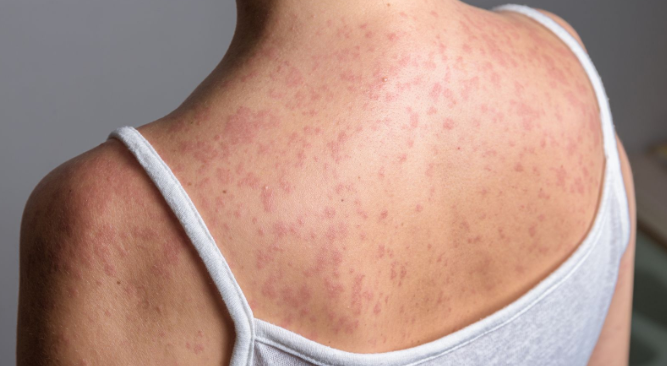
国家卫健委:今年2月下旬陆续启动适龄女孩HPV疫苗接种工作
Yang Shi Xin Wen· 2026-02-12 08:23
Core Viewpoint - The National Health Commission emphasizes the importance of providing free HPV vaccination services to eligible girls, aiming to enhance accessibility, quality, and convenience of vaccination services across the country [1][2]. Group 1: Vaccine Supply and Accessibility - The National Disease Control Bureau has mandated that HPV vaccines be delivered to vaccination sites by mid-February, with vaccination services starting in late February to ensure sufficient supply [1]. - All eligible vaccination units are required to offer HPV vaccination services, with detailed information about locations, contact numbers, and operating hours made available to the public [1]. - Various service models, including appointment scheduling and weekend vaccination sessions, will be implemented to improve accessibility, especially in remote areas through centralized and mobile vaccination strategies [1]. Group 2: Service Quality and Public Awareness - The vaccination process will be strictly regulated to enhance service quality, including professional training for vaccination personnel and adherence to verification protocols [2]. - A public health education campaign will be launched to promote vaccination knowledge, utilizing events like the April 25 vaccination day and expert lectures to increase public awareness and satisfaction [2].
国家疾控局:当前我国传染病疫情形势总体平稳
Xin Lang Cai Jing· 2026-02-08 08:12
Core Viewpoint - The notification emphasizes the importance of preventing and controlling key infectious diseases during the 2026 Spring Festival holiday and the spring season to ensure public health and safety while maintaining a stable epidemic situation across the country [1] Group 1: Importance of Disease Prevention - The overall epidemic situation in China is stable, with COVID-19 at a low level and flu at medium to low levels, but there is still a risk of outbreaks due to increased cross-border movement during the holiday [1] - There is a need for heightened awareness and risk management among health departments to prevent the spread of infectious diseases during the holiday season [1] Group 2: Monitoring and Early Warning - Health departments are required to enhance multi-channel monitoring of respiratory and intestinal infectious diseases and implement joint monitoring and data analysis [2] - There should be a focus on sharing information and conducting risk assessments based on disease transmission patterns and regional characteristics [2] Group 3: Control of Imported Infectious Diseases - Local health departments must monitor global trends of key infectious diseases and prepare for potential impacts on China [3] - Strengthening public health cooperation at ports and border areas is essential to manage the risk of imported cases effectively [3] Group 4: Key Areas of Epidemic Prevention - Health departments should guide educational institutions and elderly care facilities in maintaining hygiene and monitoring health to prevent outbreaks [4][5] - There is a need for enhanced supervision of food and water safety, especially in rural areas [4][5] Group 5: Vaccination and Medical Treatment - Continuous efforts are required to maintain high vaccination rates for key populations, including children and the elderly, and to optimize vaccination services [6] - Local health departments should prepare for potential outbreaks by ensuring adequate medical resources and training for healthcare personnel [6] Group 6: Emergency Response and Public Health Education - Health departments must strengthen the investigation and management of major infectious disease outbreaks and ensure timely reporting and response [6][8] - Public health campaigns should be conducted to raise awareness about disease prevention, especially in crowded places during the holiday [7] Group 7: Leadership and Responsibility - Local health departments are urged to implement disease prevention laws and regulations, ensuring that all preventive measures are effectively executed [8] - Continuous monitoring and rapid response to any emerging health threats are critical to safeguarding public health [8]
市疾控主任:“十五五”期间提升疾控体系整体效能
Xin Jing Bao· 2026-01-26 02:04
Core Viewpoint - During the "14th Five-Year Plan" period, Beijing's disease control system will enhance various infectious disease monitoring and early warning systems, focusing on vector-borne diseases and improving response capabilities to prevent local transmission of imported infectious diseases [1][2]. Group 1: Key Initiatives in Disease Control - The Beijing CDC will optimize monitoring and early warning systems for respiratory, intestinal, and vector-borne diseases, and enhance monitoring and control of mosquito and tick-borne diseases [1]. - The establishment of the Capital Public Health Center and the promotion of coordinated governance of allergens and vector-borne diseases are highlighted as key areas of focus [1]. - The Beijing CDC aims to strengthen the overall effectiveness of the disease control system by providing ongoing guidance to district-level disease control in areas such as infectious disease and chronic disease prevention, monitoring, and emergency response [2]. Group 2: Influenza Situation and Response - Influenza activity in Beijing began to rise significantly from October last year, with the flu season starting in week 46 of 2025, four weeks earlier than the previous season [4]. - The peak positivity rate for influenza in sentinel hospitals reached 62.66%, indicating a relatively high intensity of the current flu season, although the number of visits to fever clinics was lower than in previous seasons [4][11]. - The Beijing CDC has integrated winter respiratory disease prevention into routine risk management, covering 22 key pathogens and utilizing a comprehensive monitoring network [3]. Group 3: Variants and Public Health Strategies - The main circulating strain in Beijing is the H3N2 subtype of the influenza A virus, which has undergone minor antigenic drift, potentially affecting vaccine efficacy [8]. - The CDC emphasizes the importance of different prevention strategies for various respiratory pathogens, with influenza being seasonal and manageable through vaccination and antiviral medications [10]. - The decline in patient visits despite rising positivity rates is attributed to improved public health measures and increased accessibility to medical resources, leading to a "no-symptom" approach to disease management [12]. Group 4: Vaccination Efforts - As of the 2025 flu season, 2.3346 million flu vaccines have been administered in Beijing, a 10% increase from the previous year, with coverage among key populations exceeding last year's figures [14]. - The city has provided free flu vaccinations to schoolchildren and seniors since 2007, achieving a fourfold increase in coverage compared to the self-paid period, with an average coverage rate of over 55% among schoolchildren in recent years [14]. - The Beijing CDC plans to leverage artificial intelligence for research on flu variant prediction and vaccine effectiveness in the upcoming year [15].
推广疫苗接种、关注重点人群 世卫组织呼吁全方位应对全球流感挑战
Ren Min Ri Bao· 2026-01-20 23:51
Core Insights - The World Health Organization (WHO) reports a severe global influenza virus transmission situation, with a significant rise in respiratory symptom consultations and hospitalizations across multiple countries from January 10 to 16 [1] - The dominant strain currently is the H3N2 subtype, specifically the K sub-branch, which has spread to over 30 countries since its discovery in Oceania in August 2022, accounting for over 90% of cases in Europe, the US, and East Asia [2] Group 1: Current Situation - In Europe, countries like Ireland, the UK, and Serbia report high levels of influenza activity, with over half of symptomatic patients testing positive, and 90% of confirmed cases being K sub-branch infections [3] - The UK saw a record high of 3,140 flu cases hospitalized in the second week of January, an 18% increase from the previous week, with hospital bed occupancy rates exceeding 90% [3] - The US has reported over 18 million flu cases and 230,000 hospitalizations this season, with 9,300 deaths, and over 90% of circulating strains being the K sub-branch [3] Group 2: Regional Responses - In Asia, Japan reports that 96% of flu cases are the K sub-branch, with over 190,000 new cases since December, prompting school closures and heightened alerts [4] - South Korea has raised its flu alert level to "high," and experts warn of potentially the most severe flu season since 2016 if the trend continues [4] - Indonesia has reported 63 confirmed cases of the K sub-branch, with the situation currently under control [4] Group 3: Vaccination and Prevention - Vaccination remains the most effective means of preventing influenza, with the WHO emphasizing the importance of targeting high-risk populations for vaccination [5] - Current vaccines show a good match against the K sub-branch, with efficacy rates of approximately 75% for severe cases in children and 30-40% for adults [5] - The WHO highlights the need for improved vaccine accessibility in developing countries, with recent donations of 4 million doses to low-income nations [8] Group 4: Global Coordination - The WHO calls for enhanced data sharing, experience exchange, and mutual support among countries to combat influenza effectively [9] - The organization stresses the importance of maintaining good hygiene practices and the need for public education on distinguishing flu from common colds [7] - The WHO's pandemic agreement aims to ensure equitable access to vaccines and treatments, emphasizing the need for preparedness and resource planning [9]
上海这些女孩可免费接种HPV疫苗了
Di Yi Cai Jing· 2026-01-20 09:31
Group 1 - The Shanghai CDC announced that community health service centers in Shanghai will provide free HPV vaccinations for girls who are 13 years old and born after November 10, 2011, allowing them to receive two doses of the bivalent HPV vaccine [1] - Cervical cancer is one of the most common malignant tumors in the female reproductive system, with an increasing incidence and younger onset in China. In 2022, there were 151,000 new cases and 56,000 deaths from cervical cancer in the country, equating to one woman diagnosed every four minutes and one death every ten minutes [1] Group 2 - Starting from November 10, 2025, the national immunization program will officially include the HPV vaccine for girls aged 13 and born after November 10, 2011, based on considerations of protection effectiveness, cost-effectiveness, and operational feasibility [4] - Evidence shows that completing the full course of HPV vaccination before the first sexual intercourse provides the best prevention against HPV infection and related diseases, with antibody levels in girls aged 9-14 being more than twice that of those aged 15 and above, and protection lasting at least 10 years [4] - The procurement results for the national immunization program revealed that two domestic bivalent HPV vaccines from Wantai Biological Pharmacy and Watson Biotech were awarded contracts at a unit price of 27.5 yuan per dose, with a total budget of approximately 254 million yuan [4] Group 3 - The Shanghai CDC recommends using the same manufacturer's bivalent HPV vaccine for both doses. If a girl has already received one dose of a non-immunization program HPV vaccine, she should communicate with the vaccination clinic to decide on the second dose [5] - The Shanghai CDC provides various platforms for appointment and information regarding vaccinations, including the "Suishenban" app and the Shanghai CDC WeChat public account [6] - In addition to the HPV vaccines included in the immunization program, Shanghai's vaccination clinics continue to offer non-immunization program HPV vaccines for women aged 9-45 and men aged 9-26 on a self-paid basis [6]


是否安全?怎么接种?哪些人群可以接种……“加强针”热点问题 请看权威解答
Si Chuan Ri Bao· 2026-01-04 03:58
Core Viewpoint - Chengdu has officially launched the COVID-19 vaccine booster shot program as part of a unified national and Sichuan provincial deployment [3] Group 1: Importance of Booster Shots - The neutralizing antibody levels decrease over time after vaccination, leading to reduced protection; administering a booster can significantly enhance immunity, with studies showing a more than tenfold increase in antibody levels after a third dose six months post the second dose [4] Group 2: Safety of Booster Shots - The types and incidence of adverse reactions following the booster shot are not significantly different from those observed during the initial vaccination series, confirming that the booster is safe and effective [5] Group 3: Eligibility for Booster Shots - Individuals aged 18 and above who have completed the full vaccination with inactivated COVID-19 vaccines or received one dose of adenovirus vector vaccines at least six months prior are eligible for the booster. Priority is given to high-risk groups, including healthcare workers, customs officials, and those in essential services [6][7] Group 4: Administration of Booster Shots - Individuals who received two doses of the same inactivated vaccine should receive the same vaccine for the booster. If different inactivated vaccines were used, the same vaccine as the second dose is preferred for the booster, with alternatives available if necessary [8] Group 5: Co-administration with Other Vaccines - It is currently not recommended to administer the COVID-19 vaccine simultaneously with other vaccines, with a minimum interval of 14 days suggested between COVID-19 and other vaccinations, except in specific cases such as rabies or tetanus vaccines [10]
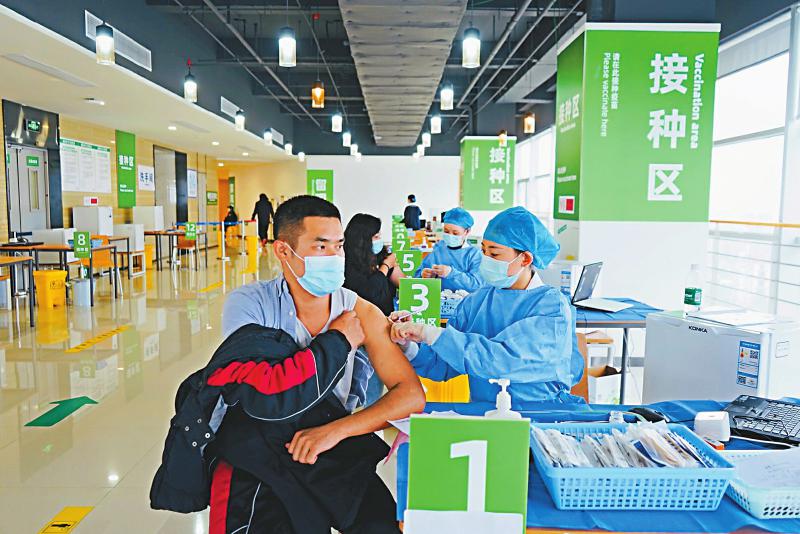
“流感一倒倒一片!”热搜上的K毒株是什么?现在打疫苗还来得及吗?
Xin Lang Cai Jing· 2025-12-27 01:16
Core Viewpoint - This year's flu season is unusual, arriving early and exhibiting a more severe impact compared to previous years, with a significant increase in infections among the population [1][3]. Group 1: Virus Characteristics - The "K strain" is not a new virus but a variant of the H3N2 influenza virus, which has undergone minor mutations, making it more adept at evading the immune system [3][4]. - The H3N2 strain has become the dominant virus this season, accounting for over 95% of cases, while H1N1 and B strains have nearly disappeared [4]. - The mutations in the H3N2 strain have increased its ability to adhere to human respiratory cells by approximately 1.8 times compared to previous strains, facilitating rapid transmission in group settings [4][5]. Group 2: Co-circulating Viruses - Multiple respiratory viruses, including RSV and adenoviruses, are also circulating, leading to compounded infections where individuals may recover from one virus only to be infected by another [5]. - The presence of the K strain does not necessarily lead to more severe symptoms compared to other flu strains, but the speed of onset and overall symptoms may be more pronounced [5]. Group 3: Vaccine Efficacy - The current flu vaccines, both trivalent and quadrivalent, are effective against the H3N2 strain and the K variant, providing significant protection against severe illness [6][7]. - Vaccination rates in China are low, at around 3%, compared to 40-50% in developed countries, which hampers the establishment of herd immunity [7]. - Vaccination is still valuable even if individuals have been exposed to the virus, as long as they are not in the acute phase of illness [7]. Group 4: Current Situation and Recommendations - As of December 2025, flu activity is showing signs of decline, but the risk of rebound remains, necessitating continued vigilance in flu prevention [8].
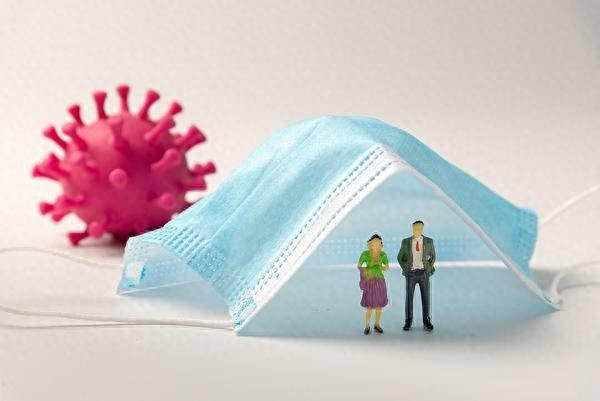
专家:带状疱疹并非老年人“专属疾病” 高危人群需尽早预防
Xin Lang Cai Jing· 2025-12-21 03:16
Core Viewpoint - Shingles is not exclusively a disease of the elderly; younger individuals with compromised immune systems are also at significant risk of infection [1] Group 1: High-Risk Populations - High-risk groups for shingles include patients with weakened immune systems due to conditions such as rheumatic diseases, blood cancers, and solid tumors [1] - Another high-risk group consists of individuals undergoing treatment with corticosteroids, immunosuppressants, or biological agents, which further weaken the immune system [1] - It is now recognized that individuals aged 18 and older with compromised immune function can develop shingles, contrary to the previous belief that it primarily affects the elderly [1] Group 2: Vaccination Recommendations - Vaccination is the most effective means of preventing shingles, but immunocompromised individuals have specific vaccine requirements [2] - Live attenuated vaccines are not recommended for patients with immune deficiencies; inactivated or recombinant vaccines are preferred due to their higher safety profile [2] - Patients recovering from shingles should evaluate vaccination options three months post-recovery [2] Group 3: Clinical Implications - Shingles can cause severe pain that may lead to sympathetic nervous system excitation, increasing the risk of coronary artery spasm and serious cardiovascular events [2] - Data indicates that shingles patients have a 78% increased risk of stroke and a 39% higher risk of developing shingles if they already have cardiovascular diseases [2] - The risk of shingles significantly increases with the number of comorbid chronic diseases, such as hypertension, hyperlipidemia, diabetes, and chronic obstructive pulmonary disease [2] Group 4: Current Vaccination Rates and Recommendations - Despite the significant benefits of vaccination, the current vaccination rate for shingles in China remains low [3] - Vaccination not only alleviates patient suffering but also reduces healthcare costs, as the treatment cost for a shingles patient often exceeds the vaccine cost [3] - The autumn and winter seasons are peak times for shingles outbreaks, and high-risk individuals, especially those with immune deficiencies and chronic diseases, are advised to consult healthcare providers for vaccination [3]
寒潮下慢病隐患凸显,如何破解防控难题?
2 1 Shi Ji Jing Ji Bao Dao· 2025-12-12 09:02
Core Viewpoint - A new wave of cold weather is impacting China, leading to significant temperature drops and increased health risks for chronic disease patients, particularly those with diabetes, who are more susceptible to complications such as shingles due to weakened immune systems [1][2]. Group 1: Health Risks and Challenges - The average daily temperature in most regions of China is expected to drop by 6 to 10 degrees Celsius, with some areas experiencing drops exceeding 14 degrees Celsius [1]. - Diabetes patients face heightened risks during cold weather, as low temperatures can cause blood vessel constriction, leading to blood sugar fluctuations and decreased immunity [1]. - The risk of shingles is 60% higher in diabetes patients compared to the general population, creating a dangerous cycle of pain and elevated blood sugar levels [2]. Group 2: Vaccination and Awareness - Despite high awareness of shingles (80%-90%) and vaccine knowledge (60%-80%), the vaccination rate in China remains low at only 1%-2% [3]. - Community health initiatives, such as personalized vaccine education prescriptions, are being implemented to encourage proactive health measures among chronic disease patients [3]. Group 3: Market Potential and Industry Growth - The domestic shingles vaccine market was valued at 3.73 billion yuan in 2022 and is projected to reach 5.63 billion yuan by the end of 2025, with a compound annual growth rate of 16.4% [4]. - The approval of new shingles vaccines, including one specifically for high-risk groups, indicates a growing market and increasing competition among pharmaceutical companies [4][5]. - Local governments are introducing policies to reduce vaccination costs, further promoting vaccine uptake and addressing the "knowledge-action gap" in vaccination [5].