Photovoltaic

Search documents
ELITE Solar announces commissioning of new 5GW PV facility in Egypt
Yahoo Finance· 2026-01-27 10:00
Core Insights - ELITE Solar has launched a new 5GW integrated photovoltaic manufacturing facility in Egypt's Suez Canal Economic Zone, comprising 2GW of solar cell production and 3GW of module assembly, aimed at serving utility-scale commercial and industrial clients globally [1][2] Group 1: Facility Significance - The facility is pivotal for Egypt's renewable energy goals and the development of its industrial base, contributing to workforce development and enhancing the region's role in international clean energy supply chains [2] - The commissioning ceremony was attended by Egypt's Prime Minister, Mostafa Madbouly, underscoring the facility's importance [1] Group 2: Technological and Operational Aspects - ELITE Solar's CEO emphasized that the facility combines advanced N-type technology with integrated production, ensuring consistent quality and long-term reliability for clients across various markets [3] - The facility is part of a broader strategy to centralize technology oversight while maintaining regional manufacturing capabilities to efficiently meet demand in the Middle East, Africa, Europe, and North America [4] Group 3: Company Background and Expansion - Established in 2005 and headquartered in Singapore, ELITE Solar also operates integrated manufacturing facilities in Vietnam and Indonesia, indicating a strong global presence [5] - The Ain Sokhna site is integral to ELITE Solar's global expansion plans, with a focus on supply chain coordination and local procurement opportunities [4]
【每日收评】三大指数探底回升集体收红,半导体芯片板块全线爆发,太空光伏概念午后反弹
Xin Lang Cai Jing· 2026-01-27 08:54
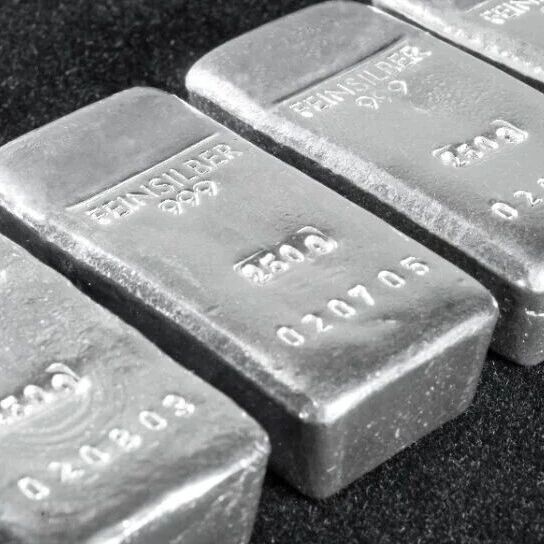
Market Overview - The market showed signs of recovery with all three major indices closing in the green, and the ChiNext Index rising over 1% at one point. The total trading volume in the Shanghai and Shenzhen markets was 2.89 trillion yuan, a decrease of 353.2 billion yuan from the previous trading day. Despite this, over 3,400 stocks declined across the market [1]. Sector Performance - The semiconductor sector experienced significant gains, with companies like Huahong Semiconductor reaching historical highs. Other stocks such as Dongxin Technology and Shengke Communication also hit their daily limits. According to Omdia, the Chinese semiconductor market is expected to grow by 31.26% by Q4 2026, reaching a market size of $546.5 billion. The AI innovation is driving structural changes in the market, particularly in memory chips, which are becoming essential for AI infrastructure [2][3]. CPO Concept - The CPO concept saw active performance, with Yuanjie Technology rising over 10% to reach a historical high. The market for optical modules is projected to exceed $18 billion by 2025, driven by AI-related data center and transmission network construction [3]. Space Photovoltaics - The space photovoltaic sector rebounded in the afternoon, with companies like Yujing Technology and Saiwu Technology achieving multiple consecutive gains. Elon Musk announced plans for significant satellite deployments, which could lead to substantial growth in the space photovoltaic market [4]. Individual Stocks - In individual stock performance, precious metals continued to show strength, with several companies achieving multiple consecutive gains. The commercial aerospace sector also saw some recovery, with stocks like Electric Science and Technology hitting their daily limits. AI applications and computing power leasing sectors were also active, indicating a rotation among previous hot sectors [6]. Future Market Analysis - The market demonstrated strong support above the 20-day moving average, indicating a potential upward trend. However, the market remains in a volatile state, with significant stock declines despite overall index gains. Key sectors to watch include commercial aerospace, AI applications, precious metals, semiconductors, and computing hardware, with a focus on identifying core stocks for potential low-entry opportunities [7]. Industry Insights - Industry experts predict that the memory chip shortage will persist for at least two to three years, primarily due to the high demand from AI infrastructure. Major memory manufacturers are working to increase production, but it will take at least two years to meet the growing demand [10].

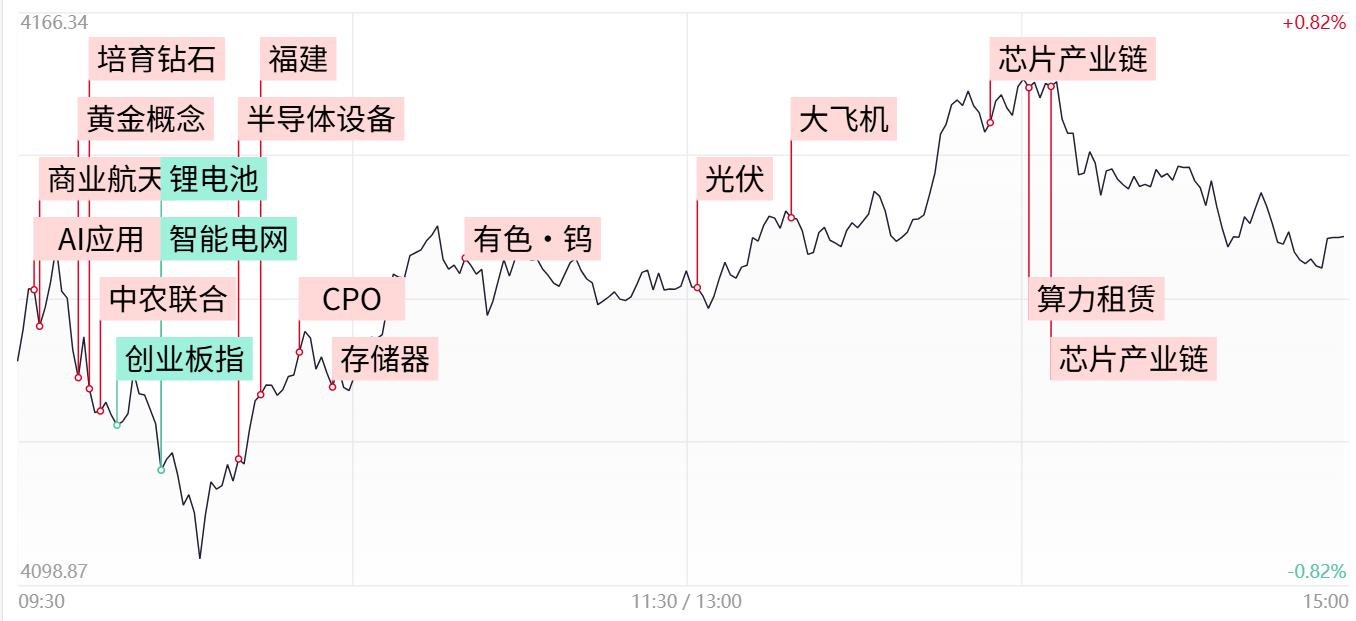
70岁黄宏生百亿腾笼换鸟再闯港股 创维系“母退子进”欲造光伏新帝国
Chang Jiang Shang Bao· 2026-01-26 00:48
Core Viewpoint - Huang Hongsheng, the founder of Skyworth Group, is initiating a significant capital restructuring by promoting share buybacks and privatization while planning to spin off its solar business, Skyworth Solar, for independent listing, aiming for a valuation of approximately 10 billion [2][5]. Group 1: Company Strategy - Skyworth Group announced plans to distribute shares of Skyworth Solar to its shareholders, with each share of Skyworth Group entitling holders to approximately 0.37 shares of Skyworth Solar [3][4]. - The estimated median valuation for Skyworth Solar is around 16.57 HKD per share, translating to a value of approximately 6.13 HKD per share for Skyworth Group shareholders [4]. - The privatization plan involves repurchasing all shares not held by the Huang family, which currently owns about 66.46% of Skyworth Group [4][5]. Group 2: Financial Performance - For the first half of 2025, Skyworth Group reported revenues of approximately 36.26 billion, a year-on-year increase of 20.3%, with the renewable energy segment contributing 13.84 billion, up 53.5% and accounting for 38.2% of total revenue [15]. - Skyworth Solar's revenue for the same period was 13.78 billion, with a net profit of 532 million, marking it as a key growth driver for Skyworth Group [15]. Group 3: Future Outlook - Huang aims to transform Skyworth Group into an ecological platform with aspirations to spin off 5 to 8 publicly listed companies by 2030, leveraging the potential of its solar, home appliance, and internet businesses [16][19]. - The overall scale of the planned spin-offs could reach hundreds of billions, indicating significant growth potential for the Skyworth ecosystem [19].
白银涨破100美元关口!光伏企业如何“渡劫”?
凤凰网财经· 2026-01-24 09:07
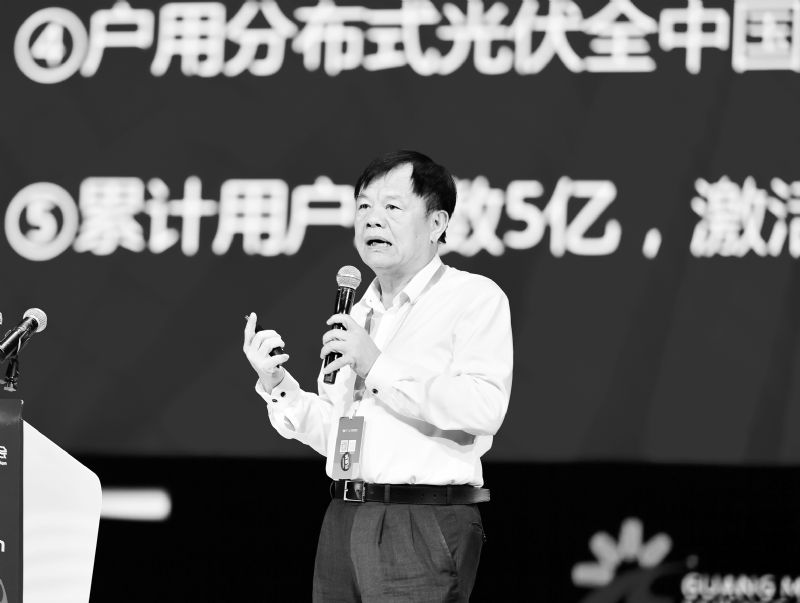
Core Viewpoint - Major photovoltaic companies such as JinkoSolar, Tongwei Co., and LONGi Green Energy have recently announced significant projected losses for 2025, primarily due to rising silver prices impacting their performance [3][4]. Group 1: Financial Projections - JinkoSolar expects a net loss of 5.9 billion to 6.9 billion yuan for 2025, while Tongwei Co. anticipates losses between 9 billion to 10 billion yuan, and LONGi Green Energy projects a net loss of 6 billion to 6.5 billion yuan [3]. - The rising costs of silver paste, a key material in photovoltaic cell production, have been cited as a major factor contributing to these losses [4]. Group 2: Cost Structure and Material Impact - Silver paste, which is crucial for manufacturing photovoltaic cells, accounts for approximately 62% of the non-silicon costs in TOPCon solar cells, with a projected cost of 0.138 yuan/W by the end of 2025 [4]. - The current spot price of silver has surged to over $100 per ounce, having more than tripled in the past year, adding to the cost pressures faced by these companies [4]. Group 3: Market Dynamics and Pricing Strategies - Companies are attempting to pass on costs by slightly increasing the prices of photovoltaic modules; however, this is constrained by a supply-demand imbalance in the industry [5]. - The domestic market demand is weakening, and overseas procurement is also declining, which may further limit the ability of companies to raise prices [5]. Group 4: Technological Developments - Companies are exploring alternatives to reduce silver usage, such as the development of "silver-free" technologies and the use of copper plating [5][6]. - While significant R&D efforts are underway, the maturity and effectiveness of these technologies remain uncertain, and their economic viability is under scrutiny [6]. Group 5: Future Outlook on Silver Prices - In the short term, the impact of alternative technologies on silver prices is expected to be limited due to their nascent stage of development [7]. - Long-term trends may see downward pressure on silver prices as these technologies mature and photovoltaic installation volumes potentially decline [7]. - The strategic resource status of silver, influenced by policy changes, may continue to support its price [8].



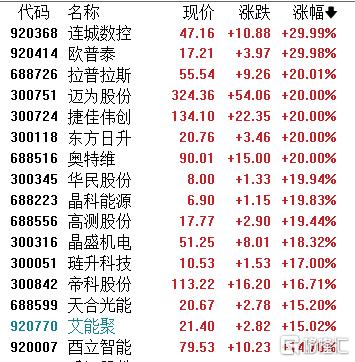
A股122股涨停,太空光伏、卫星集体爆发,隆基绿能等30股涨停,CPO下跌,黄金白银逼空上涨
21世纪经济报道· 2026-01-23 07:35
Market Overview - On January 23, A-shares saw all major indices rise, with the Shanghai Composite Index up 0.33% to 4136 points, the Shenzhen Component Index up 0.79%, and the ChiNext Index up 0.63% [1] - The total market turnover reached 3.12 trillion yuan, an increase of 401.7 billion yuan from the previous trading day, with over 3900 stocks rising and 122 stocks hitting the daily limit [1] Index Performance - The Shanghai Composite Index closed at 4136.16, up 13.59 points (+0.33%) - The Shenzhen Component Index closed at 14439.66, up 112.61 points (+0.79%) - The ChiNext Index closed at 3349.50, up 20.86 points (+0.63%) - The North Star 50 Index saw a significant increase of 3.82% [2] Sector Analysis - The A-share market showed a divergence in performance, with the Shanghai 50 Index dropping over 1% and sectors like insurance and banking leading the decline [3] - Notable declines included New Yi Sheng, which fell over 6%, while Guosheng Technology saw a rise of over 3% after a previous surge [3] Commodity Market - Domestic commodity futures experienced widespread gains, with lithium carbonate futures surpassing 180,000 yuan per ton, marking a rise of over 6% [4] - Gold and silver prices continued to rise, with spot gold stabilizing at 4950 USD per ounce and spot silver nearing 100 USD, showing an intraday increase of nearly 3% [4] Solar and Aerospace Sector - The solar energy sector, particularly in space photovoltaic technology, saw a significant surge, with companies like Longi Green Energy and others experiencing limit-up gains [6] - The commercial aerospace sector is also thriving, with stocks like Aerospace Electronics and China Satellite hitting their daily limits [8] - Elon Musk expressed strong support for space photovoltaic technology at the World Economic Forum, indicating plans for significant solar energy production capacity [10] Company Developments - JinkoSolar and Trina Solar are exploring market opportunities in space photovoltaic technology, with advancements in various solar cell technologies [12] - Dongfang Risen highlighted the need for solar wings in satellites to meet market demands, emphasizing the advantages of crystalline silicon photovoltaic cells [13] - Jun Da Co. announced a cash investment of 30 million yuan to acquire a 16.67% stake in Shanghai Xingyi Chip Energy, aiming to enter the low-orbit and space photovoltaic market [13]

马斯克一语“点燃”,太空光伏新纪元开启!港A板块全线“升空”
Ge Long Hui· 2026-01-23 06:04
Core Viewpoint - The photovoltaic sector in both Hong Kong and A-shares has shown significant strength, driven by a surge in stock prices of various companies within the industry, highlighting a growing market interest in solar energy technologies [1][2]. Group 1: Market Performance - The photovoltaic equipment sector led the market gains in A-shares, with multiple stocks hitting the daily limit up, including Longi Green Energy, Maiwei Co., and JinkoSolar [1]. - Key stocks such as Sungrow Power, Tongwei Co., and Trina Solar also saw substantial increases, contributing to the overall enthusiasm in the sector [1]. - In the Hong Kong market, solar energy concept stocks were active, with Xinyi Solar rising over 10%, and other companies like Flat Glass Group and GCL-Poly Energy also experiencing notable gains [2][3]. Group 2: Emerging Trends - The current photovoltaic market rally is significantly driven by the emerging concept of "space photovoltaic," which is gaining traction as commercial space ventures achieve breakthroughs in cost and launch frequency [3][4]. - Elon Musk's support for solar energy initiatives, particularly through SpaceX and Tesla, has further fueled interest in space photovoltaic technologies, aiming for an annual manufacturing capacity of 100 GW within three years [5][6]. Group 3: Industry Demand and Projections - Analysts predict that if the concept of space data centers is realized, it could generate a demand for over 800 GW of space photovoltaic installations, surpassing current global ground-mounted photovoltaic annual additions [6][7]. - The commercial space sector's growth, marked by over 200,000 satellite constellation applications in China, is expected to drive long-term demand for space photovoltaic solutions [7][8]. Group 4: Company Developments - A-share companies are actively disclosing their strategies in the space photovoltaic field, with firms like Lushan New Materials and Junda Co. announcing investments in research and development for space photovoltaic batteries [7][8]. - Trina Solar has indicated a comprehensive long-term strategy in space photovoltaic technologies, including various advanced solar cell types, and has established collaborations with domestic and international space agencies [7][8]. Group 5: Technological Innovations - The demand for space photovoltaic technologies is anticipated to grow in terms of quantity, quality, and technology, driven by the increasing complexity of satellite functions and the need for higher energy supply [8][9]. - Future satellite communications are expected to adopt cost-effective photovoltaic technologies, such as P-type HJT and perovskite tandem solar cells, which may lead to new trends in the photovoltaic industry [9].
风向彻底变了!AI算力集体回调,资金猛攻“上天入地”新战场!
Sou Hu Cai Jing· 2026-01-23 04:46
Market Overview - The A-share market is experiencing typical index fluctuations and structural differentiation, with the Shanghai Composite Index up 0.27% and the Shenzhen Component Index up 0.24%, while the ChiNext Index slightly decreased by 0.17% [1] - The market's flat index performance contrasts sharply with the significant volatility in industry sectors, indicating a shift towards niche opportunities and a multi-faceted market dynamic [1] Fund Flow Dynamics - The trading volume in both markets increased to 1.91 trillion yuan, showing strong willingness for new capital inflow, characterized by a "buy low, sell high" behavior [1] - Funds are flowing out of sectors with short-term gains, such as telecommunications (-1.79%) and electronics, and rapidly entering new hotspots like defense and military (+2.77%) and power equipment (+2.56%) [1] Key Focus Areas - The high-end manufacturing sectors, particularly defense and photovoltaic industries, are the main focus of the market, driven by multiple converging factors [1] - The strength of the military industry is underpinned by long-term expectations for accelerated development in high-end equipment and aerospace during the 14th Five-Year Plan, with commercial space initiatives providing tangible catalysts [2] Technological Narratives - The expansion of technological narratives is creating new valuation spaces, particularly in the photovoltaic sector, where concepts like "space photovoltaics" are capturing market imagination [2] - Discussions around advanced photovoltaic technologies required for space environments are effectively outlining potential new growth curves for the industry [2] Global Macro Trends - The rise in the non-ferrous metals sector reflects a long-term demand logic driven by new energy vehicles and storage, alongside a bet on global inflation resilience and rising resource prices [3] - The recent highs in lithium carbonate futures and strengthening international gold prices provide short-term price support for this sector [3] Future Market Outlook - The keyword "structural" will be crucial for understanding market trends in the near future, with a macro backdrop of adequate monetary policy and ample market liquidity suggesting limited systemic risk [3] - However, the increasing speed of sector rotation may complicate investment strategies, making it essential to focus on core sectors with strong industrial trends while being aware of potential short-term adjustments in leading technology growth sectors [4] Investment Strategy - Investors are advised to adopt a strategy of "focusing on main lines while maintaining balanced allocations," keeping a close watch on sectors like defense, AI chip localization, and new energy technology innovations [4] - In periods of volatility in growth sectors, low-valuation and high-dividend sectors such as banking and coal may present defensive value [4]
Elon Musk Factor? Ascent Solar Technologies (ASTI) Stock Is Trending Overnight: What You Should Know - Ascent Solar Technologies (NASDAQ:ASTI), Tesla (NASDAQ:TSLA)
Benzinga· 2026-01-23 02:42
Core Insights - Ascent Solar Technologies Inc. (ASTI) shares surged 17.78% to $8.02 in after-hours trading following the announcement of its 2025 achievements and 2026 production schedule, closing at $6.81 on Thursday, reflecting a 53.03% increase [1][2] Group 1: Strategic Partnerships and Financial Developments - In 2025, Ascent Solar formed strategic partnerships with companies in the commercial space and defense sectors, including NovaSpark and Defiant Space [2] - The company closed a private placement of up to $5.5 million in 2025 and established rapid product delivery capabilities for civil and defense space missions [2] Group 2: Production and Deployment Plans - Ascent Solar is starting 2026 with existing orders for array deployments scheduled for Q1 and plans to deliver UAV arrays to European partners in the first half of the year [3] - The company expects to maintain momentum throughout the year by engaging with more potential partners and achieving greater efficiency milestones [3] Group 3: Technological Innovations - Ascent Solar partnered with the Georgia Institute of Technology to integrate its thin-film technology into unmanned aerial vehicle wings for ocean monitoring [4] - The company plans to conduct radiation and atomic-oxygen resilience testing through the first quarter [5] Group 4: Market Performance and Trading Metrics - Ascent Solar has a market capitalization of $32.09 million, with a 52-week range of $1.12 to $7.40, and has gained 129.29% over the past 12 months [7] - The stock is currently trading at 90.6% of its 52-week range, indicating a strong position, though caution is advised as it approaches its highs [7] Group 5: Industry Context - The stock surge coincided with comments from SpaceX CEO Elon Musk regarding plans to launch solar-powered AI satellites, highlighting the potential of solar panels in space to generate five times more energy than those on the ground [6]


A股冲高回落,三大指数全部翻绿,下跌个股近1900只
Feng Huang Wang Cai Jing· 2026-01-22 02:40
Group 1 - The A-share index experienced a pullback after an initial rise, with all three major indices closing in the red, and the ChiNext index briefly rising by nearly 1.3% in the morning session [1] - The major sectors that saw declines included non-ferrous metals, semiconductor chips, and the power grid, with nearly 1,900 stocks in the Shanghai, Shenzhen, and Beijing markets declining [1] - The Shanghai Composite Index closed at 4,113.75, down 0.08%, with 1,393 gainers and 871 losers, while the Shenzhen Component Index fell 0.14% to 14,235.17, with 1,833 gainers and 992 losers [2] Group 2 - The large aircraft concept stocks continued to rise, with Hangfa Technology achieving a four-day streak of gains, and several other companies like Runbei Aerospace and Triangle Defense seeing significant increases [2] - According to Dongfang Securities, the C919 aircraft has completed domestic transportation for hundreds of thousands of passengers, indicating sufficient market validation, and the acceleration of international certification is expected to enhance China's global positioning in large aircraft [2] - The photovoltaic sector showed strong performance, particularly in the space photovoltaic segment, with JunDa Co. hitting the daily limit, and several other companies following suit [3] - A report from Shenwan Hongyuan indicated that China has submitted applications for over 200,000 satellite constellations, marking a new phase in the large-scale deployment of commercial space, which will directly drive long-term demand for space photovoltaics [3]

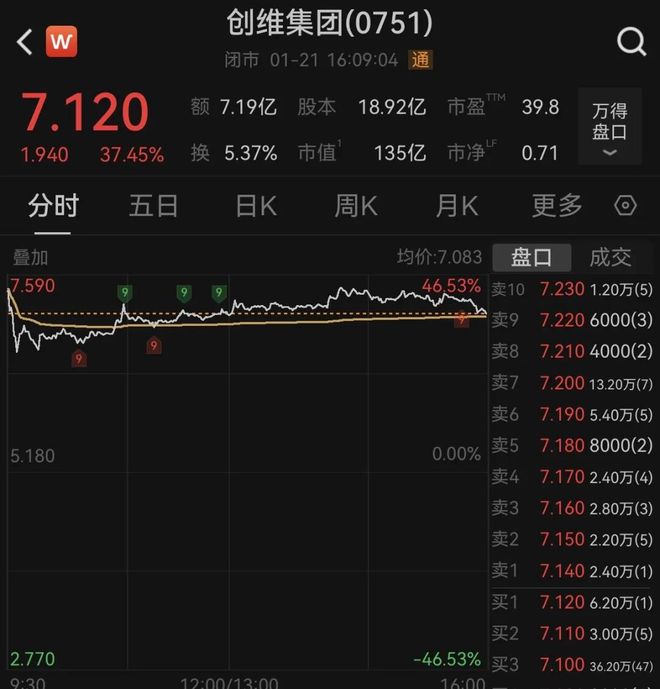
创维欲退市,复牌股价大涨37%
2 1 Shi Ji Jing Ji Bao Dao· 2026-01-21 14:14
记者|曹恩惠 编辑|张伟贤 复牌归来的创维集团(00751.HK),股价一飞冲天。 1月21日,创维集团港股股价大幅高开,盘中股价最高涨逾43%,市值重新突破百亿元。截至收盘,其 股价报收7.12港元,涨幅37.45%。 截至1月21日收盘,创维集团港股股价为7.12港元。 图片来源:Wind 1月20日,创维集团一纸公告宣布了重磅信息,涉及回购股份、私有化退市以及分拆光伏业务独立上 市。 根据公告,创维集团将向全体股东分派所持创维光伏股份,创维光伏将申请以介绍方式在联交所主板上 市。 具体来看,创维集团将以实物形式向所有股东(包括控股股东黄氏一致行动集团)分派公司所持有的创 维光伏股份,每股可获发0.3699779股创维光伏股份。 值得一提的是,创维集团将通过计划安排进行股份回购,注销计划股份,计划股东可选择每股计划股份 获4.03港元现金或1股新股份。分派、创维光伏上市及股份回购的完成互为条件,将同日或大致同日发 生。而创维集团在公告中进一步表示,如果所有计划股东都以现金选择形式获得,此次交易的现金代价 最高超过25亿元。 创维光伏业务独立分拆上市,是此次创维集团调整上市布局的重要内容。也因此,该集团光伏 ...