农产品贸易

Search documents
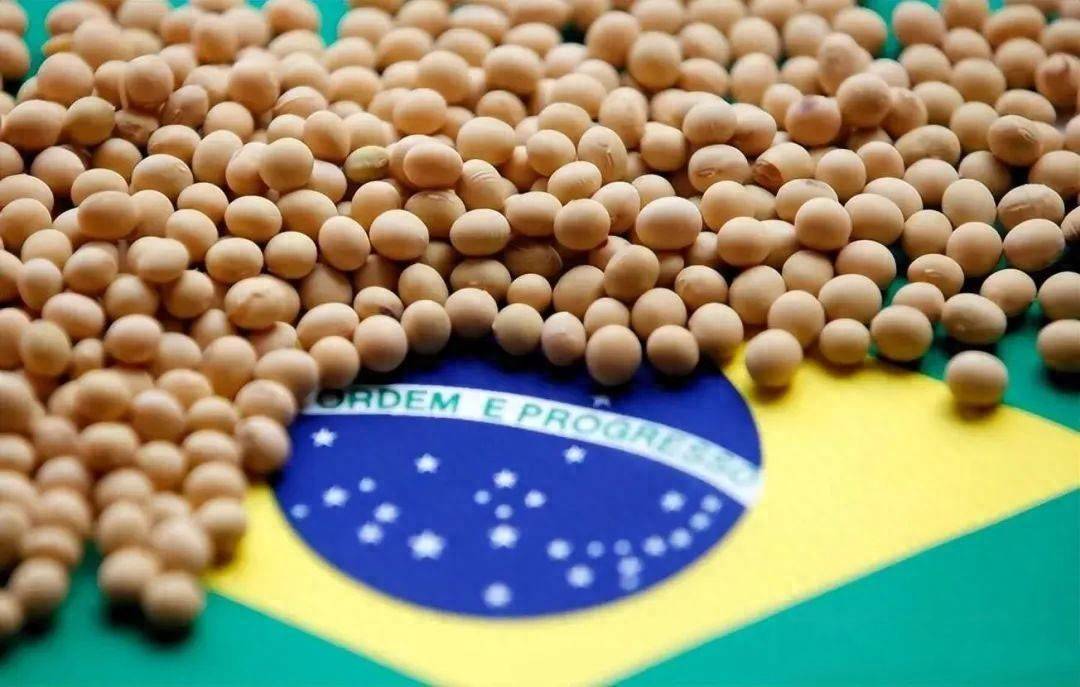
巴西大豆因为涨价滞港:中国48小时“反杀”!坐地涨价找错了对象
Sou Hu Cai Jing· 2025-10-28 02:23
Core Viewpoint - Brazilian soybean exporters misjudged China's price sensitivity, leading to a significant cancellation of orders and a shift in China's sourcing strategy towards other countries like Argentina and Uruguay [1][9]. Group 1: Market Dynamics - In early October, nearly 2 million tons of soybeans were stranded at Brazilian ports due to a sudden halt in Chinese purchases, with 1.8 million tons of orders canceled within 48 hours [1][9]. - Brazilian exporters raised soybean prices from $400 per ton at the beginning of the year to $650 per ton by October, a 62.5% increase, believing they had leverage over China [3][5]. - The price surge was attributed to logistical delays and adverse weather conditions, but the actual supply remained robust, with Brazil's soybean production expected to reach 180.92 million tons in 2025 [5][7]. Group 2: China's Response - China quickly pivoted to procure soybeans from Argentina, signing contracts for 1.3 to 3 million tons at prices $30 to $40 lower than Brazilian soybeans [9][11]. - China's soybean reserves of 45 million tons and stable domestic production allowed it to withstand the supply disruption without panic [11][15]. - The feed industry in China has been reducing soybean meal usage, which could decrease demand by 15 million tons annually, further diminishing reliance on Brazilian imports [11][13]. Group 3: Future Implications - China's diversified sourcing strategy now includes countries like Canada and Russia, reducing its previous dependency on Brazilian soybeans [19][21]. - The upcoming harvest period in Brazil and potential developments in U.S.-China trade negotiations could further impact soybean pricing and sourcing dynamics [19][21]. - The situation highlights a shift in supply chain control, with China demonstrating strategic resilience and adaptability in response to Brazilian pricing tactics [21].

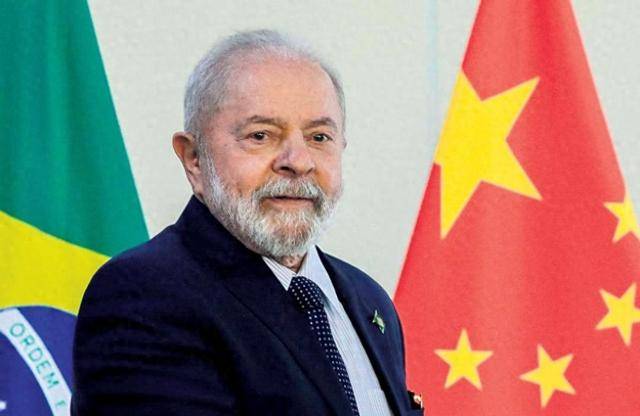
巴西大豆涨价失算!坐地起价后200万吨大豆滞销,中国3张牌反制
Sou Hu Cai Jing· 2025-10-27 13:25
Core Viewpoint - Brazil's attempt to raise soybean prices has led to a significant shift in China's soybean sourcing strategy, resulting in a 1.3 million ton order being redirected to Argentina instead of Brazil [3][4][6]. Group 1: China's Import Diversification Strategy - China has established a mature "import diversification" strategy, adhering to the principle of "one country as the main source, multiple countries as supplements" [4][10]. - The recent increase in soybean imports from Argentina, which doubled to 4.1 million tons this year, highlights the effectiveness of this strategy [6]. Group 2: Response to Brazil's Price Increase - Brazil's price hike has prompted China to cease purchasing high-priced Brazilian soybeans, demonstrating a strategic pivot to alternative suppliers [4][10]. - In just 48 hours after Argentina announced the cancellation of export taxes, Chinese buyers secured a soybean order of 1.3 million tons [6]. Group 3: Domestic Production and Reserves - China's domestic soybean production remains stable at over 20 million tons annually, ensuring a basic supply of protein and providing a buffer against external market fluctuations [14][16]. - The establishment of a nationwide grain reserve system acts as a safety net, allowing China to manage supply shortages effectively [16][17]. Group 4: Technological Innovations in Feed - A technological revolution named "reduction of soybean meal" is being promoted across China, aiming to decrease the reliance on soybean meal in animal feed by substituting it with other protein sources [21][23]. - This initiative not only addresses immediate price concerns but also aligns with long-term national policy goals [21][23].

阿根廷大豆免税七天,中国买走130万吨,全球粮价谁说了算?
Sou Hu Cai Jing· 2025-10-27 05:39
Core Insights - Argentina's Ministry of Economy announced a temporary exemption of export taxes on major grains like soybeans, corn, and wheat to boost foreign reserves amid a depreciating peso and rising inflation [1] - Chinese buyers quickly responded to the policy, securing significant soybean purchases, indicating a shift in global grain trade dynamics where China's demand is becoming more influential [3][5] - The reliance on the Chinese market is growing, with increasing transactions being settled in RMB, reflecting a diversification of trade relationships and payment methods [3][7] Group 1 - Argentina's export tax exemption was a short-term measure to address dwindling foreign reserves, with the peso losing 12% in a month and inflation reaching 65% [1] - Major Chinese companies like COFCO and Yihai Kerry swiftly ordered 1.3 million tons of soybeans, accounting for over one-third of China's monthly imports, showcasing China's strong purchasing power and diversified sourcing strategy [3] - The use of RMB in transactions is increasing, with 35% of soybean trade between China and Argentina settled in RMB this year, up 12 percentage points from last year, indicating a shift away from USD reliance [3] Group 2 - The U.S. is concerned about China's lack of soybean purchases from the U.S. in September, prompting the U.S. Soybean Association to seek long-term contracts and subsidies to maintain market share [5] - Argentina's soybeans are priced lower than U.S. and Brazilian soybeans, making them more attractive to Chinese buyers, which reflects a changing competitive landscape in global grain trade [5] - The recent events highlight a transformation in global grain trade rules, where China's demand is increasingly dictating market dynamics, and both Argentina and China are seeking to maintain flexible and diversified trade relationships [7]

贝森特:谈判后美国大豆找到销路!为何中国一定要进口外国大豆?
Sou Hu Cai Jing· 2025-10-27 04:41
Core Insights - The recent US-China trade negotiations have led to preliminary agreements on tariffs, fentanyl, export controls, and shipping fees, with a notable absence of discussion on soybean trade from the Chinese side, although the US Treasury Secretary mentioned it, indicating potential for China to resume soybean purchases from the US [1][3] Group 1: Trade Negotiations - The US is expected to make concessions in areas such as tariffs and chip restrictions to achieve a balanced agreement with China [3] - The US Treasury Secretary expressed optimism about resolving farmers' concerns regarding soybean trade, suggesting that an agreement could be forthcoming [1][3] Group 2: Soybean Market Dynamics - Brazilian soybeans are currently priced higher than US soybeans, causing Chinese buyers to delay purchases due to cost concerns, which is impacting domestic soybean oil companies' profitability [3] - The price premium for Brazilian soybeans over US soybeans is approximately $2.8 to $2.9 per bushel compared to a $1.7 premium for US soybeans [3] Group 3: Agricultural Structure and Supply - China's limited arable land necessitates a balance between agricultural and industrial needs, making it impractical to expand soybean cultivation significantly [5] - Adjusting crop structures within existing arable land could threaten food security, particularly for staple crops like rice and wheat, which are crucial for maintaining domestic food supply stability [7] Group 4: Global Agricultural Context - Corn is the most widely planted crop globally, with a planting area of 200 million hectares and a production of 1,100 million tons, highlighting its importance in various industries [9][10] - China's agricultural strategy prioritizes food security while relying on imports to fill gaps in non-staple crops like soybeans, advocating for a diversified sourcing approach to mitigate risks [10][11] Group 5: Long-term Agricultural Development - Enhancing soybean yield, optimizing planting techniques, and developing alternative proteins are essential for improving supply chain resilience [13] - Achieving a balance between self-sufficiency and market efficiency through trade is crucial for ensuring food security and industrial stability in a globalized context [13]

比美国大豆价格还高,巴西大豆涨价滞港,坐地涨价找错了对象,中国买家集体停购
Sou Hu Cai Jing· 2025-10-27 04:30
Core Insights - The trade dynamics between China and Brazil regarding soybean imports have shifted significantly due to the U.S.-China trade war, leading China to rely more on Brazilian soybeans, but Brazilian exporters have raised prices unexpectedly [1][3] - Brazilian soybean prices have surged from $580 to $650 per ton, making them $50 to $60 more expensive than U.S. soybeans, raising questions about Brazil's pricing strategy [1][3] - China's response to high prices has been strategic, as it has turned to Argentina and other suppliers, signing contracts for 1.3 to 3 million tons of soybeans at prices $30 to $40 lower than Brazilian soybeans [3][5] Group 1: Market Dynamics - Since May, Chinese buyers have shifted their focus from U.S. soybeans to Brazilian soybeans due to the trade war, but Brazilian exporters have taken advantage of this dependency by increasing prices [1] - From January to September, China's imports of Brazilian soybeans reached 69.64 million tons, accounting for 80% of its total soybean imports, giving Brazilian exporters significant pricing power [1] Group 2: China's Strategic Response - In response to high prices, Chinese buyers have paused purchases from Brazil and sought alternatives, demonstrating resilience and strategic foresight [3] - China has substantial soybean reserves of 45 million tons, enough to sustain national usage for over three months, allowing it to negotiate from a position of strength [3] - The Ministry of Agriculture aims to reduce the proportion of soybean meal in animal feed by 2027, indicating a proactive approach to food security [3] Group 3: Future Implications - The ongoing soybean trade conflict highlights the complexities of the global food market and China's adaptability in international trade [5] - Key future factors include the timely delivery of Brazilian soybeans and the progress of U.S.-China trade negotiations, which could influence pricing and supply dynamics [5] - China's evolving agricultural import strategy suggests a shift towards a more flexible and diversified approach, reshaping its role in global trade [5][7]
中国开放新布局释放全球发展新红利
Yang Shi Xin Wen Ke Hu Duan· 2025-10-27 03:28
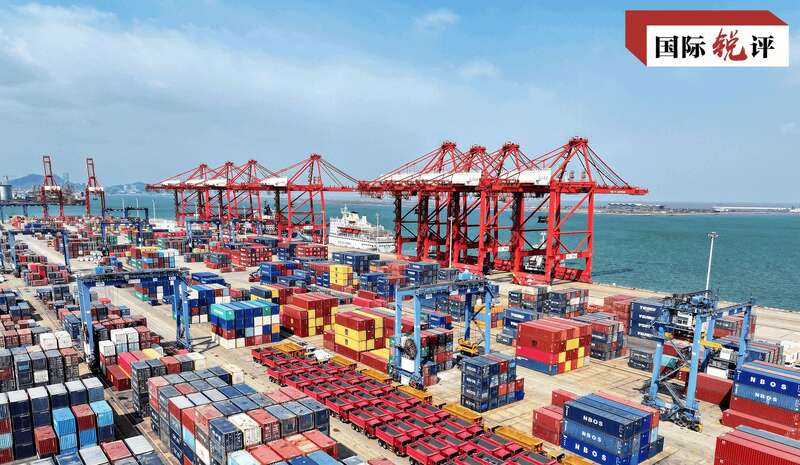
Core Viewpoint - China is committed to expanding high-level openness and sharing its development experiences with the world, emphasizing a modernized approach that seeks common prosperity [1][3]. Group 1: Economic and Trade Developments - The 20th Central Committee's Fourth Plenary Session approved the 15th Five-Year Plan, highlighting the importance of expanding high-level openness and creating a win-win cooperation environment [1]. - China has maintained its position as the world's largest goods trading nation for eight consecutive years, with foreign investment exceeding expectations during the 14th Five-Year Plan period [1][3]. - The country aims to share opportunities with the global community, leveraging its large market potential, which includes over 1.4 billion people and a growing middle-income group [3][4]. Group 2: Institutional and Regulatory Changes - China's openness now includes not only the flow of goods and factors but also the opening of rules, regulations, management, and standards, reflecting a high level of institutional openness [4]. - The government plans to reduce technical barriers and institutional costs to facilitate trade, creating a more transparent and predictable environment for foreign enterprises [4][6]. - Over the past five years, more than 240,000 new foreign enterprises have been established in China, indicating a strong long-term commitment from foreign companies [4]. Group 3: Global Leadership and Governance - China is shifting from a follower to a leader in global openness, actively choosing the fields, pace, and methods of its expansion [6]. - The country emphasizes maintaining a multilateral trade system and contributing to global governance through initiatives like the Belt and Road Initiative [6][7]. - China's approach aims to enhance global cooperation and ensure that development benefits are shared among all nations, reinforcing its role in the international community [6][7].
巴西大豆坐地起价!中国三张底牌亮剑,全球粮仓生变局
Sou Hu Cai Jing· 2025-10-26 18:46
巴西大豆坐地起价!中国三张底牌亮剑,全球粮仓生变局 前言 这场博弈最精彩的反转在于"信任成本"。巴西以为赚点快钱能逼中国妥协,却不知断掉的是长期合作的根。澳大利亚前车之鉴就在眼前:当年摆架子不卖小 麦,转眼订单全跑南美,最后还得主动求和。中国市场的逻辑从来都是"谁靠谱跟谁玩",巴西此番背刺,等于给全球资源出口国上了堂生动的"诚信课"。 巴西粮商做梦都没想到,原本以为能狠赚中国一笔的"涨价大招",竟成了砸自己饭碗的回旋镖。2025年10月,圣保罗港的豆农还在盘算着每吨多赚的18美 元,中国买家已火速调转船头,将订单砸向阿根廷、乌拉圭甚至俄罗斯远东。更狠的是,中储粮直接甩出"储备牌"——全国储备足以撑足三个月,直接给国 际粮价戴上了"紧箍咒"。 巴西的"坐地起价"玩得有多野?短短三周,对华大豆报价像坐了火箭般飙升,溢价直接碾压美国大豆。圣保罗港的老货代拍着大腿直呼:"往常每吨运费加 保险才300美元,现在港口滞留费每天就烧掉120万美元!"更讽刺的是,巴西农业部紧急组团来华协商时,中国买家已和阿根廷签下新单——南美另一巨头 直接取消大豆出口关税,价格瞬间"真香",乌拉圭、俄罗斯的货轮也在黄海港排队卸货。 中国这波 ...

巴西贪心涨价惹怒中国,800万吨订单被叫停,阿根廷笑纳大单
Sou Hu Cai Jing· 2025-10-26 17:53
自从特朗普上台以来,中美之间贸易碰撞不断,面对美国的关税威胁,我国也在第一时间做出了回应,直接叫停对美国的大豆进口。 自从五月以来,我国和美国未签过一单新合同,在九月进口量更是直接清零,一点儿都不给美国反应的机会。 作为当今世界上最大的大豆进口国,我国每年的进口数量足足达到了一亿吨,占了全球大豆总进口数量的60%,而之前我国的采购中心一直都是美国,每年 的贸易额都不是一个小数。 不过美国却一点儿都没想着中国的好,反而对中国掀起了关税战。 既然美国这么不给中国面子,那么我们自然也没必要给他们面子。世界上又不只有美国一个国家出口大豆,不从美国买,大不了我们就从其他国家进口。 而巴西则很快成为了我国的最佳选择,当中国和美国贸易战正打得热火朝天的时候,我国已经悄然将大豆的进口中心转向了巴西,进口数量更是达到了千万 吨级别。 但也就是当我们以为巴西能成为我们稳定的贸易伙伴,帮助我们解决大豆进口问题的时候,巴西却突然倒打一耙,搞起了坐地起价。 根据最新消息,最近巴西的对华大豆报价开始不断上涨,从最开始的每吨580美元一路涨到了现在的650美元,每吨足足涨价了70美元,涨幅也来到了12%。 如果只是小额贸易的话,涨价还能够 ...
钟声:共同维护好来之不易的磋商成果
Ren Min Ri Bao· 2025-10-26 15:09
Core Points - The recent round of economic and trade consultations between China and the U.S. in Kuala Lumpur resulted in a basic consensus on addressing mutual concerns, highlighting the importance of dialogue in resolving differences [1][2] - The discussions covered a wide range of topics, including U.S. maritime logistics and shipbuilding industry measures, extension of tariff suspension, fentanyl tariffs and enforcement cooperation, agricultural trade, and export controls, all of which are crucial for global supply chain stability [1][2] - Both countries emphasized the need to maintain a cooperative relationship, with China advocating for a stable and open international trade environment, while the U.S. expressed its intention not to decouple from China [2][3] Group 1 - The consultations were guided by the important consensus reached by the leaders of both nations, which has set the tone for improving and developing U.S.-China relations [2] - The essence of U.S.-China economic relations is mutual benefit, and both sides recognize that cooperation leads to shared gains while conflict results in losses [2] - China aims to expand high-level openness, providing more opportunities for all countries, including the U.S., as part of its long-term development strategy [3] Group 2 - The recent consultations are seen as a step towards maintaining stability in U.S.-China economic relations, which aligns with the fundamental interests of both nations and the expectations of the international community [2] - The Chinese government has shown strategic foresight and stability through its long-term planning, which is viewed positively by the international community amid global uncertainties [3] - The successful outcomes of the consultations require joint efforts from both countries to maintain and build upon the progress made [3]
巴西大豆对中国“坐地起价”,中国可不会惯着他们
Sou Hu Cai Jing· 2025-10-26 12:00
Core Viewpoint - The article discusses the significant shift in China's soybean procurement strategy, highlighting the transition from U.S. to Brazilian suppliers and the implications of price increases by Brazilian traders, which reflect broader changes in global supply chain dynamics [1][3][20]. Group 1: Market Dynamics - Starting from May 2025, China's soybean purchases from the U.S. decreased to zero by September, with Brazil becoming the primary supplier [1]. - Brazilian traders raised soybean prices aggressively, with quotes increasing from $580 to $650 per ton, a 12% rise in just a few weeks [3]. - In the first nine months of 2025, China imported 52.1 million tons of soybeans from Brazil, accounting for 66% of total imports, with some months seeing up to 93% [3][5]. Group 2: China's Response - China reacted to Brazil's price hikes by organizing a collective halt on soybean orders for December 2025 and January 2026, amounting to 8 million tons, indicating a strategic counteraction [7]. - China's response is based on a well-thought-out strategy, showcasing its ability to not rely solely on Brazilian supplies [9][22]. - The country has built a diversified supply network, including Argentina and Uruguay, to mitigate risks associated with dependence on a single supplier [11][18]. Group 3: Strategic Assets - China's state reserves provide a buffer in negotiations, allowing for market stabilization and time to seek alternative sources [9][18]. - The cancellation of export tariffs by Argentina led to a rapid increase in orders from China, filling the gap left by Brazil [11]. - Technological advancements have reduced China's reliance on soybeans, with alternative feed components increasing in usage [13][20]. Group 4: Long-term Implications - The article suggests that Brazil's short-sighted price increases may lead to a loss of market trust in the long run, while Argentina's strategic moves could enhance its market position [22]. - China's actions demonstrate a mature national strategy that balances diversification, reserve management, and technological innovation [22]. - The ongoing shifts in the soybean market reflect a broader reconfiguration of commodity pricing dynamics, with China increasingly shaping its role as a proactive market player [20].